REVIEW · MALAGA
Malaga: Authentic Paella Cooking Class with Sangría
Book on GetYourGuide →Operated by Kulinarea · Bookable on GetYourGuide
Paella starts at the market, not the kitchen. This Malaga class is a hands-on way to understand what makes Andalusian cooking click, with a market-to-kitchen flow (for daytime options). You’ll cook, taste, and eat what you make, all in a clean, modern setup in the city’s SOHO area.
I especially like the interactive coaching—you’re not just watching. The chef and English-speaking hosts keep things practical, and the food hits the sweet spot: paella plus homemade gazpacho and sangria. I also like the small extras that make it feel local, like a brief extra virgin olive oil tasting with traditional snacks.
One thing to consider: dietary restrictions aren’t accommodated on the day of the class. If you have allergies or strict needs, plan carefully, because they explicitly can’t adjust during the session.
In This Review
- Key highlights that make this Malaga paella class worth it
- Where the class really starts: Atarazanas Market in Malaga
- Inside the modern SOHO kitchen: you cook, you don’t just watch
- The olive oil tasting that makes paella easier to understand
- Making homemade gazpacho, the Andalusian warm-weather classic
- Sangria and regional wines: the drink that fits the food
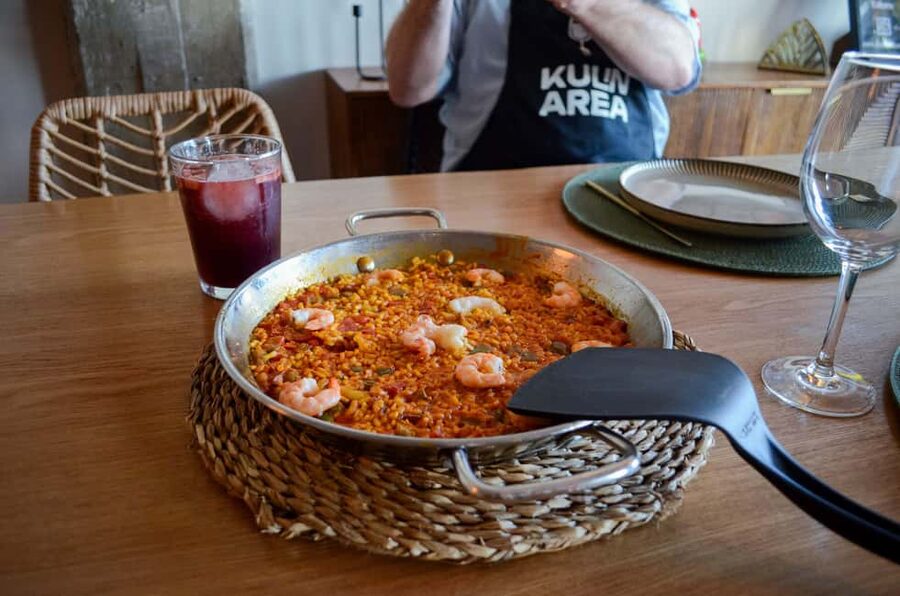
- The main event: cooking your own Malaga-style paella
- Timing and what to choose: daytime vs evening
- Price vs value: is $63 a fair deal?
- Who this paella class fits best (and who should think twice)
- The little touches that most people remember
- Should you book this Malaga paella cooking class?
- FAQ
- How long is the Malaga paella cooking class?
- Is Atarazanas Market included?
- What do we cook and eat?
- What drinks are included?
- Is the class taught in English?
- Can the class accommodate dietary restrictions?
- Do I get hotel pickup or drop-off?
- Where does the class start and end?
- Is cancellation free if my plans change?
- Can I pay later when booking?
Key highlights that make this Malaga paella class worth it
- Atarazanas Market (daytime only): A produce-focused start that sets up your ingredient choices.
- Hands-on paella with an expert chef: You actively cook, not just stand by.
- SOHO District kitchen setup: Modern, tidy workspace that makes the class feel easy to follow.
- Olive oil tasting plus snacks: Short, focused lesson on flavor before the main event.
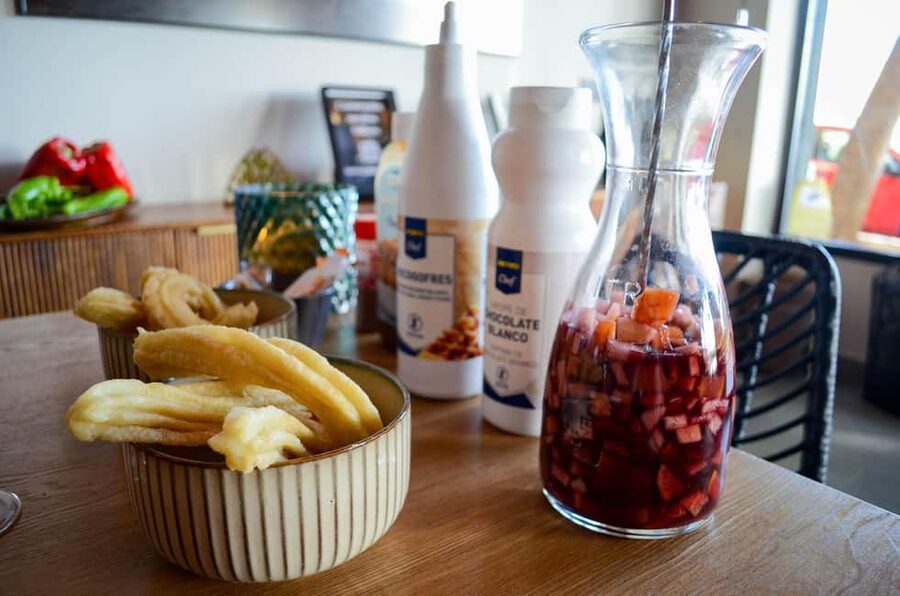
- Homemade gazpacho and sangria: Real Andalusian sides and a drink that actually fits the meal.
- Take-home Kulinarea apron: A fun souvenir you’ll use more than once.
Where the class really starts: Atarazanas Market in Malaga
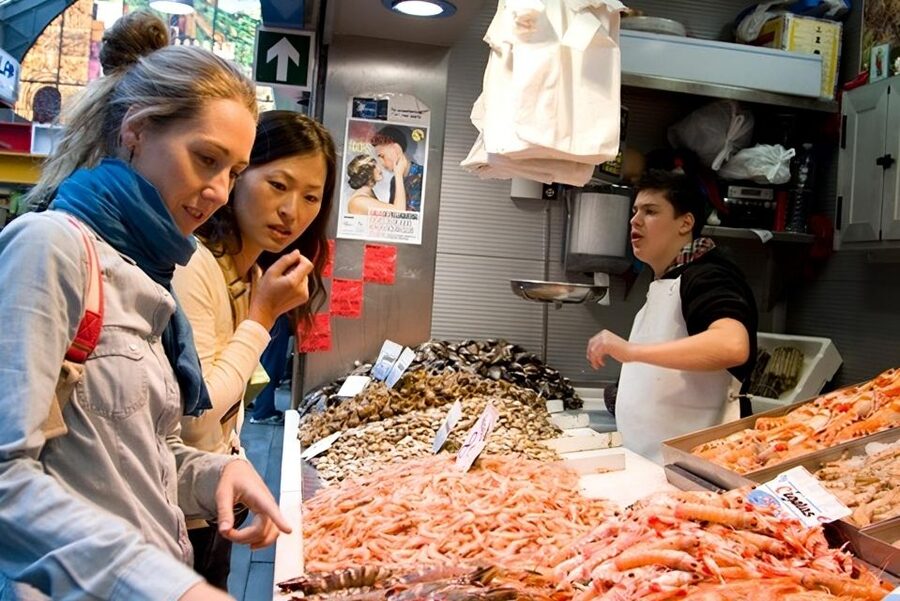
For the daytime option, the experience begins at Atarazanas Food Market. This matters more than you might think. Paella is only half technique; the other half is ingredients. When you see what’s in season—vegetables, herbs, and the kind of produce that Andalusia leans on—you understand why certain flavors show up in the final pan.
You also get a guided walk through the market area, with hosts pointing out details like the market building and how Malaga’s food culture developed. In past classes, guides such as Elise and Javi were praised for giving context, not just directions. You’ll still keep moving, though. This isn’t a museum stop. It’s meant to prep your brain for cooking.
Practical heads-up: the market is closed in the evenings and also on specific holidays (including 1/1, 6/1, 28/2, Holy Week Thursday/Friday, 1/5, 15/8, 19/8, 8/9, 12/10, 1/11, 6/12, 8/12, 25/12). On a closed-market day, you may still get narration about Malaga and cooking/wine, but you won’t get the full market browsing.
If you want that ingredient “before and after” feeling, choose a daytime time slot.
You can also read our reviews of more tours and experiences in Malaga.

Inside the modern SOHO kitchen: you cook, you don’t just watch
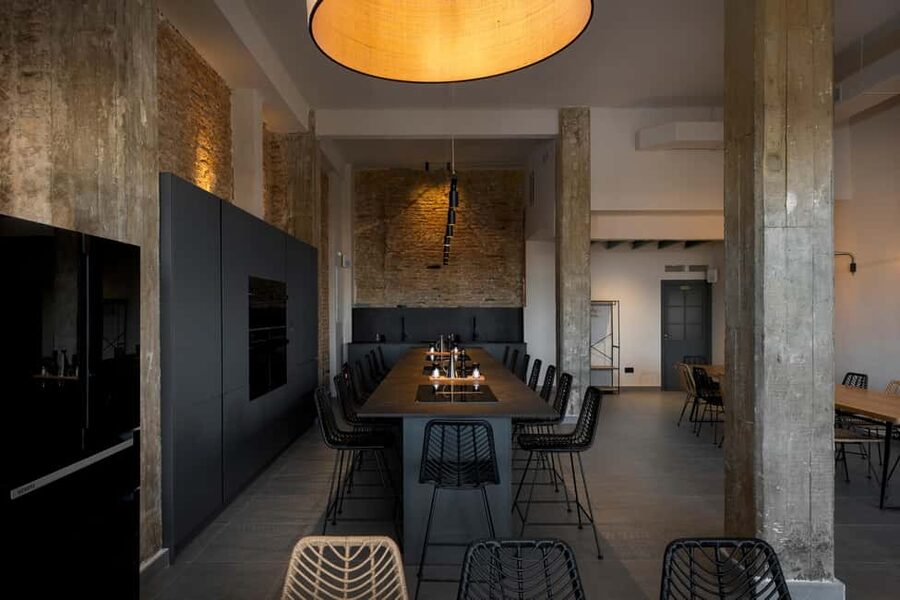
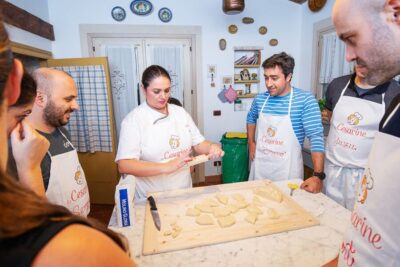
Next comes the working part: a spacious, modern kitchen in the SOHO District, close to the market area. One reviewer emphasized how clean and beautifully set up the kitchen was—comfort counts when you’re chopping, stirring, and standing at a hot station.
What I like about this format is that the cooking is structured. The chef shows you what to do, then the class moves through steps in a way that keeps everyone fed and on track. Names like Alba and Alma came up in reviews as chefs/lead cooks who gave clear instructions and helped when someone got stuck.
And this is a big reason people leave happy: you’re actively responsible for the outcome. You’ll make your own paella, not just taste bites. That turns the class from an edible souvenir into an actual skill you can repeat later.
The olive oil tasting that makes paella easier to understand
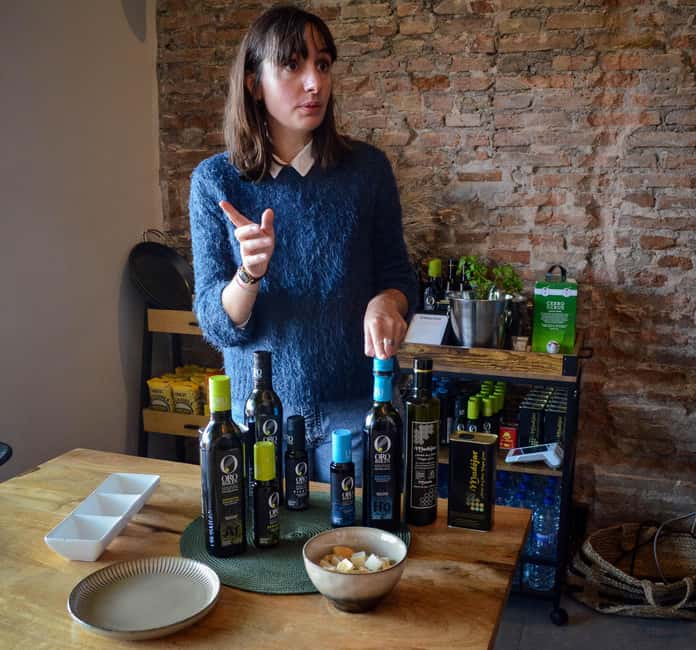
Before you start cooking, you get a brief extra virgin olive oil tasting. This is one of those “small stop, big payoff” moments. If you’ve ever tasted olive oil and wondered why some bottles taste peppery or grassy, this is where it clicks.
You’ll also get traditional snacks alongside the tasting. In reviews, hosts added extra points for making it feel educational without getting too serious. Even details like olives and almond tasting showed up for some groups, which helps explain how the flavors pair with the meal you’re about to cook.
Don’t skip this part if you can help it. Even a short oil lesson makes the rest of the class easier to follow, because you start thinking in flavor terms, not just recipe steps.
Making homemade gazpacho, the Andalusian warm-weather classic
Paella gets the spotlight, but you’ll also make homemade gazpacho. That’s a smart pairing in Malaga. It adds freshness right alongside rich, savory rice and spices.
Gazpacho also helps keep the class balanced. After chopping and cooking, you’re not stuck only in hot-kitchen mode. You get a cool, tangy side that fits the rhythm of the experience—and it gives you a second recipe to take home mentally, not just one.
Sangria and regional wines: the drink that fits the food
You toast your cooking success with drinks included in the experience: sangria and regional wines or beer or soft drinks depending on the class option.
Sangria is part of the package, and some classes have featured cava-style sangria, which is a nice upgrade if you’re offered it. Either way, the drink isn’t thrown in as an afterthought. It’s scheduled during the cooking and eating flow, so it feels like part of the meal rather than a separate event.
This is one of the easiest ways to make the class feel like Malaga, not just Spain-on-a-plate.
The main event: cooking your own Malaga-style paella
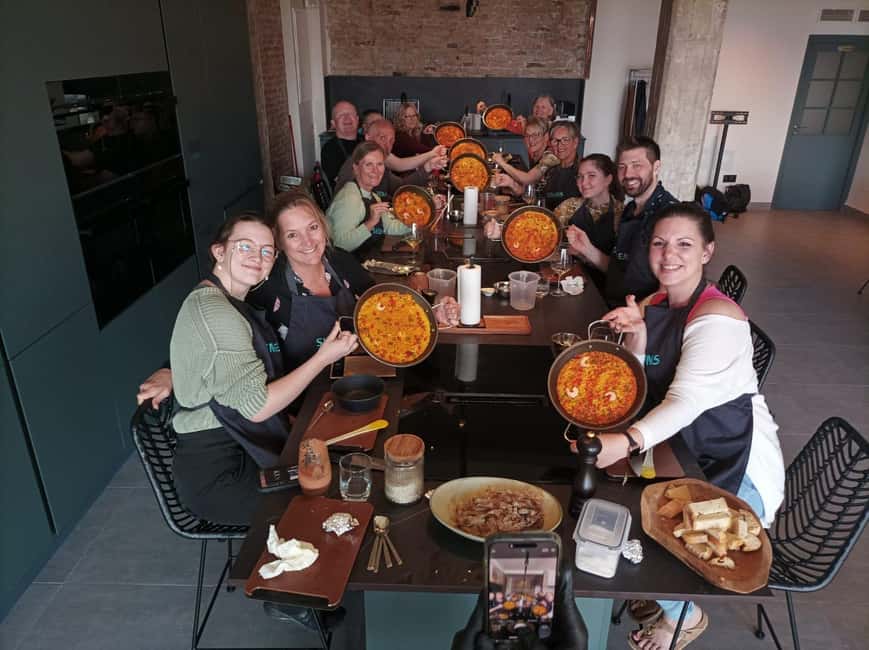
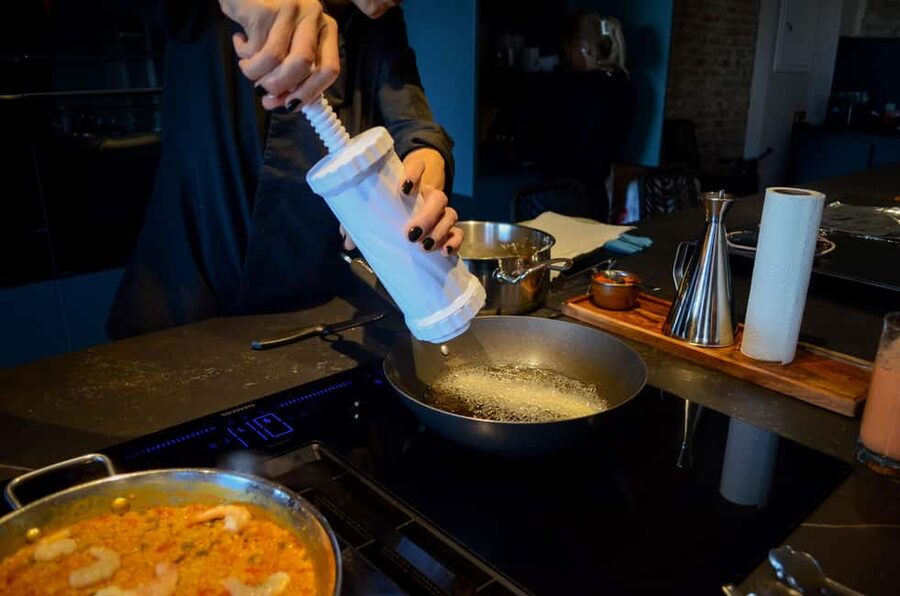
The centerpiece is your own paella. The chef guides you through the process, and you’ll work on components like prep and assembly as you go. In reviews, people specifically noted how multiple stations were set up so everyone had tasks: preparing parts of the base, cutting ingredients, mixing components, and then cooking the paella.
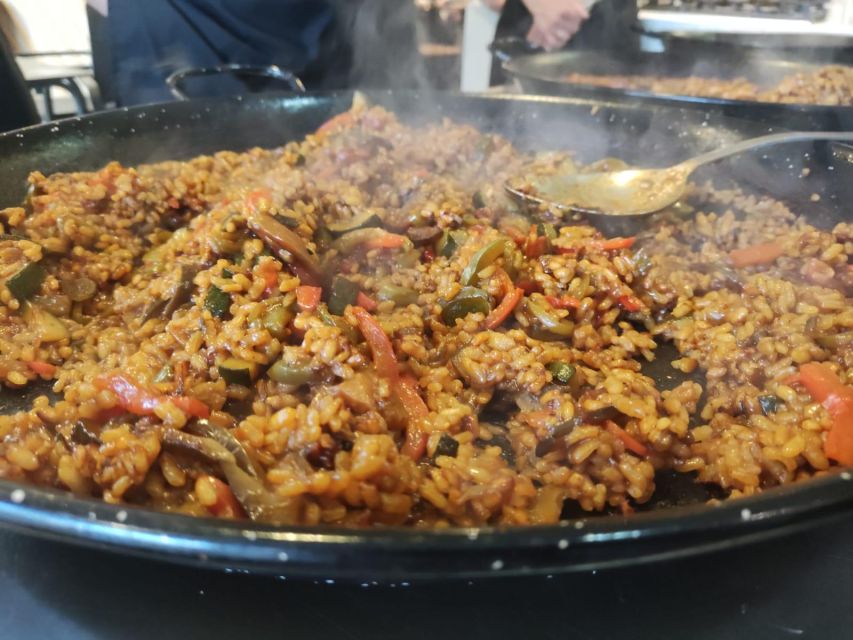
A practical note from real experience: paella doesn’t always come out identical from person to person. One review mentioned that the three paellas made in their group tasted different from each other. That’s not a flaw. It’s a reminder that heat, ingredient choices, and timing matter—and you’ll learn that while you’re cooking.
If you want to recreate it later, focus on the logic the chef gives: how ingredients balance, when to adjust, and what to watch for as it cooks. The class is designed so you can follow those cues, not just memorize a recipe.
Timing and what to choose: daytime vs evening
This experience runs about 3 to 3.5 hours, with starting times varying—so check availability for the exact slot you want.
Your biggest decision is whether to pick the daytime or evening class:
- Daytime: you get the Atarazanas Market visit plus the kitchen portion.
- Evening: no market visit (since the market is closed), but you still get the cooking and included meal/drinks.
If you’re the type who likes context—where food comes from, what’s in season—daytime wins. If you already know Malaga’s markets or prefer a later plan, evening still keeps the core value: cooking your paella and eating it with gazpacho and sangria.
Price vs value: is $63 a fair deal?
At $63 per person, you’re paying for more than a meal. You’re paying for:
- a guided market component (in daytime options),
- a modern kitchen setup with an expert chef,
- active cooking of paella,
- included drinks (wine/beer/soft drinks and/or sangria),
- olive oil tasting and homemade gazpacho,
- and a take-home Kulinarea apron.
For a city break, that’s solid value. Cooking classes usually cost more when you factor in instruction and ingredients, and this one packs in several food moments instead of stopping at a single dish. The key is that it’s structured around hands-on participation—so you leave with memories and at least one recipe you’ll want to repeat.
Who this paella class fits best (and who should think twice)
This is a great fit if you:
- want a fun, social activity that still teaches you something,
- enjoy learning through cooking rather than only sightseeing,
- like food pairings (olive oil, gazpacho, sangria, wine) that match Andalusia.
It’s less ideal if you:
- have dietary restrictions you need accommodated on the spot (they can’t adjust day-of),
- travel with kids under 4 (not suitable),
- are traveling with babies under 1 (not suitable).
If you’re planning a tight schedule in Malaga, the 3–3.5 hour duration is also a plus. It’s long enough to matter, short enough to still let you explore afterward.
The little touches that most people remember
A few things show up repeatedly in positive feedback:
- Clear chef instruction and solid pacing (you’re not left guessing).
- A friendly host/guide who makes the market stop feel meaningful, not rushed.
- Plenty of food—people leave full.
- The chance to connect with your group and share the table after cooking.
Also, the apron gift at the end is a practical souvenir. It’s not just a logo sticker. It’s something you can actually use.
Should you book this Malaga paella cooking class?
I’d book it if you want a high-value food experience in Malaga that mixes ingredient context, real instruction, and a meal you get to make yourself. Pick the daytime option if you care about the market visit and want that Atarazanas ingredient story.
Don’t book it last-minute if you have food restrictions. The class is explicit that it can’t accommodate dietary needs on the day, so plan around that.
If you’re chasing a relaxed, hands-on evening or afternoon in Malaga—paella, sangria, gazpacho, and a modern kitchen where you actually cook—this one is a strong choice.
FAQ
How long is the Malaga paella cooking class?
The experience runs about 3 to 3.5 hours. Starting times vary, so it’s best to check the schedule for your chosen date.
Is Atarazanas Market included?
Atarazanas Market is included only in the daytime class. It’s closed in the evenings, and it also closes on certain holidays.
What do we cook and eat?
You cook your own paella and you make homemade gazpacho. After cooking, you eat what you prepared.
What drinks are included?
Drinks are included and can be regional wines or beer or soft drinks, plus sangria as part of the experience.
Is the class taught in English?
Yes. The instructor/teaching is in English.
Can the class accommodate dietary restrictions?
No. Dietary restrictions can’t be accommodated on the day of the class, so you should consider that before booking.
Do I get hotel pickup or drop-off?
No. Pick up and drop off are not included.
Where does the class start and end?
The meeting point can vary depending on the option booked, and the activity ends back at the meeting point.
Is cancellation free if my plans change?
Yes, you can cancel up to 24 hours in advance for a full refund.
Can I pay later when booking?
Yes. You can reserve your spot and pay later, which helps keep plans flexible.