REVIEW · SAMARKAND
Samarkand: Uzbek Cooking Class in a Village Home
Book on GetYourGuide →Operated by UniqueUzTravel · Bookable on GetYourGuide
Plov tastes different when it’s cooked at home. In a village about an hour from Samarkand, I love how the day mixes hands-on cooking with real family life, led by Bekjon and his mother. You’ll chop, stir, shape, and learn the steps you’d never get from a restaurant plate.
Two big wins: you cook Plov over an open fire in a qozon (cast-iron pot), and then you make Mantu by rolling thin dough and steaming the dumplings until tender. One heads-up: the class uses meat, and the activity listing says it’s not suitable for vegetarians or people with certain food needs—so check your situation before booking.
In This Review
- Key Highlights You’ll Actually Care About
- Leaving Samarkand for a Village Home One Hour Out
- Meeting Bekjon and the Family Setup That Makes It Feel Personal
- Garden Finds, Possible Market Stops, and Ingredients With a Story
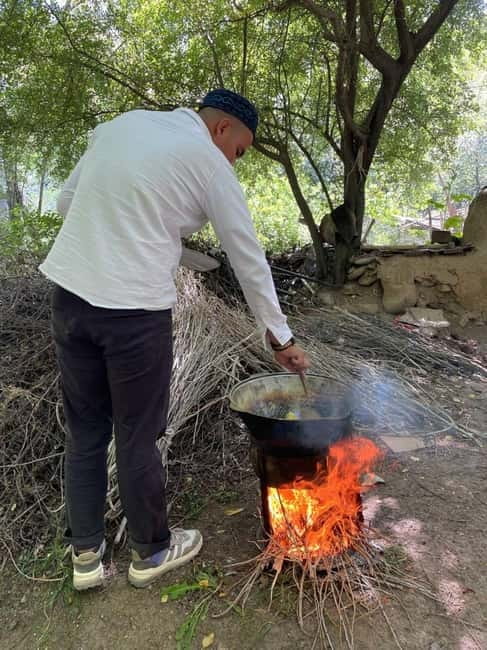
- Plov Over an Open Fire: How the Qozon Changes Everything
- Mantu by Hand: Thin Dough, Tight Folds, and Steaming in a Mantuvarka
- What Happens While You Wait for Food: Animals, Tea Under the Grapevine, and Quick Culture Extras
- Price and Time: Is $52 Good Value for This Samarkand Cooking Day?
- Who This Cooking Class Near Samarkand Is Best For
- Tips to Make Your Day Go Smooth (and Fun)
- Should You Book This Uzbek Cooking Class Near Samarkand?
- FAQ
- Is pickup included from Samarkand?
- How long is the experience?
- What will I cook during the class?
- Is tea included?
- What’s the price?
- What should I bring?
- Can I cancel for a refund?
Key Highlights You’ll Actually Care About
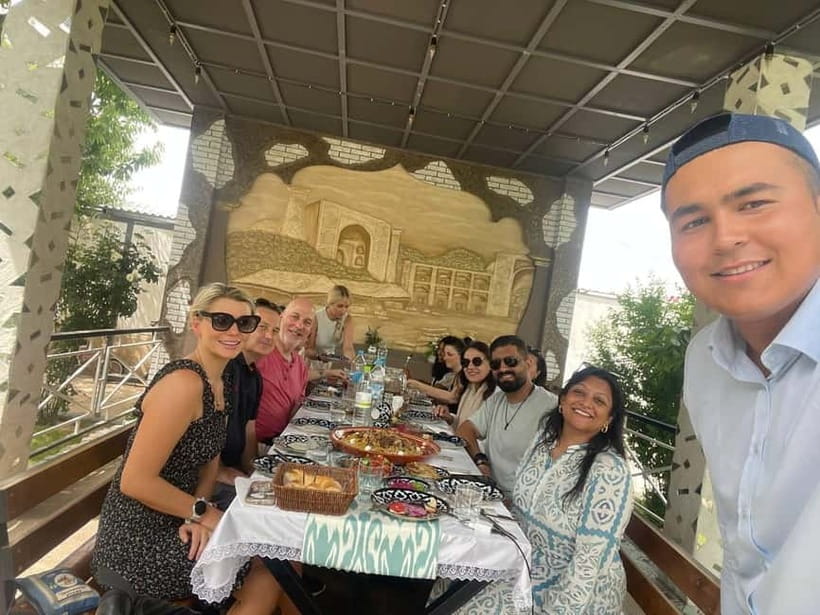
- Open-fire Plov cooked in a traditional qozon, using locally grown ingredients
- Mantu by hand: rolling dough, filling, then steaming in a mantuvarka
- Village life, not a showroom: gardens, fruit trees, animals, and a relaxed tea moment
- Bekjon’s family hosting: warm explanations and a clear, step-by-step approach
- Pickup and smooth transfer between Samarkand and the village home
Leaving Samarkand for a Village Home One Hour Out
Samarkand is all history and big sights. This experience gives you a different angle—rural life—without making the day feel like a chore.
You’ll get picked up in Samarkand and head out to the countryside, about an hour away. The total experience runs 5.5 hours, with about 3.67 hours centered on the cooking. That time mix matters: you’re not just “in and out.” You actually arrive, settle in, and then cook at a real household pace.
You can also read our reviews of more tours and experiences in Samarkand.
Meeting Bekjon and the Family Setup That Makes It Feel Personal
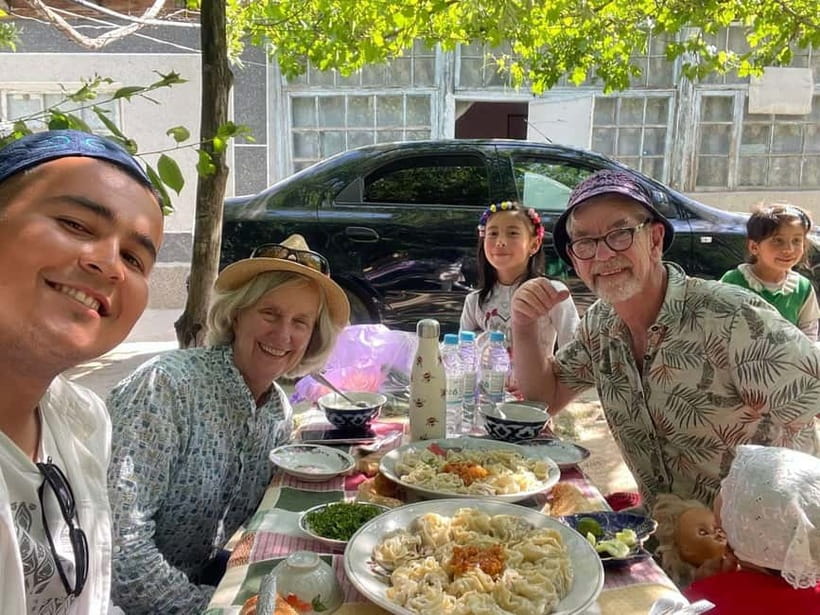
The heart of the day is your host, Bekjon, plus his family at their home. Expect you’ll be welcomed into a traditional clay-brick village residence and guided through what happens next—how to prep food, where ingredients come from, and what’s going on around the house.
Several parts feel designed for learning, not performance. Your host asks about expectations, and the pace stays practical so you can keep up—whether you’re confident in the kitchen or you’re still figuring out what a qozon even looks like.
Also, don’t treat this as a one-note cooking demo. It’s tied to everyday life: people living their routines, animals nearby, and food treated like family work. That’s what makes it land.
Garden Finds, Possible Market Stops, and Ingredients With a Story
Before the cooking gets serious, you’ll work with ingredients that connect to village rhythm. You may help select and prep items from the garden area—things like onions, carrots, and other produce—so you’re not starting with anonymous supermarket bags.
On some days, Bekjon may also take you to a local market for food. In past experiences, people have described stops tied to local crafts and history too, like learning about paper-making and hearing context around Amir Temur. You shouldn’t plan on every add-on happening, but the overall theme is clear: ingredients come with context.
Here’s why this matters for you: it makes the recipes easier to remember. When you understand where the ingredients come from, you stop treating Plov and Mantu like mystery dishes. You start treating them like everyday skills.
Plov Over an Open Fire: How the Qozon Changes Everything
Plov is the Uzbek national dish for a reason. It’s not just taste—it’s method. And cooking it over an open fire in a qozon changes the whole outcome.
You’ll learn the core Plov approach step-by-step: preparing ingredients, layering flavors, and cooking until the rice turns right. Plov is built around rice, carrots, onions, and lamb or beef, plus a special spice blend. You’ll also see how the pot and heat drive the texture—this isn’t “set it and forget it.”
What I like about this part is that you’re not just watching. You stir, assist, and taste as the dish develops. That makes the learning stick. People often struggle with Plov because they think the recipe is only about spices. Here, you see the rhythm: heat control, ingredient prep, and letting the pot do its job.
Practical note: open fire cooking means smoke and heat are real. Wear clothes you don’t mind getting a little dusty, and keep sunscreen on your list. If you’re sensitive to strong smells, this is still manageable, but plan for the aroma.
Mantu by Hand: Thin Dough, Tight Folds, and Steaming in a Mantuvarka
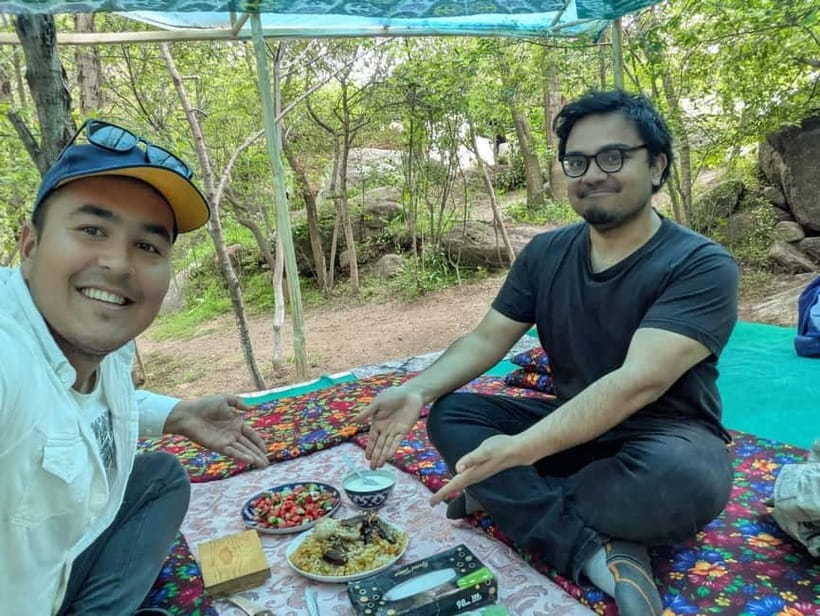
After Plov, you shift gears to Mantu, delicate steamed dumplings filled with minced meat and onions, wrapped in thin handmade dough. The technique is very hands-on: rolling dough, shaping dumplings using traditional methods, then steaming them properly in a multi-layer pot called a mantuvarka.
This is one of those skills where effort shows. The dumplings aren’t complicated on paper, but doing them well takes patience. That’s also why the class feels culturally grounded: Mantu preparation is often shared in village homes, especially around holidays and family gatherings.
One useful detail for you: the process allows for alternatives like pumpkin or potato-filled Mantu for vegetarian guests. But the booking info also states the activity is not suitable for vegetarians. If you’re vegetarian (or managing strict dietary limits), treat this as a “confirm first” situation with the host so you’re not disappointed.
What Happens While You Wait for Food: Animals, Tea Under the Grapevine, and Quick Culture Extras
In many cooking classes, waiting equals boredom. Here, waiting equals village life.
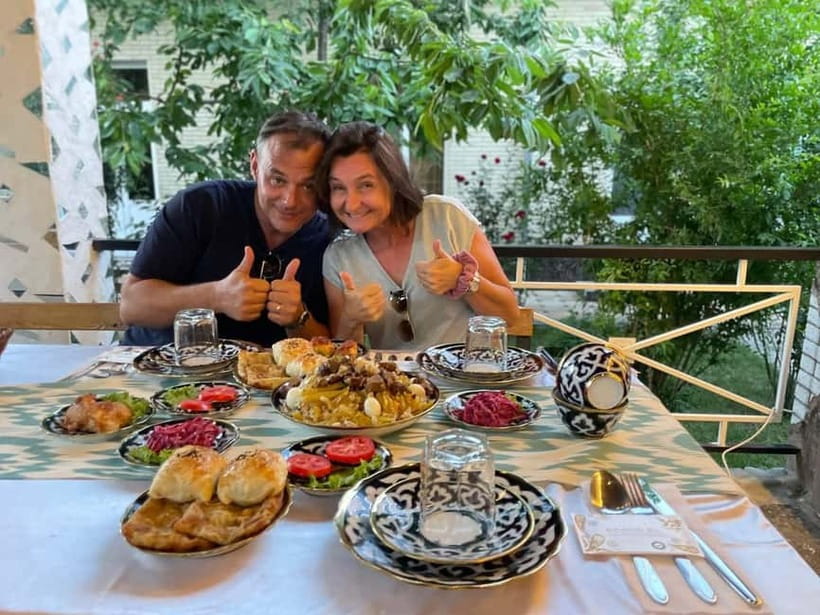
While Plov simmers and the dumplings steam, you can relax with green tea under a grapevine. You might also snack along the way, depending on what’s served in the home that day. And you’ll have time to explore: garden paths, fruit trees, and the animal side of rural living.
Animals you may encounter include cows, sheep, chickens, and even donkeys. That adds charm, but it also leads to a real consideration: if you have animal allergies, this isn’t a safe fit, and the activity listing reflects that.
You can also get small cultural moments that make the day feel more than “cook and leave.” People have mentioned trying traditional wedding clothes and learning local traditions. Again, you shouldn’t assume every add-on will happen, but the host clearly knows how to connect food with local customs.
Price and Time: Is $52 Good Value for This Samarkand Cooking Day?
At $52 per person for about 5.5 hours, the value comes from three things.
First, you get a full meal experience in the home—Plov you helped cook plus Mantu you shaped. Second, the class includes ingredients, tea, and a guided village tour, not just a quick instruction session. Third, pickup and transfer are included, so you’re not spending your day organizing rides.
When you compare that to paying for a tour plus a separate cooking workshop plus lunch, this stacks up well. The price feels fair because you’re paying for labor, instruction, and access to a family setting—something that’s hard to replicate on your own.
Who This Cooking Class Near Samarkand Is Best For
This day works best if you want practical cooking skills and a human-scale cultural experience. You don’t need to be a “food person.” If you like learning, asking questions, and getting your hands a little messy, you’ll enjoy it.
You’ll likely love it if:
- you want to learn Plov and Mantu techniques you can repeat later
- you enjoy countryside pace over city hurry
- you’re comfortable around farm animals and outdoor cooking conditions
You should think twice if you:
- have back problems (the listing says it isn’t suitable)
- have diabetes (also listed as not suitable)
- have animal allergies or food allergies (not suitable per the listing)
- are very sensitive to cooking smoke and warm outdoor air
And if you’re vegan, the listing says not suitable. For vegetarians, confirm details carefully—there may be Mantu alternatives, but the overall listing is cautious.
Tips to Make Your Day Go Smooth (and Fun)
A few small prep choices help a lot.
- Bring sunscreen and comfortable clothes. You’ll be outside at points, and open-fire cooking can be hot and smoky.
- Bring a camera if you care about documenting the day’s steps—plov cooking in a traditional pot is photogenic.
- Bring curiosity. Ask about the order of steps, how heat is managed in a qozon, and what makes Mantu “right” when steaming finishes.
- If dietary restrictions matter, tell Bekjon ahead of time. One of the best parts of the host approach is that they ask questions to match your needs.
Also, plan your expectations for a village home: it’s not a hotel kitchen. It’s real life, which is exactly why it’s memorable.
Should You Book This Uzbek Cooking Class Near Samarkand?
Book it if you want an honest taste of Uzbek food culture with real instruction, not a scripted tourist meal. The combination of open-fire Plov in a qozon, hand-formed Mantu, and a relaxed tea moment under grapevines makes it a full, satisfying day.
Don’t book it if meat or animal contact is a problem for you. The listing is clear on several limitations, and you don’t want to spend a day worrying.
If you’re on the fence, ask yourself this: do you want to learn a skill you can cook again at home, in a setting that feels like a family day? If yes, this is a strong choice near Samarkand.
FAQ
Is pickup included from Samarkand?
Yes. Transfer is included between your hotel and the village home (hotel-village-hotel). You’ll also need to provide your pickup address (hotel, train station, or airport).
How long is the experience?
The total duration is 5.5 hours, with the cooking class portion listed as 3.67 hours.
What will I cook during the class?
You’ll learn to make Uzbek Plov and also make Mantu with handmade dough and steamed dumplings.
Is tea included?
Yes. You’ll get tea under a grapevine as part of the experience.
What’s the price?
The price is listed as $52 per person.
What should I bring?
Bring a camera, sunscreen, and comfortable clothes.
Can I cancel for a refund?
Yes. You can cancel up to 24 hours in advance for a full refund.