REVIEW · GALLE
Authentic Sri Lankan Cooking Class in Mirissa
Book on Viator →Operated by Prabodi · Bookable on Viator
Cooking this food feels personal, not scripted. This Sri Lankan cooking class in Mirissa is built around shopping for fresh ingredients first, then getting hands-on with curry techniques in a family-run kitchen with Nona and Indra. I especially like that you get to choose what you cook, and the whole experience stays relaxed and practical, not “show-and-tell” cooking.
What I like most: the ingredient shopping part (you’re not relying on pre-made stuff), and the way the hosts guide you step-by-step so you can actually recreate flavors later. One thing to consider: it requires a minimum of two people, so it’s not ideal if you’re traveling solo.
In This Review
- Key highlights to know before you go
- Meeting at Indra Restaurant: the calm start that sets the tone
- Ingredient shopping with Nona and Indra: fresh flavors start here
- The kitchen and garden setup: interactive cooking, not kitchen theater
- Choosing your four dishes: how the menu works
- What you’ll actually make: curries, sides, and that sambol finish
- The rice-and-curry lesson: skills you can use again at home
- Eating what you made: portion reality and a satisfying end
- Price and value: why $30 feels fair here
- Timing, transportation, and practical tips for your 4:00 pm start
- Who this cooking class is best for
- Should you book this Mirissa Sri Lankan cooking class?
- FAQ
- Where is the meeting point for this cooking class?
- What time does the class start?
- How long is the experience?
- How many people are in the group?
- Do I get to choose what dishes I cook?
- What dishes are included in the menu choices?
- What do you eat during the class?
- Is this class suitable for solo travelers?
- Is there a mobile ticket for this experience?
- What is the cancellation rule?
Key highlights to know before you go
- Start at Indra Restaurant in Mirissa at 4:00 pm for a smooth afternoon-to-evening meal rhythm
- Market shopping with the hosts so your curries start with fresh produce
- Cook four dishes from a flexible menu, including chicken or fish curry options
- Small group size (max 6 travelers) keeps it interactive
- All dishes served with generous rice and crispy papadams
- Outdoor kitchen and garden setting makes the whole session feel like a visit to someone’s home
Meeting at Indra Restaurant: the calm start that sets the tone
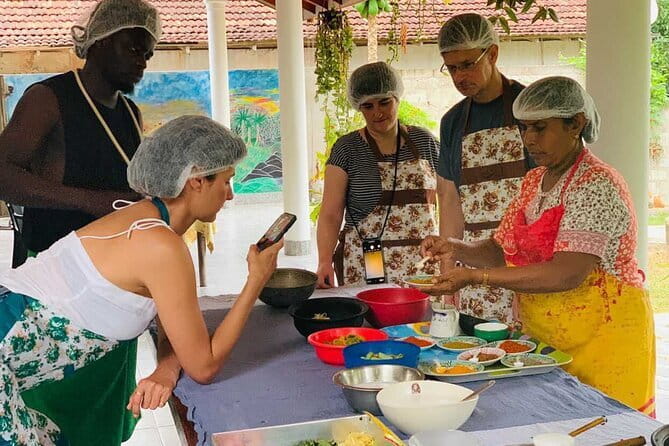
This class begins at Indra Restaurant in Mirissa (meeting point is listed right in the town area). The start time is 4:00 pm, and that matters more than you might think. Late afternoon gives you enough time to shop and prep without feeling rushed, and you end up eating when the day feels slower—especially nice if you’ve been doing beach time or sightseeing earlier.
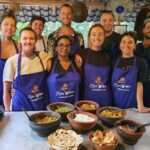
I like that the format is straightforward: you meet, you connect with the hosts, and you get moving. The group is limited to six travelers, so you’re not lost in a crowd or waiting for instructions to catch up.
You can also read our reviews of more tours and experiences in Galle.
Ingredient shopping with Nona and Indra: fresh flavors start here
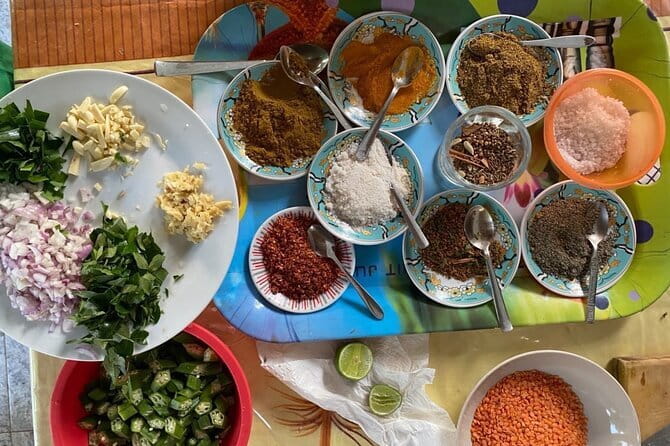
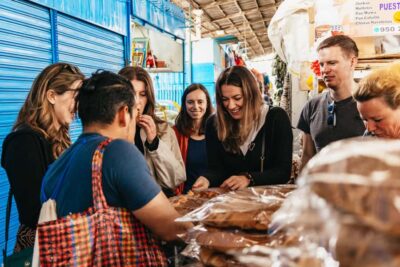
Before any pots hit the stove, you head out to pick ingredients. In a cooking class, this step can be a quick photo stop. Here, it’s positioned as part of the lesson—learning what ingredients are for, where they come from, and why they change the flavor of your curry.
You’ll shop for fresh local items, and the hosts explain as you go. If you’re the type who wonders why a curry tastes different from one meal to the next, this shopping segment is a big part of the answer. It also makes the cooking session feel real. You’re not just following steps—you’re building the meal from ingredients you picked.
From the practical side, I’d consider wearing comfortable shoes. You’re likely moving around stalls or a vegetable market area, and you’ll want stable footing.
The kitchen and garden setup: interactive cooking, not kitchen theater
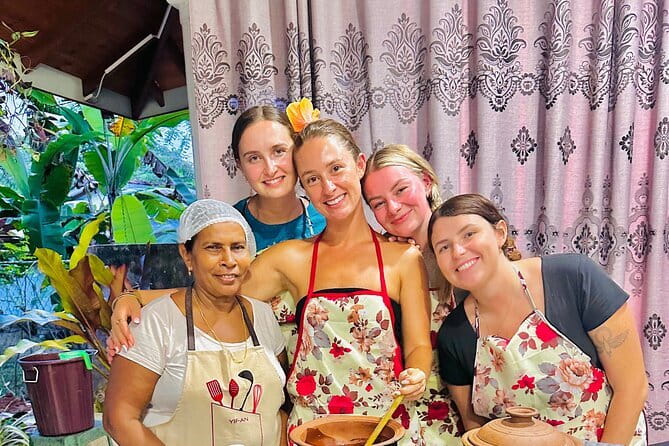
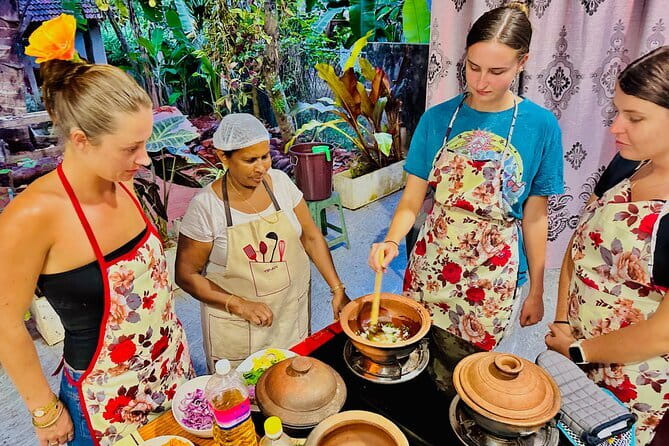
After shopping, you come into the cooking space: the hosts welcome you into their kitchen and garden area. One of the most praised parts is the outdoor cooking space. It’s not an indoor classroom vibe. It feels more like cooking in a lived-in home environment, which helps you relax and actually participate.
The class is family-run, and the hosts—Indra and Nona, plus Prabodi (involved as well)—keep things friendly and organized. Expect a warm welcome, clear explanations, and plenty of moments where they show you what to do, then hand you the work.
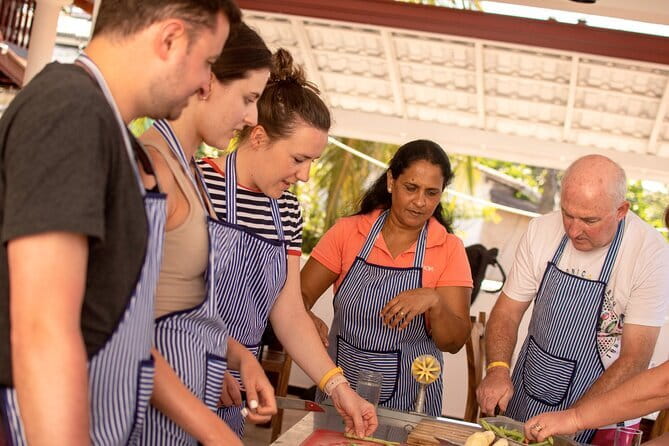
Small-group cooking classes can be either intimate or chaotic. Here, the structure seems to stay steady: the hosts talk you through dishes, then get you involved with prep and cooking tasks. If you worry you’ll feel awkward in a kitchen, this is the kind of setting where the pace feels supportive.
Choosing your four dishes: how the menu works
The menu is flexible. You’ll choose four delicious options from the available list, and you can also pick another vegetable if it’s available that day. That choice matters because it lets you tailor the meal to your taste.
Your options include:
- Chicken or Fish Curry
- Dhal/Lentils Curry
- Pumpkin Curry
- Green Beans Curry
- Aubergine Fry
- Green Leave Salad / Stir Fry
- Mushrooms Dry Curry
- Potato Curry
- Okra/Lady Fingers Dry curry
- Coconut Sambol
Why this is a smart setup: you’re not forced into a single “standard” menu that might not match your preferences. You can build a plate with the mix you want—something saucy, something crunchy, something vegetable-forward, and a finishing touch like coconut sambol.
In practice, choosing four dishes also controls your workload. Three hours is enough time to cook and eat, but it’s not enough to make a huge spread from scratch. The four-dish structure keeps it doable, interactive, and satisfying.
What you’ll actually make: curries, sides, and that sambol finish
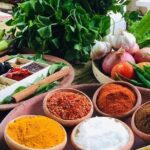
Sri Lankan food has a lot of flavor layers: curry depth, herb and chili balance, and the way coconut shows up as both sweetness and richness. Even without getting too technical, you’ll notice the menu gives you those layers.
Here’s how the options tend to feel on the plate:
- Curries (chicken/fish, lentils/dhal, pumpkin, potatoes, okra dry-style) bring the sauce and spice base. You learn how the curry “moves” from aromatic start to finished dish.
- Fry and dry curries (aubergine fry, mushrooms dry curry, okra/lady fingers dry curry) give texture and help your meal feel more than just rice + soup.
- Green leaf salad/stir-fry adds freshness and keeps the meal from feeling heavy.
- Coconut sambol is often the finishing flavor. It’s usually the part that makes you think, ah, this is why Sri Lankan plates taste the way they do.
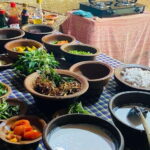
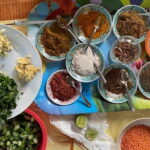
A detail worth noting: every dish is served with generous rice and crispy papadams. So even if you choose multiple curry-style dishes, you’ll still get that classic papadams crunch and rice base that makes the meal complete.
The rice-and-curry lesson: skills you can use again at home
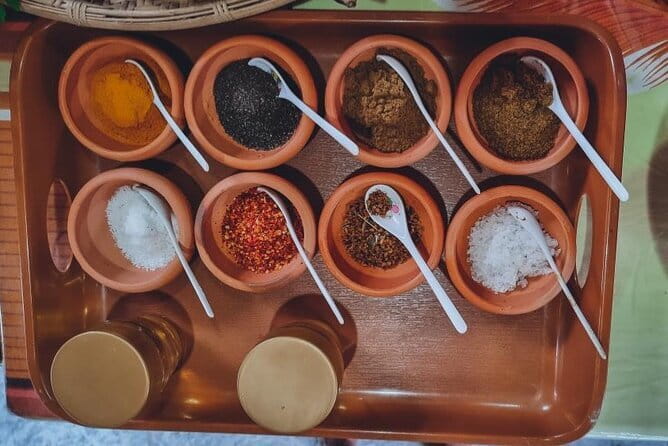
The hosts don’t treat this as only a meal. They also teach the “secrets” to perfect rice and curry. In cooking classes, that can mean vague advice. Here, the emphasis is on clear explanation and hands-on guidance so you understand what’s happening while you cook.
The best learning moments in this kind of class usually happen when:
- you see how spices are handled early on,
- you learn how to adjust thickness and flavor as food cooks,
- and you understand how rice and curry timing affect everything on the plate.
Even if you never cook Sri Lankan food at home, you’ll still walk away with practical pattern recognition. You’ll learn how curry is built, how it thickens, and how to think about balance—so your next curry effort doesn’t feel like guesswork.
Eating what you made: portion reality and a satisfying end
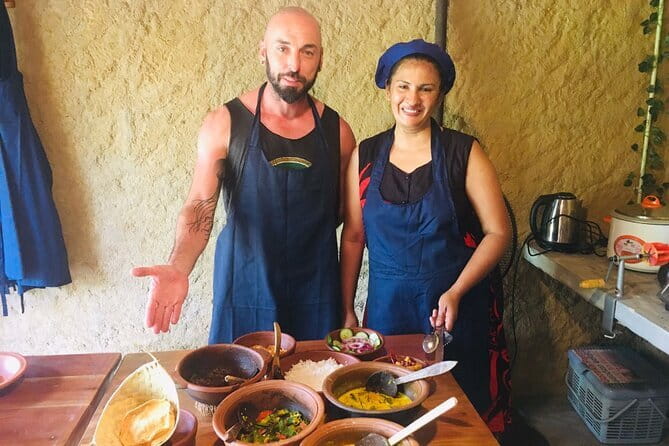
The session isn’t just cooking. It ends with a generous meal: your dishes plus rice and crispy papadams. That’s a real value point. Some classes make you cook four items and then you get a small tasting portion. Here, the “you cook, you eat” payoff sounds substantial.
Because you choose what to cook, your table usually feels cohesive. You’ll likely end up with a mix of saucy curry, textured sides, and a sambol or salad element that ties it together.
Plan to bring a big appetite. Also, take your time with the meal. The enjoyable part is that you can taste the flavors you just made, and you’re able to connect them to the steps the hosts walked you through.
Price and value: why $30 feels fair here
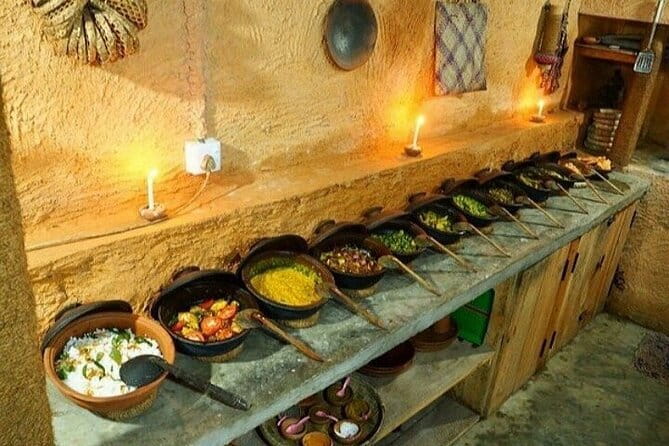
At $30 per person for about 3 hours, this class is priced like a small-group cultural activity—cheaper than many food tours that only offer tastings. What makes the price feel fair is what’s included:
- ingredient shopping with local items,
- hands-on cooking with guidance,
- you choose four dishes,
- and you eat the food you cook with rice and papadams.
It’s also a good value because the group is limited to six travelers. Lower numbers typically mean more attention, better interaction, and a more personal pace.
If you’re looking for a “do something fun after the beach” plan, this is a strong deal. You’re buying a meal and skills, not just a ticket to watch.
Timing, transportation, and practical tips for your 4:00 pm start
This experience starts at 4:00 pm and returns to the meeting point afterward. The listing notes it’s near public transportation, and the ticket is mobile—so you’re not dealing with paper hassles.
A couple practical tips:
- Wear clothes you don’t mind getting a little curry-splatter risk on. Cooking classes are messy. That’s part of the charm.
- If you’re sensitive to spice, tell the hosts when you arrive. The class is hands-on and customizable, and it’s easier to adjust than to fix after the dish is finished.
- Since it runs about three hours, plan something lighter before it starts. Give yourself space to eat afterward.
One more consideration: it’s designed for groups of two or more. If you’re traveling with a friend or partner, you’ll be in the sweet spot. If you’re solo, you’ll need to coordinate with someone else since solo bookings aren’t accommodated.
Who this cooking class is best for
This is a great fit if you:
- want a small-group experience instead of a big tour bus scenario,
- like hands-on cooking with real instruction,
- enjoy food shopping and learning what goes into a curry,
- and want to eat something satisfying at the end.
It’s also a good choice for people who want comfort. The hosts are friendly, welcoming, and organized. One of the repeated impressions is that it’s not taxing on your cooking skills—you’re guided, and the learning feels peaceful rather than stressful.
If you’re a serious chef who expects advanced technical training with measurements and lab-style precision, you might find it more relaxed and home-style than formal culinary school. But for most travelers, that relaxed tone is the point.
Should you book this Mirissa Sri Lankan cooking class?
Book it if you want one of the most practical souvenirs you can bring home: skills plus a meal you helped make. The value is strong at $30, and the experience seems built for real participation—from market shopping to the garden kitchen cooking.
Skip it or think twice if:
- you’re traveling solo and don’t have a partner to book with,
- you’re not comfortable cooking or prepping food in an interactive setting,
- or you want a strictly vegetarian class with no fish/chicken options. (You can choose vegetable dishes, but the menu includes meat/fish curry options.)
If you can match the timing and you’re excited about Sri Lankan flavors—especially curries, coconut, and that papadams crunch—this is an easy yes.
FAQ
Where is the meeting point for this cooking class?
You meet at Indra Restaurant in Mirissa (meeting point is listed as WFX5+XMF, Mirissa, Sri Lanka).
What time does the class start?
The start time is 4:00 pm.
How long is the experience?
It lasts about 3 hours.
How many people are in the group?
The class has a maximum of 6 travelers.
Do I get to choose what dishes I cook?
Yes. You choose four options from the listed dishes, and you can also select another vegetable if it’s available that day.
What dishes are included in the menu choices?
The options include chicken or fish curry, dhal/lentils curry, pumpkin curry, green beans curry, aubergine fry, green leaf salad or stir-fry, mushrooms dry curry, potato curry, okra/lady fingers dry curry, and coconut sambol.
What do you eat during the class?
All dishes are served with generous rice and crispy papadams.
Is this class suitable for solo travelers?
No. It requires a minimum booking of two people, so solo bookings aren’t accommodated.
Is there a mobile ticket for this experience?
Yes, the experience includes a mobile ticket.
What is the cancellation rule?
You can cancel up to 24 hours in advance for a full refund.
If you cancel less than 24 hours before the start time, the paid amount is not refunded.