REVIEW · POKHARA
Pokhara: Nepali Cooking Class and Momo Making Workshop
Book on GetYourGuide →Operated by My Dream Adventure · Bookable on GetYourGuide
A Pokhara kitchen lesson feels like visiting family. You spend 3 hours with a local Aama and a small group, learning how Nepali food is built from ingredients, spices, and technique. I especially like that you can choose between dal bhat or making momo with chicken or vegetarian fillings. One thing to keep in mind: this experience is not suitable if you have food allergies, and you should mention dietary needs in advance.
The best part is that it’s hands-on from start to finish, not a demo you watch from afar. You’ll pick ingredients (including vegetables, spices, and meat), cook with step-by-step guidance in English, and then sit down to eat what you make with masala tea. If you hate mess, plan for it—cooking and rolling dumplings can get your sleeves and hands very “real.”
In This Review
- Key things that make this Pokhara class worth it
- A Pokhara kitchen lesson with a home Aama
- Pickup in Pokhara, then straight to cooking mode
- Market stop: choosing vegetables, spices, and meat
- Dal bhat or momo: what you’ll cook (and why it’s a great choice)
- Dal bhat: the comfort meal with structure
- Momo: dumpling technique with payoff
- Either way: masala tea is part of the rhythm
- Hands-on techniques: step-by-step guidance that keeps you moving
- The meal, the tasting, and the small cultural touches
- Price and value: is $42 for 3 hours fair?
- Who should book this (and who should skip it)
- A simple checklist before you go
- Should you book the Pokhara Nepali Cooking Class?
- FAQ
- What dishes can I choose to cook in Pokhara?
- Does the workshop include hotel pickup and drop-off?
- Do we buy ingredients during the workshop?
- Is the cooking class taught in English?
- Is this cooking class suitable for beginners?
- Is it safe for people with food allergies?
Key things that make this Pokhara class worth it
- Small-group instruction (up to 8 people): you get more time with the house kitchen head and fewer delays.
- Market-to-stove flow: you explore local markets before cooking, so the meal starts with real choices.
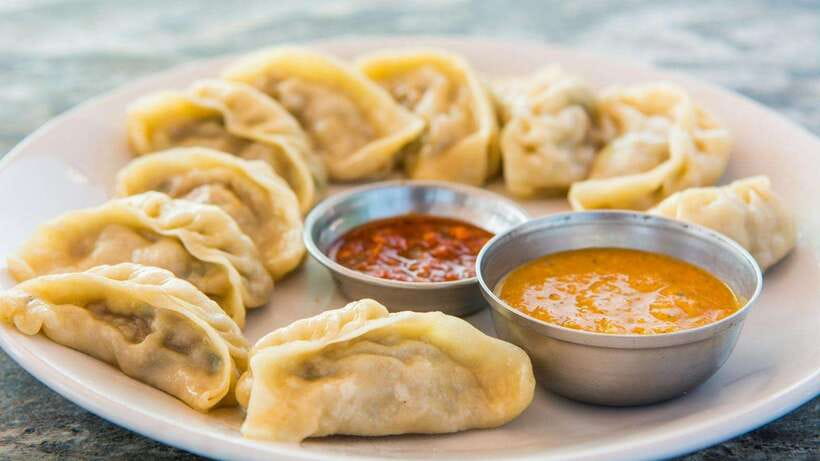
- Your menu choice: dal bhat or momo, with options for chicken or vegetarian fillings.
- Home-kitchen hospitality: the teaching style is friendly and patient, and masala tea is part of the session.
- You eat what you cook: tasting and a prepared meal are included, so you’re not leaving hungry.
A Pokhara kitchen lesson with a home Aama
Pokhara is one of those places where days can move slow, by the lake, with views that reset your brain. This class adds a sharper focus: food as culture, food as daily life, food as something you can actually learn to repeat at home.
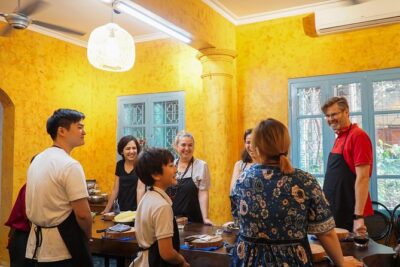
What you’re really booking here is a guided day in a local kitchen, led by a house kitchen head Aama (the instructor). You’ll get step-by-step instruction in English, which matters because cooking terms don’t always translate cleanly. It’s also small group by design, capped at 8 participants, so you’re not just standing on the edge while others handle the work.
I like that the experience doesn’t try to be overly fancy. It’s practical. You learn the logic behind Nepali dishes: what goes in, why it goes in, and how the flavors are layered. You also learn the cultural meaning of dishes as you cook, so the meal doesn’t become just “a recipe,” it becomes a story you can carry.
Possible drawback to plan for: if you have food allergies, this is not the right fit. Also, smoking indoors isn’t allowed, so keep that in mind if you’re sensitive to shared spaces.
You can also read our reviews of more tours and experiences in Pokhara.
Pickup in Pokhara, then straight to cooking mode
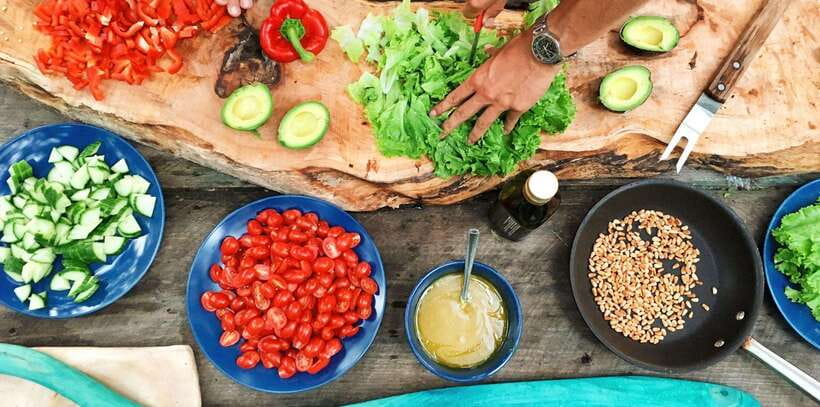
The schedule is simple: hotel pickup, then a cooking class in Pokhara, then drop-off back at your hotel. The pickup uses a name card approach, which is helpful when you’re juggling taxis, maps, and the general Pokhara chaos.
Because the total duration is 3 hours, the pacing is direct. Expect to spend most of the time actively cooking: prepping, shaping, mixing, and tasting as you go. This isn’t an all-day cooking retreat where you slowly wander through spices for fun. It’s a focused workshop that still feels warm.
What I find smart about this structure is that it works even if you’re not a “food tour person.” You don’t need background knowledge. If you can follow directions and you’re comfortable in the kitchen, you’ll get a result by the end.
Bring comfortable clothes and shoes you don’t mind cooking in. You’ll also want a camera. Many people take photos while the dish is still in process, especially when dumplings or plating comes together.
Market stop: choosing vegetables, spices, and meat
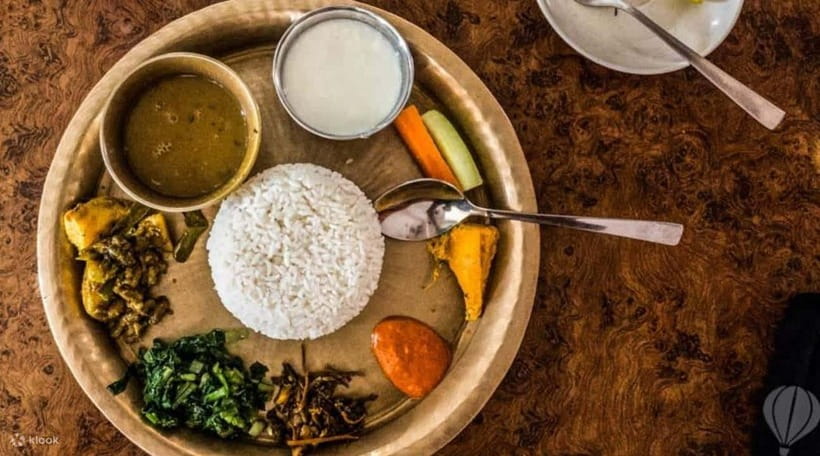
One of the most valuable parts of this workshop happens before any stove work. You’ll explore local markets to buy vegetables, spices, and meat for the class. That changes the whole experience in a way you’ll feel in your food.
Here’s why it matters: in Nepali cooking, ingredients are not just “stuff you add.” The balance and freshness are part of the flavor. When you see the options firsthand, you learn how cooks think. You start noticing differences in herbs, spice blends, and meat choices instead of blindly trusting prepackaged versions.
Even if you don’t plan to recreate everything at home, this ingredient lesson sticks. You learn what to look for in the grocery store later, and you gain confidence adjusting recipes based on what you can find.
It also makes the cooking time more meaningful. The kitchen work becomes the second half of a process you started in the market, not something that begins with a mystery bag of ingredients.
Dal bhat or momo: what you’ll cook (and why it’s a great choice)
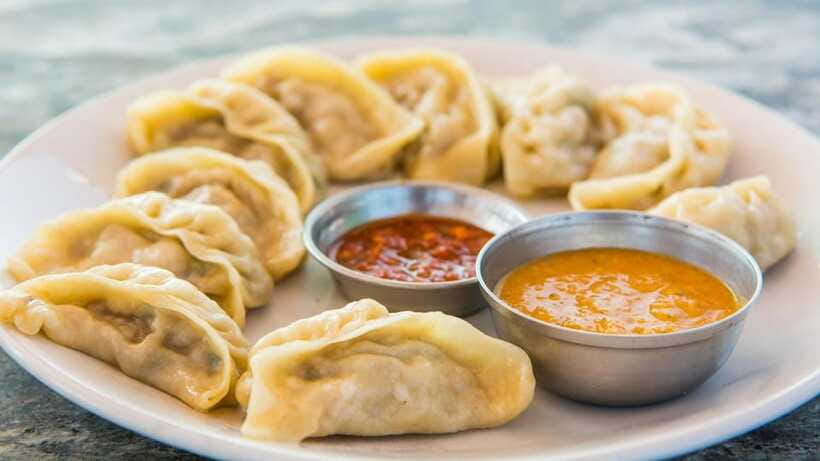
You get to choose between dal bhat and momo, and this flexibility is one of the best reasons to book. Both dishes are deeply Nepali, but they teach different cooking skills.
Dal bhat: the comfort meal with structure
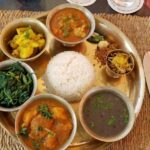
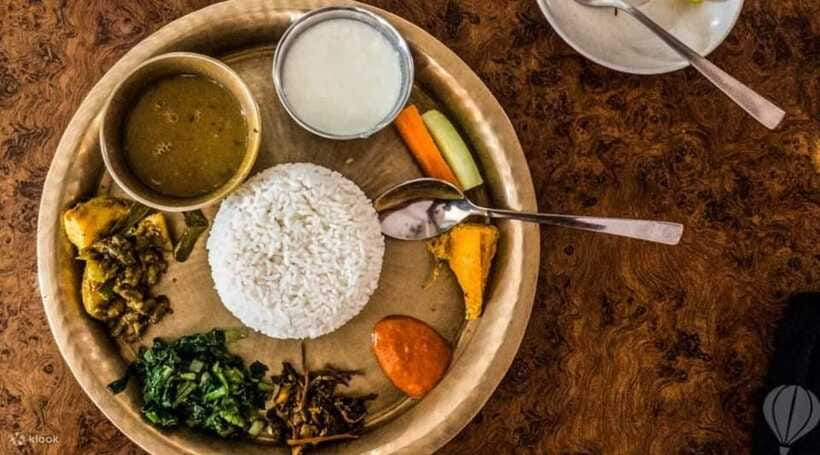
Dal bhat is a quintessential Nepali plate: rice plus lentil soup (dal), typically served as a complete meal rather than separate components. Cooking it teaches you how to build a sauce that tastes layered, not flat. You’ll learn how the dal comes together and how the rice and curry components are meant to work as a set.
If you like meals you can repeat easily at home, dal bhat is a strong option. It’s also ideal if you want something warming and filling after time outdoors in Pokhara’s weather.
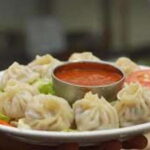
Momo: dumpling technique with payoff
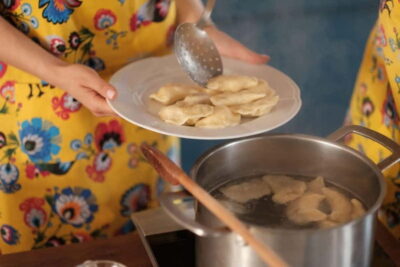
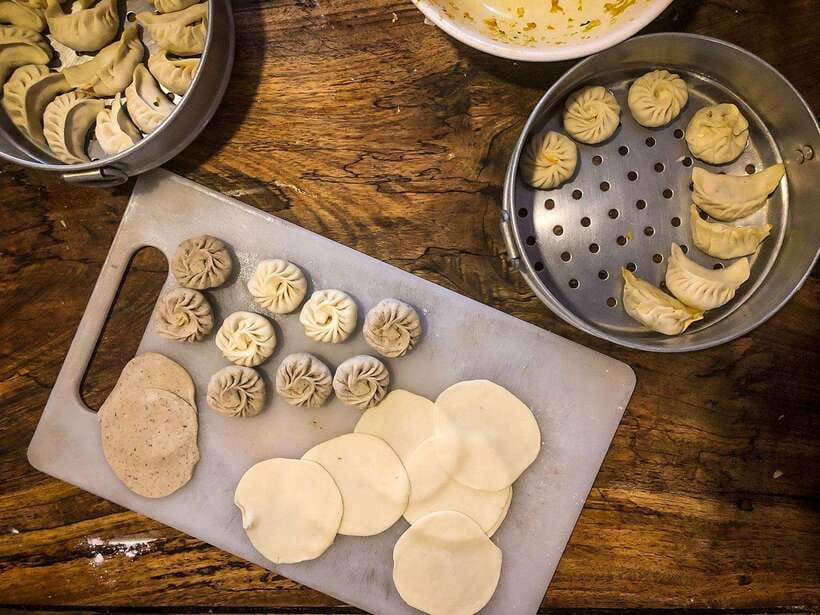
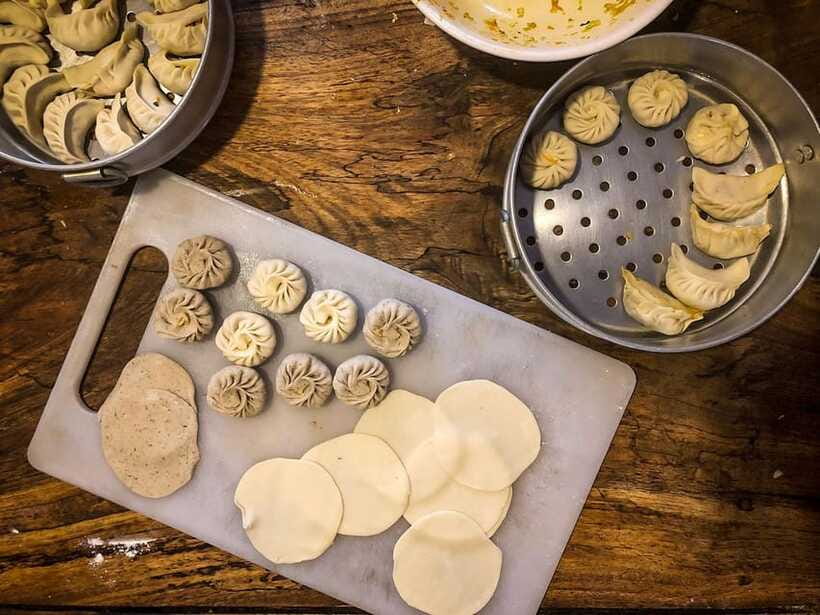
Momo is the dumpling Nepal is famous for, and in this class you can choose chicken or vegetarian fillings. Dumplings are hands-on by nature, and that’s exactly what makes the workshop feel satisfying. You’ll learn the technique for shaping and working with filling so the final result holds together.
If you’re the type who loves cooking because you like the “make it with your hands” part, momo is the move. The satisfaction is immediate: you can see the form taking shape before you even sit down to eat.
Either way: masala tea is part of the rhythm
During the lesson, you’ll have Nepali masala tea. It’s not just a drink break. It fits the pacing of the class, giving you a warm pause between tasks and helping the whole thing feel like a home experience rather than a timed activity.
Hands-on techniques: step-by-step guidance that keeps you moving
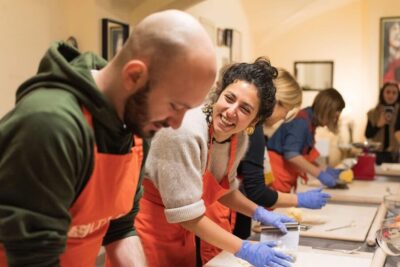
This is a workshop designed for participation. The class includes cooking ingredients and equipment, so you’re not worrying about what to bring besides clothing and footwear. The instructor provides step-by-step instructions, and the group size keeps the attention on you.
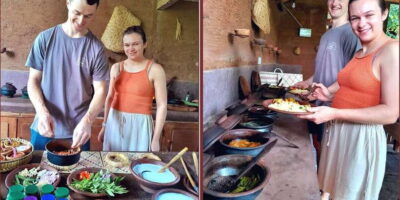
You’ll likely work through multiple cooking phases during the 3 hours. Depending on whether you choose dal bhat or momo, your time may include prepping ingredients, mixing or seasoning, and then finishing the dish. The tasting session and the meal of prepared dishes mean you don’t just learn technique—you verify it with a real bite.
One practical tip: wear clothing that can handle splashes and steam. Even if you’re careful, dumpling work and curry prep can be a little chaotic. Think of it as learning by doing, not keeping perfection.
Also, if you’re a camera person, plan to capture your dumpling shaping or the final plate when everything comes together. Those moments are easiest to photograph right after cooking, before the steam disappears.
The meal, the tasting, and the small cultural touches
Food classes often end with a polite “thanks for coming.” This one ends with you actually eating what you made, plus a tasting session along the way.
That detail matters. If you’re paying for a cooking experience, you want the meal to confirm your work. Here, the workshop doesn’t leave you guessing whether you followed instructions correctly. You taste what you cooked, and you get a full meal afterward.
From the vibe of how the class is described, hospitality is central. The instructor and the wider family-style teaching team create a welcoming atmosphere, and you may be treated like more than just a paying customer. In at least some cases, the household has shared extra items like cola alongside the tea, and people have received small cultural gestures after cooking—such as Tika and completion certificates, sometimes even laminated.
Those touches aren’t guaranteed in a universal way, but they’re consistent with the home-kitchen feel: the experience wants you to leave with more than food skills.
If you’re traveling with grandparents or kids, this format can be surprisingly good. The activity is social, and the teaching style is described as patient, which helps when your brain is doing two things at once: learning technique and enjoying the moment.
Price and value: is $42 for 3 hours fair?
At $42 per person for 3 hours, this class sits in a mid-range price zone for a hands-on food experience in Nepal. The value comes from what’s included, not just the time.
You get:
- hotel pickup and drop-off in Pokhara
- English instruction from the Aama chef instructor
- step-by-step cooking guidance
- all ingredients and equipment
- hands-on cooking plus a tasting session
- masala tea during the lesson
- a meal of prepared dishes
When you add that up, you’re paying for the convenience (pickup), the teaching (small group), and the full “eat what you made” outcome. Many cooking classes charge extra for ingredients, equipment, or even the meal. Here, you’re not expected to bring anything beyond basic clothing and a camera.
So if you like learning through doing—and you want something more memorable than another restaurant meal—this price can feel reasonable. If you’re only interested in eating and you hate kitchens, you might find better value in a traditional Nepali meal without the cooking time. But if your goal is skill plus flavor, it’s a fair deal.
One more practical note: alcohol isn’t included. If you drink, plan on non-alcoholic tea and whatever else is available, since this workshop doesn’t offer alcohol as part of the package.
Who should book this (and who should skip it)
This class is a great fit if you:
- want a hands-on cultural experience in Pokhara
- like cooking and want to learn techniques you can replicate
- travel with someone who enjoys food and wants an interactive activity
- prefer small-group teaching rather than crowded tours
It can also work well for first-time cooks because the class is described as suitable for both beginners and experienced cooks. If you’re experienced, you’ll still benefit from seeing the ingredient choices and the method behind dal bhat or momo.
Skip it if:
- you have food allergies (this is explicitly not suitable)
- you strongly dislike cooking in a home-kitchen style environment
- you need alcohol to make the day feel complete, since none is included
If you’re concerned about dietary restrictions, tell them in advance. The workshop asks participants to inform of dietary restrictions, which is the right move for safety and comfort.
A simple checklist before you go
To make the class comfortable:
- Wear comfortable clothes and shoes suitable for cooking
- Bring a camera if you want photos
- Plan for spice smells on your hands and clothes—normal for cooking workshops
- If you have dietary restrictions, share them ahead of time
- Don’t smoke indoors
If you show up ready to work, you’ll leave with confidence and a meal you helped create.
Should you book the Pokhara Nepali Cooking Class?
Yes—if you want a practical, low-stress way to experience Nepali food culture. The combination of small-group instruction, a choice between dal bhat and momo, and the fact that you eat what you cook makes it a strong value for 3 hours.
Book it if:
- you like learning by doing
- you want English instruction from a home-kitchen Aama
- you’re curious about ingredient choices, not just finished dishes
Don’t book it if:
- you have food allergies
- you want a fully hands-off experience
- you’re hoping alcohol is part of the package
If you’re in Pokhara for a couple days and you’re already thinking about food, this is one of those activities that turns a single meal into skills you can keep.
FAQ
What dishes can I choose to cook in Pokhara?
You can choose between dal bhat and momo. For momo, you can pick chicken or vegetarian fillings.
Does the workshop include hotel pickup and drop-off?
Yes. The experience includes hotel pickup and drop-off, and pickup is arranged from your hotel with a name card.
Do we buy ingredients during the workshop?
Yes. The class includes a time to explore local markets to buy vegetables, spices, and meat for the meal.
Is the cooking class taught in English?
Yes. The instructor speaks English.
Is this cooking class suitable for beginners?
Yes. The class is suitable for both beginners and experienced cooks, with step-by-step instructions.
Is it safe for people with food allergies?
No. The experience is not suitable for people with food allergies. If you have dietary restrictions, you should inform the organizers in advance.