REVIEW · POKHARA
Pokhara: 3 Hour MoMo cooking class
Book on GetYourGuide →Operated by Adventure in Nepal · Bookable on GetYourGuide
Dumplings teach you patience fast. In Pokhara, this 3-hour momo cooking class is interesting because you learn the full workflow, not just how to eat them: dough, filling, precise folding, steaming, and sauces. I especially like the hands-on pace and the way you get to decide your filling options, which makes the whole class feel personal. I also love the tasting at the end, because you finally understand how the shapes and seals affect texture. One drawback to plan around: it is not suitable for people with mobility impairments.
This is a private group class priced at $29 per person, with hotel pickup and drop-off from the lakeside area and a cold drink provided. The teaching is in English and Hindi, and the session runs rain or shine, so you’ll want to dress for wet weather and cool evenings.
In This Review
- Key things I’d circle on your schedule
- How the 3-Hour Momo Class Works in Pokhara
- From Momo Basics to Your Filling Choice
- Dough That Actually Works: Kneading, Resting, and Rolling
- Folding Skills: Pleats, Crescent Moons, and Sealing Edges
- Steaming the Dumplings: Why Cooking Method Matters
- Dipping Sauces: Spicy, Mild, and Soy-Based Blends You Can Recreate
- The Tasting and Q&A: Getting Feedback While It Counts
- Price and Value: Is $29 a Smart Use of Time?
- Who This Class Suits Best (And Who Might Want Something Else)
- Should You Book This Pokhara Momo Cooking Class?
- FAQ
- How long is the Pokhara 3-hour momo cooking class?
- Where does the class take place?
- Is hotel pickup and drop-off included?
- Are cold drinks included?
- What ingredients and materials are included?
- Is food or extra drinks included?
- What fillings can I choose from?
- What languages are the instructors?
- What should I bring?
- Is the class suitable for people with mobility impairments?
Key things I’d circle on your schedule
- Hotel pickup within Pokhara’s Lakeside area makes it easy to start (and easy to return)
- Pick your momo filling style from vegetarian, chicken, or meat options
- Learn the dough method (knead, let it rest, then roll to the right thickness)
- Practice real folding techniques like pleats and crescent shapes
- Make dipping sauces yourself including spicy, mild, and soy-based options
- Eat what you make with instructor feedback and a Q&A at the end
How the 3-Hour Momo Class Works in Pokhara
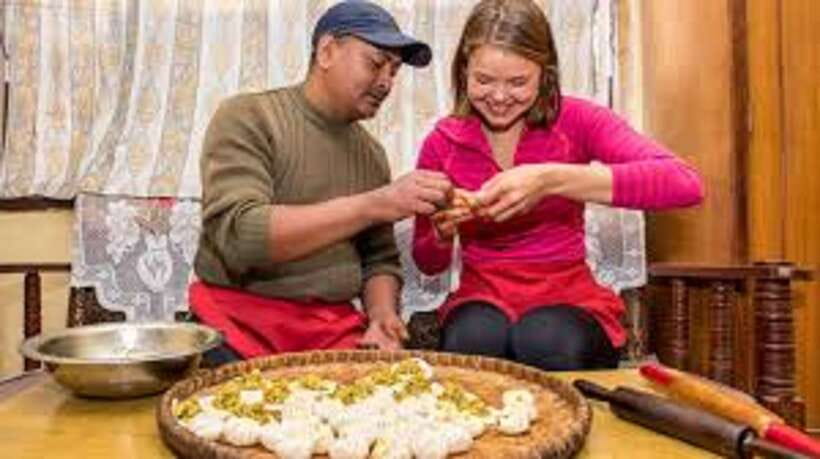
The whole experience is built like a cooking checklist you can actually use later. You’ll start with a quick introduction to what momos are and why they matter in Nepalese food culture, then you move step-by-step into ingredients, tools, dough, filling, shaping, steaming, and finally sauces and tasting.
Timing is tight but not rushed. The class is 3 hours total, which is long enough to learn how to do the basics with your hands, and short enough that you can still enjoy Pokhara afterward. You’ll also be guided through each stage with English and Hindi, so you’re not left guessing what the instructor means by a tiny change in dough thickness or how tightly to seal the pleats.
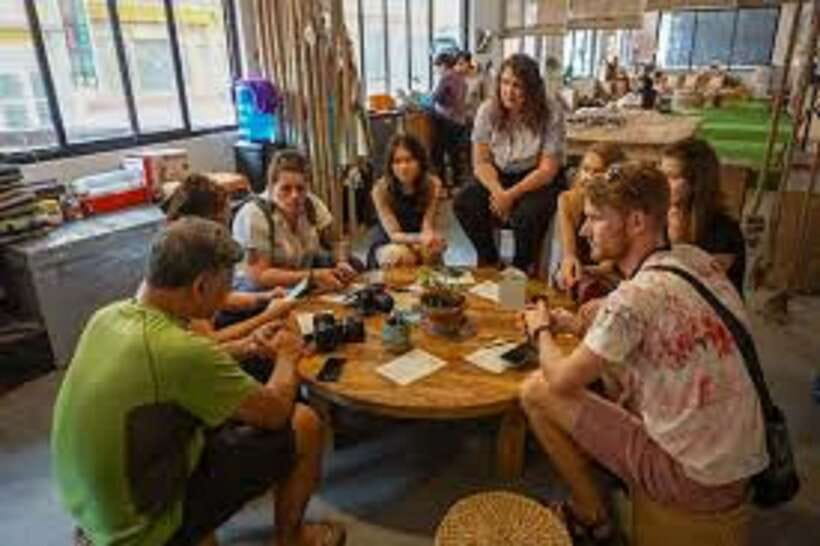
On the logistics side, you’ll be picked up and dropped back at your hotel area in Pokhara (the lakeside). After pickup, you go to a local café for the cooking portion. A cold drink is included, and the momo materials are provided. If you want extra food or drinks beyond the class, that part is available for purchase, not included.
One small practical note: you’ll want to travel light. Large bags and luggage are not allowed, so think day-bag only.
You can also read our reviews of more tours and experiences in Pokhara.

From Momo Basics to Your Filling Choice
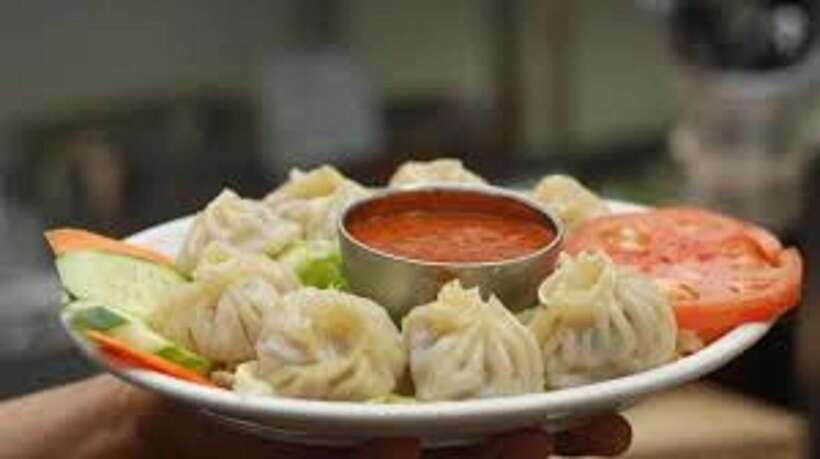
Before anyone touches dough, you’ll get context and a sense of what you’re making. The start is about learning what momos are, plus their cultural significance, not just recipes. Then you’re introduced to the ingredients and equipment you’ll use throughout the lesson, which matters because momos aren’t one-size-fits-all.
The filling part is where you start making decisions. You’ll hear about different options, including vegetarian, chicken, or meat, and the instructor demonstrates how to prepare the filling with your chosen ingredients. Then you get hands-on: you participate in creating your filling rather than watching from the sidelines.
That “choose and cook” approach is a big reason this class works well for most people. If you have dietary preferences, you’re not stuck with whatever the kitchen prepared. And if you’re a first-timer, having multiple filling styles explained keeps you from feeling like you’re doing something overly complicated.
Dough That Actually Works: Kneading, Resting, and Rolling
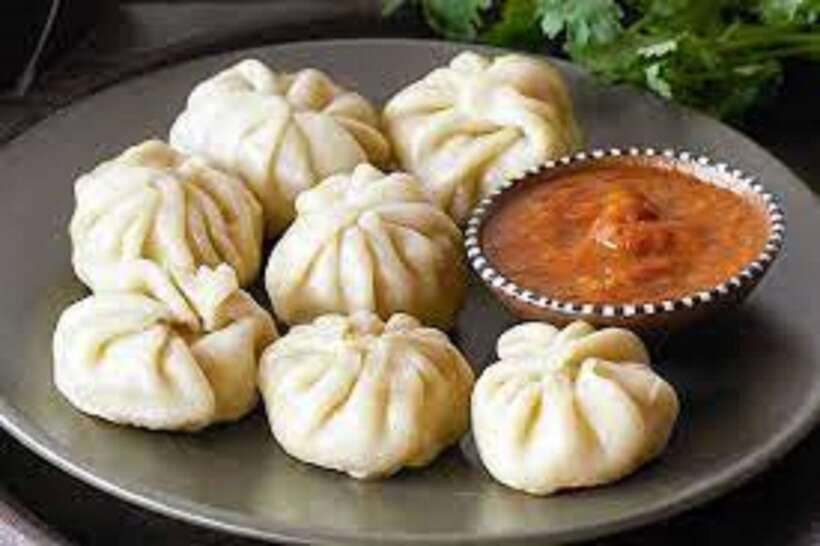
Most people can remember the idea of momo dough. Fewer people remember how the instructor gets it to behave. In this class, you learn the dough ingredients and why they matter, then you follow the steps for kneading and shaping it into workable wrapper dough.
You’ll make your own dough and then let it rest for a few minutes. That rest step is key because it helps the dough relax, so when you roll it out you get smoother wrappers instead of fighting elasticity. In practice, that means your rolling feels more controlled and your wrappers are more likely to be even thickness.
Rolling and shaping is also taught as a technique, not a vibe. You’ll see demonstrations on how to roll out wrappers to the right thickness, because too thick makes dumplings heavy, and too thin tears easily. You’ll practice rolling and shaping your own momos, including different styles.
If you’re thinking about recreating this later at home, this is the part to pay attention to. Getting the dough feel right is what turns momos from a fun attempt into something that consistently resembles the real deal.
Folding Skills: Pleats, Crescent Moons, and Sealing Edges
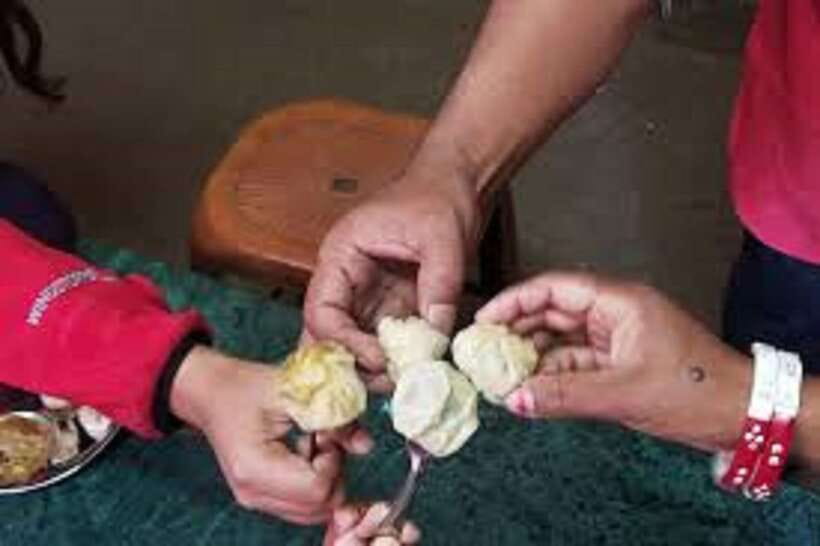
This is the section where the class turns into a skill workshop. You’ll learn the art of folding through demonstrations of traditional pleats and crescent-moon style shapes, then you practice.
Here’s what I think makes this part valuable for you: folding is where mistakes become visible. When your pleats look uneven, you can feel it in the dough. When you overfill, you’ll struggle to seal the edges. When the wrapper thickness is off, it affects how the dumpling holds together during steaming.
You won’t need to be perfect. The point is to learn the logic: how much filling to use, where the seal should be, and how to shape confidently. In smaller, more interactive sessions, you can usually get quick feedback while you’re practicing, which helps you correct problems before the dumplings go into the steamer.
Keep a steady rhythm and don’t rush the sealing. If you want a simple rule, use less filling than you think you need. With momos, neat edges usually come from restraint.
Steaming the Dumplings: Why Cooking Method Matters
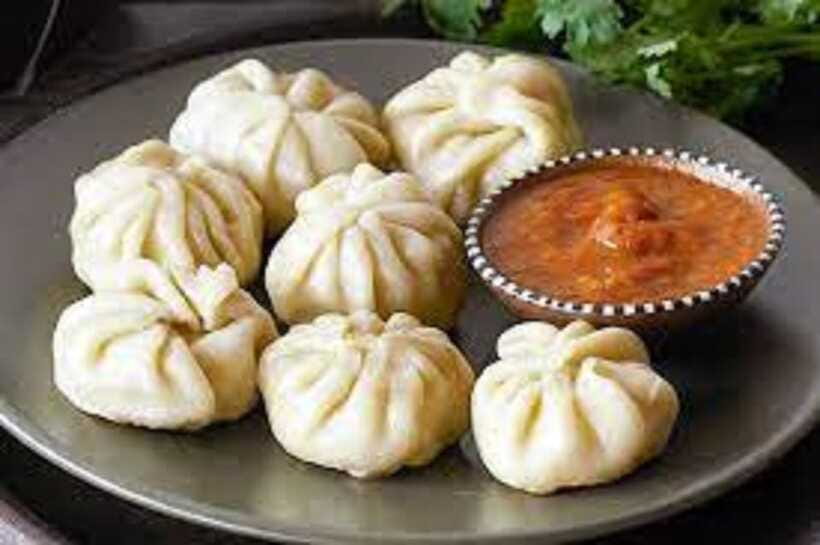
Once your dumplings are folded and shaped, you move into cooking. The class includes instruction on steaming and why it’s essential for momo texture. You’ll get tips on setting up the steamer and preparing it properly, then you’ll steam the momos until they’re fully cooked and tender.
Steaming is the core method taught here, and it’s a great match for first-timers. It’s forgiving: you can focus on cooking through without the risk of burning on the surface. Also, the wrapper-to-filling balance tends to show up clearly when steamed—especially if your dough thickness and seals were close to right.
In at least one small-group experience, momos were steamed and fried as well. If your session includes more than steaming, treat it like an extra lesson, not a separate requirement. Either way, the real takeaway is the same: heat affects wrapper texture, and steaming gives you that soft, tender bite you expect from traditional momos.
Dipping Sauces: Spicy, Mild, and Soy-Based Blends You Can Recreate
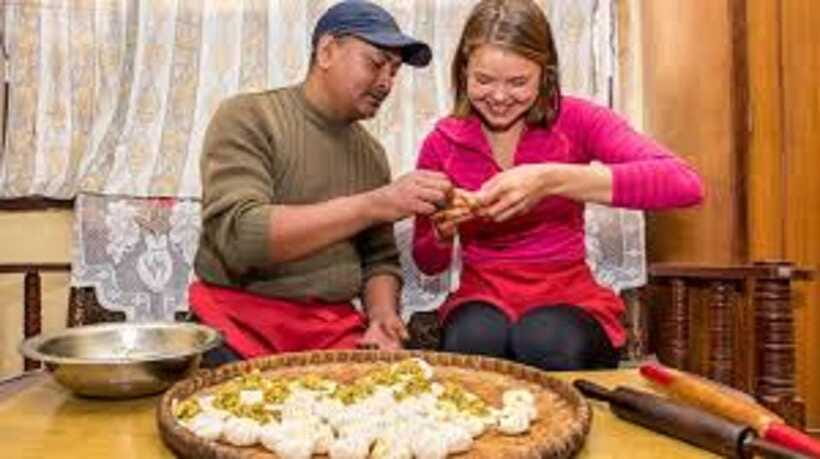
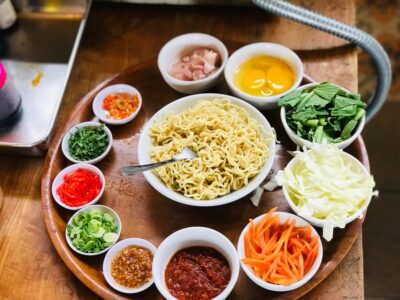
Momos don’t just taste like dough and filling. They taste like sauce. After cooking, you’ll learn about various dipping sauces, including spicy, mild, and soy-based options (plus other variations). Then you’ll see demonstrations on how they’re made, and you create your own sauce to complement your dumplings.
This part is fun in a practical way. It teaches you how sauces balance the rest of the dumpling. If your momos are more savory or rich, you can counter with something sharper or spicier. If you kept your filling milder, a stronger sauce gives you a clear flavor contrast.
Also, making the sauce yourself is what turns this from a “class you enjoyed” into a “recipe skill you can use.” When you get home, you’ll know what you meant to taste and how to adjust heat and salt.
The Tasting and Q&A: Getting Feedback While It Counts
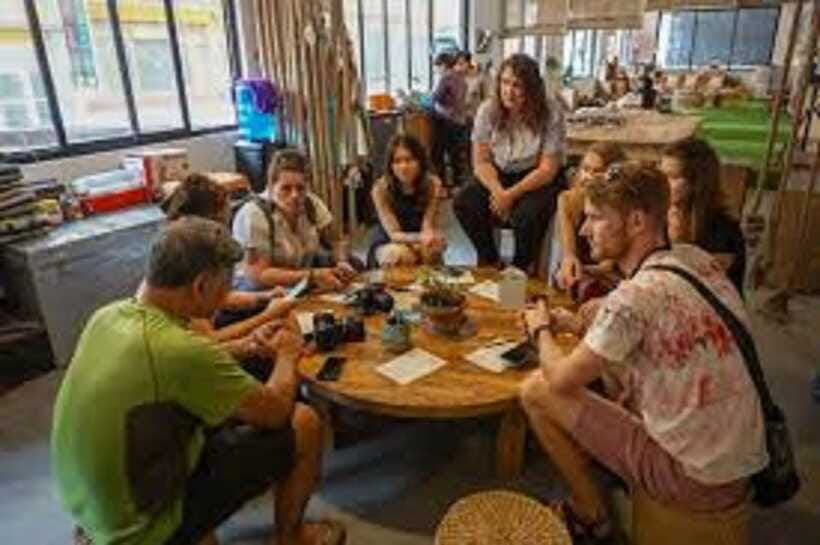
After the cooking comes the best moment: eating what you made. The class gathers for a tasting extravaganza, and the instructor provides feedback while you’re comparing your dumplings—shape, seal quality, and overall doneness.
This feedback is where you learn fast. If a dumpling opens, you understand that the seal wasn’t secure enough. If one dumpling is doughier than the rest, you can connect it to thickness or steaming time. If everything comes out right, you’ll know what choices worked.
Then you’ll wrap with Q&A and a recap. You’ll revisit the key steps and techniques—intro concepts, filling prep, dough kneading and resting, rolling thickness, shaping styles, steaming, and sauce pairing—so the workflow stays in your head instead of evaporating after the meal.
Price and Value: Is $29 a Smart Use of Time?
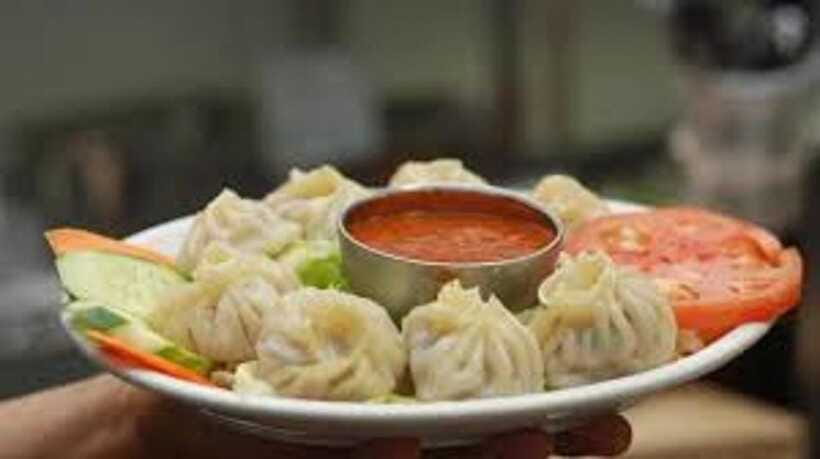
At $29 per person for a 3-hour class, the value comes from what’s included and what you do with your time. You’re not paying only for sitting at a table. You’re paying for:
- Hotel pickup and drop-off within the lakeside area
- A cold drink
- All momo materials (so you don’t need to track down ingredients or tools)
- A structured, hands-on lesson covering dough, filling, folding, steaming, and sauces
- Your own tasting with instructor feedback and Q&A
Many food experiences in Pokhara focus on eating. This focuses on making, and making takes time and guidance. For that reason, $29 feels more like a mini cooking workshop than a casual snack activity.
One thing to plan for: food and drinks beyond what’s part of the class are not included, even though you’re at a café. If you’re the type who likes to linger and order extra, set aside a little extra budget.
Who This Class Suits Best (And Who Might Want Something Else)
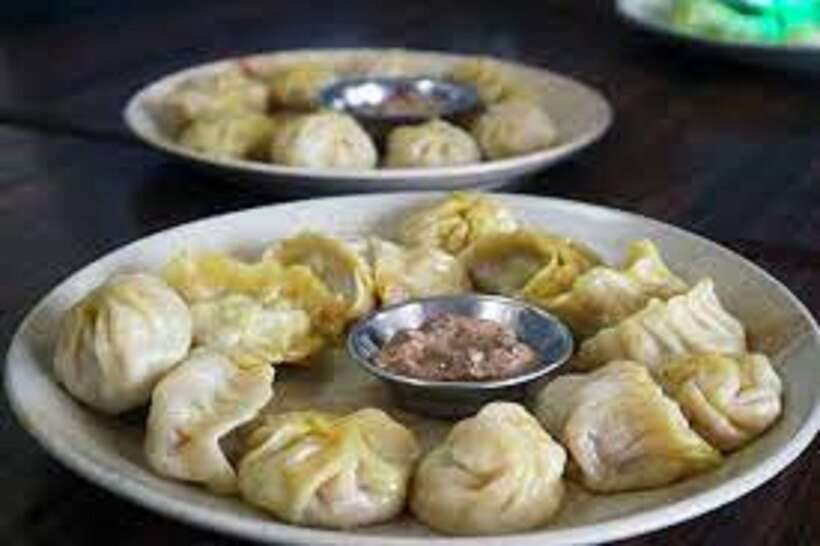
I’d put this class at the top of the list for anyone who wants a practical Nepalese food skill without a huge commitment. It’s ideal if you’re:
- Comfortable trying hands-on cooking with guidance
- Curious about traditional dumpling styles and technique
- Traveling as a couple, friends, or solo and want a smaller, more interactive setting
Because it’s a private group format, it tends to feel more personal and less like a production line. The language support (English and Hindi) also helps you follow along clearly.
You should skip or look for a different activity if you have mobility impairments, since the class is not suitable for that.
Also, because luggage and large bags aren’t allowed, keep your packing minimal. If you’re arriving in Pokhara with heavy gear, plan your storage first.
Should You Book This Pokhara Momo Cooking Class?
If you want a memorable, learn-by-doing food experience in Pokhara, I think you should book this. You’ll come away with more than a full stomach—you’ll understand the workflow well enough to try again later: dough handling, filling prep, folding styles, steaming, and sauce balancing.
Book it especially if you care about technique. The folding and sealing practice is the part that makes the biggest difference to results, and it’s built directly into the 3-hour plan. And because pickup and drop-off are included from the lakeside area, it’s low-stress logistically.
Skip it only if mobility is a concern for you, or if you’d rather spend your time eating rather than cooking. Otherwise, it’s a solid use of a half-day in Pokhara.
FAQ
How long is the Pokhara 3-hour momo cooking class?
The class lasts 3 hours.
Where does the class take place?
It takes place in Pokhara, at a local café where the cooking and food tasting happen.
Is hotel pickup and drop-off included?
Yes. Pickup and drop-off are included, with pickup within the lakeside area.
Are cold drinks included?
Yes. A glass of cold drinks is included per person.
What ingredients and materials are included?
All momo cooking materials are included for making the dumplings.
Is food or extra drinks included?
Food and drinks beyond what’s part of the class are not included. They are available for purchase.
What fillings can I choose from?
The class includes filling options such as vegetarian, chicken, or meat.
What languages are the instructors?
The instructor speaks English and Hindi.
What should I bring?
You should bring a passport or ID card.
Is the class suitable for people with mobility impairments?
No, it is not suitable for people with mobility impairments.