Pokhara’s kitchen lessons start with your hands. This 3-hour Thakali cooking class turns a simple meal into a close-up look at how local families build flavor using spices, everyday vegetables, and tried-and-true technique. I like that you get real hands-on cooking instead of just watching, and I also like how the class focuses on a practical signature dish such as Dal Bhat or similar Thakali specialties you can recreate at home.
The one thing to plan for is appetite and heat: Thakali cooking uses a lot of spices, and you’ll finish with lunch, so skipping a full breakfast beforehand is a smart move.
In This Review
- Key Things You’ll Notice Right Away
- Thakali Cooking in a Real Family Kitchen (Not a Lecture)
- Getting There Smoothly: Hotel Pickup and a Private-Group Ride
- The Warm Welcome: What You Learn Before the Stove Starts
- Hands-On Steps: Chopping, Stirring, and Using the Right Tools
- The Cooking Techniques That Make Thakali Flavor Click
- The Signature Dish: Dal Bhat-Style Balance and Why It Matters
- Lunch Included: Soft Drinks, Big Portions, and a Real Finish
- Who Should Book This Thakali Class in Pokhara
- Price and Value: Why $45 Feels Fair Here
- Small Practical Tips to Make Your 3 Hours Easy
- Should You Book This Thakali Cooking Class?
- FAQ
- Where does this Thakali cooking class take place?
- How long is the cooking class?
- Is hotel pickup and drop-off included?
- Do I cook, or is it just a demonstration?
- What food is included with the class?
- What dish will you learn to cook?
- Is it private, or will I be mixed with other groups?
- Is free cancellation available?
Key Things You’ll Notice Right Away
- Family-led, English-friendly teaching from an experienced cooking family chef
- Pickup and private round-trip transfer by car from your hotel area
- A true hands-on format with chopping, stirring, and tasting as you go
- Local spice and utensil technique that explains how Thakali flavor is built
- Lunch with soft drinks included, not just a snack at the end
Thakali Cooking in a Real Family Kitchen (Not a Lecture)
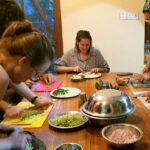
This experience is built around one core idea: you learn food by doing food. In a Thakali home-style kitchen, you’re not stuck at a distance from the action. You’re there to work the ingredients, follow the steps, and understand why certain flavors go together.
The class centers on Thakali culinary heritage—known for aromatic spices and wholesome ingredients—and you’ll get that explanation in everyday terms. Think: what the spices are doing, when to add them, and how the dish changes as it cooks. If you like meals that are both comforting and punchy, this approach makes sense.
Another plus is the tone. The best parts of the experience feel relaxed and welcoming, with instructors who are patient and quick to help you stay confident at the stove. In past sessions, chefs named Sanva and Shanta (plus family support from a cousin) have led classes, and other instructors like Roma and Rita have taught as well—so you’ll usually be in friendly, practiced hands.
You can also read our reviews of more tours and experiences in Pokhara.
Getting There Smoothly: Hotel Pickup and a Private-Group Ride
Pokhara traffic can be a surprise, so I’m glad this class handles the hard part for you: hotel pickup and drop-off. You’ll use a private car for the round trip transfer, which makes the whole thing feel easy to plug into your day.
The time window is about 3 hours, and it’s long enough to learn real steps without turning into a full-day commitment. Because the tour is private in the sense that it’s only your group, it tends to feel more personal than a large group “line-up-and-wait” setup. That matters if you want to ask questions about spice levels or ingredient swaps.
If you’re hoping to fit this between sightseeing stops, the pickup service is a big advantage. You don’t have to manage directions, parking, or timing on the fly—you can just plan to be ready at your hotel when they collect you.
The Warm Welcome: What You Learn Before the Stove Starts
Right when you arrive, you’ll get an introduction to Thakali cuisine—what it is known for, and how it uses rich flavor without being complicated. You’ll talk through the ingredients and the role of spices, which sets you up to cook with understanding, not just steps.
This front-loaded orientation is useful because it prevents the common cooking-class problem: you memorize instructions but don’t know why you’re doing them. Here, the teaching focuses on balance—how flavors come together and why certain additions land at specific times.
You’ll also learn about the tools and methods that are part of Thakali cooking traditions. Even if you’re not familiar with Nepalese kitchens, that context helps. It turns the session into a small cooking lesson you can carry forward.
Hands-On Steps: Chopping, Stirring, and Using the Right Tools
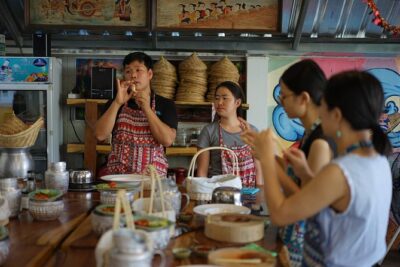
Once you’re in the kitchen, you roll up your sleeves for a genuine hands-on session. The experience is designed so you don’t just stand and watch. You’ll be doing tasks like chopping vegetables and working through the dish step-by-step with guidance from the chef.
A standout detail is that the class isn’t overly rigid. You can see how instructors move around their kitchen efficiently, and you can follow along without feeling rushed. One of the best practical habits you’ll pick up is how spices are kept organized. That sounds small, but it’s the difference between cooking calmly and feeling frantic when the moment to add something arrives.
You’ll also use local ingredients rather than imported “teaching props.” In past sessions, the veggies used have been described as ones the family grows or uses from the area, which gives the class a real local feel. Even if you’ve never cooked Nepalese food before, you’ll get a sense of what’s available in Pokhara kitchens and why those choices matter.
The Cooking Techniques That Make Thakali Flavor Click
Thakali dishes are built with technique as much as they are built with ingredients. This class highlights cooking techniques specific to Thakali cuisine, including how local spices are used and how traditional utensils and methods influence the final taste.
What you should pay attention to while you cook:
- When spices go in and how the aroma changes as the cooking progresses
- How the mixture looks and smells as it thickens or simmers
- How you balance the dish so it doesn’t lean too heavy in one direction
This is where the class becomes more than a fun activity. It teaches you an internal “flavor logic,” so you can understand why a dish tastes the way it does. That’s a valuable skill if you plan to eat Nepalese food while you’re in Pokhara and want to know what you’re tasting.
If you’re the type who likes to cook at home, this is the part that will stick with you long after the meal is finished.
The Signature Dish: Dal Bhat-Style Balance and Why It Matters
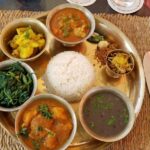
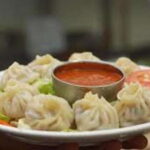
Your class focuses on one signature Thakali dish. The example given is Dal Bhat, but you’ll also have the option of other traditional Thakali specialties depending on what the class is preparing that day.
What makes this portion valuable is the focus on flavor balance. Thakali food is known for satisfying, spice-forward meals where the different components work together instead of competing. Dal Bhat-style meals tend to center comfort (rice and lentil) while adding depth through spices, vegetables, and sides.
During the process, you’ll get chances to taste as the dish develops. That’s important. You’re not guessing. You can adjust your understanding in real time based on what the dish is becoming.
If your goal is to learn Nepali home cooking rather than just produce a finished plate, the taste-through method is the right approach. It helps you connect cooking steps to results.
Lunch Included: Soft Drinks, Big Portions, and a Real Finish
The class ends with lunch included, along with soft drinks. This matters because you’re not leaving hungry or forced to find food right after cooking. You get to sit with what you made and eat it while it’s at its best.
Also, plan your morning accordingly. Several people suggest not eating breakfast beforehand, because you’ll have plenty to eat by the end. Even if you don’t follow that exactly, it’s a good cue: expect the class to become a proper meal, not a light tasting.
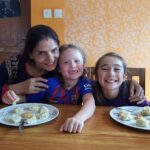
If you’re traveling as a couple or with a child, this format can work well. One past student enjoyed the session with an eight-year-old daughter, which suggests the teaching style can be friendly and fun, not just intense cooking chemistry.
Who Should Book This Thakali Class in Pokhara
This is a great fit if you want food that feels local and lived-in. You’ll enjoy it most if you like hands-on activities, enjoy spices, and want to learn a Nepalese dish beyond the tourist version.
You’ll especially like it if:
- You want to cook with a family chef and learn the “how,” not just the “what”
- You’re comfortable asking questions about ingredients and steps
- You’d rather do one meaningful activity well than bounce between many fast stops
You might consider another option if you don’t handle spicy food well, because Thakali cooking uses a lot of spices. Also, because lunch is included and portions can be substantial, you’ll want to plan your day so you’re not arriving already full.
Price and Value: Why $45 Feels Fair Here
At $45 per person for about 3 hours, the value comes from what’s included, not just the headline price. You’re getting:
- Hotel pickup and drop-off
- Round-trip private car transfer
- An English-speaking experienced cooking family chef
- All ingredients and utensils
- Lunch with soft drinks
In many places, a “cooking class” is mostly demonstration with minimal time at the stove. Here, the hands-on setup plus the included meal makes the price feel more realistic. You’re paying for instruction, ingredients, utensils, and a proper lunch—not just entertainment.
If you’re comparing against other paid food experiences in Pokhara, the transfer and lunch inclusion often changes the math quickly. This is one of those activities where you may spend less overall because you’re not also paying separately for transport and a late meal.
Small Practical Tips to Make Your 3 Hours Easy
A few simple steps will help you enjoy the process more:
- Arrive hungry, but not too hungry. Skipping breakfast is a smart move, but don’t show up with an empty stomach that makes it hard to participate.
- Wear clothes you can get slightly messy. Kitchens are kitchens, and chopping and stirring are part of the deal.
- Ask how spice balance works. If you take one thing home, make it the flavor logic: when to add spices and how to tune the dish.
- Bring curiosity, not perfectionism. The class is about learning steps and technique, not producing a restaurant-level copy on your first try.
And if you’re traveling with someone who’s picky about strong flavors, you’ll do best by being upfront before you cook. That way, you can manage your personal spice comfort as the meal develops.
Should You Book This Thakali Cooking Class?
Book it if you want an authentic Pokhara experience that’s both practical and genuinely fun. The big strengths are clear: hands-on cooking in a family kitchen and a dish-focused lesson built around Thakali flavors like Dal Bhat-style balance. Add hotel pickup, private transport, and lunch, and the experience becomes easier to justify.
Skip it or choose carefully if you avoid spicy food or prefer eating out over cooking. But if you’re game to work with ingredients, taste the dish while it cooks, and learn how spice and technique create a balanced Thakali meal, this is the kind of activity that gives you more than a photo. You leave with knowledge you can use the next time you cook at home.
FAQ
Where does this Thakali cooking class take place?
The experience takes place in Pokhara, Nepal.
How long is the cooking class?
It lasts about 3 hours.
Is hotel pickup and drop-off included?
Yes. Hotel pickup and drop-off are included, along with round-trip transfer by private car.
Do I cook, or is it just a demonstration?
It’s hands-on. You actively participate in preparing a signature Thakali dish.
What food is included with the class?
Lunch is included, along with soft drinks.
What dish will you learn to cook?
The class focuses on a signature Thakali dish, such as Dal Bhat or other traditional specialties.
Is it private, or will I be mixed with other groups?
It’s private in the sense that only your group participates.
Is free cancellation available?
Yes. You can cancel for a full refund up to 24 hours in advance of the experience start time. If you cancel within 24 hours, the amount paid is not refunded.