REVIEW · POKHARA
Nepalese Momos or Dal Bhat Cooking Class (Cook with Delight)
Book on Viator →Operated by Cook With Delight · Bookable on Viator
Fresh momos start with your own hands. In Pokhara, this small cooking workshop lets you make Nepali comfort food from scratch with a local family at Hotel Diplomat, a quick walk from Phewa Lake. It is capped at five guests, so you get real back-and-forth instead of standing on the sidelines.
I love how practical the instruction is, with detailed technique tips for shaping momos and answering questions as you work. I also love that the class gives you a printed recipe and a home-cooked meal, plus complimentary soft drinks and water, so you are not just tasting once—you have a path to cook again later.
One catch: you choose either the lunchtime dal bhat workshop or the evening momos workshop.
In This Review
- Key Points to Know Before You Go
- Pokhara Cooking Class at Hotel Diplomat: Small Group, Hands-On Real Nepal
- Pick Your Session: Dal Bhat at Lunch or Momos in the Evening
- Inside the Class: Printed Recipe, Step-by-Step Cooking, and Technique That Matters
- Momos: You Learn the Shape, Not Just the Filling
- Dal Bhat: A Comfort-Food Rhythm You Can Repeat
- Small-Group Pace Means You Can Ask Questions
- Your Home-Cooked Meal: What’s Included and Why It’s More Than a Bonus
- Where to Meet Near Phewa Lake: Central Pokhara Makes the Class Easy
- Pricing and Value: What $50 Buys You in a 2-Hour Skill Lesson
- Who This Class Suits Best (and When It Might Not)
- Should You Book This Nepalese Momos or Dal Bhat Workshop?
- FAQ
- Where does the class take place?
- How long is the workshop?
- Which dishes can I choose from?
- What is the group size limit?
- What is included in the price?
- Do I receive any recipe material?
- What is the cancellation window?
Key Points to Know Before You Go
- Pick your dish and your time slot: lunch for dal bhat or evening for momos
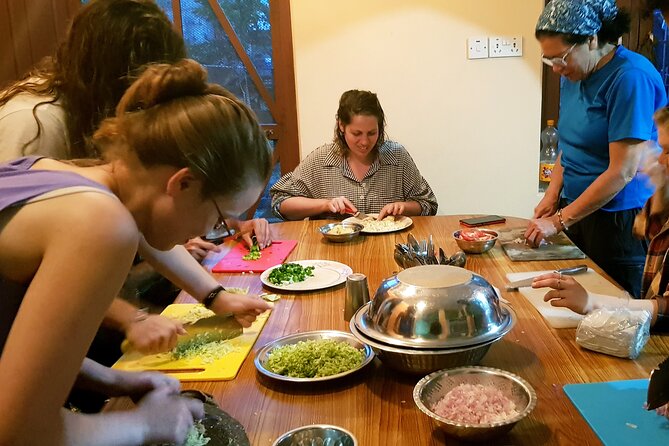
- Max 5 people means hands-on help while you form dumplings or cook the dal set
- Hotel Diplomat location is under 10 minutes on foot from Phewa Lake
- You start with a printed recipe so you can follow along and replay it later
- Meal + soft drinks/water included after you finish cooking
Pokhara Cooking Class at Hotel Diplomat: Small Group, Hands-On Real Nepal
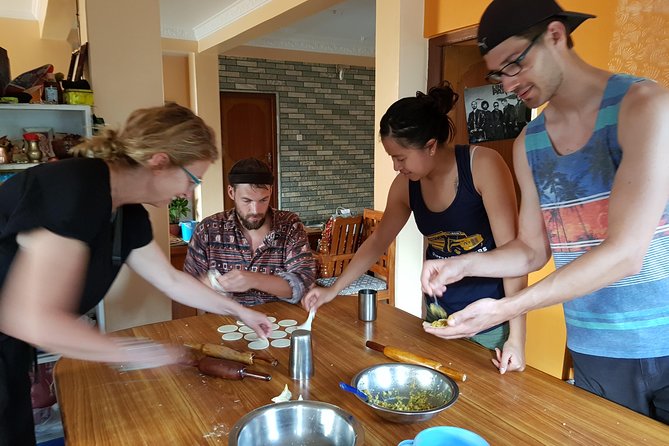
If you want Nepali food that feels personal, this is the kind of activity that actually gives you skills, not just photos. The class runs in a home-cooking style at Hotel Diplomat in Pokhara, and it is small by design—no crowding, no awkward waiting for your turn.
What makes it work is the way the kitchen teaching stays close to what you’re doing. A chef walks you through the steps, starting from the basics and moving toward the exact technique that makes momos hold together. And since the group is capped at five, you can ask questions without feeling rushed.
If you care about authentic food, the format matters. Dal bhat and momos are not just dishes here—they are daily comfort food. Learning them the hands-on way means you pick up the logic behind the flavor, not only the final result.
You can also read our reviews of more tours and experiences in Pokhara.
Pick Your Session: Dal Bhat at Lunch or Momos in the Evening
This workshop gives you a clear choice, and it shapes the whole experience. You can sign up for either:
- a lunchtime dal bhat class, or
- an evening momos class
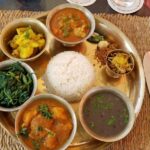
Dal bhat is the rice-and-lentil foundation of Nepali meals. Momos are steamed dumplings, often the first thing people fall for when they arrive. Since you can only pick one option per booking, plan your timing based on what you want to learn more deeply.
If you are visiting for a short stay and you love variety, choose the dish that you actually want to eat again at home. If you are a dumpling person, the momos session will feel like a skill upgrade. If you prefer warm, grounding bowls, dal bhat is a great match.
Inside the Class: Printed Recipe, Step-by-Step Cooking, and Technique That Matters
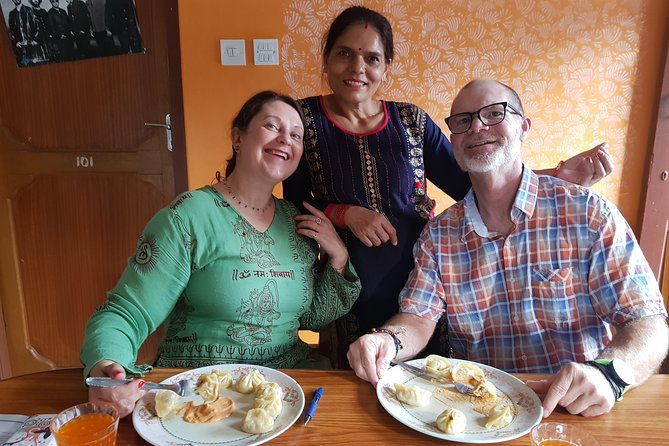
The class begins on the ground floor of Hotel Diplomat. You get a printed recipe right away, which is a big deal in a cooking class. It helps you follow the flow of steps while your hands are busy, and it makes the whole thing easier to repeat later.
From there, the chef leads you through either:
- making the momos from scratch, or
- cooking a Nepali dal bhat set (rice plus lentils and the usual supporting parts of a dal bhat meal)
Momos: You Learn the Shape, Not Just the Filling
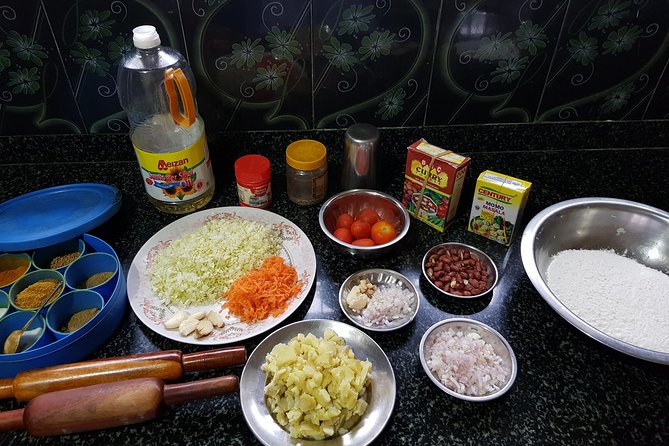
Momos sound simple until you try forming them. The teaching focuses on technique details—think finger and thumb placement, grip pressure, and how to work the dough so you end up with dumplings that steam well. That kind of instruction saves you from the usual guesswork.
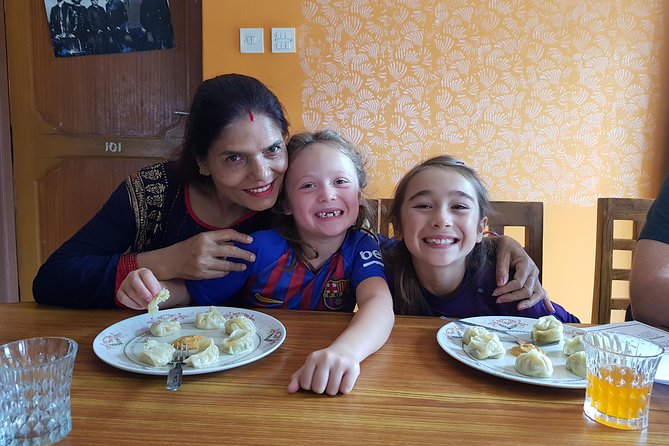
A practical bonus: your momos do not have to look perfect for you to understand what went right. One of the best vibes here is that your creations can be wonderfully imperfect, because you are learning the process, not chasing a rigid standard.
Dal Bhat: A Comfort-Food Rhythm You Can Repeat
Dal bhat is all about consistency. You learn how the lentils and rice fit together, and how the cooking steps come in a sensible order. Instead of just hearing tips, you are guided through the work as you do it.
This session is a strong pick if you want something you can cook after your trip without needing a lot of fancy gear. It is also a nice way to understand why dal bhat sits at the center of so many Nepali meals.
Small-Group Pace Means You Can Ask Questions
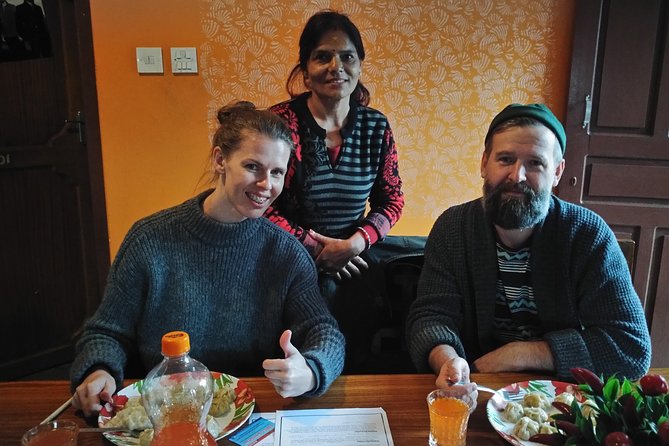
With only up to five travelers, you can actually ask things. Reviews highlight a friendly father/son teaching style, enthusiastic explanations, and a willingness to answer questions while you work. Even if you are quiet, you’ll likely feel supported because the pace stays more human.
In one example, a host named Sandhya taught a session featuring veg momos. That matters because it shows how varied the class can be—still the same core dumpling skill, but with a recipe approach that you might not have seen elsewhere.
Your Home-Cooked Meal: What’s Included and Why It’s More Than a Bonus
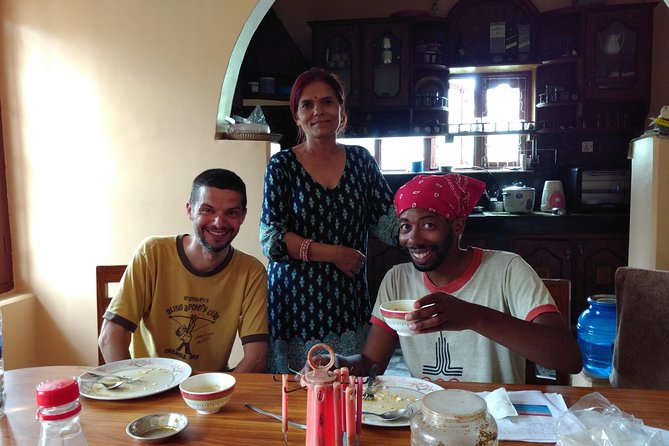
After cooking, you sit down and eat the meal you made. That is the whole point, and it’s also where value shows up.
You get:
- a home-cooked meal
- complimentary soft drinks and water
That combination is simple, but it helps you avoid the common problem with cooking classes: you end up spending your own money later just to feel satisfied. Here, the meal is part of the experience design, not an afterthought.
Just as important, you get to eat what you cooked while the technique is fresh in your mind. It makes the lesson click. You can look at your dumplings or your dal bhat and think, okay, that was the effect of those steps.
Where to Meet Near Phewa Lake: Central Pokhara Makes the Class Easy
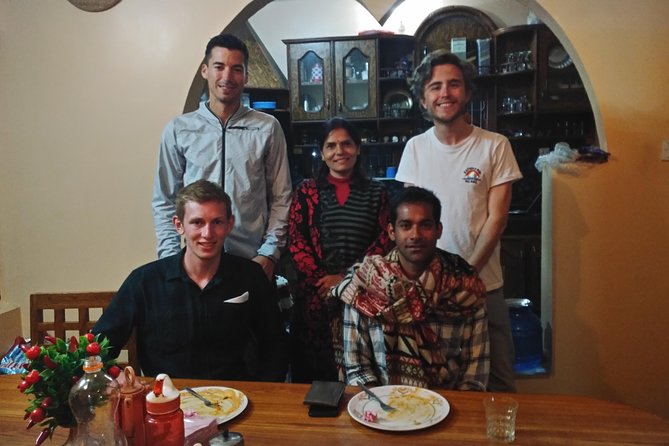
Meet-up is at Hotel Diplomat on Pragati Marga, Pokhara 33700. The good news is location. The hotel sits less than 10 minutes on foot from Phewa Lake, which makes it easy to fit into a day without a long commute.
This kind of central meeting point also helps if you are walking around Pokhara. You can see the lake area and then head straight to the class without building in extra transport time.
The class starts on the ground floor of the hotel, so you do not need to hunt for a hidden venue. When you arrive, there is printed recipe prep and then you jump into the cooking steps.
Pricing and Value: What $50 Buys You in a 2-Hour Skill Lesson
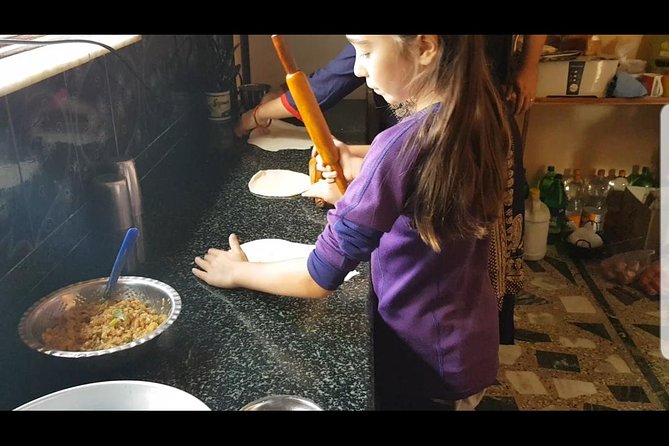
At around $50 for roughly 2 hours, this class can feel either like a deal or a splurge depending on how you travel. Here is how I’d judge the value.
You are not paying for a show. You are paying for:
- a small group size (max five),
- hands-on instruction,
- a printed recipe to take home,
- and a full meal with soft drinks and water included.
A bigger group class can turn into a passive experience fast. Here, the cap keeps your attention on your own dumplings or pot. If you want a skill you can repeat, the personalized pace is a big part of the cost being fair.
Also, you get to choose your dish. Dal bhat and momos are both major Nepali staples. Learning one well is useful. Learning momos well is especially satisfying because steamed dumplings are not a random hobby—you can share them with family and friends.
So yes, $50 is not nothing. But for a focused, hands-on Pokhara experience near Phewa Lake, it is a strong value if you show up ready to cook and ask questions.
Who This Class Suits Best (and When It Might Not)
This workshop is a great match if you:
- want a home-cooking style experience in Pokhara, not a tourist-only demo
- like structured teaching while your hands are moving
- want a dish choice that fits your mood (dal bhat at lunch, momos in the evening)
- care about learning technique, especially for momos
It may feel less ideal if you:
- want both dishes in one session (you pick one option per booking)
- are looking for a long, deep cooking immersion (the session is about 2 hours, so it stays practical and timed)
Should You Book This Nepalese Momos or Dal Bhat Workshop?
I’d book it if you want more than a meal—you want a repeatable cooking memory. The best reason is the combination of small group teaching and hands-on technique, especially for momos shaping. Add in the central Hotel Diplomat location near Phewa Lake, plus the printed recipe and the included meal, and it becomes an easy yes for most food-minded travelers.
Skip it only if you dislike cooking classes or you cannot commit to either dal bhat or momos for your chosen time slot. If you like the idea of learning the method behind Nepali comfort food, this one is worth your time in Pokhara.
FAQ
Where does the class take place?
The class starts at the ground floor of Hotel Diplomat in Pokhara, at Pragati Marga, Pokhara 33700, Nepal.
How long is the workshop?
It lasts about 2 hours.
Which dishes can I choose from?
You can choose between a lunchtime dal bhat workshop or an evening momos workshop.
What is the group size limit?
This activity has a maximum of 5 travelers.
What is included in the price?
You get a home-cooked meal, plus complimentary soft drinks and water.
Do I receive any recipe material?
Yes. The class begins with a printed recipe on your hand.
What is the cancellation window?
Free cancellation is available up to 24 hours in advance of the experience for a full refund.