REVIEW · OSAKA
Enjoy artistic TEMPURA Cooking Class
Book on Viator →Operated by Sakura Cook · Bookable on Viator
Tempura in Osaka gets hands-on fast. This small-group cooking class has you making dashi from scratch and learning how to handle tempura prep step by step, then eating it all at the end. You’ll cover six types of tempura in one smooth 2-hour session, with a group capped at eight people.
I love two things right away: the class starts with traditional Japanese broth (dashi), not just frying, and you get to cook four vegetable tempura plus two seafood styles, including one big shrimp. I also like that you get recipes to take home, so the lesson doesn’t vanish the moment you step back onto the street.
One thing to consider: the menu includes seafood tempura, so if seafood is a hard no for you, check ahead before booking. Also, it’s only about two hours—great for a focused taste of cooking, but not a long culinary deep weekend.
In This Review
- Key things to love about Sakura Cook’s Tempura Class
- Why This Tempura Class Works in Osaka
- From Apron On: Making Dashi Like a Real Japanese Base
- Your Tempura Lineup: 4 Vegetables, 2 Seafood, Including One Big Shrimp
- The Kitchen Time: What It Feels Like in a Small Group of Eight
- What You Eat at the End: Tempura, Rice, Chilled Tofu, and Itadakimasu
- Lunch or Dinner Choice: Fitting This Into Your Osaka Day
- Price and Value: What $70.79 Gets You (and Why It Adds Up)
- Meeting Point in Nishi Ward: How to Show Up Without Stress
- Who Should Book This (and Who Might Skip It)
- Should You Book Sakura Cook’s Tempura Class?
- FAQ
- How long is the cooking class?
- What is the group size for this tempura class?
- What will I cook during the class?
- Do I eat the food I prepare?
- Can I choose lunch or dinner?
- Where do I meet the class?
- Will I receive a mobile ticket?
- What’s the cancellation policy?
Key things to love about Sakura Cook’s Tempura Class
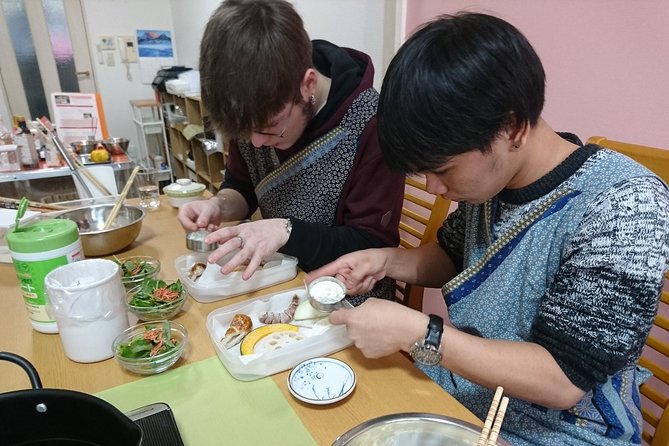
- Dashi first, so you learn the flavor foundation before the frying
- Six tempura types in one session: 4 vegetable and 2 seafood (big shrimp included)
- No overcrowding with a maximum of eight people
- You eat everything you make, served with steamed rice and chilled tofu
- Take-home recipes so you can repeat it later without guesswork
- Mobile ticket and a meeting point near public transportation
Why This Tempura Class Works in Osaka
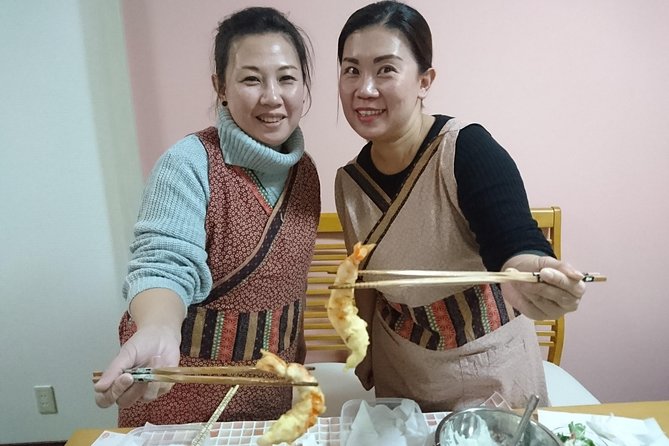
Osaka is famous for food, but this class is different because it doesn’t just feed you. You’re actively building the meal—starting with dashi, then moving into tempura prep and cooking. It feels like real practice, not a performance where you stand back and watch.
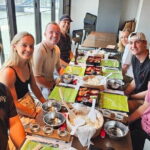
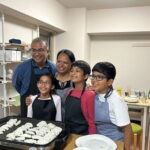
The small group size matters more than you might think. With up to eight people, you can actually ask questions and keep your station moving. If you’ve ever been stuck in a big class where nobody sees you, this is the opposite vibe.
And yes, you do eat what you make. That’s a big part of the value because the class ends as a meal, not a snack and a polite goodbye.
You can also read our reviews of more tours and experiences in Osaka.

From Apron On: Making Dashi Like a Real Japanese Base
The class starts by putting you in apron mode, then jumping straight into traditional dashi broth. Dashi is one of those “quiet” flavors that shows up everywhere in Japanese cooking, and learning the basics gives you a tool you can use beyond tempura day.
You’ll be guided step by step while the instructor shows you how to make savory dashi and shares tips for making a nicely done soup. Even if you don’t consider yourself a confident cook, you’re not left to figure it out from scratch. The point is to get you producing something you can taste and understand.
A practical reason to love this start: if you build the base well, everything around it tastes more “complete.” Tempura can be delicate, but the broth side brings comfort and balance to the whole experience.
Your Tempura Lineup: 4 Vegetables, 2 Seafood, Including One Big Shrimp
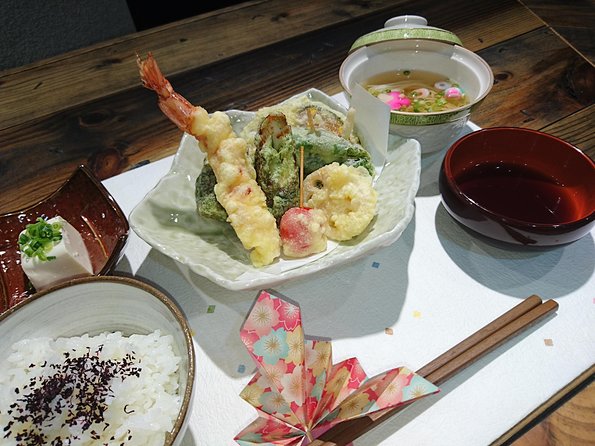
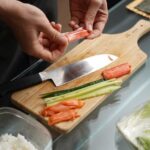
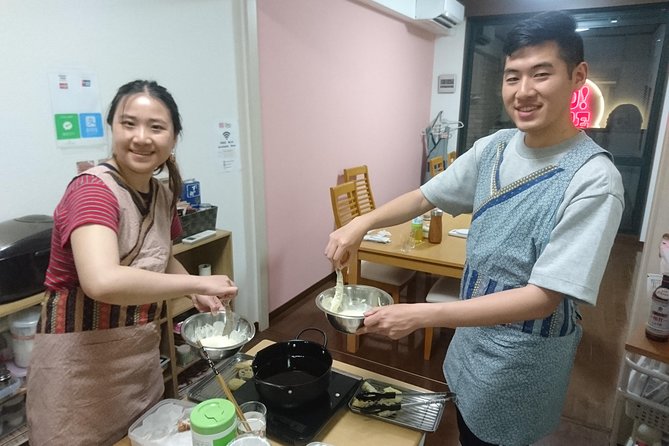
After dashi, the class moves into the fun part: prep and cooking for tempura. You get kitchen knives and chopping boards provided, which is a relief if you don’t want to carry gear through Japan.
You’ll make four types of vegetable tempura and two seafood tempura, including one big shrimp. That variety is ideal for travelers because you get a fuller picture of tempura than just one safe, repeatable option.
It’s also a smart setup for learning. Vegetable tempura tends to be all about texture and crispness, while seafood adds a different challenge in handling and flavor. By the time you finish, you’ve practiced two different categories rather than one.
If you’re a seafood fan, this is the section to look forward to most. If seafood isn’t your thing, remember the plan includes seafood tempura as part of the session.
The Kitchen Time: What It Feels Like in a Small Group of Eight
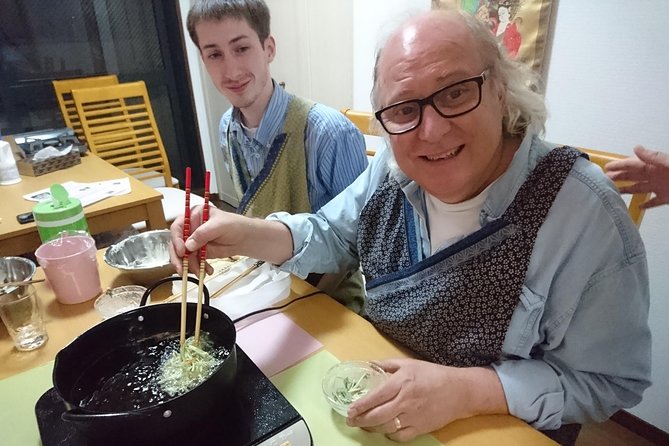
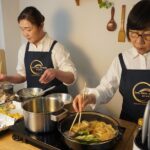
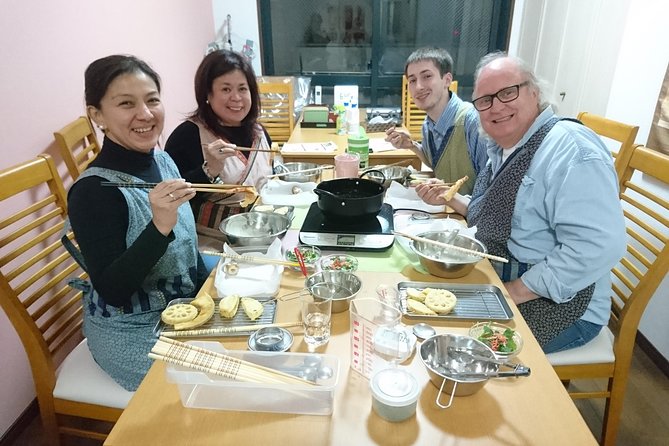
This is a max-8 class, and you’ll feel that in how the session flows. You’re not waiting behind a crowd, and you’re more likely to get real attention while chopping, prepping, and cooking.
The structure also helps. The instructor guides you step by step from dashi into tempura prep, so your brain isn’t switching tasks every 15 seconds. It’s the kind of pacing that works well when you’re in a foreign kitchen and still want confidence.
Also, the class provides what you need at the counter—knives and chopping boards—so you’re not dealing with the hassle of borrowing equipment or working around missing tools. Small detail, big stress saver.
What You Eat at the End: Tempura, Rice, Chilled Tofu, and Itadakimasu
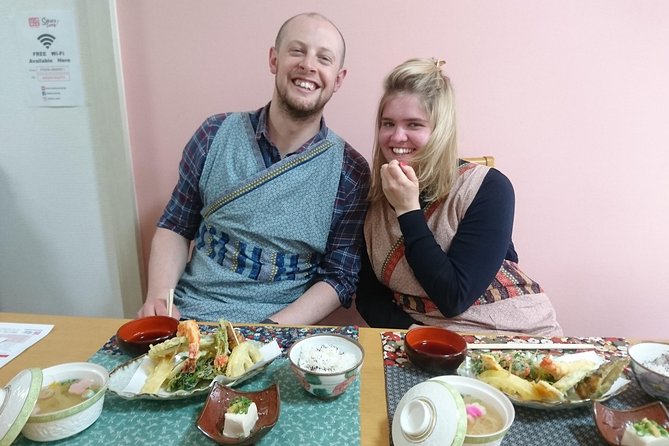
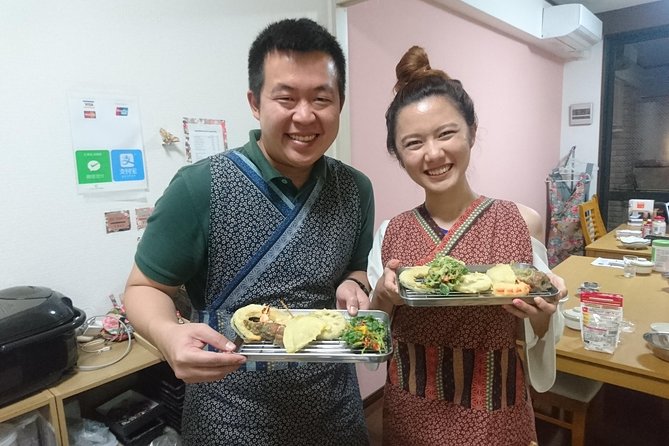
At the end, you’ll plate your dishes and enjoy the meal you made. The class includes chopsticks, and you’ll say Itadakimasu before eating—an easy cultural moment that also signals the practical end of the cooking work.
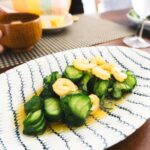
Your plate isn’t just tempura and nothing else. It comes served with steamed rice and chilled tofu. That mix is useful to know because it shows how Japanese meals often balance fried items with calmer textures and flavors.
Eating everything you prepare is one of the biggest highlights for a reason: it turns the class into a complete experience rather than a cooking exercise that ends at the stove. If you want to go beyond learning technique and actually understand how it tastes when served, this format delivers.
Lunch or Dinner Choice: Fitting This Into Your Osaka Day
You can choose either a lunch or dinner experience. That matters because tempura is great at different times, and your best plan depends on where you’re already headed in Osaka.
If you’re touring during the day, lunch can keep your energy up without pushing too late. If you like building your day around food, dinner may feel more like the grand finale.
Either way, the duration is about 2 hours, so it’s short enough to slot into a busy itinerary. Just plan your schedule with travel time to the meeting point.
Price and Value: What $70.79 Gets You (and Why It Adds Up)
The price is $70.79 per person, and the class runs about 2 hours. On paper, that sounds like a “paid activity.” In practice, it’s more like you’re paying for instruction, ingredients, and a full meal you make yourself.
Here’s what you’re getting for the money:
- Dashi production from the start
- Six tempura types (4 vegetable, 2 seafood)
- Tools provided for cutting and prep
- Everything you cook is served and eaten
- Recipes to take home so you can repeat what you learned
That last point—recipes you can take home—is the quiet value booster. A cooking class is only truly “worth it” if you can do something again later without hunting for instructions. In this case, you’re leaving with a way to recreate the experience.
If you’re already a foodie who likes technique, this class is a strong deal. If you’re strictly sightseeing and want passive activities, it may feel like a commitment. But for hands-on travelers, it’s a fair match.
Meeting Point in Nishi Ward: How to Show Up Without Stress
The meeting point is listed at 1-chōme-17-20 Kitahorie, Nishi Ward, Osaka, 550-0014, Japan. It ends back at the meeting point, so you’re not dealing with a complicated route at the end of the class.
The class is near public transportation, which is exactly what you want in Osaka. You can plug it into your day without committing to a taxi ride or a long walk you didn’t plan.
You’ll also get a mobile ticket, which is convenient if you’re already traveling light and relying on your phone for reservations.
Who Should Book This (and Who Might Skip It)
This cooking class fits best if you want an authentic, hands-on Osaka experience that ends in a real meal. You don’t need to be a confident home cook. You do need to be willing to chop, cook, and eat what you make.
Book it if:
- You want to learn more than just one tempura type
- You’re curious about dashi, not only frying technique
- You like small groups where you can get questions answered
- You want recipes to repeat later
Consider skipping or checking first if:
- You avoid seafood (the session includes seafood tempura)
- You prefer longer classes or full-day experiences rather than about 2 hours
If you’re doing a food-heavy itinerary, this can be a highlight because it’s practical. It also gives you a story you can tell later—because you didn’t just taste it, you made it.
Should You Book Sakura Cook’s Tempura Class?
I’d book it if you’re in Osaka and you want a compact, high-satisfaction food experience. The combination of dashi + six tempura types + eating everything + take-home recipes is exactly the recipe for a class that doesn’t feel shortchanged.
It’s especially worth it for travelers who like learning one foundational skill (dashi) and then applying it to a set meal (tempura with rice and chilled tofu). If you’re okay with seafood tempura being part of the plan, this is the kind of activity you’ll remember long after the batter cools.
FAQ
How long is the cooking class?
The class runs for about 2 hours.
What is the group size for this tempura class?
The maximum group size is 8 travelers.
What will I cook during the class?
You’ll learn to make dashi soup stock and make six types of tempura: 4 kinds of vegetable tempura and 2 kinds of seafood tempura, including one big shrimp.
Do I eat the food I prepare?
Yes. You place the dishes at the end and enjoy the meal you made, served with steamed rice and chilled tofu.
Can I choose lunch or dinner?
Yes, you can choose either a lunch or dinner experience to fit your schedule.
Where do I meet the class?
Meet at 1-chōme-17-20 Kitahorie, Nishi Ward, Osaka, 550-0014, Japan. The activity ends back at the meeting point.
Will I receive a mobile ticket?
Yes, the class uses a mobile ticket.
What’s the cancellation policy?
Free cancellation is available. You must cancel at least 24 hours in advance for a full refund, and cut-off times are based on the experience’s local time.