REVIEW · OSAKA
Osaka: Cooking Class Ramen & Gyoza Course in Nanba
Book on GetYourGuide →Operated by 株式会社XLSWORLD · Bookable on GetYourGuide
Ramen tastes different when you make it. In this Osaka class, I like the way Nana and Yuriko (and other hosts you may meet) teach ramen noodles and gyoza with real technique, not just a demo. You get a fun, step-by-step kitchen session that ends with the exact dishes you shaped and cooked.
My favorite part is that it feels personal: you’re in a small group (up to 8) and the instruction is available in English and Japanese. The one consideration is simple: there’s no hotel pickup, so you’ll need to get yourself to the meeting point in Chuo Ward (near Bakuramachi) on your own.
In This Review
- Key things I’d put on your radar
- Osaka Ramen and Gyoza: Why This Class Is More Than a Meal
- The 2-Hour Flow: Orientation, 90 Minutes of Cooking, Then a Proper Tasting
- Ramen Noodles: Making the Dough and Learning Why It Matters
- Gyoza: The Folding Skill You’ll Actually Use Again
- Instructors and Small-Group Setup: Why Up to 8 People Changes Everything
- What’s Included (and What You Pay For): Ingredients, Tools, Drinks, and Recipes
- Where You Meet: Dear Court Semba 303 Without the Panic
- Who This Osaka Ramen and Gyoza Class Is Best For
- Should You Book This Osaka Ramen Cooking Class?
- FAQ
- Is this Osaka ramen and gyoza class beginner-friendly?
- What dishes will I make?
- How long is the experience?
- What’s included in the price?
- Are hotel pickup and drop-off included?
- What language is instruction offered in?
- Can they accommodate vegetarian or vegan needs?
Key things I’d put on your radar
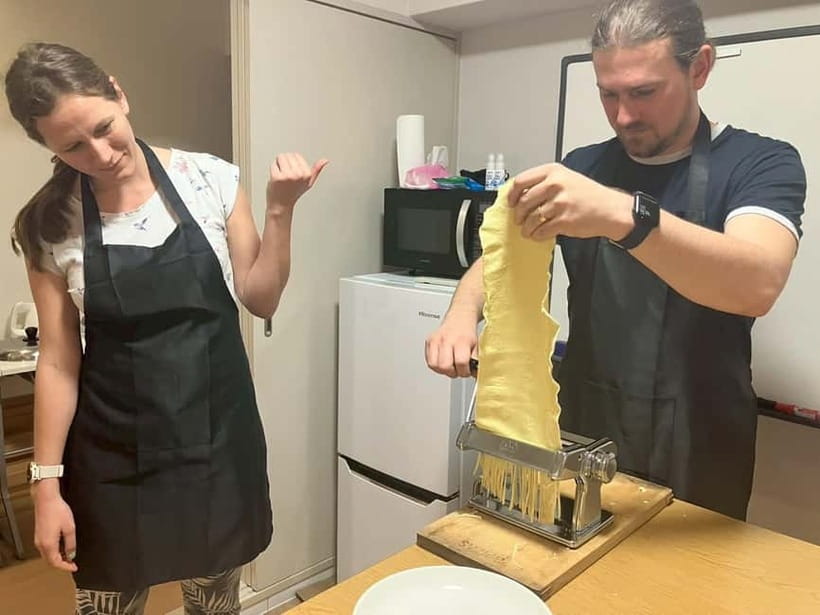
- You cook for real: 1.5 hours of hands-on ramen and gyoza prep
- Noodles from scratch: you’ll make ramen dough and noodles, not shortcut ingredients
- Gyoza technique matters: the folding/fill method is taught in detail
- Your meal includes drinks: sake, beer, and soft drinks with your tasting
- Take-home recipes: you leave with cards so you can recreate the flavors later
- Small group energy: up to 8 participants, so questions don’t get lost
Osaka Ramen and Gyoza: Why This Class Is More Than a Meal
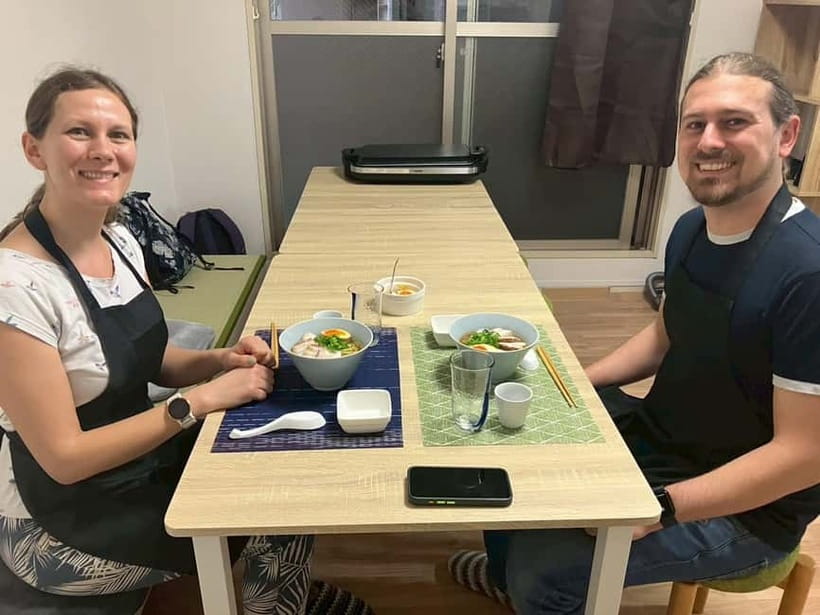
Osaka is famous for eating well, but this experience gives you something rarer: the method behind the flavor. Instead of only tasting ramen and dumplings, you’ll learn how to build them with your own hands, including noodle-making and dumpling shaping.
What I like most is the mix of structure and play. The class starts with orientation and prep, then it turns practical fast: chop, mix, fold, cook. Hosts such as Kyota, Keiichi, Ryota, Mimi, Yuma, and others are repeatedly praised for making the lesson feel friendly and interactive, like cooking with people rather than sitting through a lecture.
There’s also a smart bonus baked in: after cooking, you get a 1-hour tasting session and drinks like sake and beer. It’s not just a reward at the end. It helps you taste what you made while the flavors and textures are still fresh in your brain.
You can also read our reviews of more tours and experiences in Osaka.

The 2-Hour Flow: Orientation, 90 Minutes of Cooking, Then a Proper Tasting
This is a tight, clear schedule—easy to fit into a dinner plan in Osaka. Total time is about 2 hours, with three distinct phases.
First comes a 30-minute orientation and preparation. This is where you get set up with what you’re making and how the workspace works. It’s also the time to get comfortable with the tools and the rhythm of the kitchen so you don’t feel rushed once cooking starts.
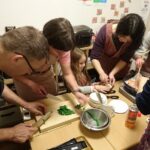
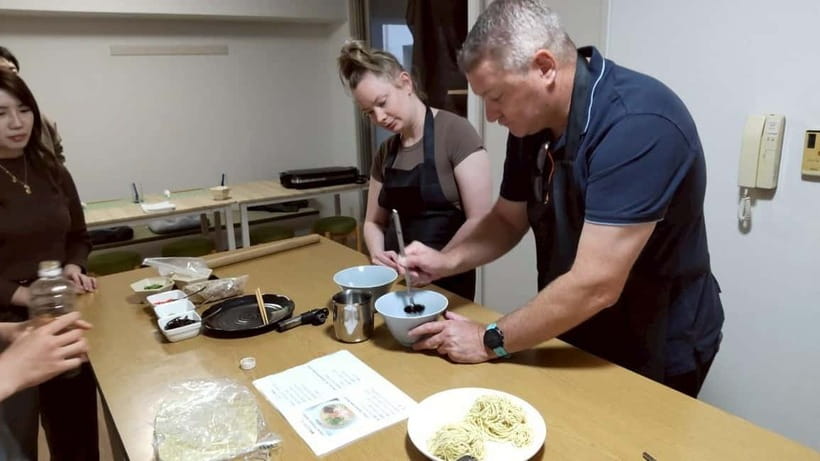
Then you jump into 1.5 hours of hands-on cooking. That’s the real heart of the experience. You’ll do the active work—prep ingredients, make the ramen components, assemble gyoza, and cook your dishes as a group. Because it’s a small group (max 8), you’re not just standing around. You can ask questions and get corrections in real time.
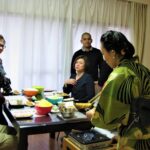
Finally, there’s a 1-hour tasting session with drinks. The class pairs your finished ramen and gyoza with sake, beer, and soft drinks. It’s a relaxed way to eat what you cooked, share the results with your group, and compare notes on what tasted best.
Ramen Noodles: Making the Dough and Learning Why It Matters
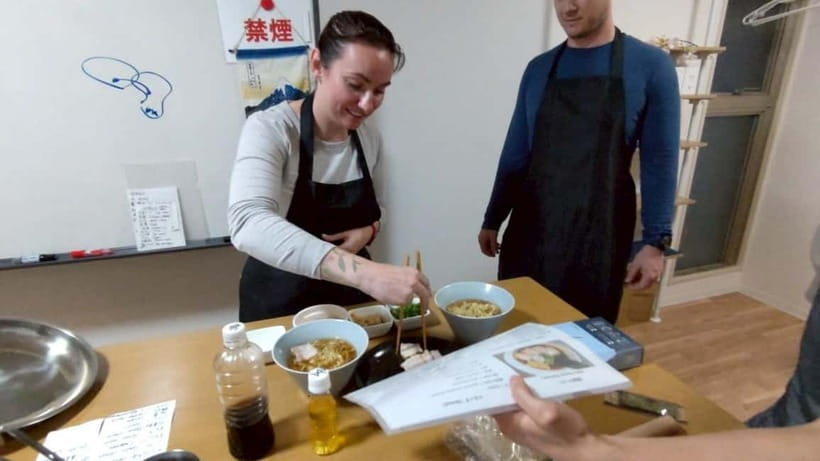
Ramen can feel mysterious until you touch the process. In this class, you’re not limited to flavoring—people specifically mention making noodles from scratch and even making flour for the ramen. That’s a big deal for your long-term “can I do this at home?” confidence.
During the cooking portion, you’ll work on ramen preparation as the instructors guide you step-by-step. Expect real participation: chopping vegetables, handling ingredients, and moving through the dough and noodle process with the support of the chef/instructors. The learning is practical—how to work the ingredients so you end up with noodles that cook up the right way for your bowl.
A smart thing about learning noodles is that it changes how you season. When you know you can reproduce the noodle base, you start paying attention to broth balance and toppings. Even if you never open a ramen shop (no judgment if you do), you’ll understand what you’re tasting.
If you’re a total beginner, that’s okay. The class is described as suitable for beginners and food enthusiasts, and the reviews repeatedly mention clear explanations and patience while people learn the process.
Gyoza: The Folding Skill You’ll Actually Use Again
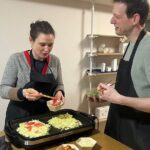
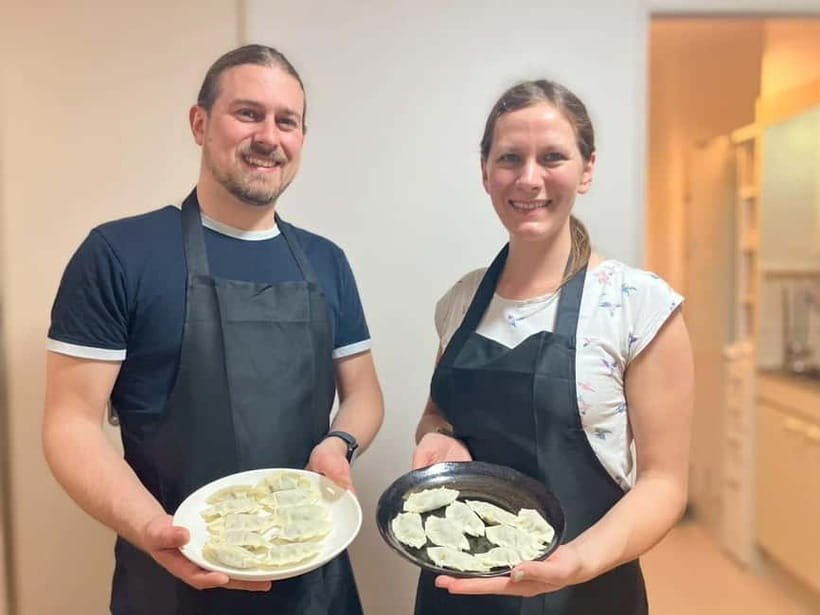
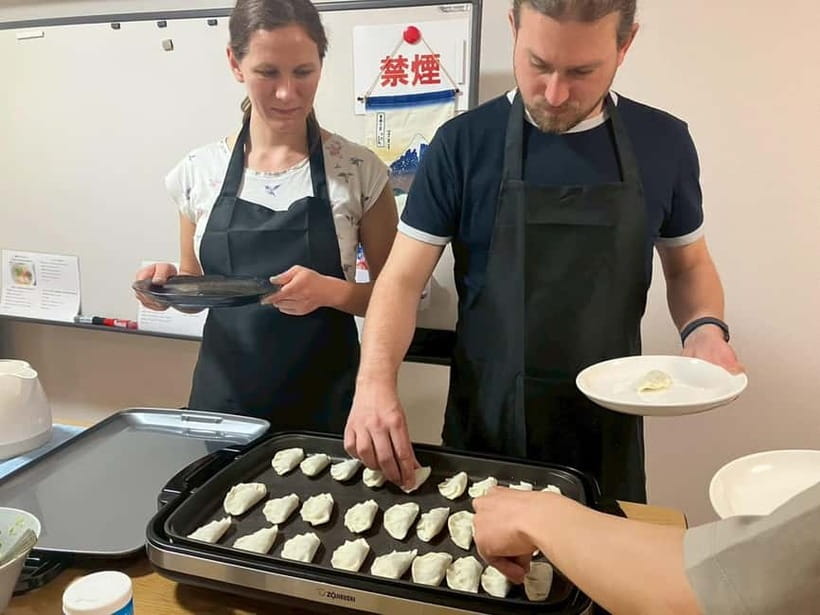
Gyoza is all hands. It’s also where technique shows immediately, because how you fold and seal affects texture and bite. This class places focus on the details—people mention intricate detail in gyoza making and highlight folding skill taught by instructors.
You’ll assemble and work on gyoza in a group setting, guided by the hosts in English and Japanese. A standout theme in the feedback is that instructors are patient while you learn the correct way to fold. That matters because gyoza folding isn’t just a pretty pattern. It helps keep the filling contained and shapes how the dumplings cook.
If you care about recreating this at home, gyoza is one of the best skills to learn in a cooking class. You can practice a few folds, improve quickly, and still end up with a dinner. And since the class provides recipes to take home, you’ll have more than a memory of what to do.
Also worth noting: some reviews mention vegan or vegetarian accommodations. That doesn’t mean every option is guaranteed for every session, but it does suggest the team can adjust ingredients when needed. If dietary requirements are important for you, you’ll want to message ahead and confirm what they can do for your specific diet.
Instructors and Small-Group Setup: Why Up to 8 People Changes Everything
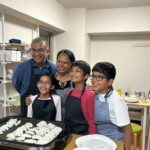
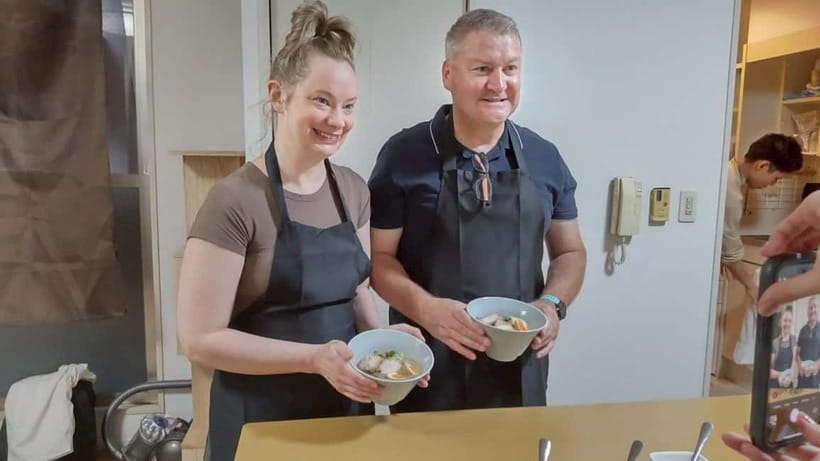
Small group cooking classes aren’t automatically better—but this one hits the sweet spot. With a limit of 8 participants, you get enough attention that you can correct mistakes instead of just moving on. You’re also more likely to talk with your instructors and the other people in the class, which is a big part of the fun.
The names people mention help you picture the vibe. You might cook with hosts like Nana and Yuriko, Kyota and Keiichi, Ryota and Saya, or Ryota and Mimi, and also chefs/instructors such as Yuma. Even with different teams, the pattern is consistent: warm hosts, clear instruction, and a high level of hands-on help.
The language support is also a key practical value. Instruction is available in English and Japanese, which means you won’t be stuck with only gestures. If you want to ask why something works a certain way—like dough feel, dumpling sealing, or cooking timing—you’re more likely to get a direct answer.
What’s Included (and What You Pay For): Ingredients, Tools, Drinks, and Recipes
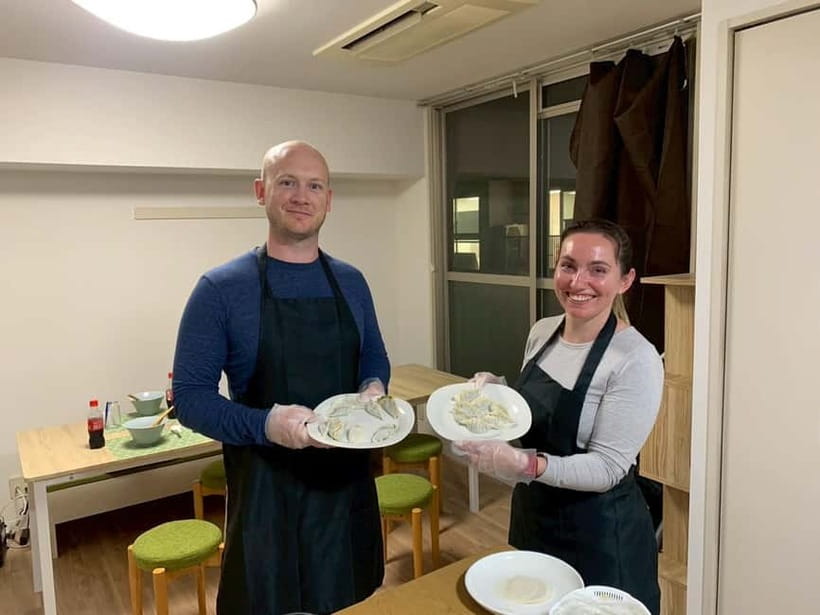
For $70 per person and a 2-hour session, you’re paying for more than a plate of food. You’re paying for guided technique, kitchen time, and the supplies to make it happen.
Here’s what’s included:
- All ingredients and tools for cooking
- Expert guidance from Washoku professionals
- 1.5 hours of hands-on cooking
- 30-minute orientation and preparation
- 1-hour tasting with sake, beer, and soft drinks
- Recipes to take home
That last item is easy to overlook, but it’s where value really shows. A cooking class is only worth it if you can repeat what you learned. Taking home recipes turns this from a one-night event into a “future dinner plan” you can recreate.
What isn’t included:
- Hotel pickup and drop-off
- Additional food and drinks beyond what’s provided in the tasting
So the cost feels fair if you treat it as an experience where you actively learn and then eat what you made, with drinks included. If you just want to eat ramen with no cooking, you could find cheaper meals elsewhere. But if your goal is skill-building, this pricing lines up well with the amount of guidance and ingredients you receive.
Where You Meet: Dear Court Semba 303 Without the Panic
Meeting location is Dear Court Semba 303, 4-chōme-3-1 Bakurōmachi, Chuo Ward, Osaka 541-0059. It’s in an apartment building setting rather than a standalone restaurant. That’s normal in Japan, but you’ll want to be alert the first time.
How to enter:
- When you arrive, look for a doorbell panel at the entrance
- Press 303, then press the “Call 呼” button
- Take the stairs or elevator to Room 303 on the 3rd floor
If you’re worried about finding the building, a helpful clue from feedback is that it can be described as tucked behind a block with a Ferrari dealership, near a gym stair area and an outdoor lounge with couches. That kind of landmark detail can save you time if your map app lands you one street off.
Practical tip: arrive a few minutes early. Not because the class is slow—because apartment-building entrances can be a little “hunt the doorbell” at first. Once you find it once, it’s easy the next time.
Who This Osaka Ramen and Gyoza Class Is Best For
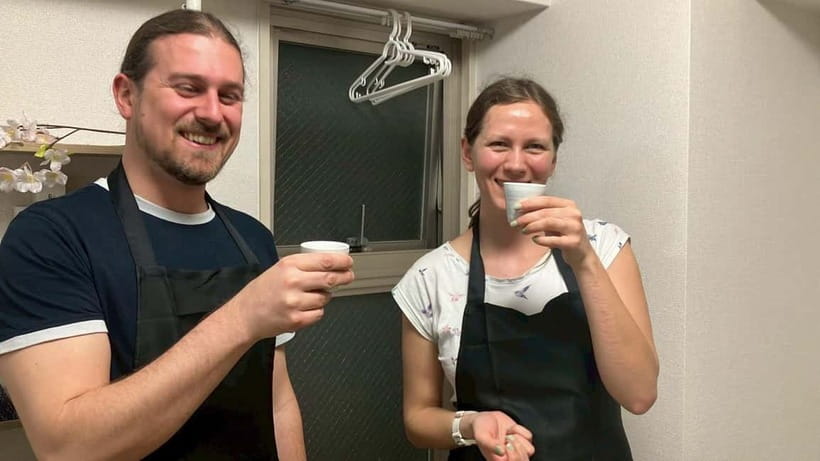
This is a strong match if you want more than a tourist meal. You’ll enjoy it most if you:
- Love ramen and gyoza and want the technique behind the taste
- Want a guided cooking session in a small group
- Like hands-on learning, not just watching someone cook
- Prefer instruction in English or Japanese
It’s also a nice option for mixed groups. People mention everything from solo outings to family groups, with hosts described as patient with different ages.
If you’re not into cooking—if you prefer ordering off a menu and calling it a night—this might feel like work. This class is designed for active participation, and the payoff is tied directly to what you do during the cooking portion.
Should You Book This Osaka Ramen Cooking Class?
Book it if you want a memorable Osaka night that turns into a skill. For $70, you’re getting structured teaching, real hands-on work (including noodles and gyoza folding), a full tasting with drinks, and recipes you can actually use later.
I’d skip it only if you strongly prefer low-effort sightseeing or you’re hoping for hotel pickup and a fully hands-off experience. This is a you-show-up, you-cook, you-eat kind of class. And honestly, that’s why it works.
FAQ
Is this Osaka ramen and gyoza class beginner-friendly?
Yes. The class is described as suitable for beginners and food enthusiasts, and instruction is provided in English and Japanese.
What dishes will I make?
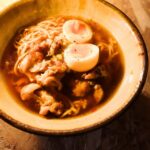
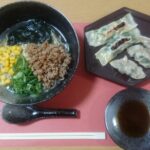
You’ll make ramen (including noodle preparation) and gyoza (Japanese dumplings).
How long is the experience?
The total duration is about 2 hours, including a 30-minute orientation, 1.5 hours of hands-on cooking, and a 1-hour tasting session.
What’s included in the price?
The price includes ingredients and tools, guidance from Washoku professionals, cooking time, the tasting session with drinks (sake, beer, soft drinks), and recipes to take home.
Are hotel pickup and drop-off included?
No, hotel pickup and drop-off are not included.
What language is instruction offered in?
Instruction is offered in English and Japanese.
Can they accommodate vegetarian or vegan needs?
Some reviews mention the team accommodated vegetarian and vegan requirements. If this matters to you, you should confirm your needs when booking or before the class.