REVIEW · OSAKA
Osaka Market Tour & Cooking Class with Local Expert Masato/Shohei
Book on Viator →Operated by Traveling Spoon · Bookable on Viator
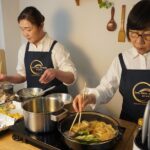
Your chopsticks start with a market lesson. I like the way this Osaka market + cooking class pairs a guided ingredient hunt (with an optional stop at Karahori Shotengai) with a hands-on lesson led by chefs like Masato or Shohei, and I especially appreciate the practical, patient teaching that helps you finish with a real home-style meal. One thing to consider: there’s no hotel pickup, so you’ll need to make your own way to Matsuyamachi Station.
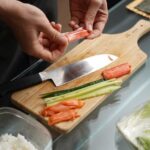
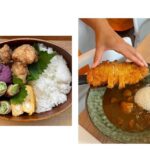
This is built for food people who want more than a photo. You’ll learn how to make Japanese dishes from scratch, typically choosing among sushi-making (the default if you don’t pick), character bento-style cooking, or Japanese curry rice. Raw fish is not included in the sushi class, and you’ll still work with classic ingredients like tamagoyaki (rolled omelet), Wagyu beef, lotus root, bamboo shoots, and shiitake mushrooms.
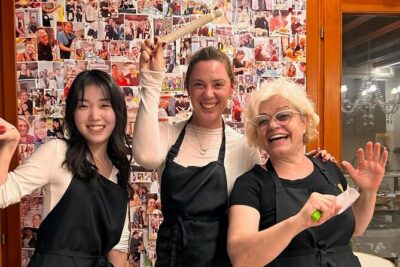
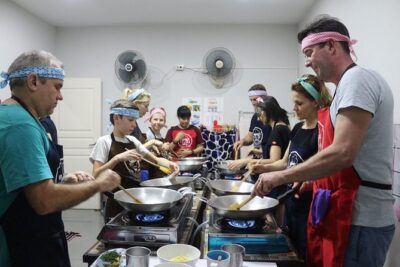
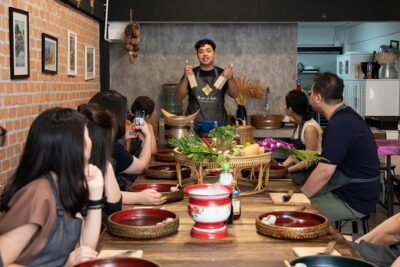
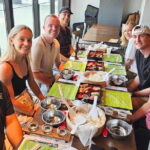
The format is relaxed but focused: shared group size (max 13), a 2.5-hour total time, time for questions, and you finish by sitting down to enjoy what you made with tea.
In This Review
- Key Things You’ll Enjoy in This Osaka Market and Cooking Class
- Why This Osaka Market + Cooking Class Feels Like Real Local Food
- Matsuyamachi Meeting Point and How the 2.5 Hours Roll
- Karahori Shotengai Market Walk: Short, Guided, and Focused on Ingredients
- Sushi-Making Default: Tamagoyaki, Wagyu Beef, and Seasonal Vegetables (No Raw Fish)
- Other Menu Options: Bento-Style Characters and Japanese Curry Rice
- What You’ll Actually Cook: Three Dishes, Better Technique, and Time to Ask Questions
- Tea and Eating What You Made: The Part Many Classes Skip
- Allergy-Friendly Care and Dietary Options (Tell Them at Booking)
- Price and Value: Is $120 a Good Deal for 2.5 Hours?
- Who This Osaka Class Is Best For (and Who Might Skip It)
- Quick Tips So You Get the Most From Your Cooking Session
- Should You Book This Osaka Market and Cooking Class?
- FAQ
- What dishes will I cook?
- Is raw fish included in the sushi class?
- What ingredients are used in the sushi-making experience?
- Does the experience include tea?
- How long is the tour?
- Is there an option to tour a market?
- Where does it start and end?
- Do you provide hotel pickup and drop-off?
- Can you accommodate dietary restrictions or allergies?
- Who is the chef host?
Key Things You’ll Enjoy in This Osaka Market and Cooking Class
- Karahori Shotengai option: a short, guided 30-minute walk through a covered shopping street for key ingredients.
- Chef-led, question-friendly lessons: you get hands-on help while learning Japanese techniques.
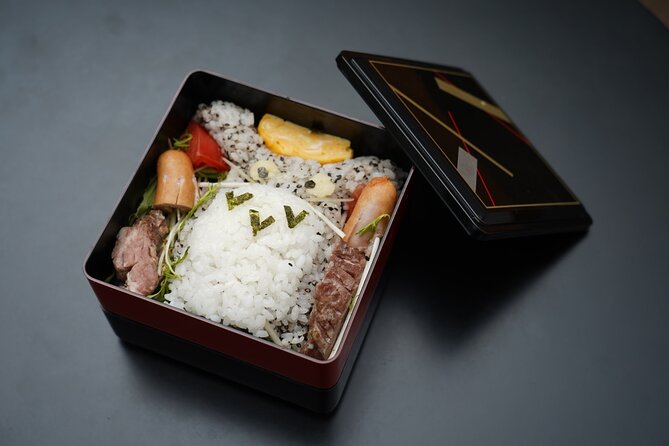
- Default sushi class without raw fish: you still use premium items like tamagoyaki and Wagyu beef.
- Three dishes from scratch + tea: you don’t just taste; you practice.
- Diet and allergy support on request: lactose free, gluten free, vegetarian, and vegan options are accommodated.
- Small shared group (max 13): enough personal attention without feeling like a private lesson.
Why This Osaka Market + Cooking Class Feels Like Real Local Food
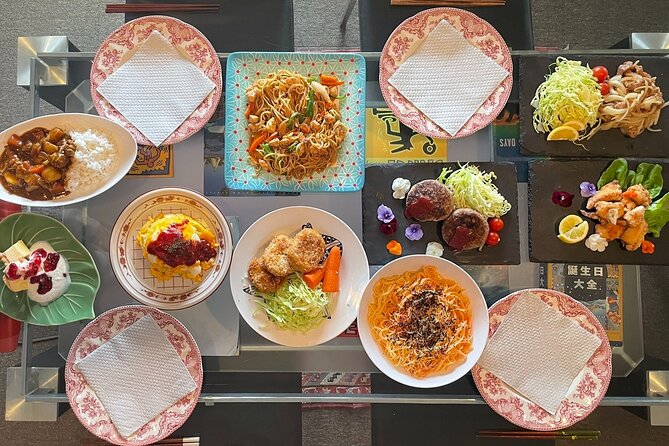
Osaka has a reputation for eating well. This tour doesn’t ask you to guess what’s important. Instead, you learn how ingredients work together—then you use that knowledge immediately at the stove.
I like that it’s not just watching someone cook. You’ll be actively making the meal, guided step by step, which means you leave with skills you can actually use later. And the market piece—when you select it—helps you connect what you’re seeing in the stalls with what you’ll be chopping, mixing, and cooking.
One practical upside: it’s only about 2 hours 30 minutes. That’s a sweet spot for a busy itinerary. You get the “Japan food education” feeling without giving up half your day.
You can also read our reviews of more tours and experiences in Osaka.

Matsuyamachi Meeting Point and How the 2.5 Hours Roll
You meet at Matsuyamachi Station (2 Chome-6 Andojimachi, Chuo Ward, Osaka 542-0061). The activity ends back at the meeting point, so plan your next stop nearby.
This matters more than it sounds. No hotel pickup means you should route yourself through Matsuyamachi ahead of time. If you’re staying in central Osaka, that’s usually easy. If you’re farther out, give yourself extra margin so you’re not rushing.
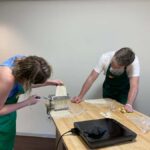
You’ll be in a shared group with a maximum of 13 people. That keeps things from becoming a lecture. At this size, you can ask questions and still move at a workable pace, which is exactly what you want for learning knife work, seasoning, and timing.
You’ll also use a mobile ticket, so make sure your phone battery is healthy and your confirmation is easy to find.
Karahori Shotengai Market Walk: Short, Guided, and Focused on Ingredients
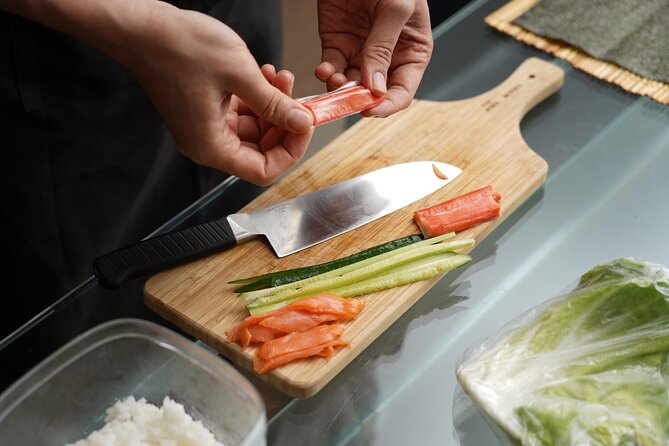
If you choose the market option, your host takes you to Karahori Shotengai, a nearby covered shopping street with small stalls selling vegetables, fresh food, and condiments. The market portion is about 30 minutes.
Here’s the value: you’re not doing a long wandering shopping spree. You’re learning what to look for. You’ll see ingredients that show up in Japanese cooking and get guided context—why these items matter, how they’re used, and how they differ from what you might find at home.
What’s good for travelers: the market is covered. Osaka weather can change fast, so this kind of short, guided route keeps the experience from getting derailed.
Possible drawback: 30 minutes is not enough time for heavy browsing or buying a suitcase full of groceries. If your goal is serious souvenir shopping, treat this like a guided “ingredient orientation,” not a market day off.
Sushi-Making Default: Tamagoyaki, Wagyu Beef, and Seasonal Vegetables (No Raw Fish)
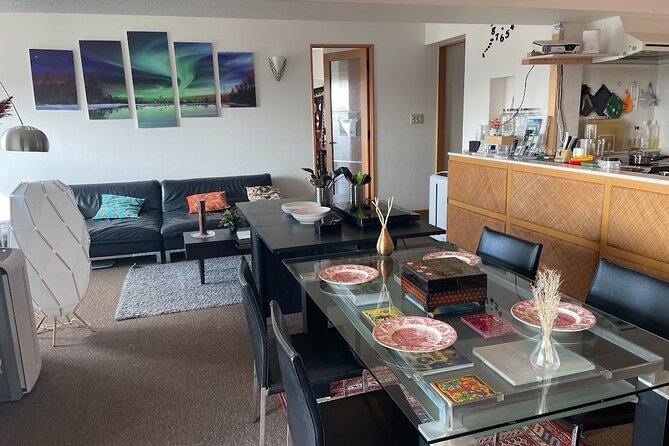
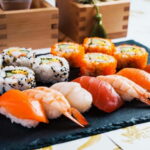
If you don’t select a menu preference, the default experience is sushi-making. And the sushi class comes with a clear, comforting detail: raw fish is not included.
That changes the whole feel of the class. You can focus on technique—rice preparation, seasoning, rolling, and building flavors—without worrying about handling raw fish. It also makes the experience more approachable if you’re curious about sushi but not keen on raw seafood.
You’ll work with a distinct set of ingredients that sound like they were picked on purpose:
- tamagoyaki (rolled Japanese omelet)
- Wagyu beef
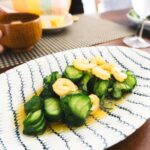
- seasonal vegetables like lotus root, bamboo shoots, and shiitake mushrooms
Those names matter because they connect you to Japanese home cooking. This isn’t just “assemble sushi.” You’re learning how classic ingredients create texture and depth in the roll.
Other Menu Options: Bento-Style Characters and Japanese Curry Rice
You can also book with a menu preference, and the class may cover dishes such as:
- sushi
- character bento boxes
- Japanese curry rice
The bento-style option is a great choice if you like food as art. Character bento often pushes you to think about shape, color, and how different elements fit together. It’s practical creativity, not just decoration.
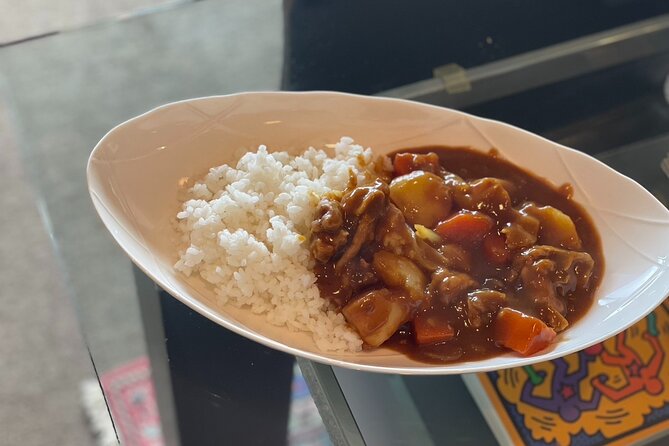
Curry rice is a strong pick if you want comfort food you can re-create at home. Japanese curry often tastes complex, but once you learn how flavors get built, it becomes less mysterious and more repeatable.
One note that affects your choice: the information you get at booking should steer you toward which dishes you’ll actually cook. If you have a strong preference, choose it when you book so you’re not surprised.
What You’ll Actually Cook: Three Dishes, Better Technique, and Time to Ask Questions
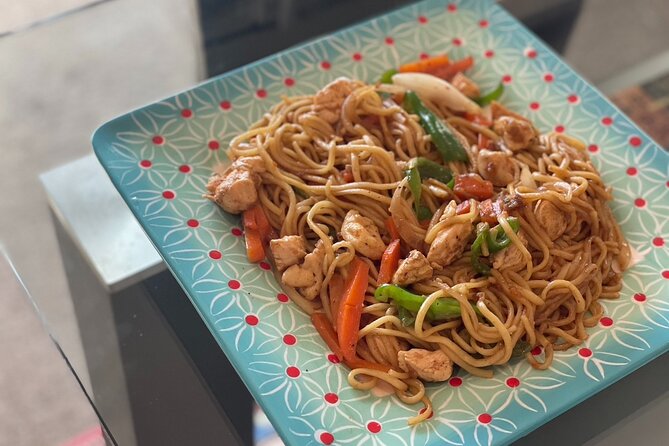
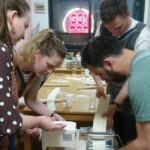
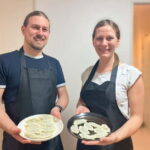
The class is designed around cooking from scratch and learning traditional techniques and cultural insights along the way. You’ll prepare three authentic Japanese dishes, then sit down to eat them.
The “from scratch” part is where the value lives. When you mix sauces, season rice, or assemble components by hand, you understand the logic behind taste. Then, when you try it later, you’re not just repeating steps—you’re adapting.
Also, you’ll go at your own pace. That sounds soft, but it matters in practice. Cooking has a rhythm. If you’re slow with knife work, you need time. If you’re quick, you want to move forward instead of waiting. A good host helps you land in the sweet spot.
Based on how the experience is described in real teaching moments, you may find the meal includes miso soup alongside the dishes. Some groups have also referenced the possibility of more than three items depending on how the chef structures the class. The consistent takeaway is this: you’ll leave with a full, satisfying meal plus the skills to make the core dishes again.
Tea and Eating What You Made: The Part Many Classes Skip
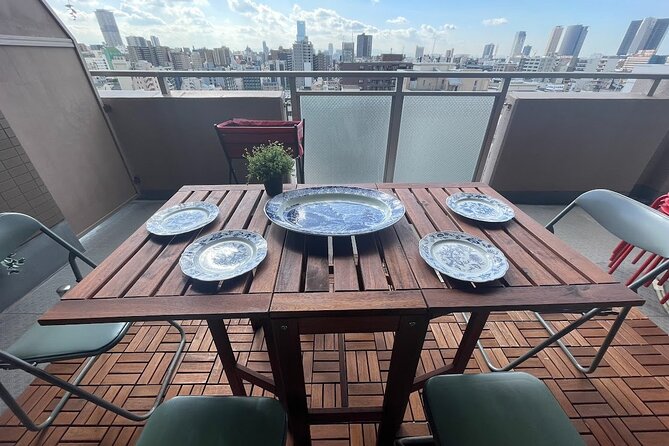
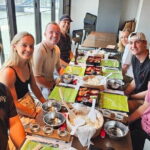
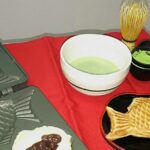
After cooking, you’ll sit down to enjoy the meal you created, and you finish with tea. This part is underrated. It’s where the cooking effort clicks into something personal.
When you eat right after cooking, you can connect flavor decisions to what you did at the stove. Did that seasoning feel strong while you were mixing? You’ll know why once it lands in the dish. Did the omelet component add sweetness and fragrance? You’ll taste the payoff immediately.
It’s also a nice pressure release. You’re not rushing to a restaurant reservation or packing up and leaving right away. You get the reward portion of the learning curve.
Allergy-Friendly Care and Dietary Options (Tell Them at Booking)
Food lessons can be stressful if you have restrictions. The good news here is that the experience is set up to handle them.
At booking, you should advise the team about allergies, dietary restrictions, or cooking preferences. The experience can accommodate:
- lactose free
- gluten free
- vegetarian
- vegan
This is a big quality marker. A class like this needs real ingredient substitutions, not just a polite warning. When a chef plans around your needs, you can cook without constantly second-guessing whether your food is safe or will taste right.
One more practical angle: because the market portion focuses on ingredients, restrictions should be communicated early so the chef can plan what you’ll select and what you’ll cook.
Price and Value: Is $120 a Good Deal for 2.5 Hours?
At $120 per person, this isn’t a casual snack-and-walk. But it also isn’t priced like a private chef.
Here’s what you’re paying for:
- a guided market option (if selected), with context about ingredients
- a chef-led, hands-on cooking class
- cooking from scratch and eating what you make
- tea included
- the ability to ask questions during a small shared class (max 13)
If you compare this to the cost of a cooking-focused private class or a multi-course food tour that doesn’t teach technique, the value usually improves fast. You’re getting skills (not only tastings) and you end with a full meal.
Where the price can feel high: if you already know Japanese cooking well, or if you only want the market stroll without learning. In that case, consider whether you’d rather do independent market shopping and a lighter food experience.
Who This Osaka Class Is Best For (and Who Might Skip It)
This is a strong match for:
- foodies who want to learn technique, not just try dishes
- couples or small groups who want a shared activity that ends with a meal
- anyone who wants Japanese cooking skills in a short time block
- people with dietary needs who want clear accommodation (lactose free, gluten free, vegetarian, vegan)
It may be less ideal if:
- you’re hoping for a long market experience with lots of browsing time
- you want hotel pickup (there isn’t any)
- you prefer cooking with raw fish as part of sushi (this class specifically does not include raw fish)
If you’re planning a tight Osaka itinerary, this also works well because it ends back near the meeting point, so you can roll right into your next neighborhood stop.
Quick Tips So You Get the Most From Your Cooking Session
A few practical moves make a difference:
- Pick your menu preference when booking, especially if you’re not interested in sushi.
- If you have allergies or dietary needs, communicate them clearly at booking.
- Come hungry enough to enjoy the meal you cook, but not so hungry that you forget to pay attention.
- Bring curiosity about ingredients. The market portion is short, so ask questions about what you see.
Also, treat the class like skill-building. The goal isn’t just eating; it’s learning how flavors are built. That’s how this becomes a future “I can cook that” moment, not just another activity photo.
Should You Book This Osaka Market and Cooking Class?
Yes—if you want a hands-on food experience with real technique, and you like the idea of learning ingredients in context. The combination of guided market time, chef-led cooking, a full home-style meal, and tea is a tidy package for $120.
Book it especially if:
- you’re excited to learn sushi techniques without raw fish
- you want dietary accommodations handled on request
- you want a short, structured experience with small-group attention
If you want an unstructured shopping day or you strongly prefer a different type of cuisine class, you might compare options. But for most travelers who care about food more than flash, this one fits like it was planned for your stomach.
FAQ
What dishes will I cook?
You’ll cook three authentic Japanese dishes from scratch. Menu options include sushi (the default if you don’t choose), character bento boxes, or Japanese curry rice.
Is raw fish included in the sushi class?
No. Raw fish is not included in this class.
What ingredients are used in the sushi-making experience?
The sushi class includes ingredients such as tamagoyaki (rolled Japanese omelet), Wagyu beef, and seasonal vegetables like lotus root, bamboo shoots, and shiitake mushrooms.
Does the experience include tea?
Yes. After cooking, you’ll enjoy the meal you made and finish with tea.
How long is the tour?
The duration is about 2 hours 30 minutes.
Is there an option to tour a market?
Yes. If you select the market option, your host takes you to the nearby Karahori Shotengai market for a guided 30-minute visit.
Where does it start and end?
It starts at Matsuyamachi Station (2 Chome-6 Andojimachi, Chuo Ward, Osaka 542-0061, Japan) and ends back at the meeting point.
Do you provide hotel pickup and drop-off?
No. Hotel pickup and drop-off are not included.
Can you accommodate dietary restrictions or allergies?
You should advise allergies and dietary restrictions at booking. The experience can accommodate lactose free, gluten free, vegetarian, and vegan diets on request, with a maximum group size of 13 travelers.
Who is the chef host?
The shared cooking class is hosted by Masato, and if Masato is unavailable, an equally wonderful chef colleague will host you.