REVIEW · OSAKA
Traditional Home cooking Experience in Osaka, Japan
Book on Viator →Operated by Cook, Taste and Enjoy Osaka · Bookable on Viator
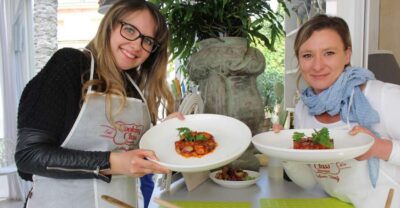
Supper turns into a hands-on lesson in Osaka. This is a fun cooking class built around Japanese home cooking and seasonal ingredients, with an instructor who keeps things upbeat while you actually cook. I especially like the attention to Koshihikari rice, plus the way the class nudges you to taste as you go, not just at the end.
The main trade-off: you’ll need to choose Course A or Course B ahead of time, and the class covers two dishes total in about two hours—so it’s not a full buffet of everything Osaka.
In This Review
- Key Highlights You Should Know
- Why This Osaka Cooking Class Feels Like Real Home Food
- The Rice Matter: Koshihikari From Minami-Uonuma
- Course A vs Course B: Pick Your Osaka Menu
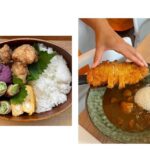
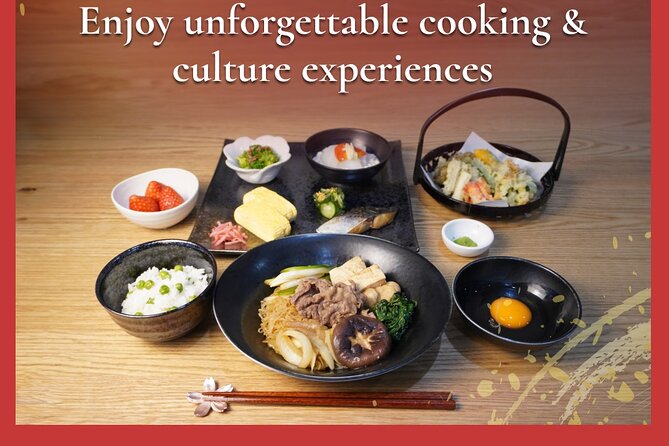
- Course A: Sukiyaki, Tempura, and Rolled Omelet
- Course B: Wagyu Roast Beef Bowl, Chicken Nanban, and Sashimi
- What Happens During the Two-Hour Class (and What You’ll Actually Do)
- Eating, Drinking, and Simple Etiquette That Helps
- Price and Value: Is $104.51 Worth It?
- Location Strategy: Nishishinsaibashi Timing That Works
- Who Should Book This Class (and Who Might Skip It)
- Should You Book This Osaka Cooking Class?
- FAQ
- FAQ
- How long is the cooking class?
- Where does the class start and end?
- What are the two course options?
- What dishes are included in Course A?
- What dishes are included in Course B?
- Is water included?
- Are alcoholic beverages included?
- How big is the group?
- When will I get confirmation after booking?
Key Highlights You Should Know
- Small group size (max 8) makes it easier to ask questions and get hands-on help
- Seasonal, change-with-the-season ingredients keep the food feeling current, not generic
- Koshihikari rice sourced from Minami-Uonuma, Niigata for a noticeably better bowl of rice
- Two dish options (Course A or B) let you pick your Osaka mood
- Music and instrument can be part of the experience, including a performer named Keiko
Why This Osaka Cooking Class Feels Like Real Home Food
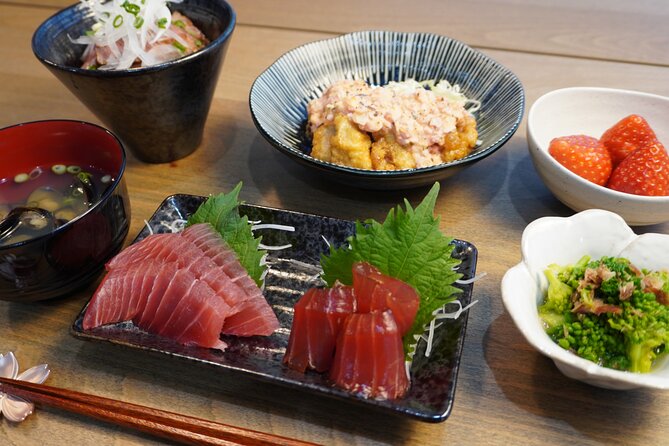
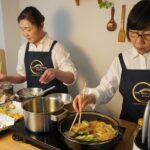
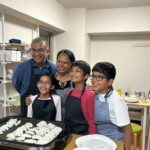
Osaka has a reputation for serious food. This class keeps the focus where it belongs: in your hands and on your plate. The vibe isn’t stiff. The point is cook, taste and enjoy, with an experienced instructor working alongside you and chatting in clear English.
What makes it feel more “real” than a basic demo is that you’re not just watching. You’re making two dishes together, using seasonal ingredients that change with the Japanese four seasons. That seasonal approach matters because it teaches you what people actually cook when ingredients are fresh and at their best, not what looks good on a menu year-round.
Another thing I like: the class is built for a short visit. If you’re in Osaka for a few days, this gives you a concentrated slice of home cooking without needing weeks of language study or a complicated itinerary.
You can also read our reviews of more tours and experiences in Osaka.

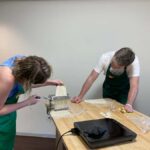
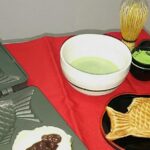
The Rice Matter: Koshihikari From Minami-Uonuma
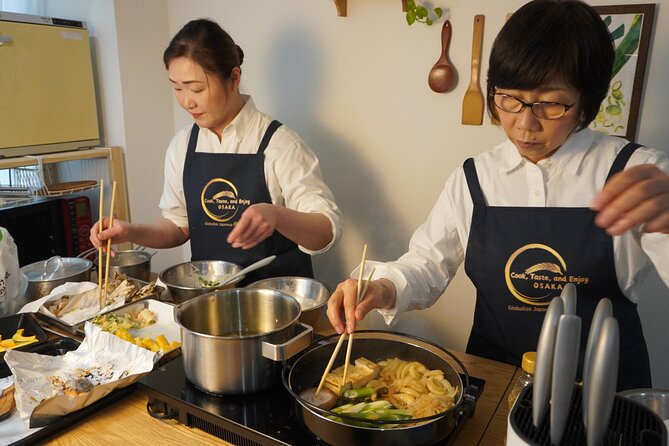
If you care about rice, this is a smart class to choose. The organizers directly purchase Koshihikari rice from a contracted farmer in Minami-Uonuma City, Niigata Prefecture, a major rice-growing area in Japan.
Why should you care? Because good rice changes the entire meal. Even when the dishes vary—sukiyaki, bowls, or dishes with sashimi—the rice is the anchor. When the instructor builds the meal using high-quality Koshihikari, you get a more “rounded” flavor and a better texture, which makes the tasting part more meaningful.
Practical tip: when you taste, try a bite of the rice on its own first, then with each dish. That quick comparison is how you’ll notice what the ingredients and cooking technique are doing.
Course A vs Course B: Pick Your Osaka Menu
You choose your course when you reserve. Both courses last about two hours and center on making two dishes together, guided step-by-step.
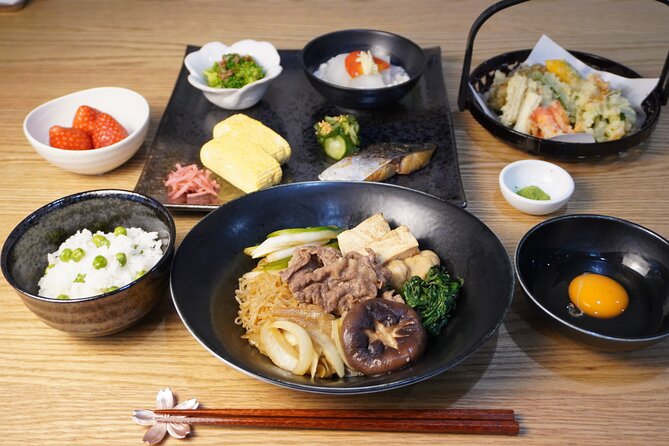
Course A: Sukiyaki, Tempura, and Rolled Omelet
Course A features:
- Sukiyaki
- Tempura
- Rolled omelet
Sukiyaki is the cozy, sweet-salty type of comfort cooking Japan is famous for. You’ll get a feel for how the ingredients come together and how the flavors behave when heated and cooked as a set.
Tempura adds a totally different skill set. It’s all about timing and getting that contrast right—light, crisp, and not heavy. Even if you’ve never fried anything before, the structure of making it with help is the kind of experience that makes you leave confident enough to try something similar later.
Then there’s the rolled omelet. It’s deceptively simple looking, but it rewards attention. Expect to learn the technique feel, not just the recipe name.
Course B: Wagyu Roast Beef Bowl, Chicken Nanban, and Sashimi
Course B features:
- Wagyu roast beef bowl
- Chicken nanban
- Sashimi
If you want Osaka-style comfort with a serious ingredient upgrade, this course is the one. The wagyu roast beef bowl is the “wow” meal: rich, satisfying, and very easy to enjoy even if you’re not super adventurous with food.
Chicken nanban gives you that classic sweet-salty tang and a fried-chicken texture. It’s the kind of dish where technique matters, because the coating and cooking method influence how the bite feels.
Sashimi rounds out the meal. You’re not cooking fish here in the same way, but you’re learning how it fits into the broader homemade rhythm of the class. It also makes the tasting section feel complete.
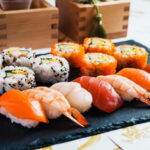
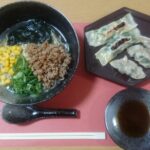
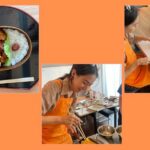
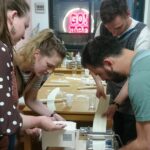
What Happens During the Two-Hour Class (and What You’ll Actually Do)
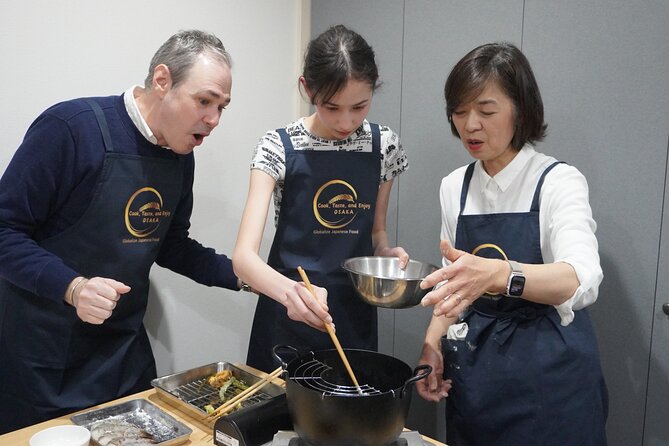
The class starts at 2 Chome-13 Nishishinsaibashi, Chuo Ward, Osaka and ends back at the meeting point. It’s near public transportation, and you’ll use a mobile ticket.
Here’s the rhythm you should expect, based on how this kind of home-cooking class is structured and what people report enjoying:
1) Welcome and quick orientation
You’ll get the plan for your chosen course and meet the instructor team. The host/instructor style is friendly and easy to talk to, and English guidance is part of the experience.
2) Cooking in a small group
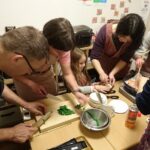
With a maximum of 8 travelers, you’re not stuck watching from across the room. You can step in, ask questions, and follow along. That small size is a big value factor. It’s the difference between a “look and learn” class and one where you actually improve your technique.
3) Hands-on dish prep and cooking together
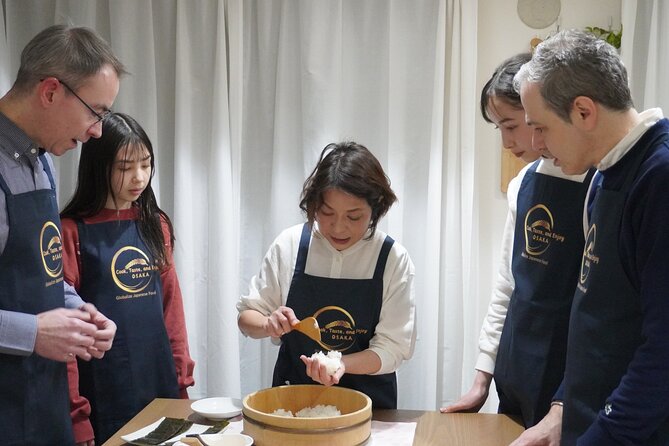
You’ll work through making your two dishes. The staff cook alongside you and share their specialty dishes, which means you’re learning real workflow, not just ingredients and steps.
4) Tasting and finishing together
The class is designed around eating what you make. I like that it’s not just a final plate and done. You’re guided to taste and enjoy as the course progresses.
Timing note: the published duration is about two hours, but the experience can run a little longer depending on the pace and any added elements such as music.
Also, I found it charming that music and performance can be part of the overall evening. People have mentioned songs and instruments being included, with a performer named Keiko. That’s not why you’re booking, but it adds a cultural texture to the meal.
Eating, Drinking, and Simple Etiquette That Helps
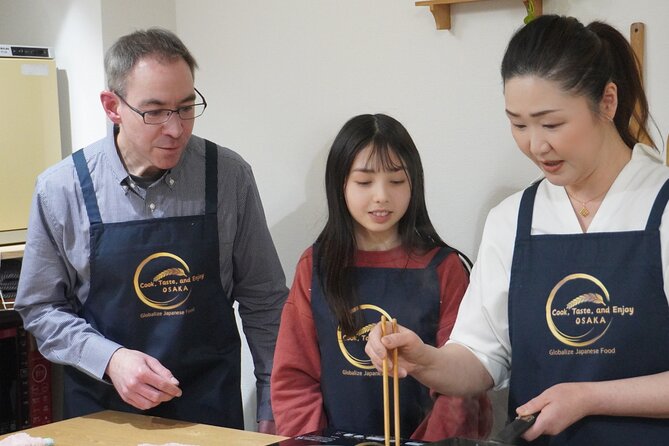
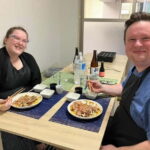
This class includes free water, but other drinks are charged separately. Alcoholic beverages are not included. That’s a practical setup: you stay comfortable and awake for cooking, especially if you’re doing tempura or any frying-related steps.
A few etiquette tips that will help you blend in:
- Taste deliberately. Don’t rush past the rice and sauces. This class is built on tasting while you cook.
- Ask what to look for while cooking. With a small group, you can get quick answers on doneness and texture.
- Take your time with sashimi in Course B. It’s part of the overall meal, not a separate side quest.
One more helpful mindset: treat this like a cooking conversation. If you ask about why the instructor does something a certain way, you’ll get better guidance than if you only ask for exact recipes.
Price and Value: Is $104.51 Worth It?
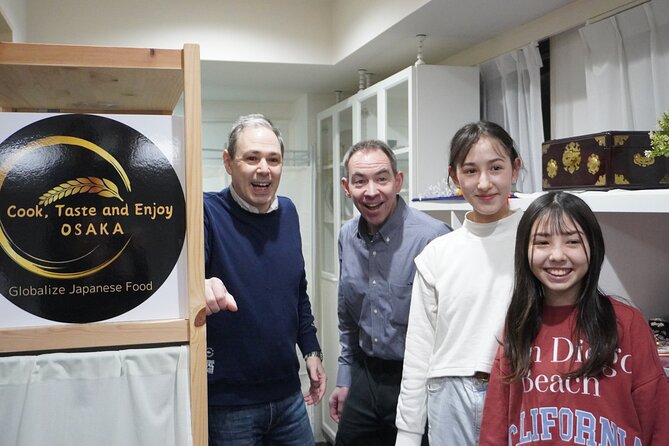
At $104.51 per person, this isn’t the cheapest way to eat in Osaka. But it also isn’t positioned like a casual snack stop.
Here’s what you’re paying for, in a way that matters:
- Hands-on cooking (not just watching)
- Two dish menus built around classic Osaka/Japanese comfort food
- Seasonal ingredients that change with the year
- High-quality Koshihikari rice from Minami-Uonuma, Niigata
- A small group size (up to 8), which improves your chances of getting real help
- An experienced instructor who works alongside you and keeps the mood light
If your goal is to “eat Osaka” on a budget, you could do it cheaper. If your goal is to leave Osaka with skills and confidence—plus a meal that actually tastes like care—this class is good value.
Booking timing also helps. It’s typically booked about 19 days in advance, so if your travel dates are set, I’d lock it in sooner rather than later.
Location Strategy: Nishishinsaibashi Timing That Works
Starting in Nishishinsaibashi is convenient. This is the kind of area where you can easily connect to your other plans by public transit and walk time.
A smart way to schedule it:
- Plan this for a time you’re not exhausted. Two hours of cooking uses brainpower.
- Eat lightly beforehand if you want to enjoy the tasting fully.
- After the class, you’ll already know what to look for in Osaka’s food scene—so your next meal feels less like guessing.
If you’re building a food-focused day, I’d treat this class as the “anchor.” Then you can fill in the rest with street food or sit-down meals nearby.
Who Should Book This Class (and Who Might Skip It)
You’ll likely love this if:
- You want hands-on Japanese home cooking instead of a lecture
- You care about ingredients, especially rice, and want to taste the difference
- You’re visiting Osaka for a short time and want a compact, high-impact experience
- You enjoy classic dishes like sukiyaki, tempura, wagyu bowls, chicken nanban, and sashimi
- You prefer small groups where you can actually interact with the instructor
You might skip it if:
- You want lots of different dishes. This class is two dishes total.
- You’re only interested in alcohol-focused dining. Drinks beyond water are charged, and alcohol isn’t included.
- You hate having to choose in advance. Course A and Course B are the two set paths.
Should You Book This Osaka Cooking Class?
Yes, if you want more than just eating. Book it if you like the idea of cooking two classic dishes with real guidance, using seasonal ingredients and top-quality Koshihikari rice from Niigata. The small group size and the friendly English support are the kinds of details that make the class feel personal, not crowded.
Don’t book it if you’re chasing variety or want a long, all-day food tour. This is short and focused. But when a class is short and focused, it can be exactly what a good Osaka trip needs.
FAQ
FAQ
How long is the cooking class?
The experience lasts about 2 hours.
Where does the class start and end?
It starts at 2 Chome-13 Nishishinsaibashi, Chuo Ward, Osaka, 542-0086, Japan and ends back at the same meeting point.
What are the two course options?
You can choose Course A or Course B when booking.
What dishes are included in Course A?
Course A includes sukiyaki, tempura, and rolled omelet, with two dishes made together during the class.
What dishes are included in Course B?
Course B includes wagyu roast beef bowl, chicken nanban, and sashimi, with two dishes made together during the class.
Is water included?
Yes, water is free. Other drinks are charged separately.
Are alcoholic beverages included?
No. Alcoholic beverages are not included.
How big is the group?
The class has a maximum of 8 travelers.
When will I get confirmation after booking?
Confirmation is received within 48 hours of booking, subject to availability.