REVIEW · OSAKA
Osaka Sushi Cooking Class “Learn here and make it at home”
Book on Viator →Operated by WashokuYanen · Bookable on Viator
Sushi magic in three hours. This Osaka cooking class focuses on two home-style favorites—maki sushi and temari sushi—and it’s built for you to do the work, not just watch. I like that the teaching team works in English (plus Japanese and Spanish support) and keeps things practical, so you leave with steps you can repeat at home.
I also like the payoff at the end: your roll and your rice balls come with a tasting period plus drinks like sake, beer, and soda. One catch to consider is that it’s hands-on, so you should be comfortable getting a little messy; it’s not a sit-and-sample class, and alcohol is only served to those age 20+.
In This Review
- Key Highlights Worth Your Time
- Osaka Maki and Temari Sushi: What You’ll Actually Learn
- The 3-Hour Format That Keeps Things Fun (and Not Too Long)
- Where the Class Is in Osaka (And Why the Location Helps)
- Maki Sushi Rolls: The Skill You’ll Actually Use Again
- Temari Sushi: Cute, Bite-Sized, and Great for Beginners
- The Teaching Team: Multilingual Help Without Confusion
- Included Drinks and the Taste Test Payoff
- Price: Is $70 Good Value for Osaka?
- Who This Class Fits Best (And Who Might Prefer Something Else)
- Practical Tips to Get Better Results Fast
- Should You Book This Osaka Sushi Cooking Class?
- FAQ
- What will I make in this Osaka class?
- How long is the experience?
- Do I need to bring anything?
- Are drinks included?
- How big is the group?
- Can the class accommodate vegetarian diets or food allergies?
Key Highlights Worth Your Time
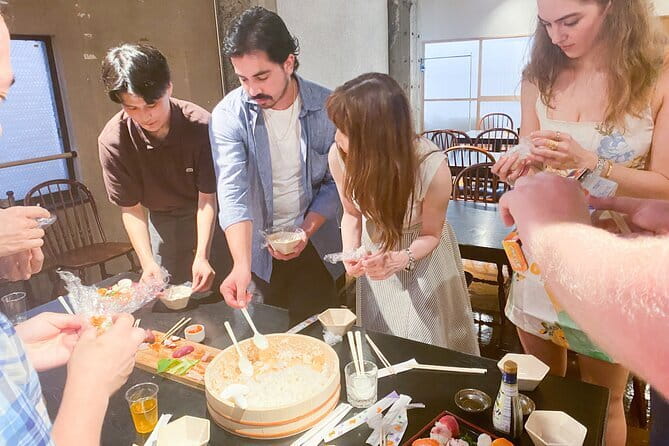
- Small group (max 8) means more hands-on coaching when your rice, seaweed, or shaping gets tricky
- Step-by-step maki rolling helps you learn how the seaweed wrap stays tight and even
- Temari shaping guidance turns bite-sized rice balls into something you can replicate back home
- Included ingredients, tools, aprons, and disposable gloves keeps the experience stress-free
- 1-hour tasting with drinks gives you a relaxed finish while you eat what you made
- Central Osaka location is quiet even though you’re near major stations like Shinsaibashi and Honmachi
Osaka Maki and Temari Sushi: What You’ll Actually Learn
This class is all about making two kinds of Japanese sushi that people commonly make at home: maki sushi rolls and temari sushi (cute, bite-sized rice balls). The big value here is the step-by-step rhythm. You start with an orientation, then you get time on the tools and ingredients, and then you eat what you made with drinks.
If you’ve ever tried to recreate sushi at home and found yourself stuck on the basics—rice texture, how tight to roll, how to shape without getting sticky fingers—this is the kind of lesson that targets those problems directly. The teaching is structured so you build confidence as you go.
You can also read our reviews of more tours and experiences in Osaka.

The 3-Hour Format That Keeps Things Fun (and Not Too Long)
You’re looking at about 3 hours total. The timing is simple and easy to follow: a short setup period, a focused cooking session, then a relaxed tasting block.
First comes 30 minutes of orientation and preparation. This is where you get the rules of the road—how to handle the ingredients, what to aim for with rice and seaweed, and what each group step looks like. For me, that early guidance matters because sushi can feel intimidating until someone makes the process feel doable.
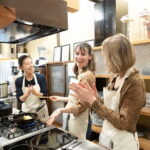
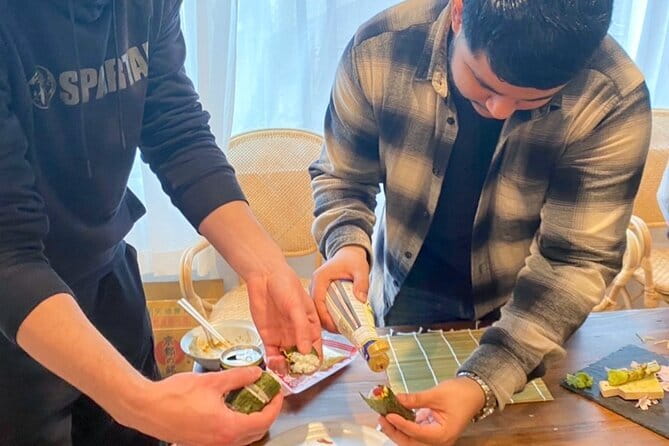
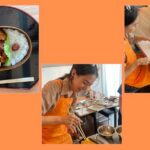
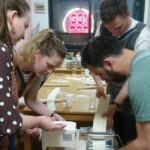
Next is about 1.5 hours of hands-on cooking. This is the core. You’ll be working with the ingredients and tools the whole time, and the instructors are there to correct technique and help you move faster than you would alone.
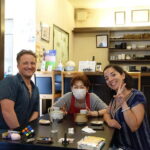
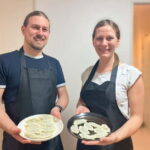
Last is about 1 hour of tasting with drinks. This part feels like a celebration instead of a rushed wrap-up. It’s also a practical chance to compare what you made with what you were aiming for while your skills are still fresh.
Where the Class Is in Osaka (And Why the Location Helps)
The kitchen is in the heart of Osaka, with a stated 5-minute walk from both Shinsaibashi and Honmachi stations on the Osaka Metro. That matters because sushi lessons can be a hassle if you’re stuck in transit—here, you can plan your day without wasting time.
It’s also described as quiet and peaceful, even though it’s central. That combo is rare: you get access to city convenience, but the lesson doesn’t feel like chaos. Practically, it’s easier to focus when you’re not dodging foot traffic the whole time.
The meeting point address is listed as 南船場コレット (Bakurōmachi area, Chuo Ward). Since it’s a short walk from two stations, I suggest you pick the station you’ll naturally pass when you’re already in that part of town, then head there with a little buffer time.
Maki Sushi Rolls: The Skill You’ll Actually Use Again
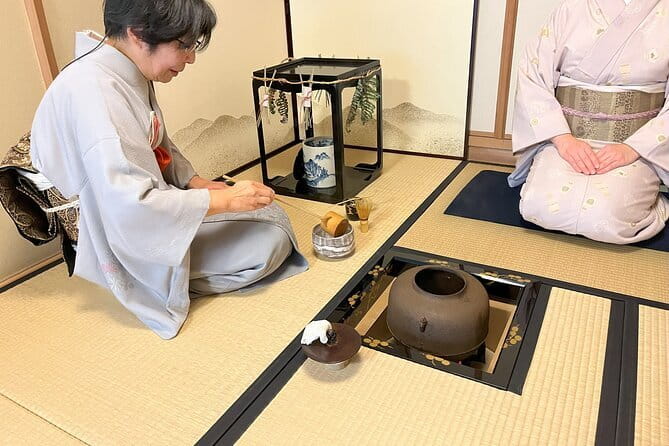
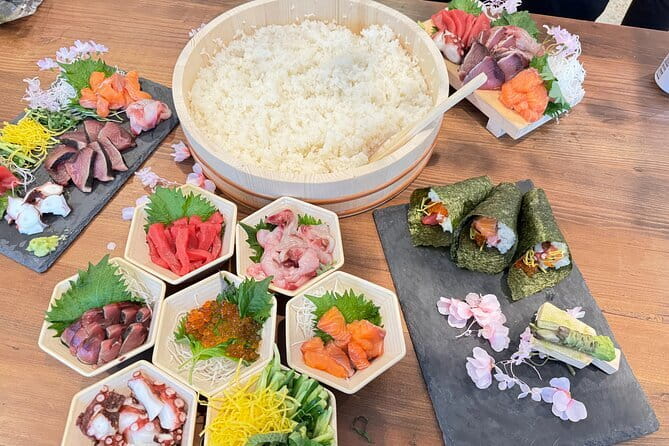
Maki sushi is the classic “sushi roll” everyone recognizes. In this class, you’re working with the key elements: rice, fish, vegetables, and seaweed. The goal isn’t just to assemble something that looks right—it’s to understand how the roll holds together.
Here’s why this lesson is useful for real life. When you try maki at home, the hardest part is often not the ingredients—it’s the technique and timing. How much rice you spread, how you align the fillings, and how you roll without loosening everything. A guided class gives you a clear target for what “good” looks like while you’re still learning.
You’ll also appreciate that the class provides the tools and ingredients. Instead of figuring out what kind of seaweed you need or whether your knife skills are up to it, you can focus on the exact process the instructor is showing.
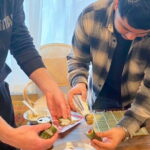
And yes, rolling can get a little sticky. You’ll be wearing an apron and disposable gloves, which makes it far more comfortable than doing it bare-handed in your own kitchen.
Temari Sushi: Cute, Bite-Sized, and Great for Beginners
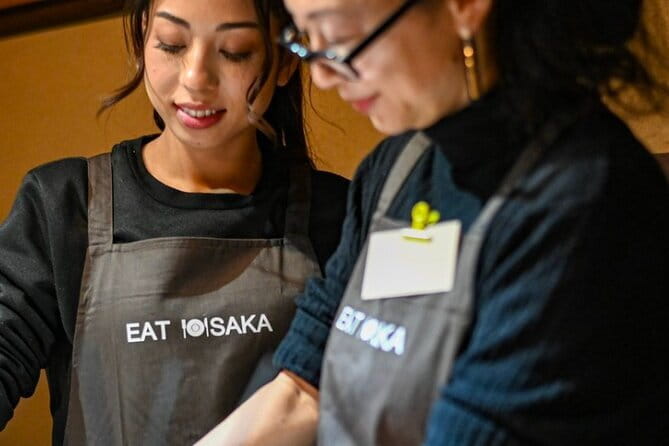
Temari sushi is the bite-sized cousin of maki: a ball-shaped sushi made with rice, topped with fish or vegetables. It’s visually adorable, and it’s also a smart learning step because the shape is simpler than a full roll—no seaweed rolling required.
What I like about learning temari is that it teaches you control. With temari, you can concentrate on rice texture and topping balance, instead of wrestling with wrap tension. The class gives you structure for shaping so you don’t end up with rice that falls apart or balls that are all over the place.
You might find the hands-on setup makes a difference too. The technique people often associate with easier shaping is using a barrier like plastic wrap to keep things tidy while you form the ball. Either way, the class tone is playful, so you’re working with less pressure and more progress.
Temari is also the one you can most easily serve at home when you don’t want to host a whole sushi-rolling assembly line.
The Teaching Team: Multilingual Help Without Confusion
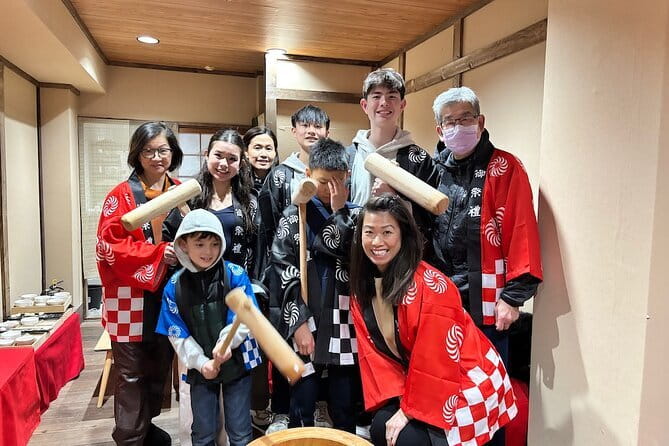
Instructors are described as fluent in English, Japanese, and (upon request) Spanish. That’s a big deal because sushi technique is detail-heavy. It helps when you can ask a question in your strongest language and still get clear instruction.
The class is capped at 8 travelers, which keeps it from turning into a crowded demo. Smaller group size typically means you get more frequent check-ins when your roll starts to loosen or your shaping needs tweaking.
Even if you’re not a confident cook, the class format gives you the right mix of instruction and practice time. You’re not thrown into a silent kitchen with a pile of ingredients and a hope-and-pray attitude.
Included Drinks and the Taste Test Payoff
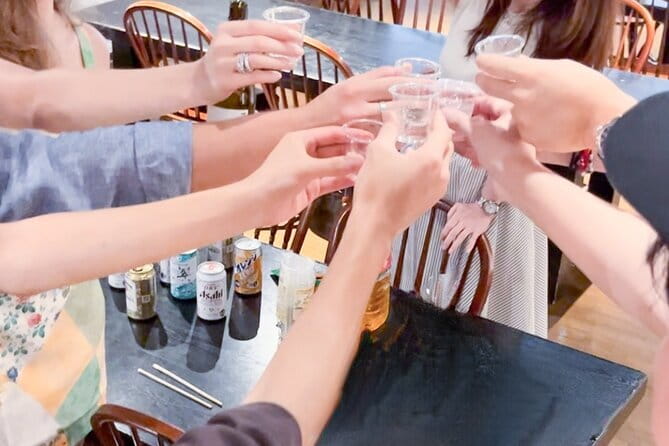
Your last hour includes drinks: Japanese sake and beer plus soft drinks. There’s also an important note: alcoholic drinks are served only to travelers 20 years old and above. If you’re traveling with kids or you’re under 20, you’ll still get non-alcoholic options.
This tasting block is one of the best values in the experience because you get to relax, compare, and enjoy. You’re not just eating a snack—you’re tasting the fruits of technique you learned earlier in the session.
Also, it’s a nice way to see what different versions of your sushi look like and how the flavors come together.
Price: Is $70 Good Value for Osaka?
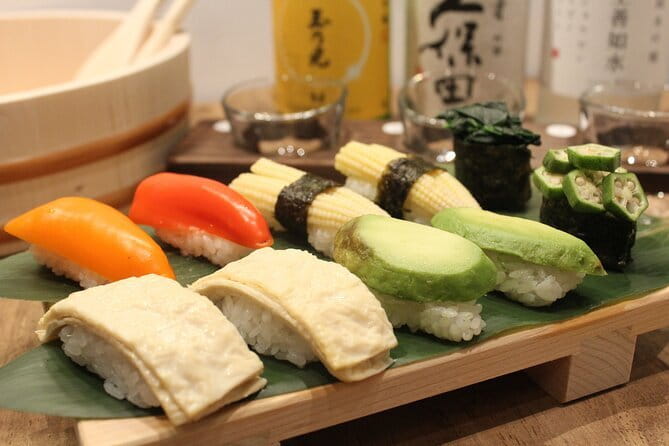
At $70 per person, this isn’t a budget-only activity. Still, it can feel like fair value because so much is bundled in.
You’re getting:
- A full 3-hour lesson
- All ingredients and tools
- Aprons and disposable gloves
- Multilingual instruction support
- And a tasting hour with drinks (sake/beer for age 20+)
If you tried to do this DIY, you’d spend money on ingredients, seaweed, specialty items, and tools, then spend time figuring out what to do when rice or rolling goes wrong. Here, you pay for the coaching and the organized practice time, not just the food.
For most people, the real cost comparison comes down to this: do you want a memory plus a repeatable skill, or do you mainly want to eat sushi? If you want skills, the package makes sense.
Who This Class Fits Best (And Who Might Prefer Something Else)
This is a great fit if you:
- Want a hands-on food experience in Osaka that’s not just sitting in a restaurant
- Like learning basic techniques you can repeat at home
- Travel as a couple, small group, or even with family (the class includes a fun atmosphere and drink options for adults)
It might be less ideal if you:
- Prefer mostly observational classes where you don’t cook
- Have very specific dietary needs and haven’t checked in first—vegetarian or allergy options require contacting the provider after booking
If you’re traveling with allergies, don’t guess. Message the team once you book so they can confirm what they can accommodate.
Practical Tips to Get Better Results Fast
Even with everything included, a few choices can make your sushi session smoother.
Bring energy for hands-on work. Sushi making rewards patience, especially early on when rice handling and seaweed prep set the tone.
Ask questions when you’re unsure about consistency. If your rice feels too sticky or your roll feels uneven, flag it right away. The class pacing works best when you adjust while you’re still in the learning phase.
If you’re the “photo first” type, remember you’ll want time to taste too. Take a couple of quick shots while you work, but give yourself room to enjoy the final hour.
And if you drink alcohol, keep it modest. You want your hands steady for shaping and rolling, and you’ll enjoy the tasting more without rushing.
Should You Book This Osaka Sushi Cooking Class?
I’d book it if you want a structured, small-group lesson where you walk out with two practical sushi skills: rolling maki and shaping temari. The biggest wins are the hands-on instruction, the fact that everything is provided, and the relaxed end with drinks.
I’d think twice only if you strongly dislike cooking mess (even with gloves) or if your diet is complex and you haven’t arranged accommodations yet. In that case, message the provider after booking so you’re not guessing.
If you’re planning your Osaka food days, this is a smart pick. It’s not just something you eat. It’s something you can bring home and do again.
FAQ
What will I make in this Osaka class?
You’ll learn to make maki sushi (sushi rolls) and temari sushi (bite-sized sushi rice balls).
How long is the experience?
The class runs for about 3 hours total.
Do I need to bring anything?
No. The class provides the ingredients and tools, plus aprons and disposable plastic gloves. You just come ready to cook and learn.
Are drinks included?
Yes. The class includes sake and beer plus soft drinks. Alcohol is only served to travelers 20 years old and above.
How big is the group?
The experience has a maximum of 8 travelers, so it stays small.
Can the class accommodate vegetarian diets or food allergies?
Vegetarian or food allergy options are available by request, but you need to contact the provider after you book.