REVIEW · OSAKA
Osaka Cooking Class and Sake Tasting with Local Supermarket Visit
Book on Viator →Operated by MagicalTrip Inc. · Bookable on Viator
Osaka tastes better with a plan. This 4-hour small-group experience pairs a supermarket ingredient hunt with hands-on Japanese cooking and a sake tasting at the end.
I love two parts most. First, the market-style shopping with guides like Yuka and Mari means you learn what to buy for niku-sui, okonomiyaki, and gyoza, not just what recipes say. Second, you get practical, step-by-step help while making okonomiyaki and learning to fold gyoza the right way.
One thing to consider: it’s active cooking time, so if you want a sit-and-watch class, this one may feel a bit hands-on and fast-paced.
In This Review
- Key Things You Should Know Before You Go
- Why This Osaka Experience Starts at a Supermarket (And Why You’ll Care)
- Osaka Cooking Class Studio Time: Okonomiyaki, Gyoza, and Niku-Sui
- Okonomiyaki: The Savory Pancake You Can Rebuild
- Gyoza: Folding That Makes the Difference
- Niku-sui: Beef Soup With Osaka Comfort-Style Energy
- The Sake Tasting Part: What It Adds to the Meal
- How the Max 7 Size Changes the Class
- Timing, Meeting Point, and Staying Sane on a 10:00 Start
- What You’ll Actually Take Home (Skills That Work After You Return)
- Price and Value: Is $92.50 Worth It?
- Who Should Book This Cooking Class and Sake Tasting
- Should You Book This Tour?
- FAQ
- What dishes will I make in the Osaka cooking class?
- How long is the experience?
- How much does it cost?
- How many people are in the group?
- Where does the experience start?
- What time does it start?
- Is the class beginner-friendly?
- Do I get to taste sake?
- Is the ticket mobile?
- Is there free cancellation?
Key Things You Should Know Before You Go
- You shop for real ingredients first, then cook the same items you picked.
- Hands-on instruction covers both okonomiyaki and gyoza techniques, with live guidance.
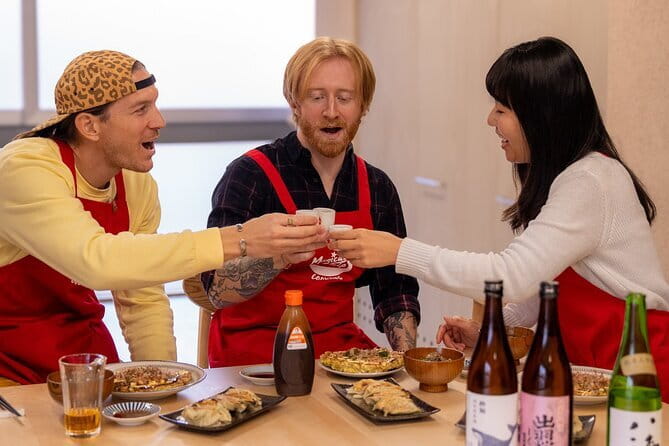
- Sake tasting happens with the meal, paired with local sake plus beer or soft drinks.
- Small group size (max 7) keeps feedback focused on what you’re doing.
- Beginner-friendly recipes mean you do real cooking without needing prior experience.
- You leave with dishes you can recreate, not just a list of steps.
Why This Osaka Experience Starts at a Supermarket (And Why You’ll Care)
The biggest difference here is the order of operations: you start with ingredients, not instructions. Meeting at FamilyMart Minamimorimachi station south side sets you up to begin in the middle of daily Osaka life. From there, you head to a local supermarket and do the kind of shopping you’d actually repeat at home.
This matters because Japanese cooking is often won or lost by small ingredient choices. When your guide points out what to look for—what labels to spot, what to choose for texture, and what works best for each dish—you’re not just following a class. You’re learning a system you can use later.
The guide names show up in the experience for a reason. In past sessions, Yuka led a full cooking flow, while Mari focused on shopping guidance, explaining what to pick for each recipe. That two-way approach is useful: you learn how to buy the right things, and then you learn how those choices behave on a hot pan or in a pot.
You should also expect a bit of sensory reality. Supermarkets can feel overwhelming when you don’t speak the language. Having a guide with you turns that stress into a checklist you can actually use.
You can also read our reviews of more tours and experiences in Osaka.
Osaka Cooking Class Studio Time: Okonomiyaki, Gyoza, and Niku-Sui
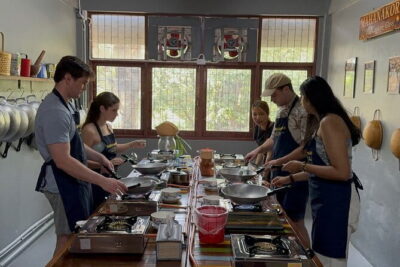
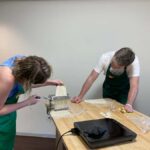
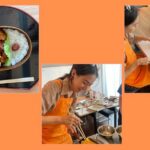
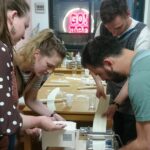
Once you’re back at the MagicalTrip studio, the class shifts from shopping mode into cooking mode. The focus stays practical: you’ll create iconic Osaka dishes, and you’ll do it with step-by-step direction rather than vague demonstrations.
Here’s what you’ll work on:
Okonomiyaki: The Savory Pancake You Can Rebuild
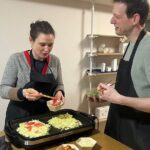
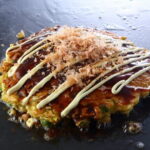
Okonomiyaki is a dish where technique shows up fast—mixing, spreading, cooking time, and timing all matter. You’ll craft the pancake in a way that makes sense even if you’ve never cooked Japanese food before. The key is that your instructor stays with you as you build it, so you’re not guessing what “right” looks like.
This is one of the best dishes for a class like this because it’s flexible. If you can learn the base method, you’ll be able to adjust at home later.
Gyoza: Folding That Makes the Difference
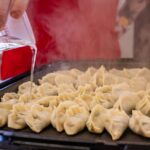
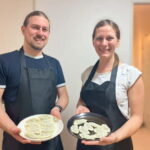
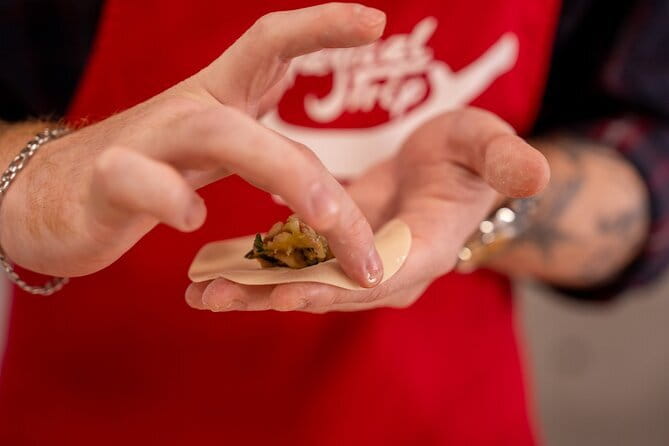
Gyoza is all about shape and sealing. In this class, you practice folding (not just assembling) and get guidance as you go. That’s important because the fold isn’t only for looks—it affects how the filling stays put and how the dumpling cooks.
Also, gyoza is perfect for taking home as a skill. If you can fold and pan-cook them once, you can repeat the process and improve with each batch.
Niku-sui: Beef Soup With Osaka Comfort-Style Energy
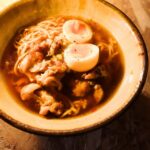
Niku-sui translates into a hearty beef soup style that fits Osaka food culture well. Even if you’re not a soup person, you’ll probably appreciate the logic: warm, filling, and built around flavors that work well with simple ingredients.
In a hands-on class, niku-sui is a good counterbalance to the pan work of okonomiyaki and gyoza. You get different textures and cooking methods within the same session, so your time feels varied instead of repetitive.
The Sake Tasting Part: What It Adds to the Meal
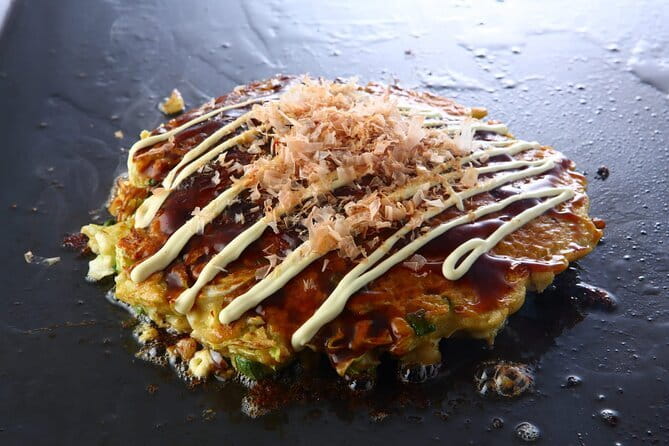
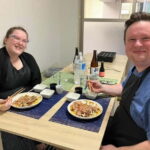
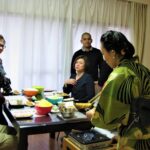
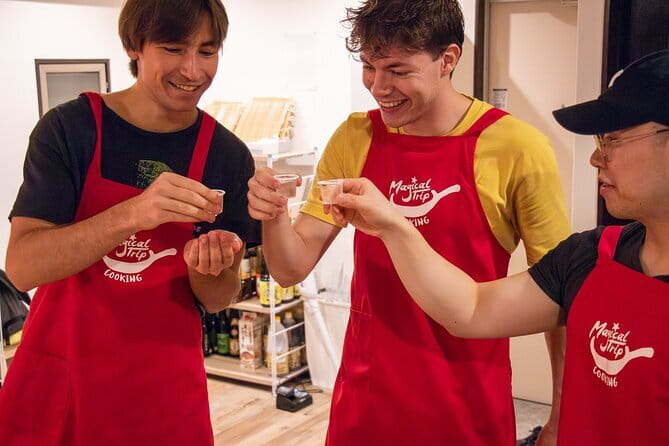
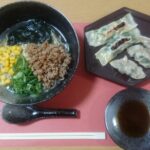
At the end, you don’t just eat what you made in silence. You enjoy the dishes with local sake, and you’ll also have beer or soft drinks available.
That pairing is more than a fun extra. Sake tasting helps you notice how flavors change with the right drink. You learn what people mean when they say certain drinks match savory foods well. Even if you choose beer or soft drinks instead of sake, you still get the practical lesson: taste the food, then taste it again with a different pairing.
From the feedback, this part lands well. People liked having sake tasting alongside the meal, and they also described the overall session as memorable and delicious. In other words, it’s not a token sip; it’s part of the rhythm of the class.
If you’re sensitive to alcohol or just don’t drink much, you have options with beer and soft drinks. That flexibility makes the dining portion feel inclusive.
How the Max 7 Size Changes the Class
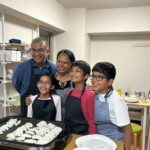
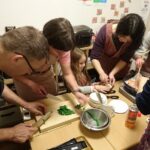
This is a maximum of 7 travelers type of group, and that size is a sweet spot for cooking lessons.
With a small group:
- You’re more likely to get correction while something is still fixable.
- Your questions don’t get lost in a wave of noise.
- You spend more time actively cooking and less time waiting.
One practical benefit: your instructor can explain adjustments based on what they see on your cutting board or pan. With cooking, outcomes are visible. If something looks off, the fix is usually immediate—more sauce, different heat, different timing—and that only works if the instructor can see what you’re doing.
This group size also helps the flow of gyoza folding and okonomiyaki timing. Those are skills that benefit from quick feedback.
Timing, Meeting Point, and Staying Sane on a 10:00 Start
The class starts at 10:00 am and runs about 4 hours. You meet at the FamilyMart Minamimorimachi station south side address in Tenjinbashi, Kita Ward. The exact address is: 530-0041 Osaka, Kita Ward, Tenjinbashi 2-chōme 310 1F.
A 10:00 meeting can be great in Osaka because you’ll still have plenty of day left after the class. But you should plan to arrive early enough to find the spot without rushing. Small studios and side-street entrances can be easy to miss if you’re walking fast.
The location is described as near public transportation, which matters because you don’t want the hardest part of the day to be figuring out transit right before you start cooking. Once you’re there, the route is straightforward: supermarket first, then the studio, and the activity ends back at the meeting point.
If you like to travel light, this is also a good time to do it. You don’t want your day to turn into a bag-carrying marathon between shops and the kitchen.
What You’ll Actually Take Home (Skills That Work After You Return)
This isn’t only about tasting Osaka for a day. The value is that you leave with repeatable methods.
Here’s what you should be able to do after:
- Shop smart for the core ingredients that power okonomiyaki, gyoza, and niku-sui.
- Cook okonomiyaki with a clear method you can repeat.
- Fold gyoza and pan-cook it without feeling like you need special training.
- Put together niku-sui as a comforting home meal, not a restaurant mystery.
The guided supermarket step is a major reason this works. A lot of cooking classes teach recipes but don’t teach ingredient decisions. When your guide explains what to pick for each dish, you’re building confidence for your next shopping trip.
In the feedback, Yuka and Mari were both praised for guidance, including what to look for while shopping and how to follow instructions while cooking. That’s the heart of the lesson. You aren’t left with guesswork.
Price and Value: Is $92.50 Worth It?
At $92.50 per person, you’re paying for more than “stand at a counter and watch.” You’re getting:
- A cooking class in a studio
- A local supermarket visit focused on ingredients
- A sake tasting component paired with the food you make
- Live instruction through multiple dishes (okonomiyaki, gyoza, and niku-sui)
- A small group cap of 7, which usually improves the quality of feedback
When you break it down, the price looks more reasonable because the class isn’t one single dish. It’s three core Osaka styles plus ingredient shopping plus tasting. In a city like Osaka, food-focused experiences can range widely, but this one feels tightly bundled: one guide, one plan, one skill-building session.
The best way to judge it for your budget is to ask: do you want food as a memory, or food as a skill you’ll use again? If you want the second option, this class tends to feel like good value.
Who Should Book This Cooking Class and Sake Tasting
This experience is ideal if you:
- Want a hands-on Osaka food lesson you can recreate at home
- Like learning through doing, not just listening
- Appreciate having a guide help you shop for the right ingredients
- Plan to eat a real meal and enjoy a sake tasting as part of it
It also fits mixed experience levels. The format is described as suitable for beginners and more experienced cooks. Even if you already know Japanese food, the supermarket guidance and technique focus (especially gyoza folding) can still improve your routine.
If you’re traveling as a solo person, a couple, or with friends or family, the atmosphere is described as relaxed and welcoming, with a small group that keeps things friendly rather than chaotic.
Should You Book This Tour?
I’d book it if you want an Osaka food experience that’s structured and practical. The supermarket stop plus the studio cooking plus the tasting is a strong combo, and the small group size helps you actually get guidance instead of just collecting photos.
Skip it if you dislike active cooking, don’t want to shop for ingredients with a guide, or you’d rather spend your time in Osaka on your own with independent restaurant hopping. This one is for people who want to learn technique, not just eat.
If you book, show up hungry and ready to cook. You’ll get the most out of the supermarket ingredient learning and the hands-on dish-making, and you’ll leave with a meal that tastes like Osaka plus skills you can repeat.
FAQ
What dishes will I make in the Osaka cooking class?
You’ll cook iconic dishes including niku-sui (beef soup), okonomiyaki, and gyoza (dumplings).
How long is the experience?
It runs for about 4 hours.
How much does it cost?
The price is $92.50 per person.
How many people are in the group?
The group size has a maximum of 7 travelers.
Where does the experience start?
You start at FamilyMart Minamimorimachi station South side, 530-0041 Osaka, Kita Ward, Tenjinbashi 2-chōme 3-10 1F.
What time does it start?
The start time is 10:00 am.
Is the class beginner-friendly?
Yes. The cooking class is suitable for beginner and experienced cooks.
Do I get to taste sake?
Yes. You’ll enjoy your dishes with local sake, and there are also beer or soft drinks available.
Is the ticket mobile?
Yes, the tour includes a mobile ticket.
Is there free cancellation?
Yes. Free cancellation is available up to 24 hours in advance for a full refund.
If you’d like, tell me your dietary needs and whether you drink alcohol, and I’ll help you think through how this format fits your style of travel.