REVIEW · ROME
Pizza, Gelato & Suppli Cooking Class by Colosseum
Book on Viator →Operated by EC Tours · Bookable on Viator
Pizza dough and gelato, done your way. This 3-hour Rome cooking class has you mixing, shaping, frying, and tasting, guided by an expert chef. I love the hands-on teaching (not just watching), and I love that you sip Italian wine while you eat what you made. One thing to plan for: there’s no hotel pickup, so you’ll need to get yourself to Via della Polveriera, 9.
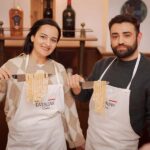
The class is capped at a small group size (max 12), and it runs in English, which matters when you want clear tips for dough texture and frying timing. Past sessions have been led by instructors such as Alessandro, Davide, Max, Marco, Jacoba, with assistants like Rashid helping out.
If you have gluten intolerance, you can usually be accommodated, but this experience is not recommended for people with celiac disease. So if gluten is a hard no, you’ll want to choose something explicitly celiac-safe instead.
In This Review
- Quick highlights
- Pizza, Gelato and Supplì: what this 3-hour format really gives you
- Getting to Via della Polveriera, 9 without wasting time
- Pizza session: dough, shaping, and topping choices that taste Roman
- Supplì: crispy risotto balls with melted mozzarella (and real frying tips)
- Gelato making: smooth texture, smart flavors, and a cool finish
- Wine, group size, and the pace: why the class feels friendly
- Price and value: is $119.47 fair for Rome?
- Dietary needs: gluten intolerance and the celiac question
- Who should book this class in Rome (and who might not)
- Should you book this Pizza, Gelato & Supplì Cooking Class?
- FAQ
- How long is the cooking class?
- Where does the class start and end?
- Is the class taught in English?
- How large is the group?
- Are drinks included?
- Can the class accommodate gluten intolerance?
- What is the cancellation policy?
Quick highlights
- Dough-to-dinner structure: you learn pizza fundamentals first, then move to supplì, then gelato.
- Roman-style focus: you get practical guidance on Roman supplì and how Roman dough differs from Neapolitan.
- Wine included: premium Italian wines are part of the experience, not an extra add-on.
- Small group, real feedback: a max of 12 travelers keeps the chef’s attention on you.
- Learn teachable shortcuts: expect hands-on guidance on shaping, topping choices, and frying technique.
Pizza, Gelato and Supplì: what this 3-hour format really gives you
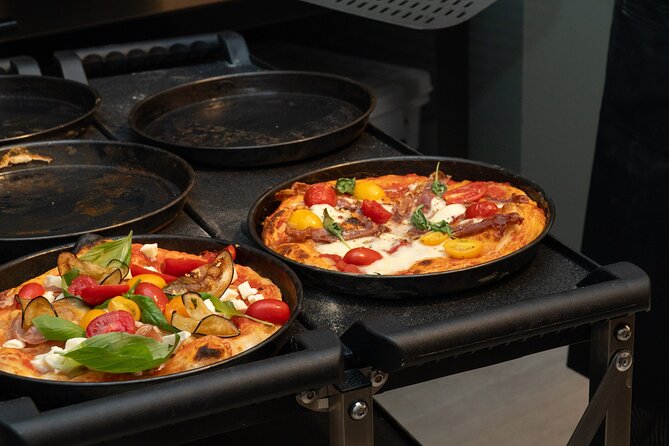
This isn’t a quick tasting tour where you sample three bites and call it a day. The value here is time at the counter: you’ll work through three classic Italian dishes with a chef coaching your hands as much as your head.
The class breaks into a simple flow. You start with pizza (dough and shaping), then make Roman supplì (the crispy risotto ball with melted mozzarella), and finally churn gelato. It’s a nice arc because the skills build: dough handling leads to shaping skills, shaping leads to portioning/frying, and frying gives you a reason to enjoy a creamy dessert right afterward.
For many people, the best part is leaving with the confidence to repeat the dishes at home. A few groups report getting take-home materials like recipe notes and photo-friendly tips, so check what’s provided during your session when you meet your chef.
You can also read our reviews of more tours and experiences in Rome.

Getting to Via della Polveriera, 9 without wasting time
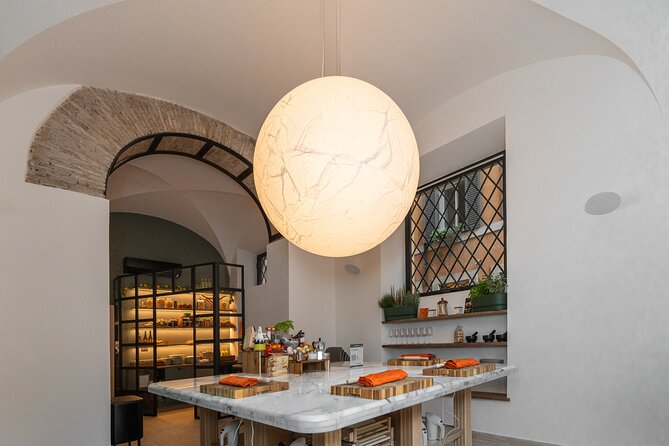
You start at Via della Polveriera, 9, 00184 Roma RM, and the class ends back at the same meeting point. That simple “back to start” setup is great in Rome, where transfers can eat your afternoon.
You’ll also have a mobile ticket, which is convenient on a phone (and avoids last-minute printing). Since hotel pickup and drop-off aren’t included, I suggest planning your arrival like you would for a dinner reservation: show up a bit early, with your phone charged, and do a quick orientation walk in the Colosseum neighborhood first.
One small practical note: you’ll be in a cooking environment. Comfortable shoes help more than you think, especially when you’re leaning in to watch a chef demonstrate kneading, shaping, or frying.
Pizza session: dough, shaping, and topping choices that taste Roman
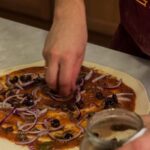
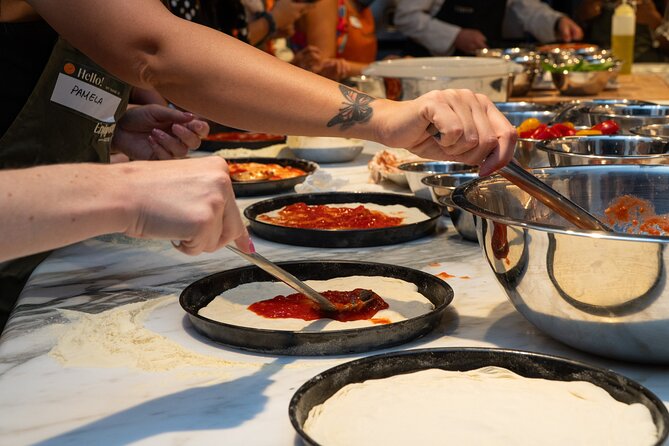
Pizza making is the first anchor of the class, and it’s where you get the most “teach yourself later” skills. You’ll be guided on preparing the pizza dough from scratch and shaping it so it bakes into a proper Italian-style base, not a thick bread substitute.
A helpful detail you may notice as you work is that your chef will likely explain differences between Roman and Neapolitan dough. Roman-style guidance often focuses on technique and texture, so you can understand why the same ingredients can yield a different result depending on how the dough is handled.
Then comes toppings—where most people fail at home because they treat pizza like a random buffet. Here, you’ll get instruction on selecting toppings that work together, plus how to place them so the pizza doesn’t get soggy or overloaded. If you like pizza but hate guesswork, this is the section that saves you.
Supplì: crispy risotto balls with melted mozzarella (and real frying tips)
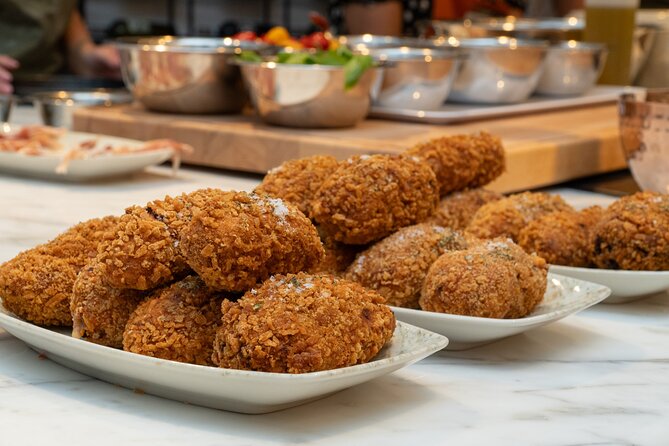
Roman supplì are one of those street-food icons you can eat anywhere in Rome, but they’re hard to nail without guidance. In this class, you’ll learn the process of making supplì step by step, with a focus on getting the right mix, portioning, and coating so you end up with that crisp shell.
Expect your chef to emphasize texture. Supplì should be crispy outside and creamy inside, with melted mozzarella at the center. That means timing matters, and your chef’s hands-on coaching is the difference between a “fried snack” and the real Roman version.
Frying is where you’ll appreciate the small group size. A max of 12 travelers makes it easier for the chef to check your technique while you work, rather than you waiting your turn for a quick look.
Also, if you’re coming with kids or teen cooks, this is often a fun station. One session highlight from past classes was how a chef explained the process patiently and gave concrete kneading and shaping tips that younger hands could actually follow.
Gelato making: smooth texture, smart flavors, and a cool finish
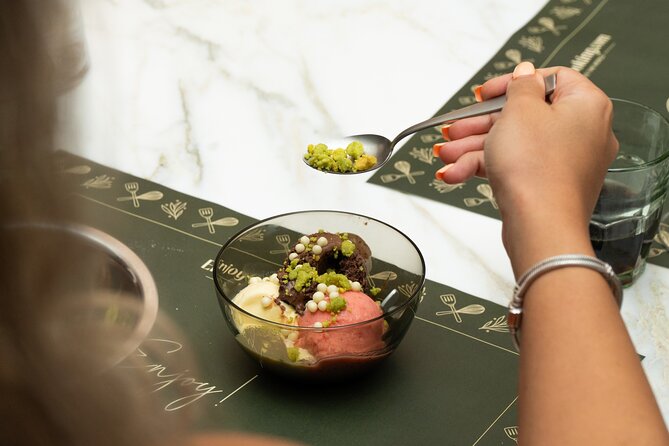
Gelato is the sweet closer, but it’s not just a “watch the machine” moment. You’ll learn the process for making Italian gelato and enjoy the flavor results you help create.
Your chef will guide you through what makes gelato smooth and flavorful, and you’ll likely sample both traditional and modern flavor options. Citrus often shows up in Roman desserts, and in at least one past session the chef walked participants through juicing fresh lemons for a sorbet-style finish, which is the kind of real ingredient practice that helps you later.
The bigger value here is understanding technique. Gelato is easy to get wrong at home if you only think of it as sweet cream. In class, you get to see the steps in action—so you’re not just guessing on texture.
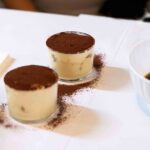
And yes, you’ll eat your gelato at the end of the session. After pizza and fried supplì, it’s exactly the reset your palate wants.



Wine, group size, and the pace: why the class feels friendly
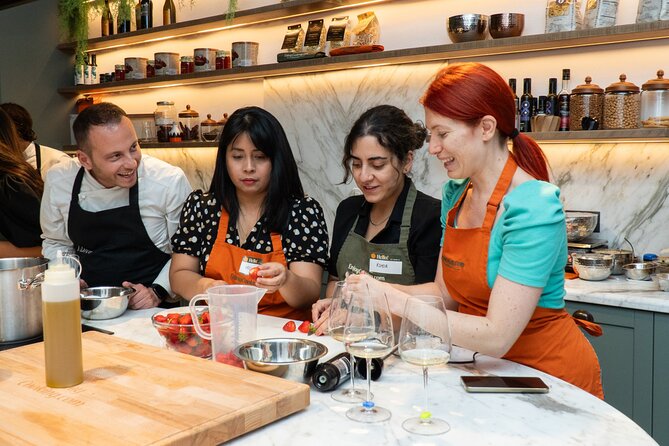
Included in the price are selection of Italian premium wines. For a lot of people, that’s the difference between a “cooking lesson” and a proper meal experience. You’re not just working; you’re also tasting along the way.
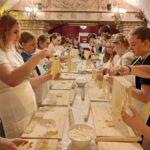
Group size is capped at 12, and you’ll feel that in the way the chef interacts. Small groups mean you can ask questions mid-process, get adjustments on dough shaping, and not feel rushed at the stations.
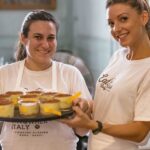
From the instructor perspective, several chefs associated with this class (like Alessandro, Davide, Max, Marco, Jacoba) are described as personable, funny, and patient. That matters because cooking can be humbling. When the chef keeps the mood light while still teaching clearly, it turns into an activity you remember for the right reasons.
Price and value: is $119.47 fair for Rome?
At $119.47 per person, you’re paying for a 3-hour, hands-on class with three dishes plus wine. That’s not a budget activity, but the value math is stronger than it looks at first glance.
Here’s what you’re getting:
- Real instruction at each dish station (pizza, supplì, gelato)
- Premium Italian wine included with the experience
- A structured meal outcome: what you make is what you eat
- A small group cap (max 12), which usually means more individual attention than big-group demos
Also, Rome cooking classes often have a wide price range. This one feels positioned as a “do the cooking” experience rather than a short show-and-taste. If you’re the type of traveler who wants something practical—skills you can repeat—this is the sort of purchase that can pay off months later when you’re craving Roman flavors at home.
If you’re mainly looking for a scenic activity or a long sit-down meal, you might find the cooking work a bit intense. But if you enjoy hands-on travel, the cost starts to feel reasonable.
Dietary needs: gluten intolerance and the celiac question
The class can accommodate most dietary restrictions, but it’s not recommended for people with celiac disease. If you’re dealing with gluten intolerance (not full celiac), you can likely be accommodated—just communicate your needs when booking so the chef can plan accordingly.
I also suggest you double-check specifics once you’re confirmed. Gluten and cross-contact can be tricky in any shared kitchen environment, and the info you have here is clear that celiac isn’t the target audience.
If your diet limits other ingredients, you’ll want to ask what substitutions are possible for dough, fillings, and gelato flavorings. The class is designed to be flexible, but you should still get clarity before you commit.
Who should book this class in Rome (and who might not)
This is a great fit if you:
- Want a hands-on activity that ends with you eating three handmade Italian dishes
- Like learning “how to” skills (pizza dough, supplì shaping, gelato texture)
- Travel as a family or group and want something that works across ages
- Care about small-group attention and English instruction
It may be less ideal if:
- You need hotel pickup (since none is provided)
- You have celiac disease and need a celiac-safe setup
- You prefer to observe rather than cook (this class is built around participation)
Should you book this Pizza, Gelato & Supplì Cooking Class?
If you want an experience that feels like Rome—rather than a generic food stop—this class is a strong choice. You’ll leave with three techniques that connect directly to Roman street snacks and Italian dessert culture: pizza shaping, Roman supplì frying, and gelato-making basics.
I’d book it when:
- You want a memorable food activity that’s not just tasting
- You’re traveling with family or friends and want everyone involved
- You value instruction in English and a small group setting
I’d think twice when:
- Gluten must be completely eliminated for safety
- You don’t want to travel on your own to Via della Polveriera, 9
- You’re short on time and only want a quick bite
All in all, this is the kind of cooking class that turns a meal into a skill.
FAQ
How long is the cooking class?
It runs for about 3 hours.
Where does the class start and end?
The meeting point is Via della Polveriera, 9, 00184 Roma RM, Italy, and the activity ends back at the same meeting point.
Is the class taught in English?
Yes. The class is offered in English.
How large is the group?
The class has a maximum of 12 travelers.
Are drinks included?
Yes. Premium Italian wines are included as part of the experience.
Can the class accommodate gluten intolerance?
It can accommodate most dietary restrictions, but it is not recommended for people with celiac disease.
What is the cancellation policy?
You can cancel for a full refund up to 24 hours before the experience starts. If you cancel less than 24 hours before, the amount paid is not refunded.