REVIEW · PARMA
Pasta, Truffle and Wine: hands-on class in a medieval town
Book on Viator →Operated by Pasta Special Cooking Class · Bookable on Viator
Truffle pasta with a medieval view. That is the mood of this small, hands-on cooking class near Parma in the hills.
You escape the heavy tourist circuit and spend about three hours in Calestano, a quiet medieval village, learning in a real family home. I like that the group is kept intimate, and you cook for a meal you actually get to enjoy right away. One thing to plan for: this experience depends on good weather, so cloudy, rainy days can change the experience timing or format.
In This Review
- What I Liked Most (and What to Consider)
- Key Highlights You’ll Actually Care About
- From Parma Meeting Point To Calestano: The Hills Shift Your Day
- Inside Virginia and Mamma Nadia’s Home: Family-Style Welcome
- The Cooking Lesson: Making Ricotta Ravioli and Tagliatelle
- Soft ricotta ravioli: feel comes before speed
- Tagliatelle: the sauce depends on how you roll
- What you’ll notice during cooking
- Starter and Wine: A Parma-Style Welcome Before the Main
- The Terrace Meal: Fresh Pasta, Homemade Sauce, Tiramisù
- Optional Truffle Upgrade: When It’s Worth Paying More
- Who This Class Is Perfect For (and Who Might Prefer Something Else)
- Timing and Duration: Why Three Hours Feels Right
- Is $95.54 Good Value for This Experience?
- Tips to Make Your Day Easier
- Should You Book This Pasta and Truffle Class?
- FAQ
- Where does the experience start and end?
- How long is the class?
- What language is the class offered in?
- What pasta will I make?
- Is there an option for truffle?
- Do I get lunch or just pasta tasting?
- What’s included in the starter?
- How big is the group?
- If I don’t have a car, is transportation available?
What I Liked Most (and What to Consider)
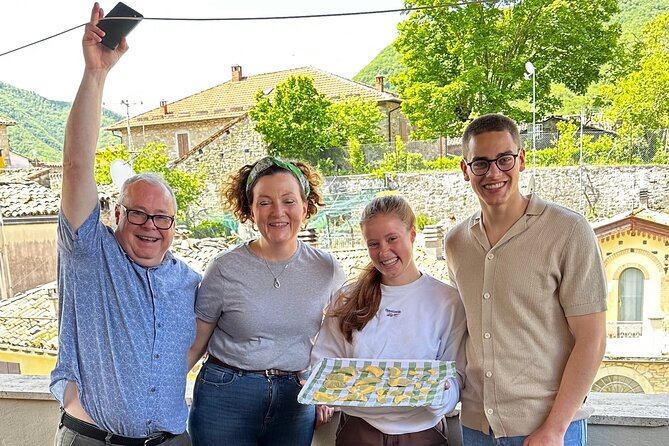
Virginia and Mamma Nadia teach you how to make two traditional pastas from scratch: soft ricotta ravioli and silky tagliatelle. I also love the way the meal is built around what you just made, with local wine, a tasting starter, and family tiramisù on a panoramic terrace.
The main consideration is weather. If conditions are poor, your date may be changed or you’ll get a refund, so if you’re traveling in a shoulder season, I’d keep your schedule flexible.
Key Highlights You’ll Actually Care About
- Small group cooking: intimate format with a class capped at 8 guests, plus an overall max of 12 travelers.
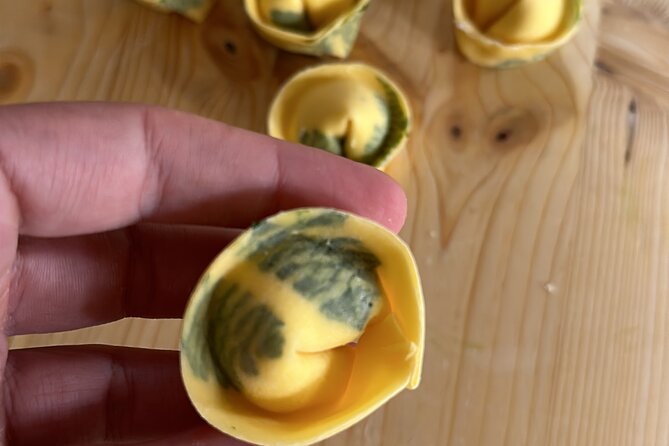
- Two pasta types, from scratch: ricotta ravioli and tagliatelle, not just one quick lesson.
- Seasonal organic ingredients: the sauces and fillings follow what’s in season.
- Optional black truffle upgrade: sourced locally from the hills around Calestano.
- Starter built like a Parma meal: cured meats plus two vintages of Parmigiano Reggiano with a glass of local wine.
- Terrace eating with views: wine and family-style tiramisù after cooking, overlooking the medieval town.
From Parma Meeting Point To Calestano: The Hills Shift Your Day
Your experience starts back at V.le Mentana, 140, 43121 Parma. That matters because you’re not piecing together buses and timed tickets while hungry and excited. You’re set up for a smooth start and a smooth return.
If you don’t have a car, transportation from Parma can be arranged. Reviews also point to a shuttle option with a fee, so I’d factor that into your total budget and not assume transport is always included at no extra cost. Either way, the transfer time is part of the charm: you trade city noise for quiet countryside roads and slow scenic glimpses.
You’ll reach Calestano, a calm medieval town in the Parma hills. It feels like a different pace of life than central Parma, and that change is not just scenery—it frames the whole cooking experience. You arrive ready to focus, then you cook, then you eat where you can actually relax.
Inside Virginia and Mamma Nadia’s Home: Family-Style Welcome
Once you’re in Calestano, you’re not funneled into a big workshop. This class happens in a real family home with Virginia and Mamma Nadia, and yes, the home comes with cats too. Expect Cesare and Cindy to greet you.
I like this setup because it keeps the lesson human. You’re more likely to ask questions and get specific answers, especially when you’re learning dough and filling techniques for the first time. The hosts also use English, so you won’t be guessing your way through the steps.
The atmosphere is warm and talk-first. You’re not just doing a food activity; you’re sharing a meal on someone’s terrace after cooking. That difference shows in the way the class is paced. It gives you time to learn the method, not just sprint through it.
The Cooking Lesson: Making Ricotta Ravioli and Tagliatelle
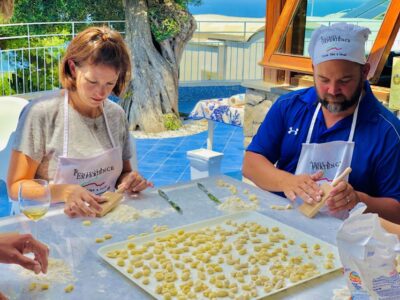
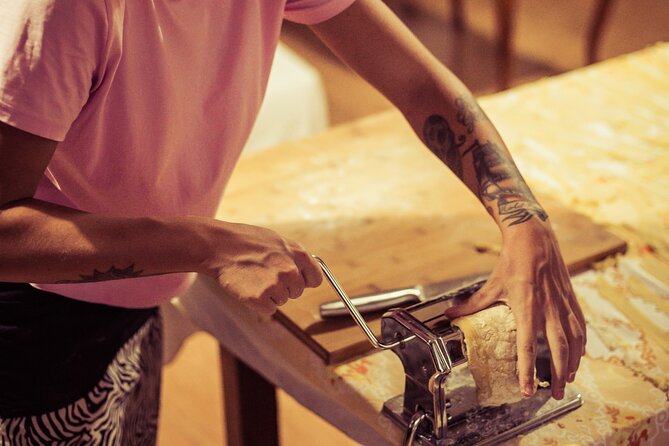
This is the core of the experience, and it’s hands-on from the start. You’ll work on two classic pastas: ricotta ravioli and tagliatelle. The goal isn’t only to get food on your plate. It’s to understand the technique well enough to recreate it later.
Soft ricotta ravioli: feel comes before speed
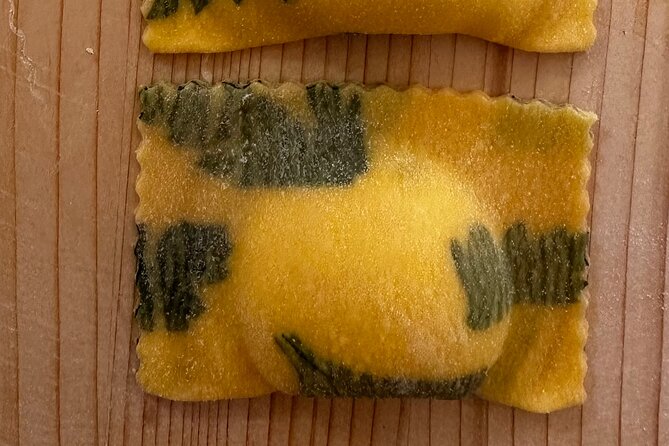
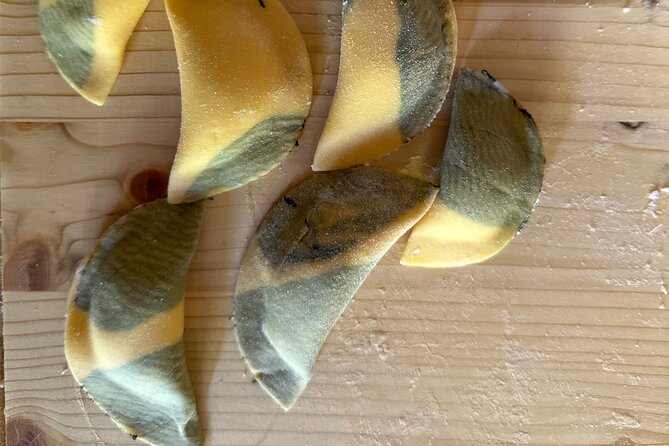
Ravioli dough can be unforgiving if you rush it, so the teaching style matters. You’ll work with a filling based on soft ricotta and seasonal ingredients, then shape the ravioli. The step that surprises many first-timers is texture: the right consistency makes everything easier, from sealing to cutting.
If you choose the black truffle upgrade, this is where it can make the dish feel extra special. The truffle is sourced locally from these hills, so you’re not doing a gimmick ingredient. You’re getting a regional upgrade that fits the setting.
Tagliatelle: the sauce depends on how you roll
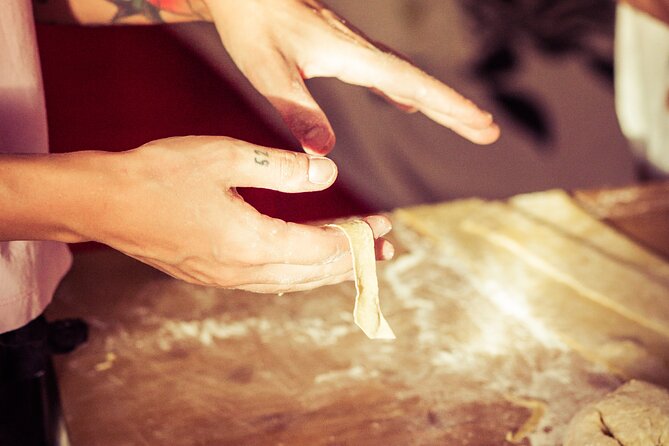
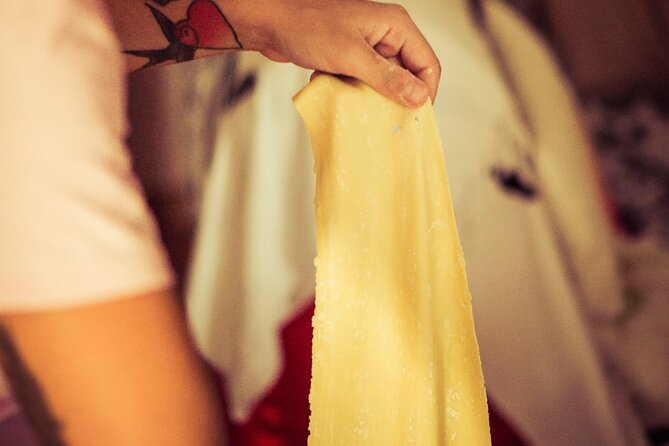
Then you move to tagliatelle, which is all about the ribbon. The lesson typically includes how to cut and shape so you get the right pasta bite. After that, the pasta is seasoned with a homemade sauce, and the exact ingredients vary with seasonality.
That seasonal shift is one of the most practical parts of the class for your next meal at home. You learn a method you can keep using even when the exact vegetables or herbs are different where you live.
What you’ll notice during cooking
A few things make this class feel grounded:
- You’re using fresh inputs and working at a human pace.
- You’re not memorizing a script; you’re learning why each step matters.
- The hosts explain in a clear, step-by-step way, so even if it’s your first time rolling dough, you can keep up.
And you’re doing all of this in a small group, which helps if you want extra help with shaping or dough thickness.
Starter and Wine: A Parma-Style Welcome Before the Main
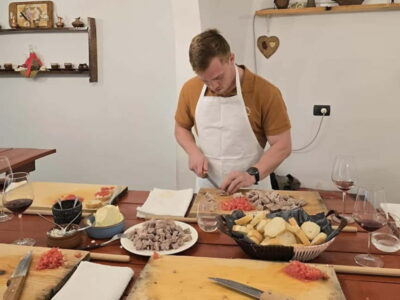
Before your pasta is served, you’ll start with an antipasti-style tasting that sets up Parma’s flavors. The starter includes typical Parma cured meats and two different vintages of Parmigiano Reggiano, paired with a glass of local wine.
This is a smart way to start because it ties the meal to the region. Parmigiano isn’t just a background ingredient here; it’s part of the tasting experience. I like that you get to notice how aging changes flavor, even within the same cheese family.
The wine matters too. It’s not just a prop. It’s part of the rhythm of the meal, and it makes the terrace time feel like a proper Italian lunch rather than a class where you watch other people eat.
The Terrace Meal: Fresh Pasta, Homemade Sauce, Tiramisù
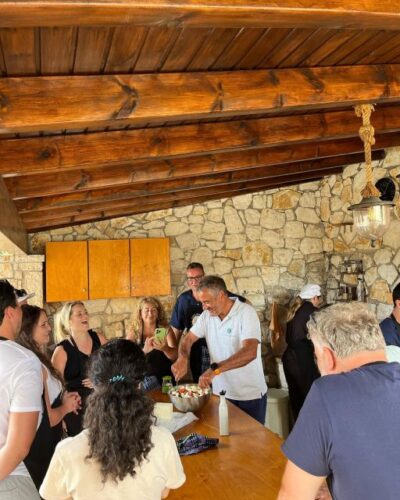
After you cook, you move into the eating portion on a panoramic terrace. This is where the experience turns from activity to memory. The views help, but the real win is that your meal arrives as a result of what you did, not something separate.
You’ll eat:
- The fresh pasta you made (ravioli and tagliatelle)
- A homemade sauce that changes with the season
- Family tiramisù for dessert
I love this format because it gives you a feedback loop. When you taste your ravioli and tagliatelle, you instantly understand what you did right. If the dough was too thick, you’ll feel it. If the sauce balance is off, you’ll notice. It’s one of the best ways to learn cooking without second-guessing.
And yes, there’s wine with the meal. Expect good conversation too, since this is a shared family-table vibe. It also helps that the class is set in a small town setting, so you’re not eating while rushing between crowded stops.
Optional Truffle Upgrade: When It’s Worth Paying More
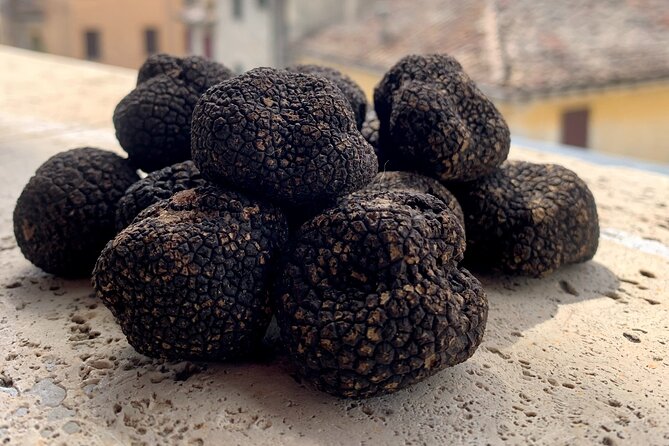
The black truffle upgrade is offered as an optional add-on. If you like truffle-forward flavors, this is the kind of upgrade that feels more meaningful than a random add-on. The truffle is described as sourced locally from these hills, which means it fits the regional story rather than feeling imported.
One practical note: truffle can be intense, so if you’re not sure you like the flavor, consider trying the standard version first. If you do love it, this is a good chance to experience truffle in a simple, pasta-centered way instead of something overly complicated.
Who This Class Is Perfect For (and Who Might Prefer Something Else)
This works best if you:
- Want a hands-on cooking lesson, not a demonstration
- Like food that’s tied to regional habits in Parma and the hills around it
- Enjoy small group experiences where you can actually talk and learn
- Want to eat well during the lesson, with starter, pasta, and dessert
It may not be ideal if you:
- Need a rigid, city-sightseeing schedule. This is a slow-food experience with time built in for cooking and eating.
- Are traveling only for quick photos. The value here is learning and sharing the meal, not running a checklist.
If you’re traveling with kids, it can be a surprisingly fun break because you’re doing something tangible and playful (rolling, filling, shaping). If you’re a solo traveler, it can also be a relief to land in a small group with a host who speaks English and keeps things moving.
Timing and Duration: Why Three Hours Feels Right
The class runs about three hours. That duration is a sweet spot: long enough for real pasta work, not so long that you lose energy halfway through. You’re also not trapped into the kind of half-day schedule that crowds your day in Parma.
Because the experience ends back at the meeting point, you can plan the rest of your day without guesswork. You can also return to Parma and still have time for dinner plans, ideally with a clearer sense of what you want to try next.
Is $95.54 Good Value for This Experience?
At $95.54 per person, the value comes from three places.
First, you’re paying for a small-group cooking class in a real family home, with hosts (Virginia and Mamma Nadia) guiding you through making two pastas from scratch. Second, the meal isn’t token food. It’s a full Parma-style setup: cured meats and Parmigiano tasting with wine, then your pasta with homemade sauce, then tiramisù. Third, the setting adds real comfort—terrace eating with the feel of a medieval town, not just sitting in a kitchen and sending you back out.
Are you paying for a “hands-on lesson plus lunch/dessert”? Yes. But that is the point. If you’ve ever taken a cooking class and felt like the food part was an afterthought, this one doesn’t do that.
Tips to Make Your Day Easier
These aren’t extra rules. They just help you enjoy the experience more:
- Bring curiosity, not perfectionism. Pasta dough teaches through small mistakes.
- If you care about truffle, decide in advance so you know which version of the filling and flavors to expect.
- Wear comfortable clothes for rolling and standing. You’ll be active.
- If you’re arriving without a car, confirm your transport plan early so you’re not stressed before you start cooking.
And remember: you’re not just learning to cook. You’re learning how these hosts think about food—simple, seasonal, and shared.
Should You Book This Pasta and Truffle Class?
I’d book it if you want an authentic, practical food day outside the crowds. The best part is that you do the work, then you eat the results on a terrace with wine, starters, and family tiramisù.
Skip it only if your idea of Parma is strictly museums, churches, and long walking routes with zero “hands dirty” time. This experience is about cooking, conversation, and a slower rhythm in the Parma hills.
If that sounds like your kind of day, this class is an excellent way to turn a stop in Parma into something you’ll remember while making pasta long after you’re home.
FAQ
Where does the experience start and end?
It starts at V.le Mentana, 140, 43121 Parma PR, Italy, and ends back at the same meeting point.
How long is the class?
The experience is about 3 hours.
What language is the class offered in?
The class is offered in English.
What pasta will I make?
You’ll prepare two types of pasta: soft ricotta ravioli and tagliatelle.
Is there an option for truffle?
Yes. There is an optional black truffle upgrade, sourced locally from the hills.
Do I get lunch or just pasta tasting?
Depending on the option you select, the experience includes either a pasta tasting only or a full meal after the class.
What’s included in the starter?
The starter tasting includes typical Parma cured meats, two different vintages of Parmigiano Reggiano, and a glass of local wine.
How big is the group?
The cooking class is for a maximum of 8 guests, and the activity has a maximum of 12 travelers.
If I don’t have a car, is transportation available?
You can arrange transportation from Parma, and the experience notes help is available if you don’t have a car.