REVIEW · TOKYO
Ramen & Dumpling Cooking in Tokyo with Chef/Vegan possible
Book on Viator →Operated by Luna Nueva "Japanese Cultural Experience" · Bookable on Viator
A ramen bowl starts with folding dumplings. This small-group class near Ekoda Station is a hands-on Tokyo food lesson with pro Amo and Yoshi, plus you make gyoza and ramen components from scratch. I especially like the personal coaching (max 12 people) and the chance to learn the broth-and-noodle logic behind great ramen; the one catch is you’re cooking and eating a lot, so you’ll want to come with an empty stomach and time for the residential-area trip.
You’ll meet at Ekoda Station and head to a spotless home kitchen in Nerima, where you’ll practice techniques, get feedback, and then plate a bowl that’s yours. The format is simple: pick morning or noon, follow step-by-step guidance, and leave with ideas you can repeat at home. One possible drawback: since it’s a neighborhood location, it’s not a quick walk from the usual central-sightseeing zones.
In This Review
- Key things I’d mark on your Tokyo checklist
- Entering a local Tokyo kitchen near Ekoda Station
- What you’ll make: gyoza, ramen noodles, broth process, and toppings
- How the 2-hour class flows without feeling rushed
- Small-group coaching with Amo and Yoshi (and why it feels personal)
- Vegan and dietary needs: what to plan for ahead of time
- A residential Nerima setting that changes the Tokyo feel
- What you’ll take home: ramen skills you can actually repeat
- Price and value: is $102.41 worth it?
- Who should book this ramen and dumpling class
- Should you book this Tokyo ramen and gyoza class?
- FAQ
- How long is the ramen and dumpling cooking class?
- Where does the class meet?
- How big is the group?
- Is there more than one class time?
- What will I cook during the class?
- Can the class accommodate vegan or dietary restrictions?
- Do I get recipes to take home?
- Is the activity near public transportation?
- Will I receive confirmation after booking?
- What if I need to cancel?
Key things I’d mark on your Tokyo checklist
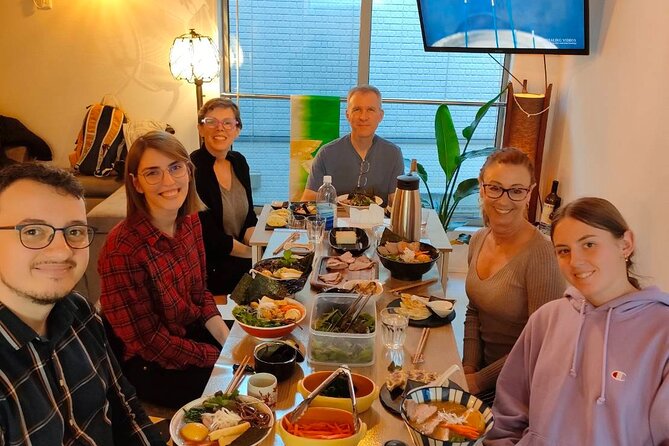
- Small group size (max 12) so you actually get help while you cook
- Hands-on ramen + gyoza: fresh noodles, broth process, folding dumplings, plating
- Morning or noon classes to match your day plan
- Vegan/vegetarian options possible if you tell the hosts what you need
- Residential home setting that feels like local Tokyo, not a show kitchen
- You eat what you make (seasoned egg, toppings, and your own signature bowl)
Entering a local Tokyo kitchen near Ekoda Station
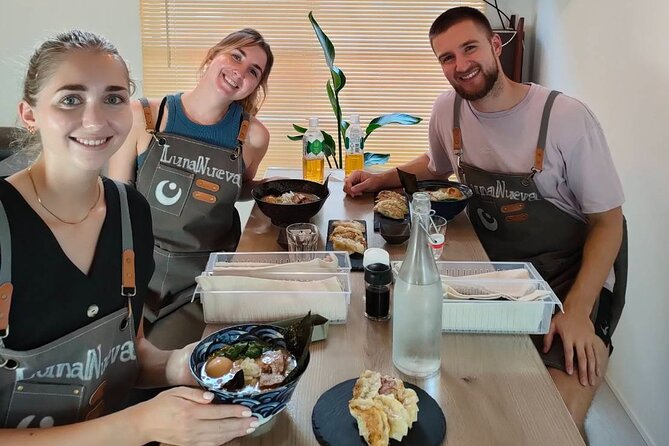
Tokyo classes can fall into two buckets: polished, commercial setups or smaller neighborhood spots where the home kitchen is the main event. This one is firmly in the second camp.
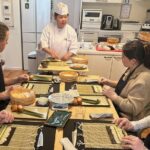
You start at Ekoda Station, then you’ll make your way to the home where the class happens. The meeting point is clearly pinned to Ekoda Station, with the activity ending back at the meeting point afterward. Expect the practical reality: you’re not staying inside central Tokyo, so it takes a bit of train time. The payoff is that you get a calmer view of daily life in Nerima, and you don’t spend the whole afternoon moving between crowds and convenience-store stops.
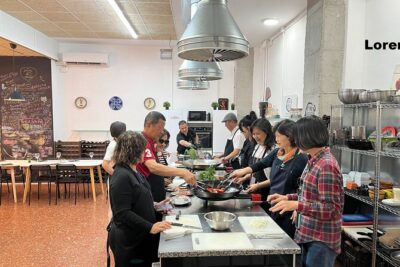
Also worth noting: the course is designed for a small group, with a maximum of 12 people. That small size matters more than you’d think. In a big class, you watch, you cook a little, and you hope your questions get answered. Here, the pacing feels built for questions—especially when you’re learning things that look easy but are finicky, like gyoza folding and getting the ramen bowl balanced.
You can also read our reviews of more tours and experiences in Tokyo.

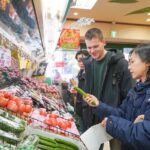
What you’ll make: gyoza, ramen noodles, broth process, and toppings
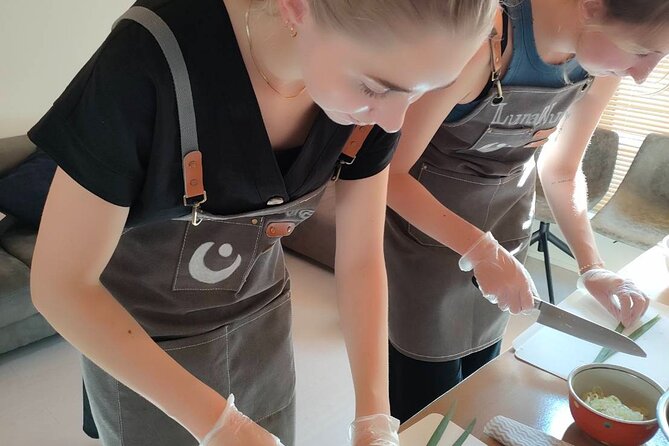
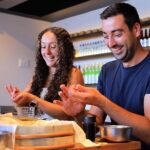
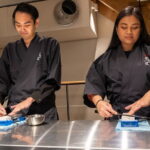
The heart of the experience is ramen—but it’s ramen as a project, not ramen as a tasting. You’ll practice multiple parts of the bowl so it all clicks together.
Here’s what you can expect to cook and assemble:
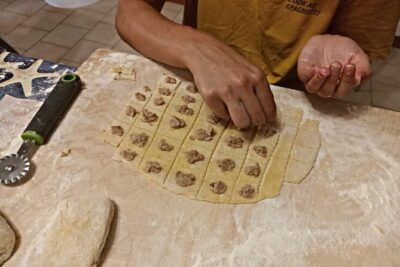
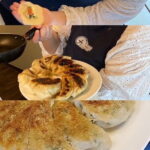
- Gyoza: you’ll fold the dumplings and learn technique while you go
- Ramen noodles: you’ll make fresh noodles, which changes how you understand the dish
- Broth process: you’ll learn how the broth comes together (and why timing matters)
- Seasoned eggs: you’ll make them as part of the final meal
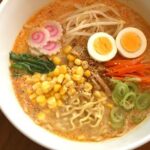
- Colorful toppings: you’ll assemble toppings and build your own signature ramen bowl
One of the best lessons in ramen is that it’s not just one recipe. It’s a workflow: broth depth, noodle texture, and toppings that add flavor contrast. The class nudges you toward that whole-dish thinking.
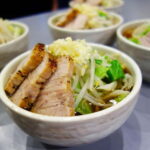
You’ll also do a proper finish: you plate noodles, soup, and toppings and create your own bowl. That last step is where the class stops feeling like a cooking demo and starts feeling like dinner you can actually be proud of.
How the 2-hour class flows without feeling rushed
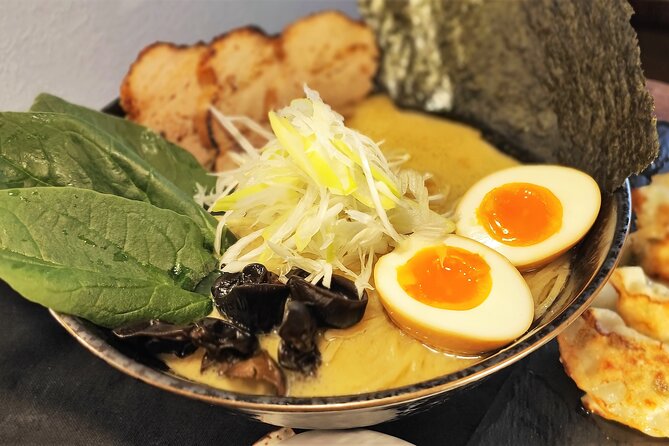
The class runs about 2 hours, and the pacing is built to fit real cooking work. You’re not just watching a chef do everything while you stand around.
While exact minute-by-minute timing can vary by group, the sequence usually follows a clear pattern:
- Meet and transition from the station to the home kitchen
- Ingredient and technique setup, so you know what you’re making and why it matters
- Hands-on gyoza prep, including folding dumplings
- Noodle work, where making ramen noodles becomes the main skill-building moment
- Broth process and assembly, including how flavor and timing come together
- Final plating: noodles + soup + toppings + your seasoned egg
- Eat what you cooked, in one sitting, while everything’s at its best
A detail that came up in feedback: the broth (and meat) may be prepared in advance by Yoshi because it’s time-consuming. That’s normal. It also makes the class smarter for you. You still learn the broth logic and process, but you don’t spend the whole lesson waiting for stock to reduce like it’s a science project.
Another reason the timing feels right: you get practice with feedback. When you’re folding gyoza or shaping noodles, small mistakes matter. In a small group, the host can correct technique before it turns into a plate of dumplings that are more like dumpling soup.
Small-group coaching with Amo and Yoshi (and why it feels personal)
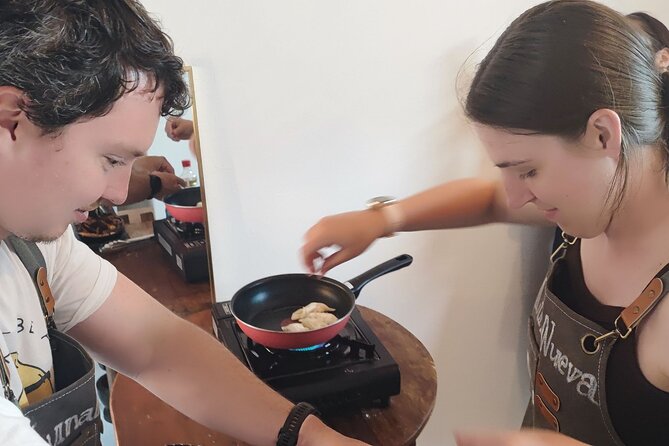
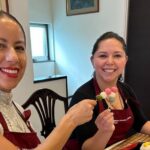
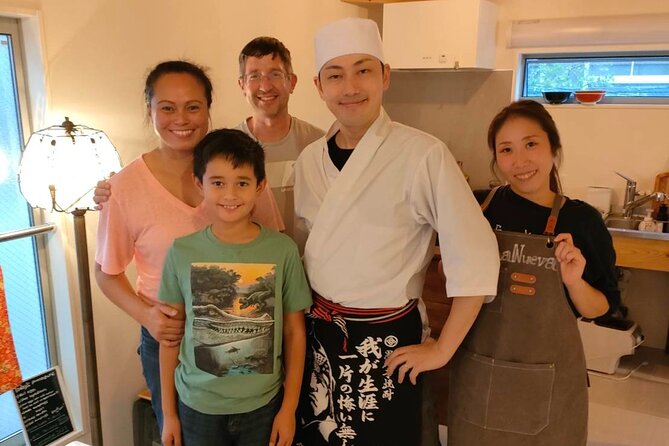
A big reason this class gets such high marks is the vibe. It’s not stiff. It’s not performative. Amo and Yoshi come across as patient teachers who clearly enjoy the craft and the people in front of them.
You’ll likely notice three coaching strengths:
- Step-by-step instruction that stays practical
- Real-time tips while you cook, not after you’re done
- A friendly conversation layer, where cooking is part of the cultural talk
More than once, the hosts were described as welcoming and easy to learn from, with a teaching style that makes beginners feel capable quickly. That matters if you’re not a confident home cook. You’ll still make mistakes—but you won’t feel stuck in them.
There’s also an added bonus that’s harder to package in a description: the hosts often share stories and restaurant-scene anecdotes. If you like food as a window into how people live, that part is the glue. You finish the class knowing not only what to do, but what to look for next time you’re eating ramen out in Tokyo.
And yes, you might get a bit of playful surprise along the way, like one person mentioning a hip hop moment. It’s not the main reason to go, but it signals the tone: relaxed, human, and fun.
Vegan and dietary needs: what to plan for ahead of time
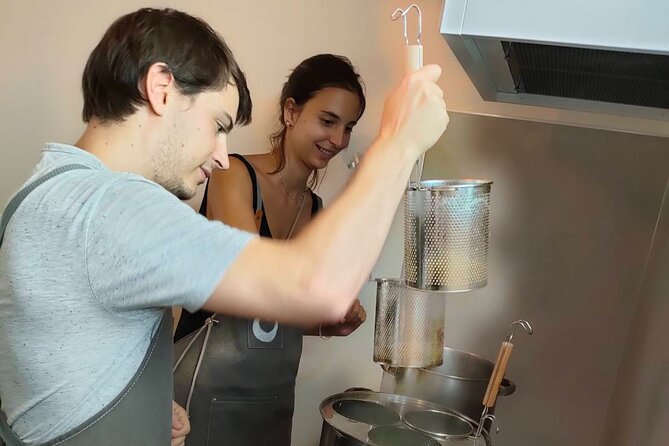
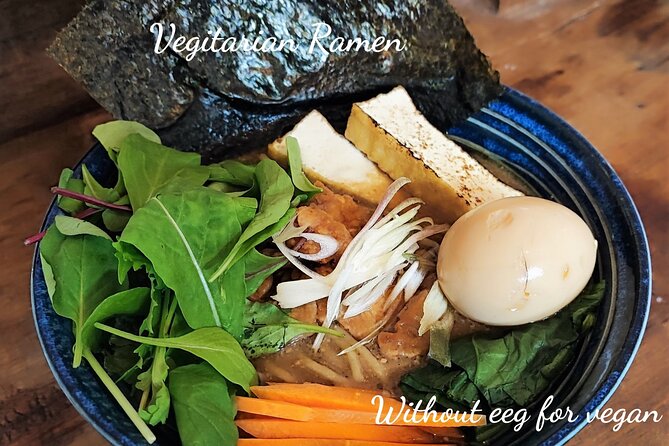
The class is labeled as vegan possible, and several reviews mention the hosts preparing options for restrictions. Specifically, there were reports of:
- Vegetarian options
- No fish/seafood options
- Care taken to give the right food choices for the group
So if you’re vegan or have dietary restrictions, don’t assume you’ll be served the default menu. Instead, treat this like any good home-cooking experience: tell them what you need clearly when you book.
A practical way to handle it:
- Mention vegan status (if that’s you)
- Mention if you need no fish/seafood
- Mention if you’re okay with eggs/dairy or not (the data clearly supports vegetarian and fish-free adjustments, but doesn’t spell out everything for every vegan version)
The big upside is that the hosts have shown flexibility in adapting menus. The only real consideration is communication timing. If you book late or keep details vague, you can’t expect the kitchen to guess.


A residential Nerima setting that changes the Tokyo feel
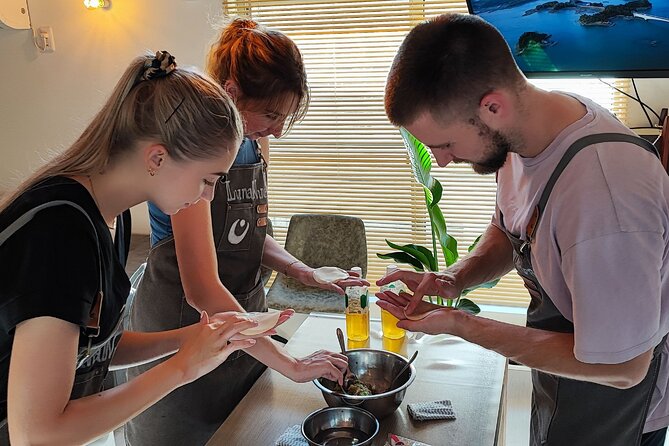
One of the most underrated parts of this class is where it happens. You’re cooking in a home setting in Nerima, not in a far-away tourist district.
That changes the experience in a good way:
- You see a quieter slice of Tokyo
- You get a chance to walk a neighborhood rather than just pass through it
- The clean, cozy home setup makes the whole thing feel comfortable instead of chaotic
People also noted how easy it was to navigate the train system to get there. You’ll still want to plan a bit of extra time the first time. But once you’re there, the transition from station to home helps you settle quickly, which matters when you’re about to handle dough and hot broth.
And because it ends back at the meeting point, you’re not stuck planning an extra route afterward. That reduces stress, especially if you’re trying to squeeze other things into the same day.
What you’ll take home: ramen skills you can actually repeat
This class is a lesson in technique, not just a meal. The goal isn’t that you memorize a list; it’s that you leave understanding how ramen parts work together.
Two skills stand out:
- Fresh noodle making (you’ll learn how texture and thickness feel when you do it)
- Broth process understanding, so you know what you’re aiming for when you taste and adjust
You’ll also practice gyoza folding, which is one of those skills that looks like craft but is really just good steps and patience. Once you’ve folded a batch in a real kitchen, you can walk into any future gyoza experience with more appreciation.
On top of cooking skills, many people mention that they got recipes to take home and could recreate the dishes later. One note for your expectations: delivery of recipes can vary. If you don’t receive them right away, it’s reasonable to follow up with the provider through the message channel used for your booking.
There’s also practical “what next” help that comes from the hosts. Some reviews mention tips for what to do around the city. Even if that’s informal, it can be genuinely useful when you want to spend your remaining Tokyo time on better food plans.
Price and value: is $102.41 worth it?
At $102.41 per person for about 2 hours, the value depends on what you want from Tokyo.
If you want a cheap meal, this is not that. If you want an organized, hands-on food workshop where:
- ingredients are provided,
- a chef teaches you directly,
- you make ramen noodles and gyoza,
- and you eat your finished bowl,
then it’s a strong deal for what you actually get. You’re paying for coaching and for the kitchen setup that makes ramen at home possible without guesswork.
Also, the small-group limit (max 12) helps the value story. When you pay for instruction, you want it to be personal. This format is set up for that.
Finally, there’s the “repeat value.” Once you can make noodles, fold dumplings, and build a bowl at home, you’re not just paying for one meal. You’re paying to learn a workflow.
Who should book this ramen and dumpling class
This class fits best if you match at least one of these categories:
- You love food and want technique, not just tastings
- You’re traveling with family or teens and want something interactive
- You want a more local-feeling Tokyo day, outside the busiest center
- You cook at home sometimes and want ramen confidence instead of takeout-only ramen
- You need dietary flexibility and want to ask about vegetarian or vegan-friendly options
It also works for couples doing a date that isn’t just dinner and shopping. The kitchen work gives you something shared to focus on, and the meal at the end feels like the reward.
One consideration: you should plan to be hungry. Reviews specifically advise coming hungry because there’s a lot of food. If you snack all morning, you might not enjoy the final bowl as much as you should.
Should you book this Tokyo ramen and gyoza class?
I’d book it if you want a hands-on Tokyo food experience that turns ramen from a restaurant obsession into a skill you can repeat. The biggest strengths are the small-group attention and the fact you cook key ramen components—especially fresh noodles and the broth process—rather than just assembling a bowl.
I’d skip it only if you want a quick, sight-focused activity with minimal cooking time, or if you strongly dislike residential neighborhood logistics. If you’re open to train time and you’re ready to eat what you make, this is the kind of class that becomes a highlight because you leave fed, taught, and proud of your bowl.
FAQ
How long is the ramen and dumpling cooking class?
The class runs for about 2 hours (approx.).
Where does the class meet?
The start point is Ekoda Station at 1 Chome-78 Asahigaoka, Nerima City, Tokyo 176-0005, Japan.
How big is the group?
The class has a maximum of 12 travelers.
Is there more than one class time?
Yes. You can choose a morning or noon class.
What will I cook during the class?
You can expect to make ramen and gyoza, including fresh noodle making, learning the broth process, and preparing items like seasoned eggs and toppings.
Can the class accommodate vegan or dietary restrictions?
Vegan is listed as possible, and the hosts have prepared vegetarian and fish/seafood-free options for some participants. Tell the hosts your needs when booking.
Do I get recipes to take home?
Many people mention receiving recipes they can use later. If you don’t receive them as expected, you can follow up through the platform messaging.
Is the activity near public transportation?
Yes, it’s near public transportation.
Will I receive confirmation after booking?
You should receive confirmation within 48 hours of booking, subject to availability.
What if I need to cancel?
Free cancellation is available up to 24 hours in advance for a full refund.