REVIEW · CORTONA
Cortona: Pasta and Pizza Cooking Class
Book on GetYourGuide →Operated by Casa Bellavista snc · Bookable on GetYourGuide
Cortona turns dinner into a hands-on afternoon. In a farm setting with sweeping Valdichiana views, you’ll cook the Tuscan way with Simonetta and then eat on an outdoor terrace.
I especially love the small-group, step-by-step teaching and the fact that you make a full meal yourself, not just watch. I also like the built-in break in the rose garden before you sit down to eat.
One possible drawback: it’s not built for everyone, since it’s not suitable for wheelchair users or people with mobility impairments, and there’s some walking involved.
In This Review
- Key points at a glance
- Casa Bellavista in Cortona: why the setting matters as much as the food
- Meet Simonetta and Guido, then get cooking at a real pace
- Fresh pasta: choosing ravioli or tagliatelle (and why that choice is smart)
- Pizza and focaccia: two Tuscan staples in one afternoon
- Mediterranean sauces and the small decisions that change flavor
- The rose garden break: when 360 views become part of the class
- Terrace dining at sunset, plus wine from a list of 85+
- Duration, group size, and who this class fits best
- Price and value: is $129 per person worth it?
- What to bring (and one smart move before you go)
- Should you book this Cortona pasta and pizza class?
- FAQ
- Where is the meeting point for the cooking class?
- How long is the Cortona pasta and pizza cooking class?
- How many people are in a group?
- What will I cook during the class?
- Can I choose between ravioli and tagliatelle?
- Is wine included?
- What languages are the hosts?
- What should I wear or bring?
- Can I cancel and get a full refund?
Key points at a glance
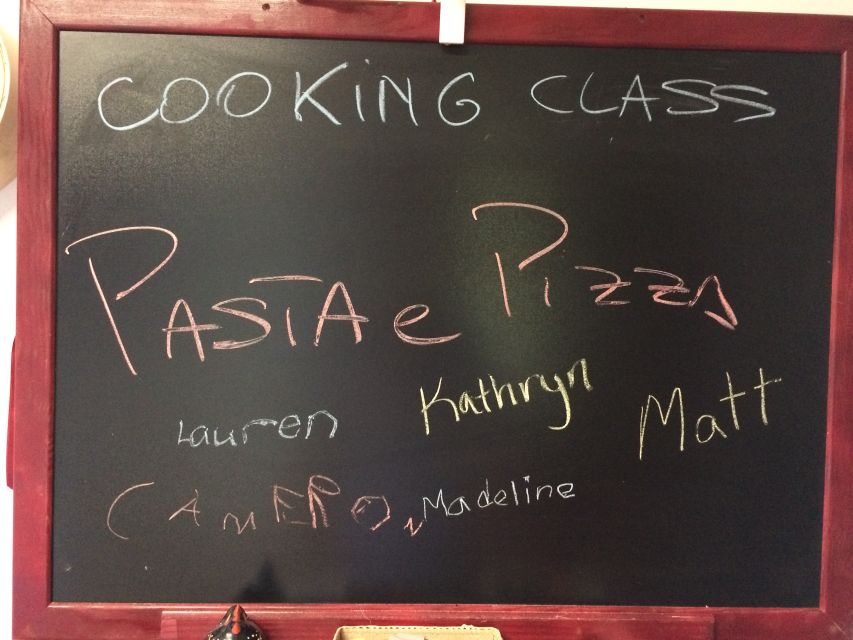
- Hands-on pasta and pizza: you make the dough and assemble everything yourself.
- Pick your pasta shape: choose ravioli or tagliatelle for your fresh pasta course.
- Focaccia is part of the class: you get more than pizza and pasta.
- A garden pause with a view: roses, stroll time, and a 360-degree panoramic look over the Valdichiana valley.
- Wine from a big local list: there are over 85 Tuscan wines available (you’ll want to plan for extra cost).
- Limited to 8 people: easier conversation, more attention, and a calmer pace.
Casa Bellavista in Cortona: why the setting matters as much as the food
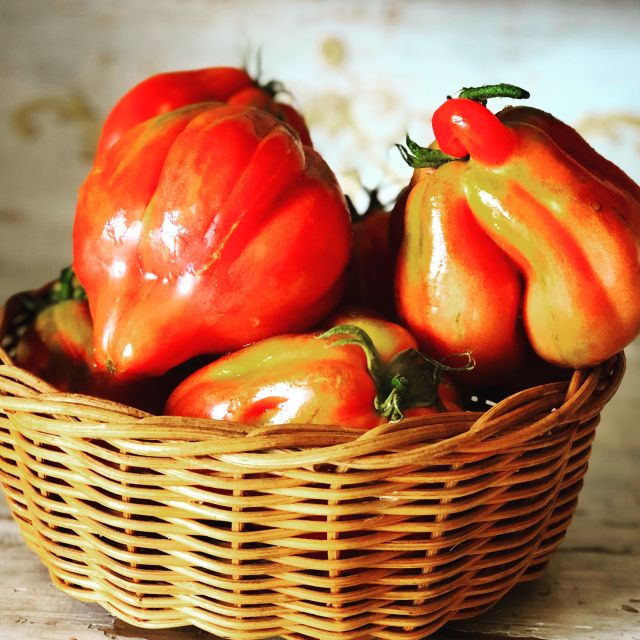
Your class meets at Casa Bellavista in Cortona (Casa Bellavista snc). Even before you touch dough, the location sets the mood: a home and farm vibe that feels more like visiting than taking a ticketed workshop.
The property includes a garden you can actually enjoy. After cooking, you’ll step out for a stroll among the roses, with a 360-degree panoramic view over the Valdichiana valley. If the weather is kind, the meal can be served outside, so you’re not stuck in a fluorescent room while you learn.
This is also where the class feels practical. You get a real rhythm: cook together, step aside to breathe, then return to the table when it’s time to eat. That flow makes it easier to stay engaged, even if you’re not a cooking person.
Meet Simonetta and Guido, then get cooking at a real pace
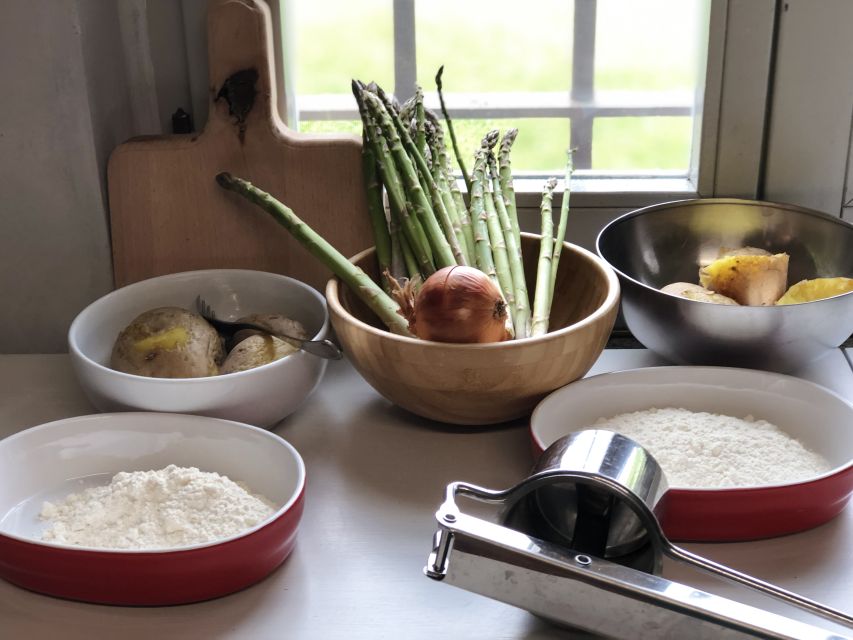
The instructor, Simonetta, teaches you from start to finish, and she stays with you through the work. Guido is also part of the hosting team. This matters because pasta and pizza aren’t hard in theory, but they’re timing-sensitive in practice, and you want someone nearby when your dough feels different from the example.
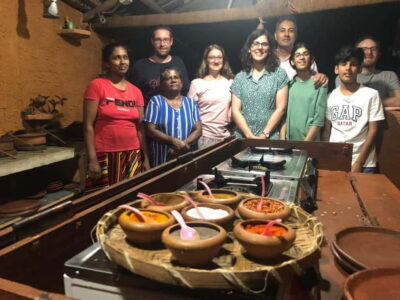
The class is a small group (up to 8), so you’re not fighting for elbow space. The cooking stations are described as clean and comfortable, which helps you focus on technique instead of worrying about mess.
Language is covered too. You can expect Italian and English, and the hosts can help you understand what’s happening without making you guess. In a cooking class, that’s half the battle.
Everything runs as a guided sequence. From dough making through assembling and cooking, you follow each step rather than being thrown into a buffet of random tasks.
Fresh pasta: choosing ravioli or tagliatelle (and why that choice is smart)
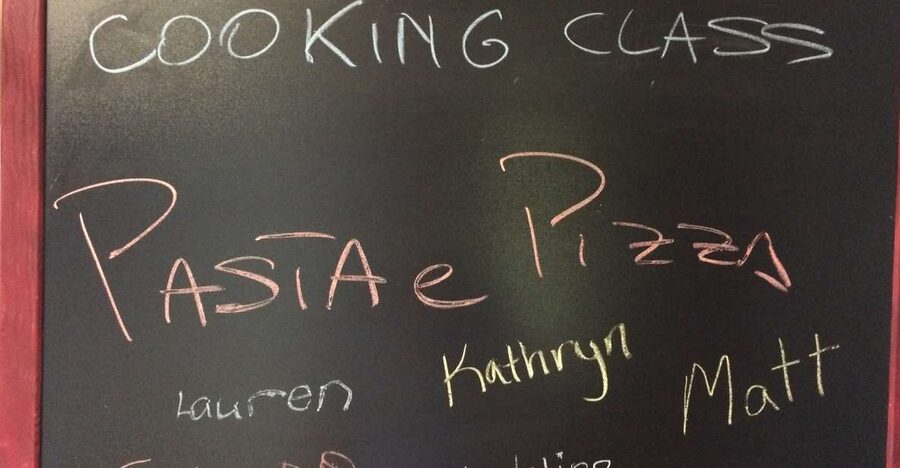
One of the best parts is that you’re not locked into one pasta shape. For your fresh pasta course, you can choose ravioli or tagliatelle.
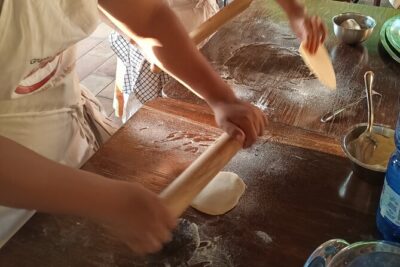
Ravioli tends to feel like the more hands-on option because there’s dough, then filling, then assembly. You get a chance to learn how to work the dough and manage the filling so it stays together. If you’ve ever wanted to understand why good ravioli doesn’t fall apart, this is the kind of class that makes it make sense.
Tagliatelle is often a great fit if you prefer something a bit less fussy. You still get the satisfaction of making fresh pasta, but with a different shape challenge. Either way, you’ll learn the workflow for fresh dough—how it changes, how it should feel, and how to handle it as it moves toward cooking.
And here’s the value angle: making fresh pasta isn’t something you can always replicate at home unless you learn the basics of texture and timing. This class gives you those basics in an environment where someone can correct you before mistakes become disasters.
Pizza and focaccia: two Tuscan staples in one afternoon
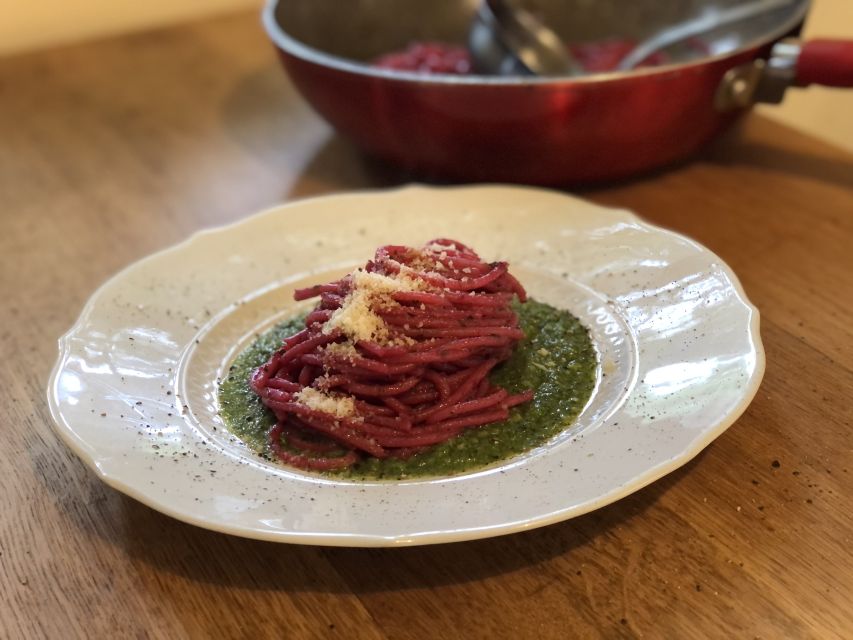
Yes, you’ll make pizzas, and you’ll also make focaccias. That’s a great pairing because they teach related skills with different results.
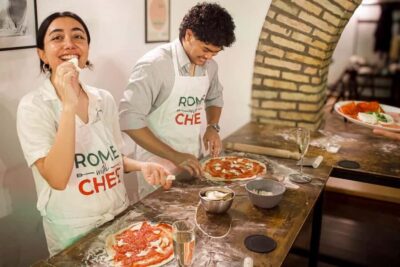
Pizza is all about building a foundation you can actually repeat later: dough handling, stretching or shaping, then topping and cooking. You’ll get the satisfaction of watching your pizza go from raw dough to something you can eat immediately afterward.
Focaccia adds a different texture lesson. It’s not the same as pizza, and you don’t treat it like one. Even if your toppings differ, focaccia tends to reward patience with the dough and attention to how it ends up baked—soft inside, with that characteristic crust and flavor.
One nice detail from the experience is that everything is organized so you’re not waiting around too long. You’ll be busy enough to learn, and not so rushed that you feel like you’re sprinting through dinner.
Mediterranean sauces and the small decisions that change flavor
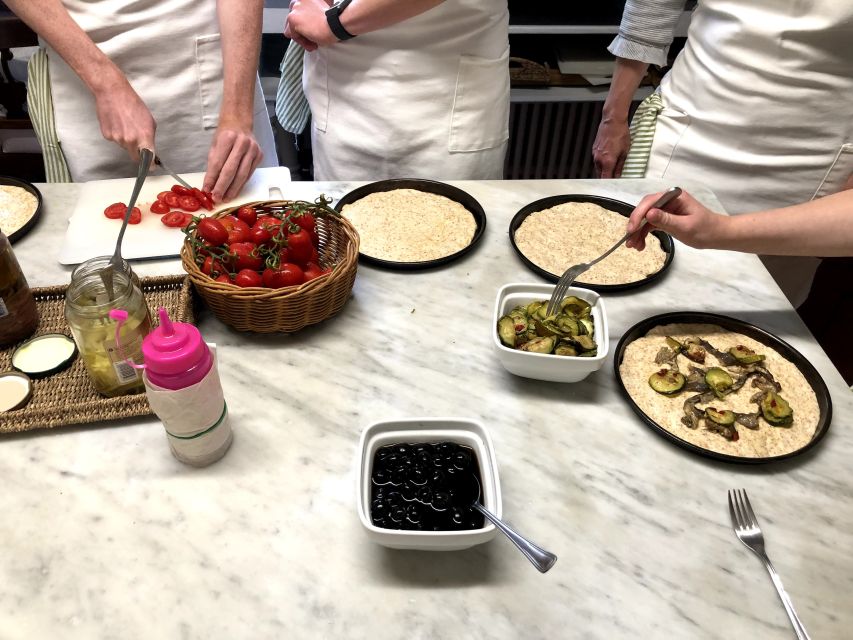
The class includes Mediterranean sauces as part of the meal process. That’s important because pasta and pizza taste “Tuscan” not just from ingredients, but from how the sauces are built and balanced.
What I like about this approach is that it keeps the class from turning into a flour-only exercise. You’re learning to connect cooking steps: dough leads to sauce leads to the final bite. When you sit down to eat, it all feels like one coherent meal rather than separate projects.
Also, in a class like this, sauces are a place where technique shows up fast. A sauce that tastes flat often needs something simple—more time, better seasoning, or correct consistency. You’ll get the benefit of watching and following the process, not just writing down a recipe and hoping for the best.
If you want something you can cook again at home, focus on the sauce approach you’re shown. Ingredients matter, but the method behind them is what you’ll remember.
The rose garden break: when 360 views become part of the class
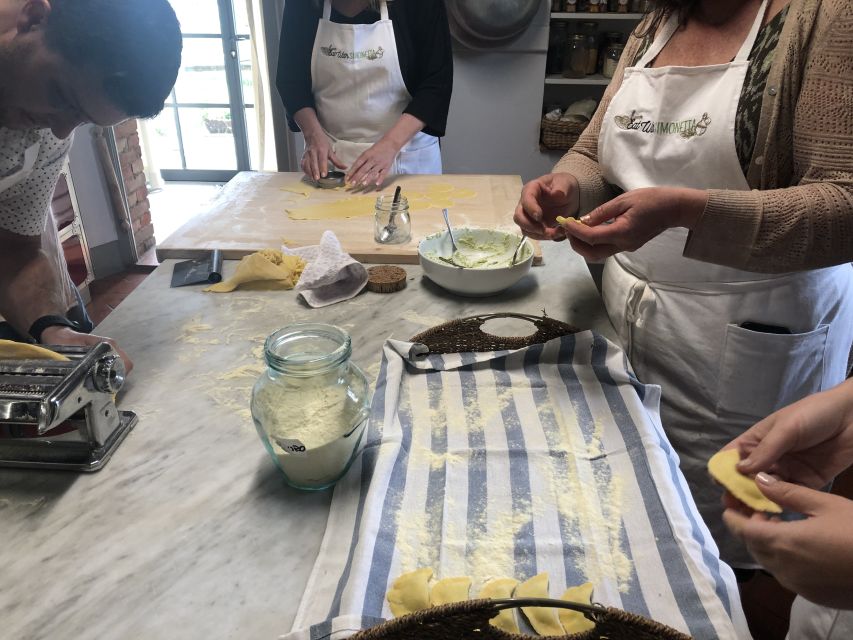
Most cooking classes rush you from kitchen chaos straight into eating. Here, you get time to reset. After the dishes are prepared and cooking, you’re able to rest by walking in the garden.
The garden is filled with roses, and you get to enjoy them at an unhurried pace. The bigger reason to care is the 360-degree panoramic view over the Valdichiana valley. It’s the kind of setting that turns a cooking class into a full experience, even if you’re just there for lunch.
This break also makes the meal feel earned. Your brain shifts from do-this-now mode into conversation mode. Several people talk about chatting with others afterward, and that’s easier when you’ve already had a moment outside.
If the timing aligns, weather can also affect how the meal feels—because outdoor dining can be the best part of a Tuscan afternoon.
Terrace dining at sunset, plus wine from a list of 85+
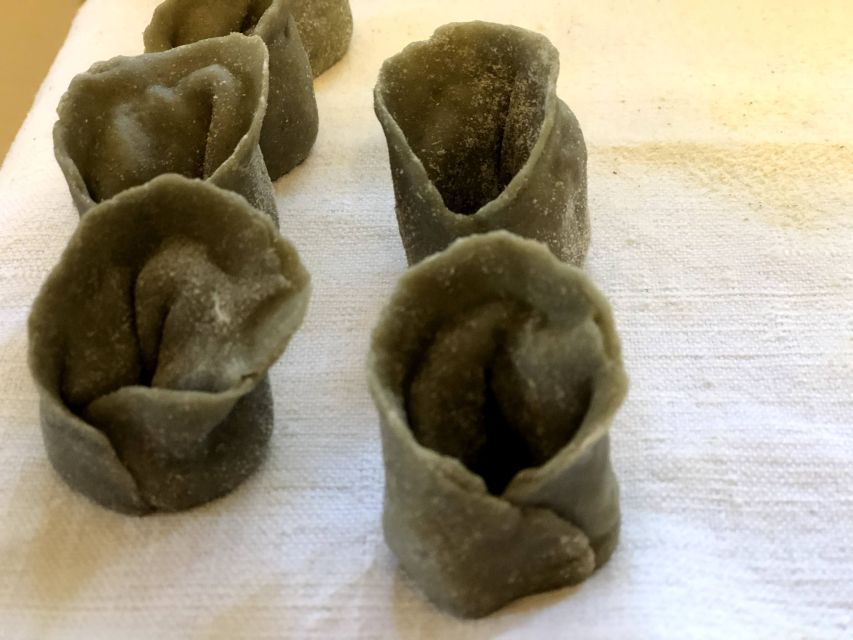
When conditions are right, the meal can be served on the terrace. That’s where the class becomes a story you’ll remember: you cook in the morning or afternoon, then you eat with Tuscan hills in view.
Dinner options can include sunset, with birdsong in the background. That sounds poetic, but it’s also practical. Outdoor meals change the pacing. You’re not crammed into a room, and you’re more likely to linger with your food and conversation.
Wine is part of the picture too. You can enjoy wine from a list of over 85 local Tuscan wines. The important practical note: the tour data doesn’t list wine as included, and reviews suggest wine is available with selections rather than automatically included at no extra cost. So if you like pairing wine with food, budget for it.
Even if you skip wine, this is a good moment to ask for pairing ideas. If you’re unsure what to order, a local list is usually the safest place to start.
Duration, group size, and who this class fits best
The class is listed at 2.5 hours, and it often feels like a compact afternoon rather than a quick stop-and-go activity. Since cooking takes time (and shaping and baking take even more time), you’ll likely spend a fair part of that window actually making dough and assembling dishes.
The group stays small, limited to 8 participants. That size works well if you want hands-on time and not just a passive role. It’s also a good setup for meeting fellow food lovers across different countries, because everyone is working side-by-side.
This experience is a strong match for:
- Couples who want a break from museum time
- Families with kids who enjoy interactive activities (the class isn’t aimed at toddlers, but older kids often do fine with the hands-on focus)
- Anyone who wants a practical lesson they can recreate
A clear limitation: it’s not suitable for wheelchair users or people with mobility impairments, and babies under 1 year aren’t recommended. The setting includes a garden, and cooking requires movement in the kitchen area, so comfortable shoes matter.
Price and value: is $129 per person worth it?
At $129 per person, this isn’t the cheapest “learn to make pasta” style workshop. But it can be worth it if you look at what’s actually included.
You get:
- A hands-on cooking class
- All food and ingredients
- Taxes and service charge
That changes the math. Many budget classes advertise instruction but then add ingredient or meal costs. Here, you’re paying mainly for time with a local cook and the opportunity to make a full meal in a high-quality setting.
The setting is also part of the value. You’re not in a storefront kitchen. You’re in a farm environment with a rose garden and a 360-degree valley view, plus terrace dining when the weather cooperates.
One more reality check: a review mentions feeling the class was a bit pricey compared with other cooking classes. That’s fair if you’re only chasing recipes and you don’t care about the farm setting, wine options, and outdoor meal atmosphere.
My take: if you want both the food lesson and the setting, the price feels more justified. If you want only a cooking skill transfer and nothing else, you might compare against simpler, more urban classes.
What to bring (and one smart move before you go)
The basics are clear. Wear comfortable shoes and comfortable clothes. You’ll be working near dough and moving between kitchen and outdoor areas, so don’t choose outfits that make you feel stiff or restricted.
If you care about taking anything with you, know this: there’s no mention that leftovers come with packaging, and a review notes that there were no leftovers offered. If that would matter to you, ask politely during the class or before you start—then you’ll know what’s possible rather than guessing.
Also, arrive with a mindset for learning, not perfection. Pasta dough can be tricky, and pizza shaping is more about feel than technique tricks you can copy from a photo. You’ll get more out of it if you focus on understanding what the dough is telling you.
Finally: plan to slow down after the meal. This kind of class is busy, then suddenly relaxing as soon as you sit outside. Give yourself an easy next stop.
Should you book this Cortona pasta and pizza class?
If you like cooking, but you also love location, I’d book this. The mix of hands-on pasta (ravioli or tagliatelle), making pizzas and focaccia, and then eating with a garden and terrace view is exactly the sort of experience that turns food into a memory.
I’d skip it only if you need wheelchair access or you’re traveling with very small babies. Also, if you think cooking classes should be strictly about recipes and nothing about atmosphere, you might feel the price.
If you want a Tuscan day that feels local and practical, with real instruction from Simonetta and Guido, this one is a strong choice.
FAQ
Where is the meeting point for the cooking class?
You meet at Casa Bellavista S.N.C. Di Demarchi Simonetta & Conti Guido.
How long is the Cortona pasta and pizza cooking class?
The class duration is listed as 2.5 hours. Check available starting times when you book.
How many people are in a group?
The group is limited to 8 participants.
What will I cook during the class?
You’ll make pizzas, fresh pasta (you can choose between ravioli or tagliatelle), and focaccias, plus Mediterranean sauces as part of the meal.
Can I choose between ravioli and tagliatelle?
Yes. For the fresh pasta course, you can choose between ravioli or tagliatelle.
Is wine included?
Wine is available from a wine list of over 85 local Tuscan wines. The tour details don’t list wine as included, so plan on paying separately if you order it.
What languages are the hosts?
The host or greeter speaks Italian and English.
What should I wear or bring?
Bring comfortable shoes and comfortable clothes.
Can I cancel and get a full refund?
Yes. You can cancel up to 24 hours in advance for a full refund.