REVIEW · ARUBA
Caribbean Cooking Class in Aruba
Book on Viator →Operated by Kari Heron · Bookable on Viator
Want the best Aruba dinner secret? This Caribbean Cooking Class in Aruba feels like getting invited into a real kitchen, not booked into a tourist production. You’ll start with a mocktail and Caribbean music, hear the story behind the food, then cook at Chef Kari Heron’s home in a small group of up to 10 before sitting down to eat together.
I love the hands-on format: you’re assigned tasks, tasting spices as you go, and learning techniques you can actually repeat later. I also like the family-style setup, where the meal lands on the table as shared comfort food, not a plated show.
One thing to consider: it’s a home kitchen, so it’s not a nut-free facility, and the vibe can be more casual and culturally spiritual than a quiet, formal class. If you have strict dietary needs or you’re sensitive to music or religious content, plan ahead.
In This Review
- Key moments that make this class worth your time
- Chef Kari’s home kitchen in Noord: the real point of the experience
- What you’ll cook in 2.5 hours: practical, flavorful, and not too touristy
- Why the food instruction feels useful (not just fun)
- If you want keto, you can ask for it
- The flow of the evening: mocktail to meal, with tasks in between
- 1) Arrival, greetings, and the first sip
- 2) Intro, history, and the menu of the day
- 3) Cooking together as a team
- 4) Sit down and eat family-style
- Price and value: $250 for what you actually get
- Meeting point in Noord: how to avoid the common getting-there headaches
- Dietary needs, allergies, and keto: what to tell Chef Kari before you go
- The vibe: music, energy, and cultural feel (with one caveat)
- Who should book this cooking class (and who might skip it)
- So, should you book it? My honest recommendation
- FAQ
- Where is the cooking class meeting point in Aruba?
- How many people are in the small group?
- What’s included with the class price?
- Is the house nut-free?
- Can this class accommodate keto diets?
- What dishes might I cook?
- What happens if weather is poor?
Key moments that make this class worth your time
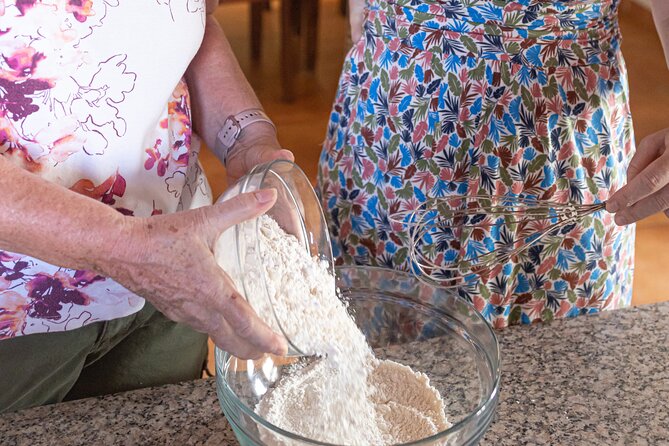
- Small group cooking (max 10) so you’re not stuck watching from the sidelines
- Arrive to mocktails and Caribbean music as soon as you get inside
- Hands-on prep, cooking, and spice tasting with different tasks at the island
- Family-style dining right after you finish cooking
- All ingredients and drinks are included, so you’re not doing surprise add-ons
- Keto options available by request, if you message your needs when booking
Chef Kari’s home kitchen in Noord: the real point of the experience
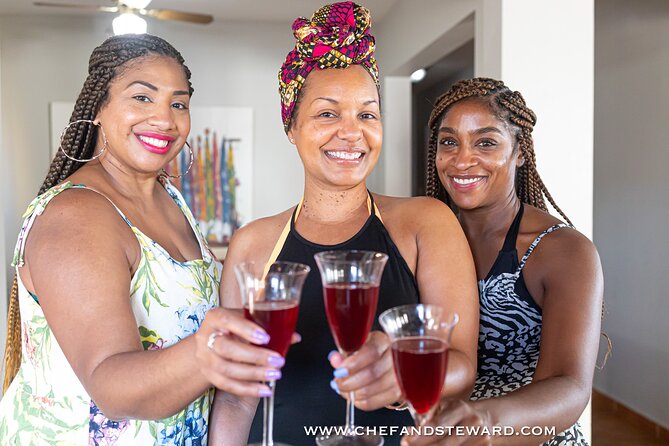
This isn’t a cooking class that starts with demo videos and ends with a receipt. You meet at Chef Kari Heron’s home base in Noord (Noord Bona Vista 36), and you spend the evening in her personal kitchen space. That matters, because you’re not just learning recipes. You’re learning how Caribbean food gets built at home: ingredient-first, spice-forward, and focused on feeding people.
Chef Kari introduces herself, shares a brief history of the foods of the Caribbean (including Jamaica and Aruba), and explains the menu of the day. It’s the difference between memorizing steps and understanding why the steps are the way they are. One theme that comes through strongly in the experience is that the kitchen is treated like a sacred family space, usually reserved for family only—so the feeling is closer to being “included” than “entertained.”
You also get a personal touch from the household. Guests have described time with Chef Kari’s son Elijah as part of the warm atmosphere, which gives the evening extra heart. If you’re the type of traveler who likes your tours to feel human and slightly chaotic (in a good way), this fits.
What you’ll cook in 2.5 hours: practical, flavorful, and not too touristy
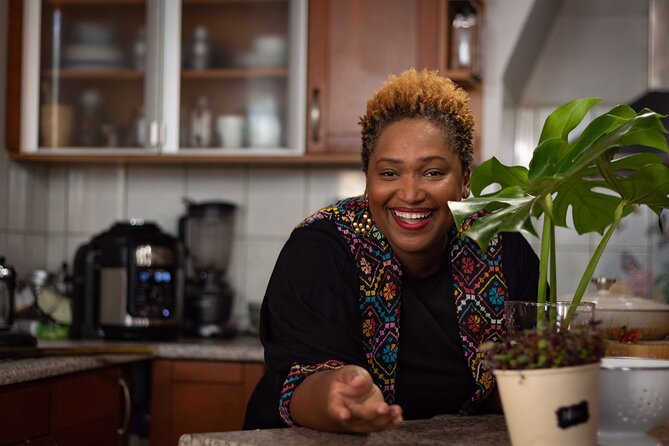
The class runs about 2 hours 30 minutes, and it’s structured so you’re actively doing things during the bulk of that time. The pacing feels designed for learning without dragging. You’ll prep, cook, and taste while Chef Kari guides you—then you sit down for the meal you made.
The exact menu changes, but the dishes mentioned in the experience give you a clear idea of the range. Based on what’s been cooked on past nights, you might make things like:
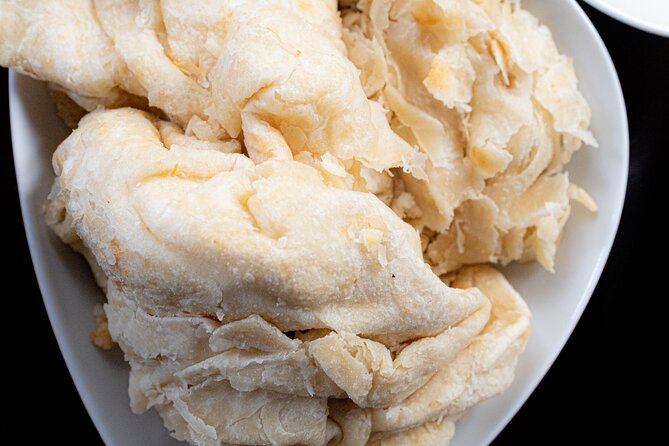
- Fried plantains (a big Caribbean staple)
- Green plantains with tomato salsa
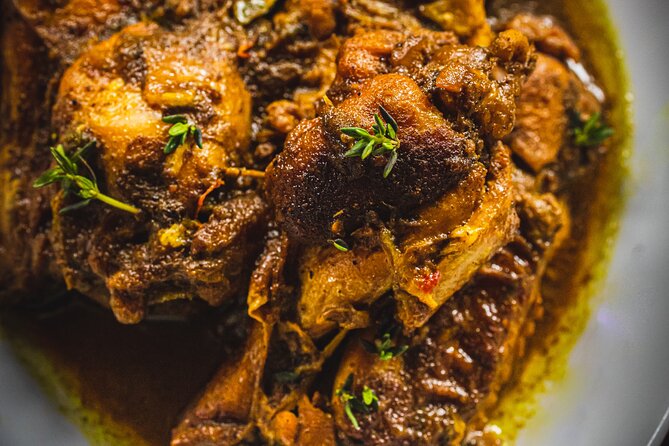
- Jerk chicken wings or Caribbean chicken
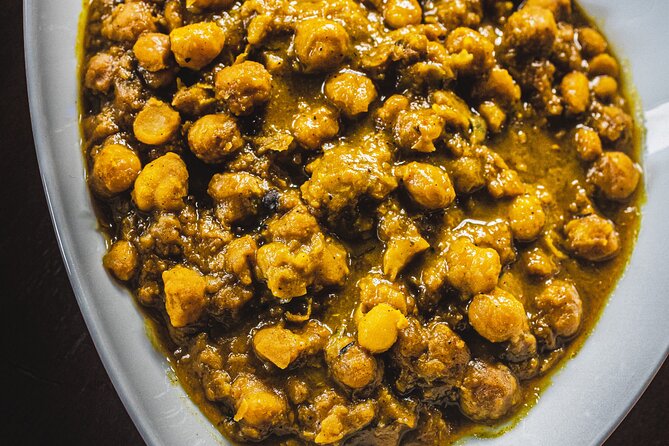
- Curried chickpeas
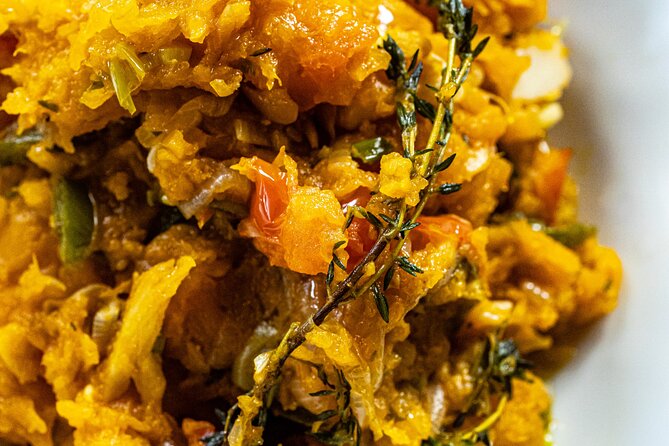
- Pumpkin dishes (often served as a side)
- A tamarind-based drink (ginger tamarind shows up in the feedback)
- Smashed potatoes with amaranth
- Caribbean-style chicken and other savory mains
You might see around five dishes in a typical session. One highlight mentioned preparing five dishes and a fresh juice in the same evening, which gives you a sense of how much gets done without turning it into an all-day event.
Why the food instruction feels useful (not just fun)
Chef Kari’s approach is interactive. You’re not only holding a spoon. You’re helping with chopping, seasoning, and cooking tasks, and you’re encouraged to taste spices and aromas as you go. That matters if you want to cook later, because it trains your palate, not just your hands.
Caribbean cooking is about balance: heat, sweetness, acidity, and aromatics. In a home setting, you also get to see how ingredients come together in real time, which helps you understand what “right” tastes like. Even if you don’t make the exact same dishes at home, you leave with technique—how to build flavor, how to adjust seasoning, and how to handle common Caribbean ingredients with confidence.
If you want keto, you can ask for it
If you’d like a keto-friendly menu, the class can accommodate it when you request it during booking. That’s a big plus if you’re worried about giving up a Caribbean food experience just because your diet rules are strict.
The flow of the evening: mocktail to meal, with tasks in between
Here’s how the night typically unfolds at this class, and what each moment is really for:
1) Arrival, greetings, and the first sip
When you arrive, you’re welcomed with a refreshing mocktail. You’ll hear Caribbean music in the background, then you’ll gather around the kitchen island. This is also when Chef Kari sets the tone—informal, energetic, and focused on learning through doing.
This start is more than a nice welcome. The mocktail is part of how the evening transitions from vacation mode into cook mode, without any added cost. It also gives you a chance to meet the other small-group participants before you start moving around.
2) Intro, history, and the menu of the day
Chef Kari shares a brief history of Caribbean foods, including connections between places like Jamaica and Aruba, then walks through what you’ll be cooking. It’s short and practical. You’re not sitting through a lecture; you’re getting just enough context to make the cooking steps meaningful.
If you enjoy cultural context with your dinner plans, this is one of the reasons the experience gets such strong feedback.
3) Cooking together as a team
Then comes the main event: prep and cooking. You’ll be assigned different tasks. People have described cutting, dicing, smashing, seasoning, stirring, and searing as part of their time in the kitchen.
The best part is that you’re not waiting for Chef to finish everything. You’re contributing, asking questions, and reacting to real flavors. Spice tasting is encouraged, and the group often gets playful—chatting, laughing, and even dancing during the flow of cooking.
4) Sit down and eat family-style
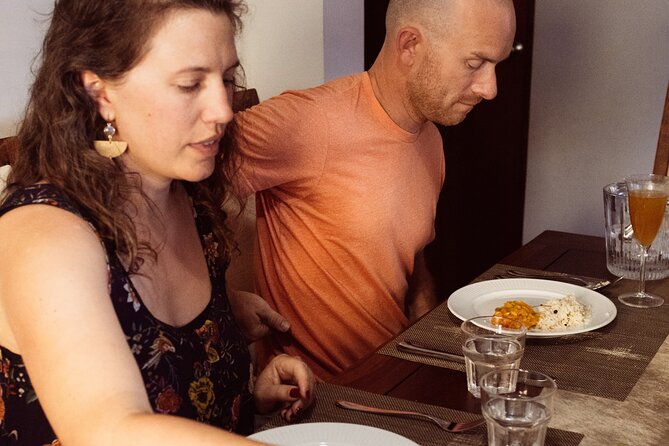
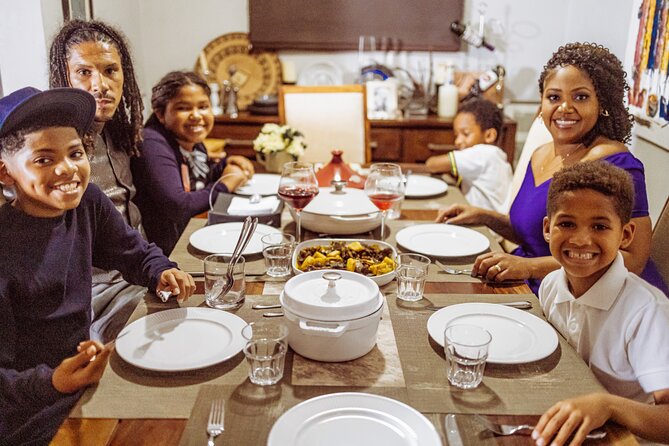
Once food is ready, you all sit and eat. The meal is shared family-style, which means it lands more like a home dinner than a restaurant plate-and-fork routine. Some dishes are placed in the center so everyone can serve themselves. You’ll eat what you cooked, which is satisfying in a way that’s hard to fake.
That family-style format also ties into why desserts might be minimal on some nights. Many people leave very full because the experience is built around the main dishes and shared platters.
Price and value: $250 for what you actually get
At $250 per person, this isn’t a bargain. But it also isn’t priced like a quick street-food tasting either. You’re paying for several things at once:
- A small group (max 10), so you get real interaction
- Ingredient coverage and mocktails included
- A private home setting with family-style dining
- Hands-on coaching for multiple dishes in about 2.5 hours
- Cultural context delivered by the person cooking the meal
Compared to larger group classes, the value is in attention and participation. Compared to a sit-down restaurant, the value is that you’re not just eating—you’re learning technique and flavors you can repeat.
If you’re traveling solo or as a couple, this class can feel pricey. But it’s often the kind of outing that becomes a story you replay on the flight home. If your group enjoys hands-on food experiences and you like your dinners with personality, the price starts to make more sense.
Meeting point in Noord: how to avoid the common getting-there headaches
The meeting spot is in Noord at Chef and Steward, Noord Bona Vista 36. The good news is it’s a clear address on the island. The tricky part is that map apps sometimes struggle with residential locations, especially when directions are translated through different services.
Here’s a practical approach that helps:
- Save the address exactly as written for your GPS
- If you’re taking a taxi, ask for the driver to have the provider name and a phone number before you leave
- Give yourself extra buffer time so you can handle a wrong turn without ruining the evening’s flow
Also, because this is a home-based experience, you’ll likely do best arriving on time and ready to be welcomed inside. That’s not a “hotel arrival” situation—it’s a personal doorstep moment.
Dietary needs, allergies, and keto: what to tell Chef Kari before you go
Dietary planning is crucial here because the class is held in a real home. The experience explicitly notes it is not a nut-free house. That means if you have a nut allergy, you need to speak up clearly in advance.
Good to know:
- You can let the guide know about allergies or dietary restrictions
- Keto dishes are possible if you request them when booking
- Ingredients and mocktails are provided, so you’re not piecing together your own meal elsewhere
If you have any serious allergy, don’t assume things will be safe by default. Send a clear message before the class and describe your restriction plainly. Chef Kari’s process depends on knowing what to avoid so she can guide you appropriately.
The vibe: music, energy, and cultural feel (with one caveat)
This class tends to be upbeat. Guests have described Caribbean music, laughter, and even dancing as part of the evening. It can also include religious music in Caribbean/African Christian worship styles, which is culturally appropriate in the region but can be distracting for some people.
Here’s the balanced takeaway: if you want a quiet, neutral cooking environment, this might not match your preferred atmosphere. If you like music and cultural expression in your activities, the energy is a big part of why people rate the experience highly.
One more practical point: because this happens in a private home, the experience style is more personal than “event-professional.” That’s a feature for most people, but it’s a consideration if you expect a polished, scripted setup with lots of printed handouts.
Who should book this cooking class (and who might skip it)
This fits best if you:
- Want an at-home meal experience rather than a formal cooking workshop
- Enjoy hands-on cooking and learning spice technique
- Like meeting a few fellow travelers in a small setting (max 10)
- Want cultural context tied directly to what you eat
- Are okay with an energetic, sometimes spiritual musical vibe
You might consider skipping if you:
- Need a nut-free environment or have very strict allergy requirements without flexibility
- Prefer a quiet classroom feel over a social kitchen dinner
- Are looking for dessert as a guaranteed part of the evening (some nights may not include it)
So, should you book it? My honest recommendation
I’d book this class if you’re the type of traveler who values authenticity and interaction over a polished show. The biggest strengths are the hands-on cooking, the family-style dinner, and the fact that you’re welcomed into an actual home setting run by Chef Kari Heron and her family atmosphere.
Just go in with the right expectations: confirm the meeting address ahead of time, message your dietary needs clearly, and be open to the music and cultural feel. If you do that, this is the kind of Aruba experience that turns into a personal highlight, not just another ticket you scanned.
FAQ
Where is the cooking class meeting point in Aruba?
The meeting point is Chef and Steward, Noord Bona Vista 36, Noord, Aruba. The activity ends back at the same meeting point.
How many people are in the small group?
The experience has a maximum of 10 travelers, so it stays intimate.
What’s included with the class price?
You get mocktails, all ingredients, cooking guidance, and then you eat the meal you prepare. The class uses a mobile ticket.
Is the house nut-free?
No. The experience notes it is not a nut-free house, so you should tell Chef Kari Heron about allergies or dietary restrictions ahead of time.
Can this class accommodate keto diets?
Yes. Caribbean keto dishes are available if you request keto when booking.
What dishes might I cook?
The exact menu is a menu of the day, but past dishes mentioned include things like fried plantains, green plantains with tomato salsa, jerk chicken wings or Caribbean chicken, curried chickpeas, pumpkin sides, and drinks such as ginger tamarind.
What happens if weather is poor?
The experience requires good weather. If it’s canceled due to poor weather, you’ll be offered a different date or a full refund.