REVIEW · AMALFI
Amalfi: Mozzarella, Fettuccine, and Tiramisù Cooking Class
Book on GetYourGuide →Operated by Cookingclass Con Ferdinando · Bookable on GetYourGuide
Fresh pasta, mozzarella, and tiramisù—made with real local ingredients. This Amalfi Coast class in Pianillo mixes serious hands-on cooking with a farmhouse tour and panoramic views over the coast. I especially like that you don’t just watch; you form the dough, layer the dessert, and learn mozzarella basics from scratch. One thing to consider: it’s not close to the Amalfi port, so you’ll want to plan transport and check bus times.
Ferdinando (with help from family members such as Giovanni) runs the session in English and Italian, and the vibe is equal parts lesson and good fun. I like that the day is built around three classic dishes that you can actually repeat at home—mozzarella, tagliatelle-style fresh pasta, and tiramisù—then you eat everything you make with local wine. The main potential drawback is dietary limits: it can offer a vegetarian option, but it can’t reliably handle other restrictions like gluten or lactose intolerance.
Key Things I’d Prioritize About This Class
- Hands-on mozzarella from scratch, taught in a traditional way
- You make tiramisù by layering, then eat it after it cools
- Fresh pasta dough with basic ingredients, flour, oil, and eggs
- Organic farm ingredients plus a farmhouse walkthrough
- Wine and limoncello tasting paired with the meal
- Real Amalfi viewpoints during the experience, not just at the end
In This Review
- A 3-Hour Amalfi Cooking Class in Pianillo (With Real Farm Views)
- What You Actually Make: Mozzarella, Fresh Pasta, and Tiramisù
- Mozzarella: From Scratch to Your Table
- Fresh Pasta: Tagliatelle-Style Dough
- Tiramisù: Layering Like You Mean It
- Farm Tour + Km0 Organic Ingredients: Why This Matters
- The Mozzarella Lesson: Traditional Technique with Ferdinando
- Fresh Pasta and the Dough Workshop: Flour, Oil, Eggs, and Confidence
- Tiramisù Timing + Wine and Limoncello: The Best Kind of Waiting
- Value for Money: Why $71 Can Make Sense on the Amalfi Coast
- Getting There Without Stress: Buses, Signs, and Parking
- Who This Cooking Class Fits Best (And Who Might Want Another Option)
- Should You Book This Amalfi Mozzarella-Pasta-Tiramisù Class?
- FAQ
- How long is the cooking class?
- What dishes will I make during the experience?
- Is a vegetarian option available?
- Can the class accommodate gluten-free or lactose-free diets?
- Are wine and limoncello included?
- Is hotel pickup included?
- Are there age requirements?
A 3-Hour Amalfi Cooking Class in Pianillo (With Real Farm Views)
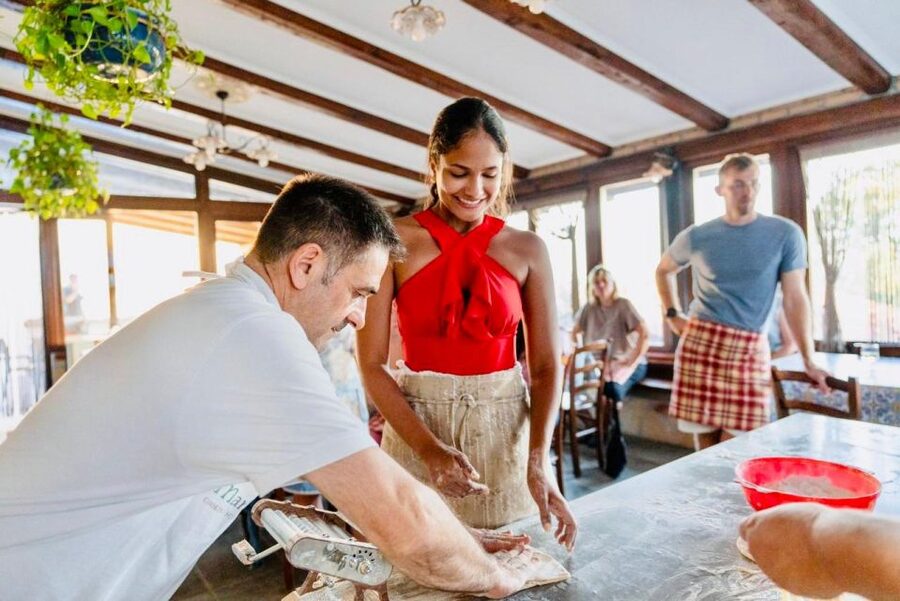
This is one of those Amalfi-area activities that feels more like a day with locals than a factory-style cooking show. You’re based in Campania, on the Amalfi Coast, in Pianillo, at an organic farmhouse setting. The day runs for about 3 hours, so you get time to cook, eat, and enjoy the view without it swallowing your whole afternoon.
I like the pacing. It’s long enough to learn something practical, but short enough that you won’t feel rushed or cooked-after-cooked. And the view matters here: you’re cooking with wide eyes on the coast. Several parts of the day include panoramic outlooks, which makes this feel different from a standard city cooking class.
The only “watch this closely” item is location. It’s farther from Amalfi port than you might expect, and one clear piece of advice is to check bus times before you go. Also, people note it can be hard to spot the place at first because there’s no obvious sign right at the roadside. If you’re arriving without a car, give yourself margin to find it.
What You Actually Make: Mozzarella, Fresh Pasta, and Tiramisù
The class centers on three iconic dishes, and that’s the real value. You’re not picking one recipe and calling it a day. You’re building skills across three different techniques: cheese-making, fresh pasta dough, and dessert assembly.
You can also read our reviews of more tours and experiences in Amalfi.
Mozzarella: From Scratch to Your Table
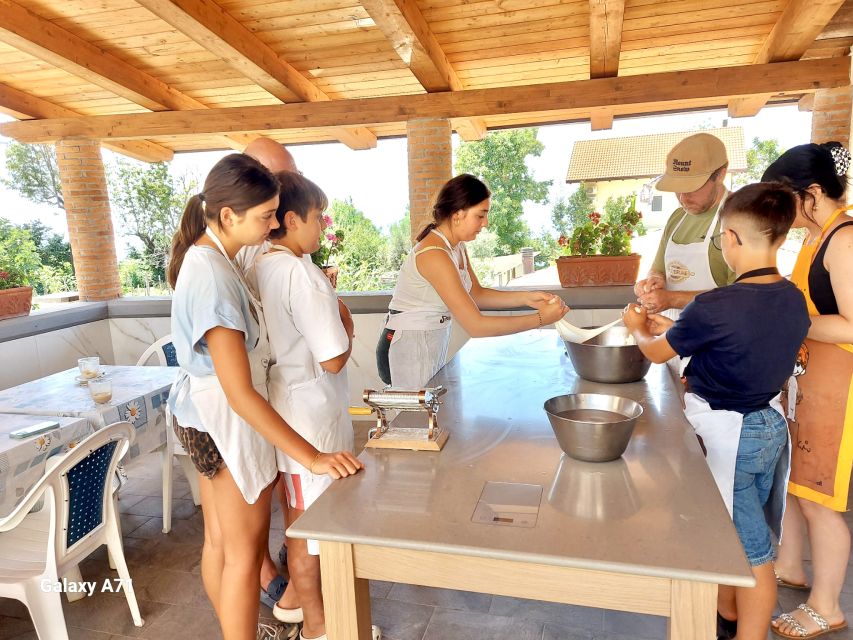
You’ll learn mozzarella in a step-by-step format, with the focus on traditional technique and starting from the beginning (not just assembling pre-made ingredients). Mozzarella is one of those foods people think they can’t master, but the structure of this class makes it approachable. You’ll see how the process works, and you’ll get a clearer idea of what to watch—especially the timing and handling.
Practical note: mozzarella is hands-on and sensory. Expect it to be part lesson, part workshop.
Fresh Pasta: Tagliatelle-Style Dough
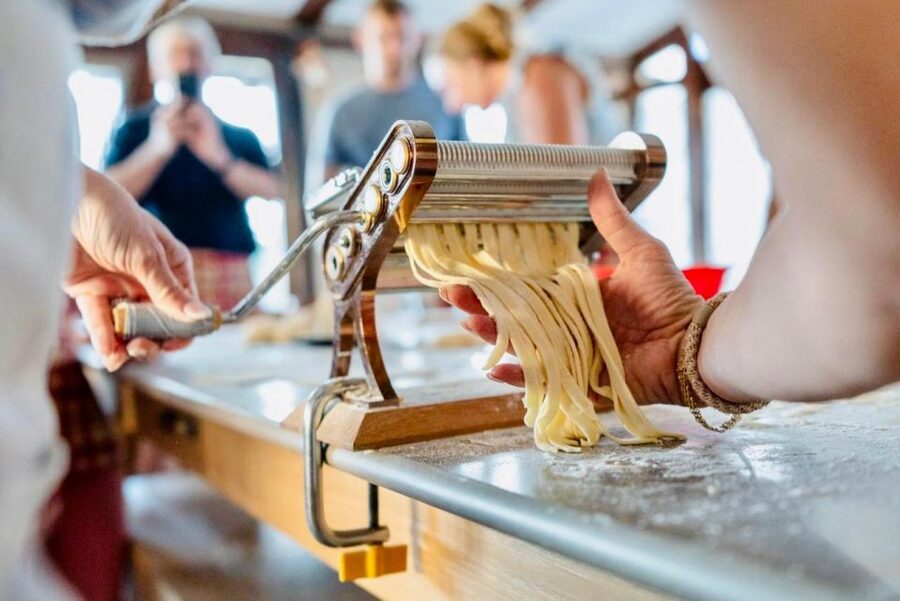
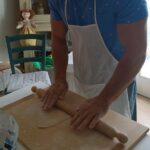
Next comes fresh pasta: in the class you use flour, oil, and eggs to make a dough and shape tagliatelle (often mentioned as fettuccine/tagliatelle in the class naming). The chef guides you through getting the dough right, which is where most people usually get stuck at home.
A big benefit is that you learn the process with your hands, not just in theory. When you’re rolling, cutting, and working the dough, you start to understand texture and consistency—things recipes can’t fully explain.
Tiramisù: Layering Like You Mean It
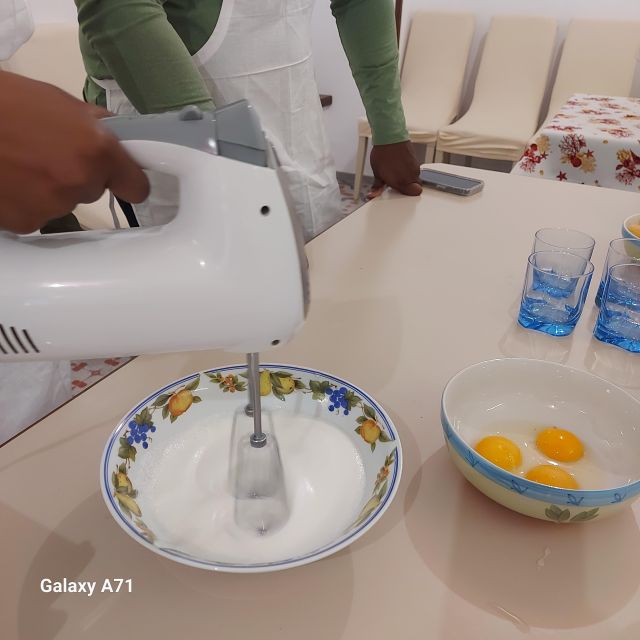
Finally, you make tiramisù by layering ingredients. The timing is built in: you prepare it during the lesson and then allow it to cool so it sets properly before eating. That’s useful because tiramisù is one of those desserts where the final result depends on patience as much as ingredients.
I like that the class teaches how to layer, not just what goes into it. Once you understand the logic of the layers, you can repeat the look and flavor balance later.
Farm Tour + Km0 Organic Ingredients: Why This Matters
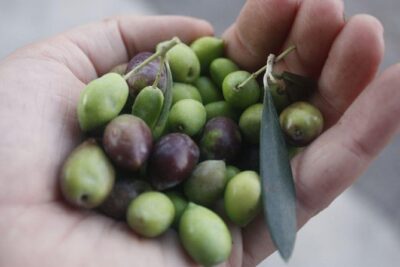
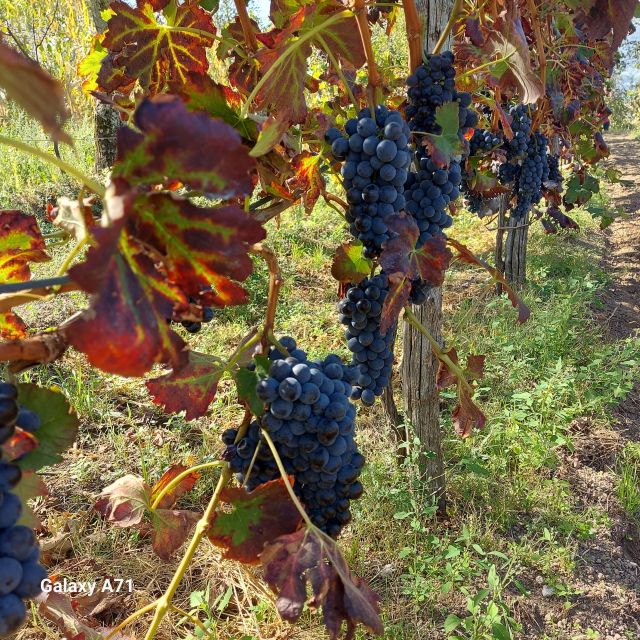
Before the cooking intensifies, you get a guided tour of the farmhouse and learn where the ingredients come from. The class uses organic farm products, and the day highlights Km0-style thinking—food connected to the place you’re standing.
This matters for two reasons:
First, you’ll taste the difference. Organic ingredients change the flavor profile, especially for produce and the overall freshness of what you’re eating.
Second, it makes the lesson more believable. It’s easier to recreate cooking at home when you understand the ingredient story and why you’re using what you’re using. You’ll also get a feel for the daily rhythm of a working farm, which makes the cooking part land better.
If you’re the type who likes food travel with context, this is a nice blend. You’re not just collecting recipes—you’re getting a grounded sense of where the ingredients and techniques come from.
The Mozzarella Lesson: Traditional Technique with Ferdinando
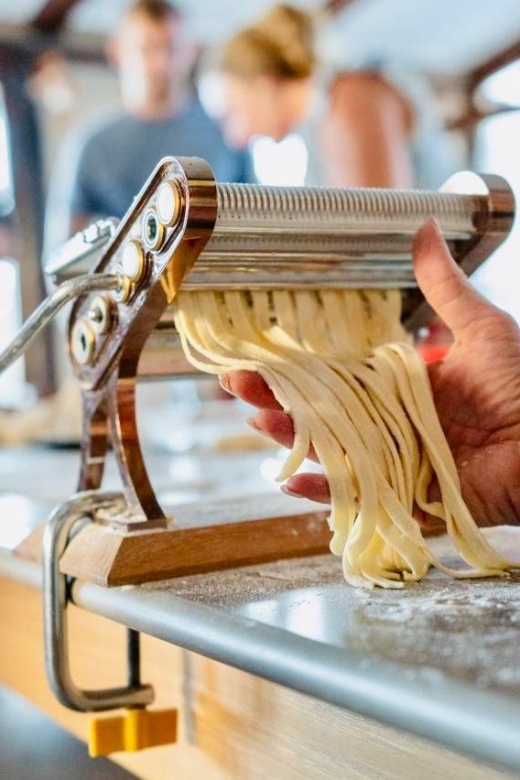
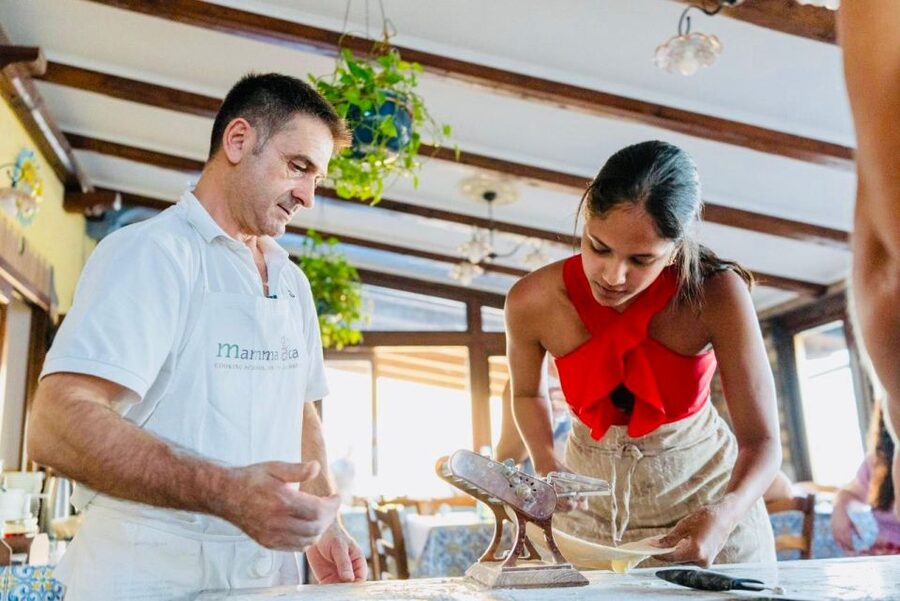
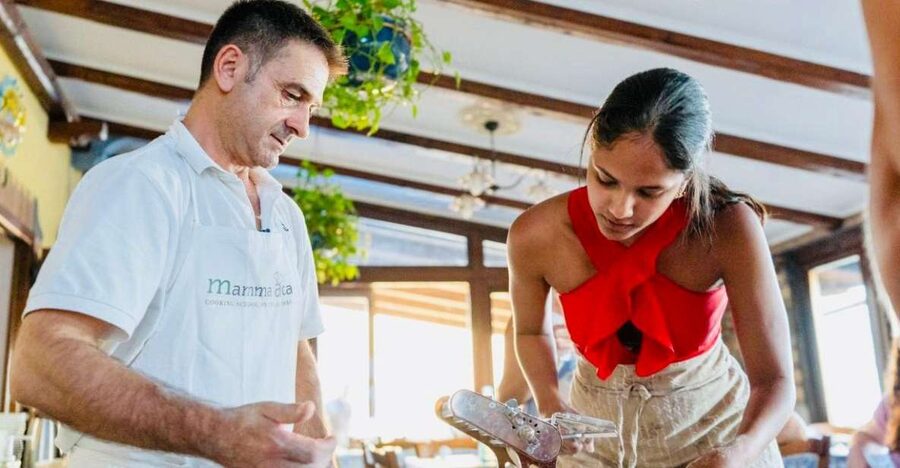
Ferdinando is the main force in the kitchen, and his teaching style comes through in the way the class is described: step by step, with patience and encouragement. People specifically mention he’s funny and engaging without turning the class into a joke. That balance matters. You learn faster when you’re comfortable and guided, not when you’re anxious about doing it wrong.
What you’re doing during the mozzarella portion is a hands-on learning experience. You start from scratch and follow traditional steps, which helps you understand the workflow rather than memorizing a list. That’s the secret to repeating mozzarella later: you need the logic, not just the result.
If you’re thinking about questions like what to look for during the process, this is the part where the teacher’s guidance counts. Mozzarella isn’t hard because it’s complicated; it’s hard because timing and texture are everything. A good instructor makes those signals easier to read.
One more human detail: the class feels family-run. You might see support from other family members like Giovanni, adding to the warm, welcoming feel. That’s not fluff—it changes how comfortable you feel asking questions mid-cook.
Fresh Pasta and the Dough Workshop: Flour, Oil, Eggs, and Confidence
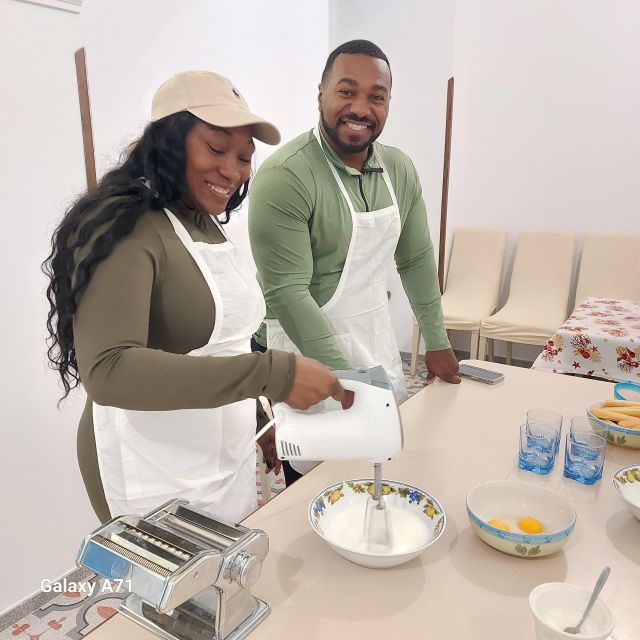
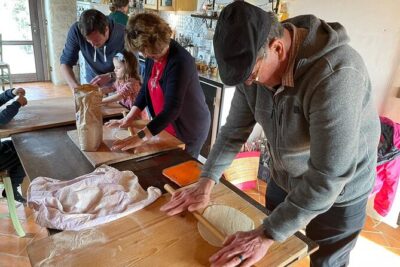
After mozzarella, the class shifts to pasta dough. You use flour, oil, and eggs, and Ferdinando guides you on how to build the dough so it’s workable and ready to shape.
Fresh pasta is one of the best “skills per minute” activities in Italy because it’s visual and forgiving compared with dishes that require heat control at extreme precision. If you leave with one useful takeaway, it should be: you can make fresh pasta dough with basic ingredients and understand the feel.
People mention the class is patient and encouraging, including how the instructor gets everyone involved. That’s important because pasta dough punishes uneven effort—some people go too fast, others freeze up. When the instructor keeps you moving at the right pace, you end up with something edible and satisfying.
Also, note that after you make the pasta, it may be finished or completed by the kitchen team before it’s served. That doesn’t reduce the value; it’s a practical reality. In a short class window, it’s common that final timing is handled so the whole group eats at the right moment.
Tiramisù Timing + Wine and Limoncello: The Best Kind of Waiting
Tiramisù needs rest. In this class, you make it during the lesson and then wait long enough for it to cool and set so it’s ready to eat by the time the meal portion hits. This teaches you a small but crucial skill: not everything in Italian cooking is about doing the action right away. Some results depend on timing after the action.
The wine part starts early. People mention wine as part of the experience from arrival, and that it continues alongside the meal. There’s also a limoncello tasting, which makes the dessert moment even more fun. If you like pairing food with local drinks, this is built for you.
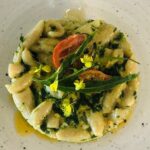
You’ll eat the fruits of your labor—mozzarella, pasta, and tiramisù—plus bread and the meal experience that follows the cooking. It’s not a token sample plate. It’s a proper meal.
Value for Money: Why $71 Can Make Sense on the Amalfi Coast
At $71 per person for about 3 hours, this isn’t the cheapest thing in the area. But it’s also not a basic “watch-and-eat” event.
Here’s what you’re getting in practical terms:
- A real hands-on cooking class with three dishes
- Farm tour and organic ingredient context
- Professional Neapolitan cook instruction
- Lunch or dinner depending on the time slot
- Local wine and limoncello tasting
- Free parking (if you’re driving)
Cooking classes on the Amalfi Coast can be expensive because of the location and the overhead. This one balances the cost by packing skills, food, and drink into a short time. For many people, the value shows up because you leave with repeatable recipes you can actually run at home.
The other value angle: small practical comfort. People point out the host is engaging and the atmosphere is friendly, family-run, and encouraging. That turns the class into a social, fun meal—not just a workshop.
Getting There Without Stress: Buses, Signs, and Parking
Plan for location. The class is in Pianillo on the Amalfi Coast, and it’s far from the Amalfi port. If you’re relying on public transport, check bus schedules ahead of time and aim to arrive with extra breathing room.
If you drive, you’re in better shape because free parking is included. That’s a serious advantage on the Amalfi Coast where parking can be a headache.
One more practical tip: people report the venue can be difficult to find because there’s no clear sign and it’s a couple of buildings past where mapping apps might drop you. Don’t assume you’ll spot it immediately. Ask locals, keep your phone ready, and give yourself that extra margin.
Who This Cooking Class Fits Best (And Who Might Want Another Option)
This class is a strong match if you want:
- A hands-on food experience with mozzarella, fresh pasta, and tiramisù
- A farm setting plus sea views while you cook
- English/Italian instruction and a relaxed family atmosphere
- Wine and limoncello included with your meal
It’s less ideal if you need dietary accommodations beyond what’s specified. The class offers a vegetarian option if you request it when booking, but it says it cannot cater to other alternative dietary needs like gluten or lactose intolerance.
Also, if you want a purely relaxed sight-seeing day, note that this is still a cooking class. You’ll be working. That’s the point, but it may not fit every travel style.
Finally, it’s best for people who can handle the basic logistics of getting out to the farmhouse area. There’s no hotel pickup and the venue can be a bit tricky to locate without planning.
Should You Book This Amalfi Mozzarella-Pasta-Tiramisù Class?
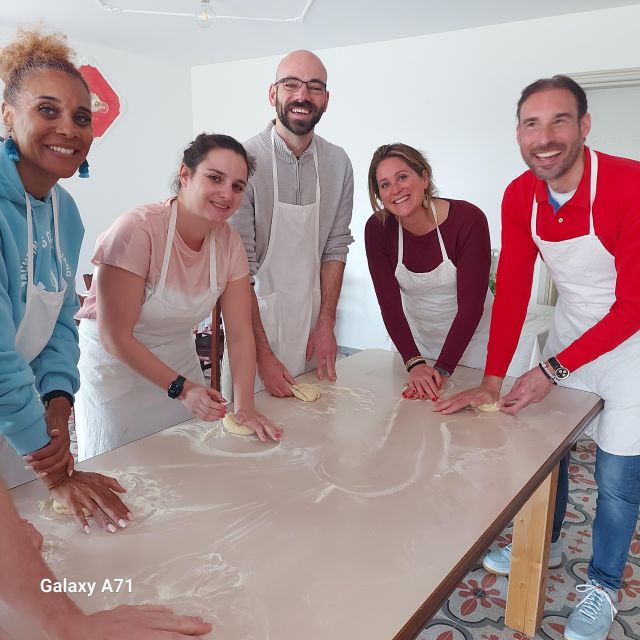
I’d book it if you want a short, skill-building food day on the Amalfi Coast. The combination of traditional mozzarella, fresh pasta dough practice, and tiramisù layering—served with wine and limoncello—makes it feel like a complete experience, not a gimmick.
I’d think twice if you have strict dietary needs like gluten or lactose intolerance. The data says those other requirements can’t be catered for. I’d also plan carefully if you’re staying near Amalfi port and hate transit planning; check bus times and build in extra time to locate the farmhouse.
If you’re open to cooking for real, eating well, and learning dishes that are genuinely Italian and repeatable at home, this one is worth your afternoon.
FAQ
How long is the cooking class?
The class lasts 3 hours.
What dishes will I make during the experience?
You’ll learn to prepare mozzarella, fresh tagliatelle-style pasta (described with flour, oil, and eggs), and tiramisu.
Is a vegetarian option available?
Yes. A vegetarian option is available, but you need to advise the team at the time of booking.
Can the class accommodate gluten-free or lactose-free diets?
No. The activity notes it can’t cater to other alternative dietary requirements, with examples including gluten or lactose intolerance.
Are wine and limoncello included?
Yes. The experience includes local wine and limoncello tasting.
Is hotel pickup included?
No. Hotel pickup and drop-off are not included, so you’ll need to get to the venue yourself.
Are there age requirements?
Yes. All guests must be over age 7 to access the venue, and the information also states that everyone (whether cooking or not) must pay for the class.