REVIEW · SINGAPORE
Singapore: Hands-on Cooking Class with Cultural Immersion
Book on GetYourGuide →Operated by Food Playground Pte Ltd · Bookable on GetYourGuide
Singapore cooking class turns lunch into a lesson. I like the hands-on workstation setup and the way you leave with a 3-course meal you cooked yourself. One thing to consider first: this studio sits on level 2 of a conservation shophouse with no lift, so it may not work for people with mobility limitations.
You start with coffee or tea and small nostalgic bites, then jump into a quick ice-breaker tied to Singapore’s food heritage. After that, instructors walk you through dish origins and local ingredients, and you cook three signature recipes with close guidance before sitting down together to eat, mingle, and pick up practical ideas for the rest of your stay.
In This Review
- Key Highlights Worth Your Time
- Chinatown Meeting Point: Next to Buddha Tooth Relic Temple
- Coffee, Ice-Breakers, and Food Culture Before You Touch a Pan
- The Fixed Weekly Menu: Plan Your Day Around Your Favorite Dishes
- Hands-On Stations for Three Singaporean Recipes
- What You Cook Becomes What You Eat (3 Courses Included)
- Instructor Stories and Local Guidance (English-Friendly, Human-Scale)
- Is $94 Worth It for 3 Hours of Cooking and Lunch?
- Who This Cooking Class Fits Best (and Who Should Skip)
- Should You Book This Singapore Cooking Class?
- FAQ
- How long is the Singapore cooking class?
- Where is the meeting point?
- What dishes will I cook?
- Is the class in English?
- What is included in the price?
- Is video recording allowed and is it accessible for mobility issues?
Key Highlights Worth Your Time
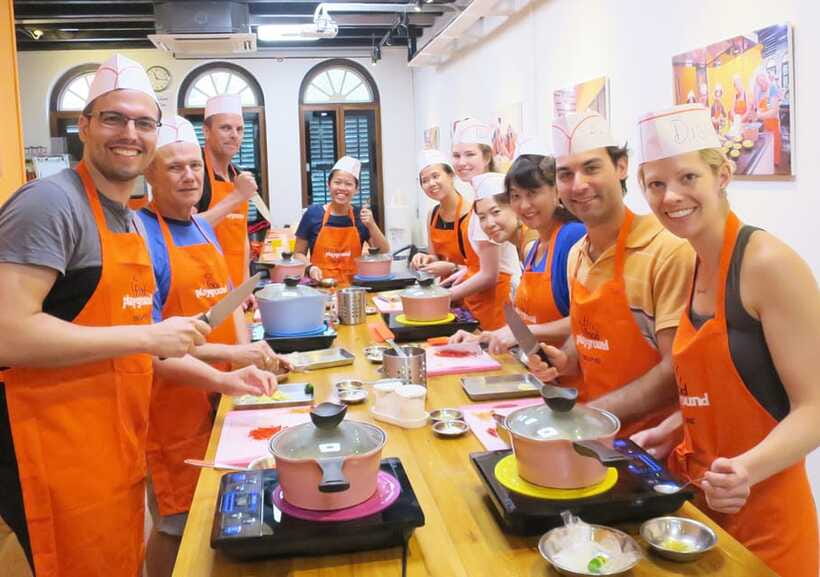
- Hands-on cooking at fully equipped stations with instructor support throughout the process
- A fixed weekly menu so you can choose the day that matches the dishes you want most
- 3 Singaporean favorites taught step-by-step, aimed at helping you repeat them at home
- Food culture storytelling, including life challenges instructors overcame
- You eat what you cook, then chat with the group while enjoying the meal
- Central Chinatown location beside the Buddha Tooth Relic Temple and Museum
Chinatown Meeting Point: Next to Buddha Tooth Relic Temple
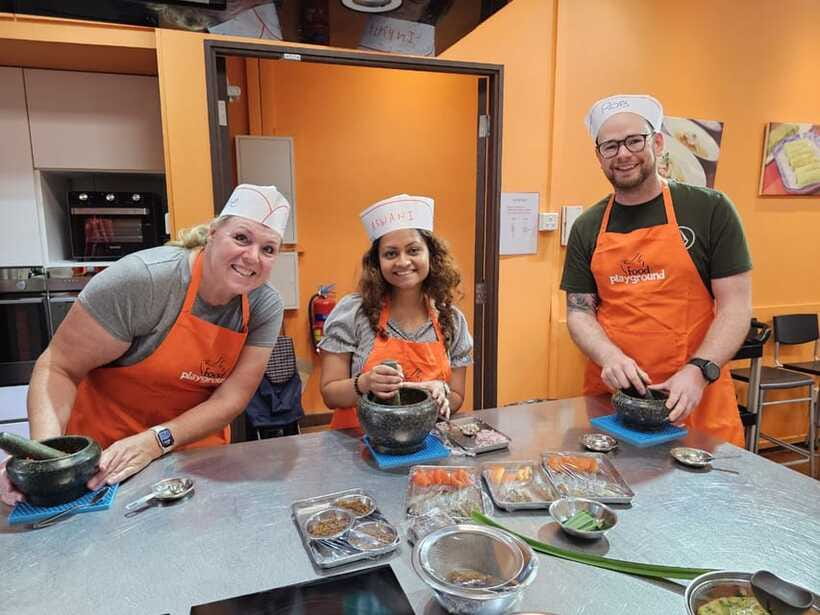
The studio location is one of the easiest parts of this experience. You’re meeting in Chinatown, right next to the Buddha Tooth Relic Temple and Museum, and you’ll look for an orange sign with the local partner’s name near the landmark.
Why this matters: Chinatown is walkable and good for pre- or post-class wandering. You can pair your class with other nearby sights without needing complicated planning, and you don’t burn time commuting across town.
You can also read our reviews of more tours and experiences in Singapore.
Coffee, Ice-Breakers, and Food Culture Before You Touch a Pan
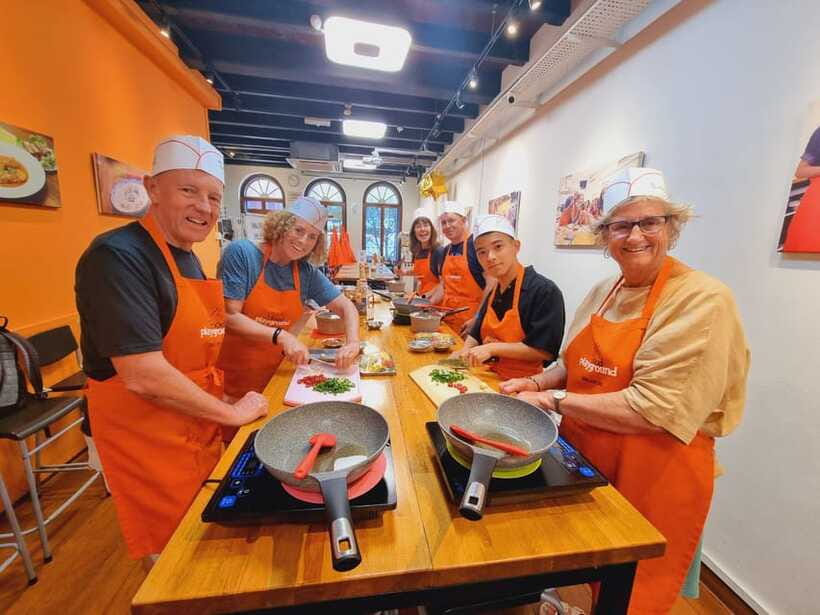
The class starts the friendly way: you arrive to a cooking studio setup with your instructors welcoming you and settling you down with coffee or tea plus small nostalgic snacks. Then you kick things off with a fun ice-breaker game that ties directly to Singapore’s heritage and food culture.
This “warm-up” phase isn’t fluff. It helps you get comfortable with the group and it primes you to understand what you’ll cook later—especially when instructors explain where dishes come from and why certain ingredients show up again and again in local cooking.
The Fixed Weekly Menu: Plan Your Day Around Your Favorite Dishes
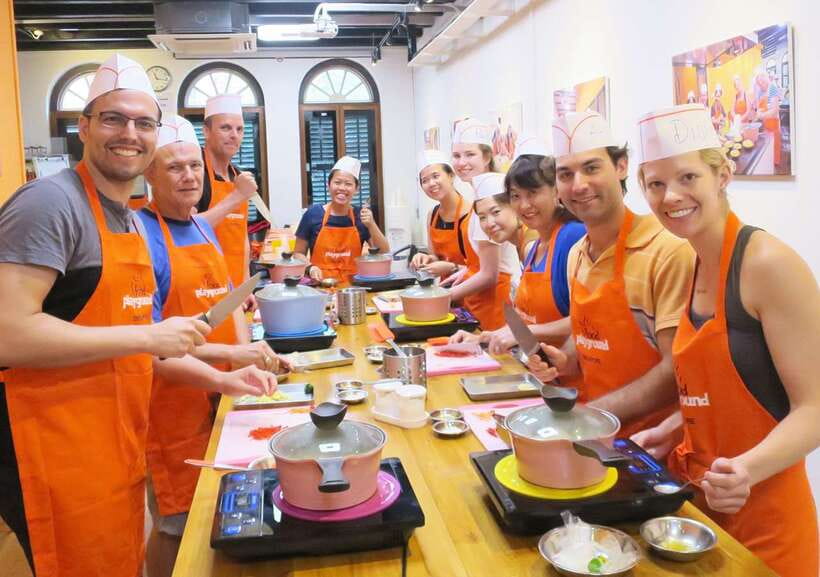
This class runs on a fixed menu schedule, and that’s a big part of the value. You’re not gambling on what you might end up with—you can pick the day based on the specific recipes you want to learn.
Here’s the menu by day:
- Monday: Nasi Lemak, Sambal Prawns and Kueh Dadar
- Tuesday: Curry Chicken, Roti Jala and Ondeh Ondeh
- Wednesday: Laksa, Fried Spring Rolls and Hoon Kueh
- Thursday: Nasi Biryani, Masala Chicken and Lentil Dhal
- Friday: Char Kway Teow, Nyonya Popiah and Sago Gula Melaka
- Saturday: Curry Chicken, Roti Jala and Ondeh Ondeh
- Sunday: Laksa, Fried Spring Rolls and Hoon Kueh
Practical tip: if there’s one dish you’re chasing—laksa, char kway teow, curry chicken, nasi lemak—match it to the day first. It’s one of the cleanest ways to make sure the class fits your food goals, not just your schedule.
Hands-On Stations for Three Singaporean Recipes
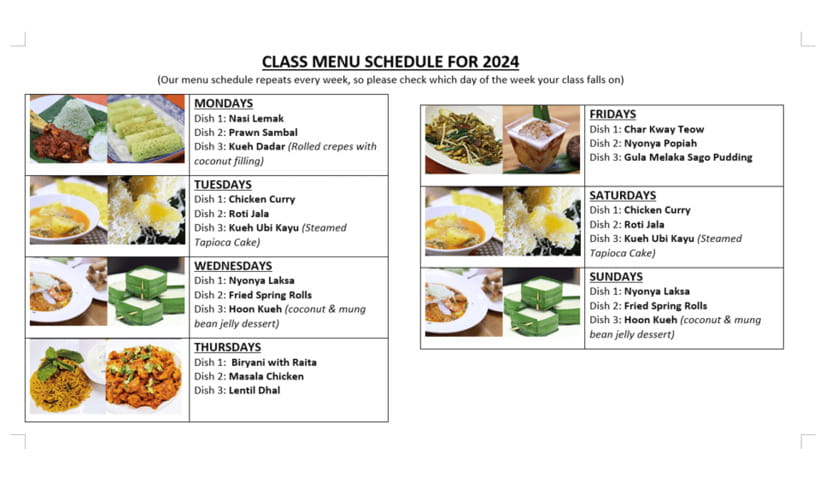
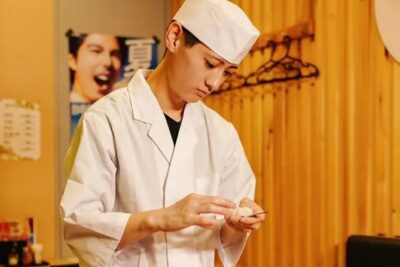
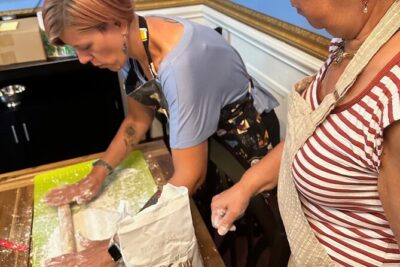
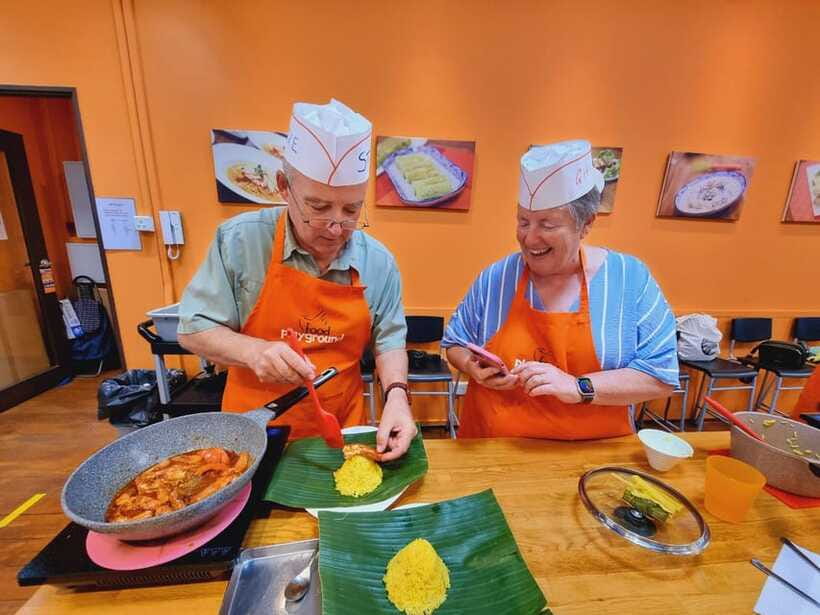
Once you’re ready, you put on the apron and chef hat, then head into the kitchen with fully equipped cooking workstations and your ingredients. The class is structured so you learn the dish logic before you do the work: you get origins of the dish, then the specific local ingredients used, then you cook.
A key detail: instructors don’t just show you the steps and walk away. You get close guidance, and the goal is that you understand the process enough to replicate it later at home. The class format also seems to work across different skill levels; multiple instructors in reviews were described as patient and supportive when people were new to cooking or still learning technique.
And yes, you’ll get that satisfying “this is real cooking” feel—spices being ground and mixed, sauces built with care, and textures that come from doing it yourself rather than assembling a takeout order.
What You Cook Becomes What You Eat (3 Courses Included)
At the end, you sit down together to enjoy the meal you made—described as a sumptuous 3-course Singaporean spread. This is where the experience clicks for most people: you don’t just taste a sample, you eat the full result of your work.
It’s also a chance to compare what you made to what’s typical. Even if you’re not a hardcore Singapore-food expert, you’ll notice differences like how sambal changes a dish’s personality, or how the sauce-to-noodle balance shifts when you cook laksa-style components.
Then the social part kicks in. As you mingle with the other students, you can also ask for extra local expert knowledge—like where to eat and what else to do in Singapore while you’re still in “food mode.”
Instructor Stories and Local Guidance (English-Friendly, Human-Scale)
One of the most praised parts of this class is the people running it. Reviews consistently highlight friendly, engaging instructors and a strong focus on stories—especially intricate stories about instructors overcoming life challenges.
You’ll hear different names across classes, and that variety can actually feel reassuring: examples include Nur, Lur and Mrs Lee, Wy Wy, Cindy, Sara, Helen, and Annie. Regardless of who’s teaching on your day, the pattern is the same: a warm welcome, clear explanations, and an emphasis on cultural context alongside technique.
A couple more real-world details that show up in reviews:
- Everything tends to be clean, organized, and set up in advance, so you’re cooking rather than waiting.
- Many people mention the class is relaxed and interactive, with instructors sharing extra background info before key steps.
- Some reviews mention the recipes are based on family or local sources, which helps the learning feel grounded rather than generic.
There’s also a meaningful thread in at least one review: the cooking organization includes women who were stay-at-home moms back into the workforce. If that matters to you, it’s another reason this class feels like more than a ticketed cooking demo.
Is $94 Worth It for 3 Hours of Cooking and Lunch?
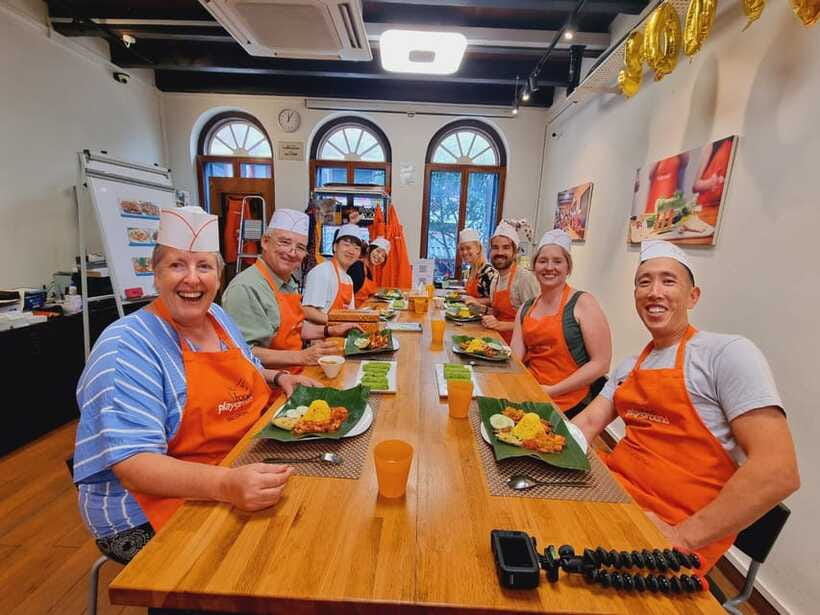
Let’s talk value in plain terms. At $94 per person for about 3 hours, you’re paying for more than food—you’re paying for ingredients, equipment, and expert coaching, plus you sit down to eat a full meal afterward.
Here’s what you’re effectively getting:
- Ingredient costs (including fresh local components)
- Prepped cooking stations and tools
- Instructor time and step-by-step guidance
- Aprons, chef hats, and drinks (coffee/tea plus water)
- Complimentary high-speed Wi-Fi
- A 3-course meal included
If you tried to copy this alone at home, you’d need to source the right ingredients, find reliable techniques, and likely waste time figuring out what to do when something looks off. This class compresses that learning curve into a short session, and you leave with recipes you can realistically try again.
Two practical notes that affect value:
- No hotel pickup or drop-off means you’ll plan your own way to the studio.
- Not every dish is available every day, so choosing the right day is part of getting your money’s worth.
Who This Cooking Class Fits Best (and Who Should Skip)
This class is a great match if you:
- Want a hands-on Singapore food experience rather than just tasting
- Like learning the “why” behind dishes (origins, ingredients, technique)
- Enjoy meeting other people while traveling, then sharing a meal
- Want recipes you can recreate at home, not just a one-off lunch
You should think twice if you:
- Have mobility impairments or limited mobility. The studio is on level 2 of a conservation shophouse with no lift access.
- Are relying on recording for later study. Video recording is not allowed, so plan to take written notes or photos if permitted on your device (the rule given is specifically about video).
Group energy is also worth noting. Multiple reviews describe the class as interactive and friendly, which tends to work best when you’re open to chatting and learning together—not when you want total quiet.
Should You Book This Singapore Cooking Class?
I’d book this class if your goal is to learn Singaporean cooking in a way that feels practical and social. The combination of three cooked dishes, step-by-step guidance, and cultural stories gives you something more useful than a souvenir meal.
Before you hit reserve, do two quick checks:
- Pick the day that matches the dishes you want most, since the menu is fixed by weekday.
- Be honest about mobility needs, because the studio is on level 2 with no lift.
If that works for you, this is one of those rare travel experiences where you finish feeling fed, informed, and actually able to recreate what you learned.
FAQ
How long is the Singapore cooking class?
The class lasts 3 hours.
Where is the meeting point?
You meet at a cooking studio in Chinatown next to the Buddha Tooth Relic Temple and Museum. Look for an orange sign with the local partner’s name.
What dishes will I cook?
The dishes depend on the day you choose. The class has a fixed weekly menu, including options like Nasi Lemak, Sambal Prawns and Kueh Dadar, Laksa and Fried Spring Rolls, or Char Kway Teow and Nyonya Popiah, among others.
Is the class in English?
Yes, the instructor is English.
What is included in the price?
Included are the ingredients, use of chef hats and aprons, coffee/tea and drinking water, and complimentary high-speed Wi-Fi.
Is video recording allowed and is it accessible for mobility issues?
Video recording is not allowed. Also, the class is not recommended for people with limited mobility because it’s located on level 2 with no lift access.