REVIEW · SINGAPORE
Local Cuisine Cooking Class in Singapore
Book on Viator →Operated by Commune Kitchen - Cooking School · Bookable on Viator
Cooking in Singapore beats ordering off a menu.
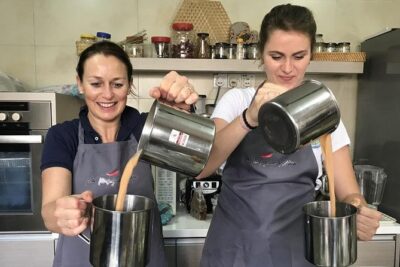
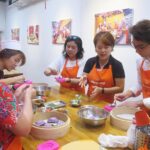
This hands-on cooking class at Commune Kitchen has you working from scratch, learning the nuts and bolts of South-East Asian flavors while keeping things fun and relaxed. You also cook in small groups of 3-4, so you are not stuck watching someone else do the work.
I also love that the class teaches the why, not just the how: herbs, spices, and core techniques are explained as you go. One thing to consider: the menu changes daily, so you might not get a specific dish you have in mind unless you book a private class.
In This Review
- Key things to know before you cook
- Where Commune Kitchen fits into a Singapore trip
- Meeting up at 182 Cecil St and getting settled fast
- The 3-hour flow: what happens once the apron goes on
- Your chef-led flavor lesson: herbs, spices, and core techniques
- Cooking your dishes: how the menu teaches you to taste and adjust
- What you’ll actually make and eat (and why it feels worth it)
- Group dynamics: working in stations without feeling rushed
- Price and value: what $142.40 buys you in Singapore time
- When to book a regular class vs. private
- Weather and timing: the one curveball to plan for
- Who this cooking class suits best
- Should you book this class at Commune Kitchen?
- FAQ
- What is the duration of the Singapore Local Cuisine Cooking Class?
- Where is the meeting point?
- How much does it cost per person?
- What group size should I expect?
- Is the ticket mobile?
- What kind of dishes are included?
- What happens if the class is canceled due to weather?
Key things to know before you cook
- Small groups (3–4 per station) so you get real hands-on practice, not a spectator role
- Expert chefs lead the basics from herbs and spices to cooking steps you can repeat at home
- A set of complementary dishes so you can taste how flavors fit together
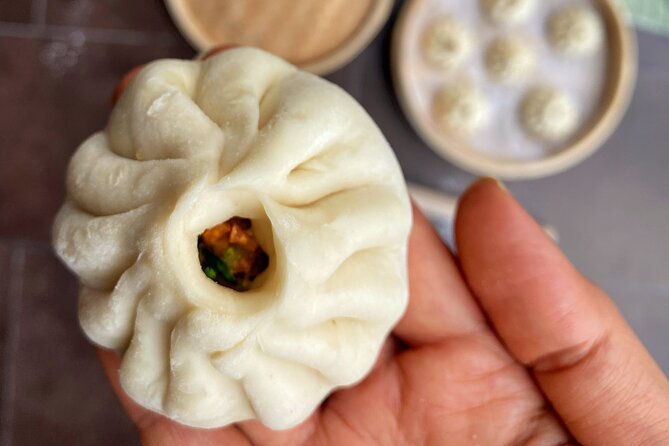
- Diverse menu options including Chinese dumplings, xiao long bao, satay, Peranakan, Indian, and gluten-free
- Cook, then sit down and eat in a relaxed group meal
- Daily menu updates mean the class content can shift based on the weekly plan
Where Commune Kitchen fits into a Singapore trip
If you have already done the usual Singapore hits, this is a smart shift. A good meal is great, but cooking gives you something longer-lasting: your own recipe notes and the muscle memory for key steps.
Commune Kitchen is a practical place to base a cooking session. It is in the city (182 Cecil St, Frasers Tower), and it is near public transportation. That matters on a trip, because Singapore can be efficient yet intense. A class like this gives you a structured, indoor activity that still feels local and very hands-on.
One more plus: the group size caps at 18 travelers. That usually means you get attention from the chefs and less waiting around for your turn. You still get the social energy of a group experience, but it does not feel like you are in a factory.
You can also read our reviews of more tours and experiences in Singapore.
Meeting up at 182 Cecil St and getting settled fast
You start at Commune Kitchen – Local Cooking Classes, Team Building, & Kitchen Rental, at 182 Cecil St, #02-10/11 Frasers Tower, Singapore 069547.
Plan to arrive a few minutes early. Not because you need a long briefing, but because cooking classes run best when everyone is ready to wash hands, set up at the station, and pay attention from the start. You will likely want to get your bearings right away so the first wave of ingredients and instructions lands smoothly.
You should also know that you get a mobile ticket, and confirmation comes at booking time. That is one less thing to manage on the day, especially if you are hopping between neighborhoods.
The 3-hour flow: what happens once the apron goes on
The class runs about 3 hours, and the structure is simple on purpose: learn basics, cook a set of dishes, then eat together.
Early on, chefs walk you through South-East Asian cooking fundamentals. That includes herbs and spices and how to use them in a way that makes the food taste balanced instead of random. You are not just memorizing steps. You are learning what each ingredient is doing.
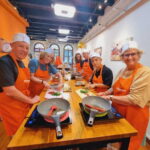
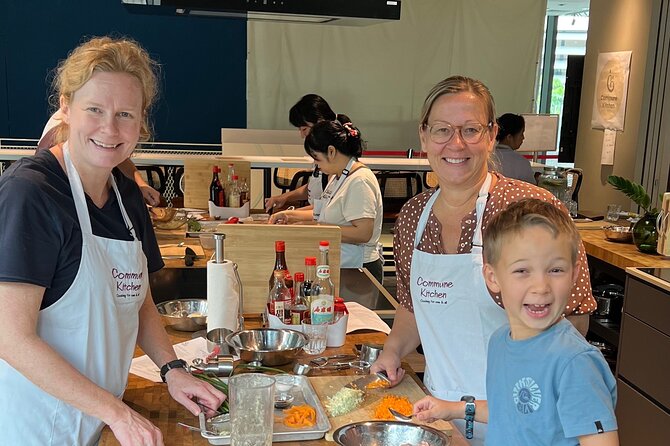
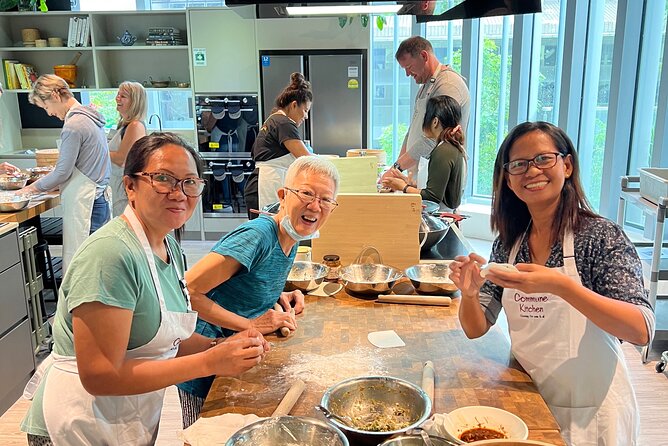
Then the main event starts: hands-on cooking at your own station. You will work in small groups of 3-4 people, which makes a big difference. With this setup, you can actually contribute to the dish and ask questions without having to shout over a big crowd.
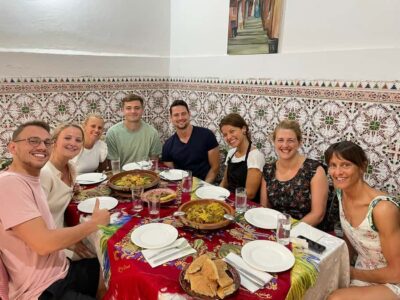
By the end, you sit down for a relaxed meal with the food you made. It is the best kind of payoff: you can taste the results immediately, and you can also compare notes with the group next to you.
Your chef-led flavor lesson: herbs, spices, and core techniques
The heart of this class is how it explains flavor. Singapore cooking may feel like a mash-up from the outside, but it is more organized than you think.
You will likely cover herbs and spices in a practical way. Not in a lecture style, but in the context of what you are cooking that hour. That is how you start building the ability to recreate dishes later. You learn which aromatics show up often, how spice profiles change depending on the dish, and how to adjust to your own taste.
The teaching style seems to land well with people because it is supportive and skill-focused. In past classes, names like Payal and lead chef Patel come up in the teaching team. You can expect instructors who are ready to guide you through the steps and help you understand the spice and seasoning logic.
If you have cooked before, you will still appreciate this approach. If you are new in the kitchen, it helps even more. You get a map for what to pay attention to, so you are not guessing during the final minutes when things matter most.
Cooking your dishes: how the menu teaches you to taste and adjust
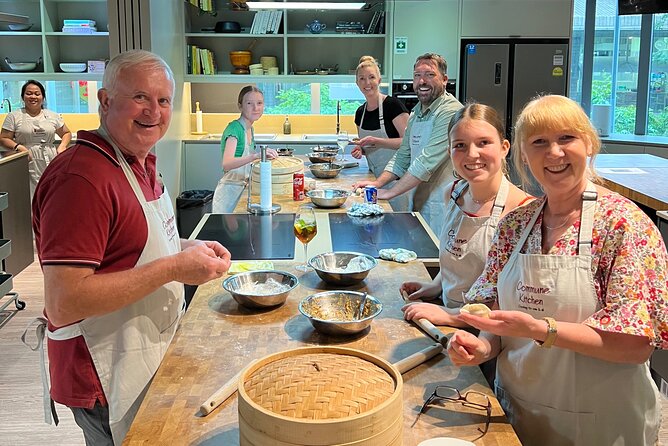
The experience is built around a combination of dishes that complement each other. That sounds marketing-ish, but it is actually a smart learning setup.
When dishes are designed as a set, you notice patterns:
- how one dish’s spice level compares to another
- what tastes better after something richer or more aromatic
- how sauces, textures, and toppings change the overall balance
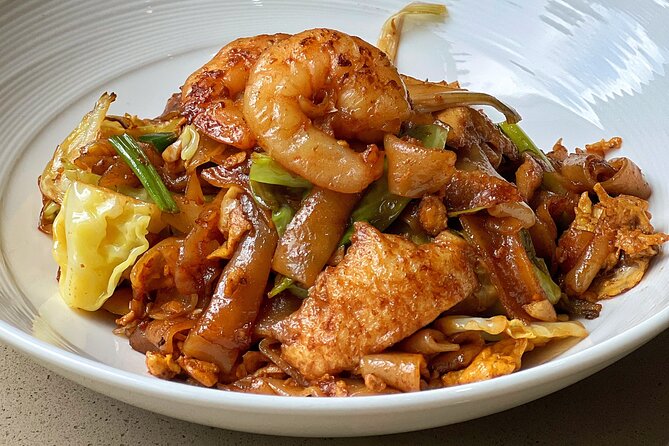
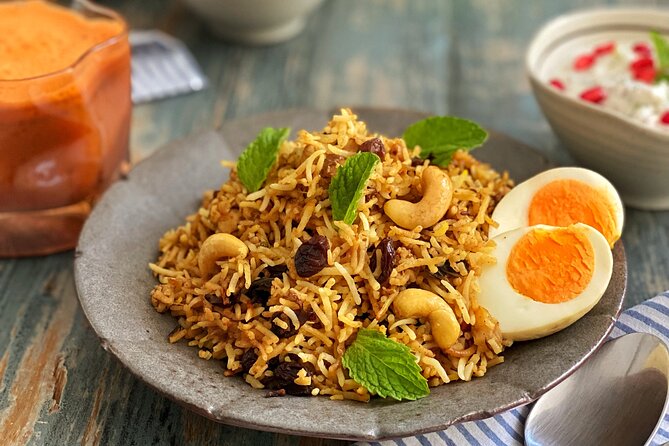
Menus can include things like traditional Chinese dumplings, xiao long bao, satay, Peranakan dishes, Indian dishes, and gluten-free options. Since menus change daily, the exact dishes you cook will depend on the weekly plan, but the learning goal stays the same: understand different flavors and recreate meals at home.
You may want to treat the class like a guided “taste + repeat” session. The more you pay attention to the moments when something smells right, looks right, or tastes right, the more you will be able to cook without constant measuring later.
What you’ll actually make and eat (and why it feels worth it)
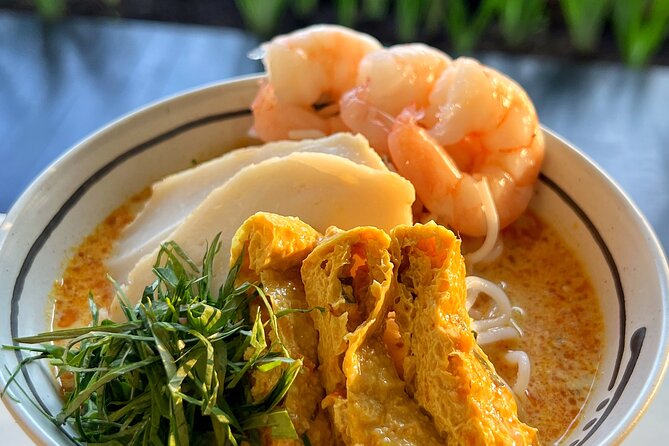
Because the menu changes daily, you should think of this as a cooking skills class with a rotating recipe set, not a single guaranteed dish.
That said, the best way to judge value is to ask: will I leave with food I can proudly serve and recipes I can reproduce? This class is set up for that. You take home new delicious recipes, and you cook enough that the sit-down meal feels like an earned celebration, not a tiny tasting.
From examples of what people have cooked in similar sessions, you might see Thai satays alongside other dishes like nasi goreng, or Indian comfort-food staples like butter chicken and naan made from scratch. You might also see desserts such as pandan cupcakes.
Even if you do not get the exact dish list you are picturing, the learning engine is consistent. You practice core tasks like prepping ingredients, balancing seasoning, handling dough or fillings if included that day, and building the final flavor at the table.
Group dynamics: working in stations without feeling rushed
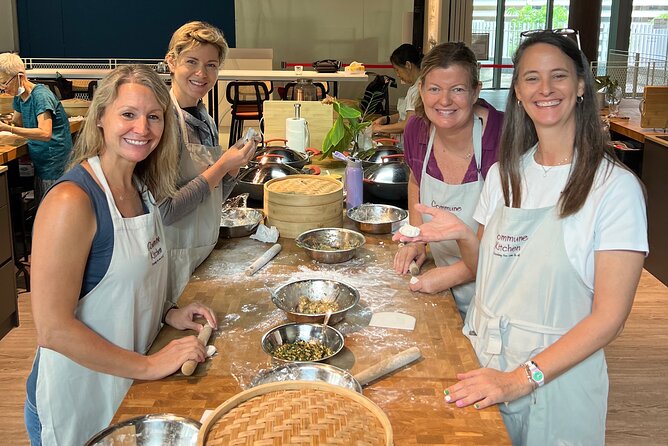
One reason people rave about cooking classes is whether the pace feels sane. Here, the small groups are the fix.
Working at your own cooking station helps you avoid the two common problems: waiting too long for instructions, or doing too little because the group is split among many tasks. With 3-4 people per station, you can rotate roles like chopping, mixing, forming, or finishing, depending on the dish.
You also get a built-in social benefit. You can compare what you did, ask, and laugh at the inevitable small mishaps. That is part of the fun. One reason the experience gets high marks is simply that the environment feels relaxed while still being structured.
If you are traveling solo, you will likely enjoy the friendly mix of guided learning and conversation. If you are traveling with a friend, you still get the station energy without losing quality instruction.
Price and value: what $142.40 buys you in Singapore time
At $142.40 per person for about 3 hours, this is not the cheapest Singapore activity. But it can be excellent value when you look at what you get:
- Expert chef guidance through herb and spice fundamentals
- Hands-on cooking at your own station
- Multiple complementary dishes rather than one small lesson
- A sit-down meal so you eat what you made
- Recipes to take home, meaning you are buying skills you can reuse
In a city where you can easily spend money on meals and still leave without learning anything, this can be a smarter use of your time. You are essentially turning dinner into a workshop.
Another practical point: the class is usually booked about 26 days in advance on average. That tells me it is in demand, likely because it is a well-sized group and a reliable format. If you are traveling at a busy time, locking in earlier can help.
When to book a regular class vs. private
The daily-changing menu is great if you like variety and are flexible. It can be annoying if you have one must-cook dish.
If you want a specific menu, the class suggests booking a private cooking class with Commune Kitchen directly. That is the right move if you are:
- celebrating something and want a tailored set
- cooking for a group with specific dietary needs beyond what is offered daily
- determined to cook one particular dish, like a specific dumpling or a specific Indian main
If you do not have a hard target, regular group classes are the better deal. You get the full teaching structure and a rotating menu that still covers the important flavor basics.
Weather and timing: the one curveball to plan for
This experience requires good weather. That sounds unusual for a cooking class, but it is in the booking conditions, so treat it like a real possibility.
If poor weather causes cancellation, you are offered a different date or a full refund. The key for your planning is to book this with a little slack in your schedule, especially if you are doing a tight Singapore itinerary where everything depends on one day.
Also, you start at a fixed location, and the class itself is about 3 hours. So you can build the rest of your day around it without worrying about long transit times during the session.
Who this cooking class suits best
This class is a great fit if you want more than a foodie photo and want a skill you can use later.
It is especially good for:
- first-timers who want a clear foundation in herbs and spices
- couples and friends who like learning together
- anyone who loves eating Southeast Asian food and wants to understand the flavor mechanics
- people who want a social activity that still feels hands-on
It may not be ideal if you are extremely short on time, or if you need one exact menu item and cannot shift. In that case, private is worth considering.
Should you book this class at Commune Kitchen?
Yes, you should strongly consider booking it, especially if you like food that has depth and you want the kind of learning that sticks. The biggest strengths are simple: small groups, genuine hands-on cooking, and chefs who teach the basics of South-East Asian flavor rather than just handing you a recipe.
If you are flexible about the exact dishes because the menu changes daily, this is an efficient way to turn one evening into recipes, confidence, and a meal you actually earned.
If you are set on one specific menu, your best call is private, since the regular class rotates. Either way, you come out with more than a stomach full of Singapore food. You leave with a kitchen plan you can repeat at home.
FAQ
What is the duration of the Singapore Local Cuisine Cooking Class?
The class lasts about 3 hours.
Where is the meeting point?
You meet at Commune Kitchen – Local Cooking Classes, Team Building, & Kitchen Rental, 182 Cecil St, #02-10/11 Frasers Tower, Singapore 069547.
How much does it cost per person?
The price is $142.40 per person.
What group size should I expect?
The class works in small intimate groups of 3-4 people at your own cooking station, and the overall maximum group size is 18 travelers.
Is the ticket mobile?
Yes, you receive a mobile ticket.
What kind of dishes are included?
Menus change daily, and the class may include dishes such as traditional Chinese dumplings, xiao long bao, satay, Peranakan, Indian options, and gluten-free choices.
What happens if the class is canceled due to weather?
The experience requires good weather. If it is canceled due to poor weather, you will be offered a different date or a full refund.