REVIEW · SINGAPORE
Singapore: Market-to-Table Experience and Cooking Class
Book on GetYourGuide →Operated by Let's Go Bike Singapore · Bookable on GetYourGuide
One of Singapore’s best skills is eating well on the street. This market-to-table experience strings together a wet market tour with a chef-led hands-on cooking class, so you learn why the ingredients matter before you touch the stove. It’s built for real food culture: market sights, stories about multi-racial tastes, then learning dishes like laksa and kueh.
I especially like that the guides are licensed tour guides and trained chefs, so you get both context and technique in the same morning. And I like the smart menu structure: you cook different dishes depending on the day, including crowd-pleasers like Ngoh Hiang and Kueh Dadar (pandan crepe with palm sugar and shaved coconut).
One thing to consider: the pace can vary depending on the group and day. In particular, one guest felt the market portion took a bit too long, so if your main goal is cooking time, it’s worth choosing a day that matches your priorities.
In This Review
- Key highlights at a glance
- Wet Market Morning: Why It’s More Than Just Shopping
- Getting Your Bearings with Breakfast at a Local Coffeeshop
- Studio Class Flow: What the 3 Hours Feel Like
- Your Dishes Depend on the Day: Menu A vs Menu B
- Cooking Techniques You’ll Actually Use at Home
- The Guide-Chef Team: Names, Styles, and Why It Matters
- Pacing, Market Time, and How to Get the Most Out of It
- Price and Value: Is $109 Worth It?
- Who Should Book This Singapore Market-to-Table Class
- Should You Book This Singapore Market-to-Table Experience?
- FAQ
- Where is the meeting point for the tour?
- How long is the experience?
- What dishes are cooked on Menu A days?
- What dishes are cooked on Menu B days?
- Is the tour available in languages other than English?
- What’s included in the price?
- Is the tour rain or shine?
- Can I note dietary concerns?
- Is wheelchair accessibility available?
- What’s the cancellation policy?
Key highlights at a glance
- Wet market tour with a licensed guide and chef focused on local ingredients and everyday life
- Breakfast at a local coffeeshop to set you up before you cook
- Hands-on instruction from warm, experienced chefs who explain techniques clearly
- Day-based menus (Menu A vs Menu B) with Singapore favorites
- Rain or shine so you’re not stuck waiting for perfect weather
- Small-group feel that keeps the class relaxed and questions easy
Wet Market Morning: Why It’s More Than Just Shopping
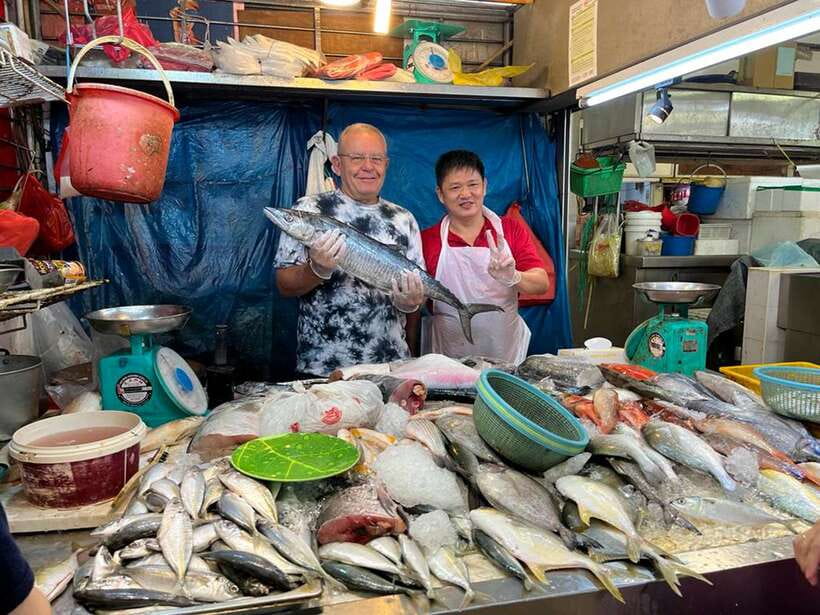
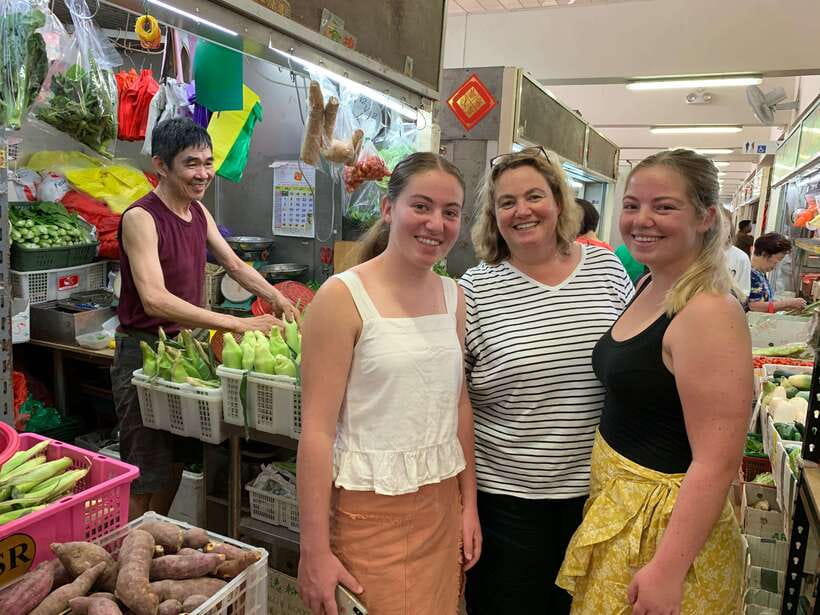
Your morning starts at a local wet market, not a touristy version. You’ll walk with a guide/chef who points out ingredients and explains how they show up in Singapore cooking. This is the part that makes the rest of the experience click, because you stop thinking of dishes as recipes and start seeing them as choices.
Wet markets in Singapore are loud, colorful, and practical. You’ll likely notice how vendors package and sell herbs, aromatics, and key flavor-makers in small, usable amounts. That matters later when you cook. When you understand what goes into something like laksa—spice, coconut milk, and noodles—you’re more likely to respect the proportions instead of guessing.
The best value here is the “two-language” teaching: the guide handles the food culture and the neighborhood context, while the chef focuses on what you need for cooking. In the same outing you might hear food stories that connect to Singapore’s mix of cultures, and then get real technique pointers you’ll use in the studio.
You can also read our reviews of more tours and experiences in Singapore.
Getting Your Bearings with Breakfast at a Local Coffeeshop
Before you move to the cooking space, you’ll enjoy an iconic Singapore breakfast at a local coffeeshop. This isn’t an afterthought meal. It’s more like orientation: you taste the style of food people eat as part of daily rhythm, then you head into learning how to reproduce that comfort in your own kitchen style.
This also helps if you’re arriving hungry and slightly jet-lagged. Instead of going from market overwhelm to a cooking class right away, you get a reset. One of the strongest parts of the experience is that it’s paced for beginners as well as food lovers.
If you have dietary needs, this is the moment to flag them. The experience asks you to remark on dietary concerns, and you’ll want that note early so the kitchen can plan appropriately.
Studio Class Flow: What the 3 Hours Feel Like
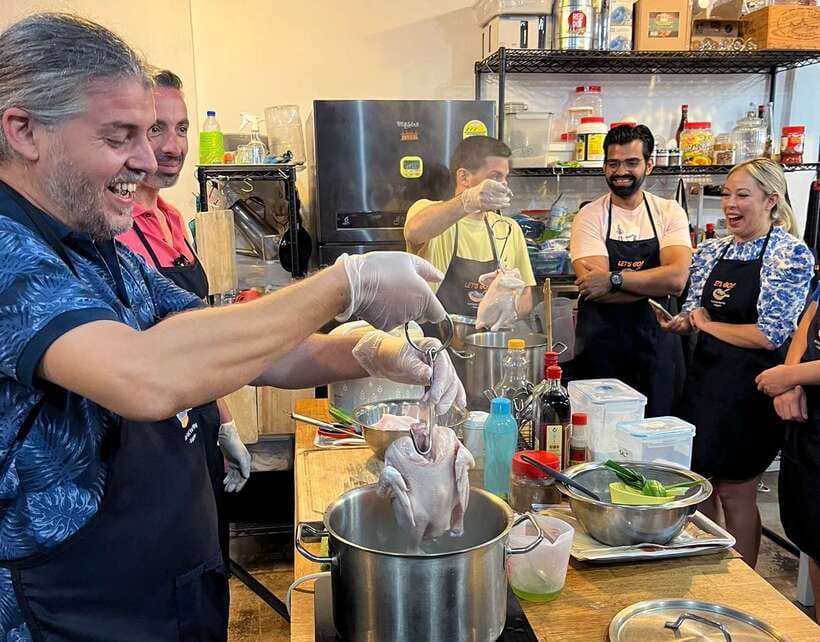
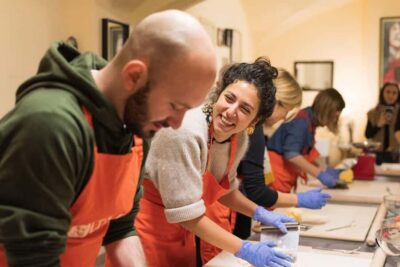
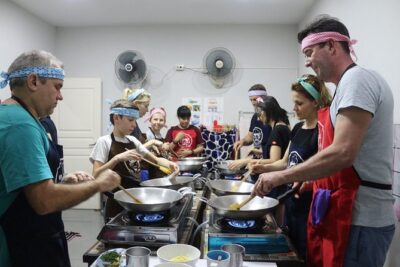
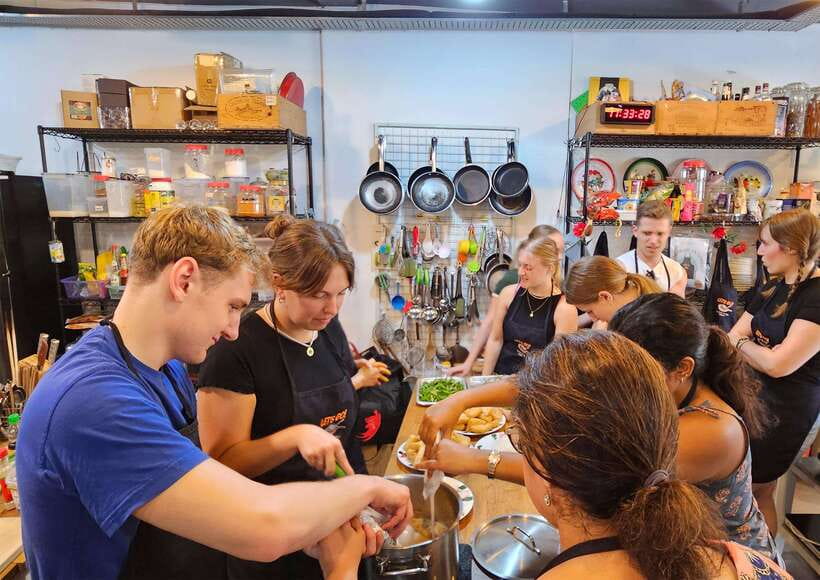
Back at the studio, you’ll get an immersive cooking session with equipment and ingredients provided. That’s a big practical advantage. You don’t need to hunt down specialty items or figure out what tools the class expects.
The class is built around learning how to cook local favorites from scratch. You’ll work through multiple dishes, and the chefs teach with both warmth and clarity. Based on past guests’ comments, the explanations tend to be understandable even if you’re not used to Asian cooking techniques.
Timing is part of the setup. The whole experience runs about 3 hours. In one account, the full experience was closer to 3.5 hours including time to eat, and the cooking segment took a little over 2 hours. So plan to treat it like a focused morning event, not something you’ll squeeze between two tight appointments.
Your Dishes Depend on the Day: Menu A vs Menu B
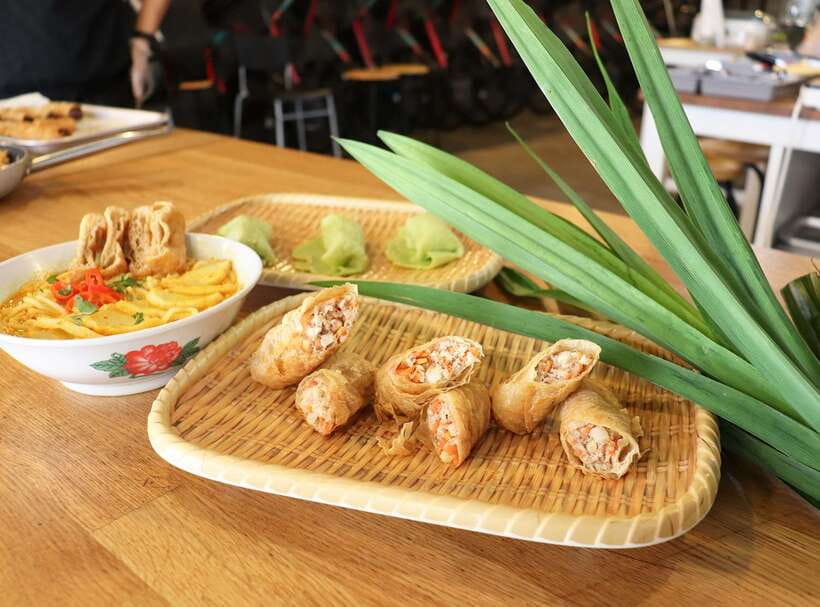
One reason people love this class is that it doesn’t feel like you always get the same template. The menu changes by day, which keeps repeat visits interesting and helps you match what you want to learn most.
Menu A (Tue, Thu, Sat) includes:
- Hokkien Mee (Singapore noodles)
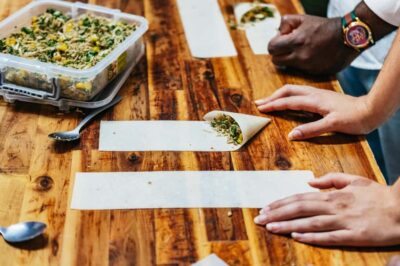
- Vegetarian Spring Roll
- Ondeh Ondeh (sweet snack)
Menu B (Wed, Fri, Sun) includes:
- Traditional Chicken Rice
- Ngoh Hiang (5-spice minced meat roll)
- Kueh Dadar (pandan crepe with palm sugar sweetened shaved coconut)
Here’s what I think this day-based structure means for you. If you’re more interested in savory comfort foods, pick the day that includes chicken rice or hokkien mee. If you want dessert and sweets technique, choose a day with ondeh ondeh or kueh dadar. Either way, you’ll leave with a skill set that goes beyond one dish.
Ngoh Hiang and Kueh Dadar are especially good signals for the quality of instruction. They’re not just throw-together meals. Ngoh Hiang is about spice balance and rolling technique. Kueh Dadar requires working with a crepe-like texture and then filling it with a sweet, fragrant coconut mixture.
Cooking Techniques You’ll Actually Use at Home
This class is hands-on from the start. You’ll learn cooking techniques from experienced chefs, and you’ll get guidance through making dishes like laksa-style components (depending on the day’s menu), noodles, and sweet treats. The key is that you aren’t just watching. You’re building the dish and understanding the why behind flavors.
A few ingredients/skills that tend to matter most in Singapore cooking, and that you’ll pick up along the way:
- Working with spice blends (like the five-spice character behind Ngoh Hiang)
- Getting sauce or soup balance right (spice, coconut richness, and noodle timing)
- Using pandan and palm sugar flavors in sweets (for that distinct fragrance and sweetness)
- Handling protein and fillings without overcooking or drying them out
Also, you get the kind of practical tips that make future cooking easier. One guest noted very useful instruction that made their results much more confident. Another appreciated that allergies were considered, which signals the kitchen takes ingredient safety seriously.
The Guide-Chef Team: Names, Styles, and Why It Matters
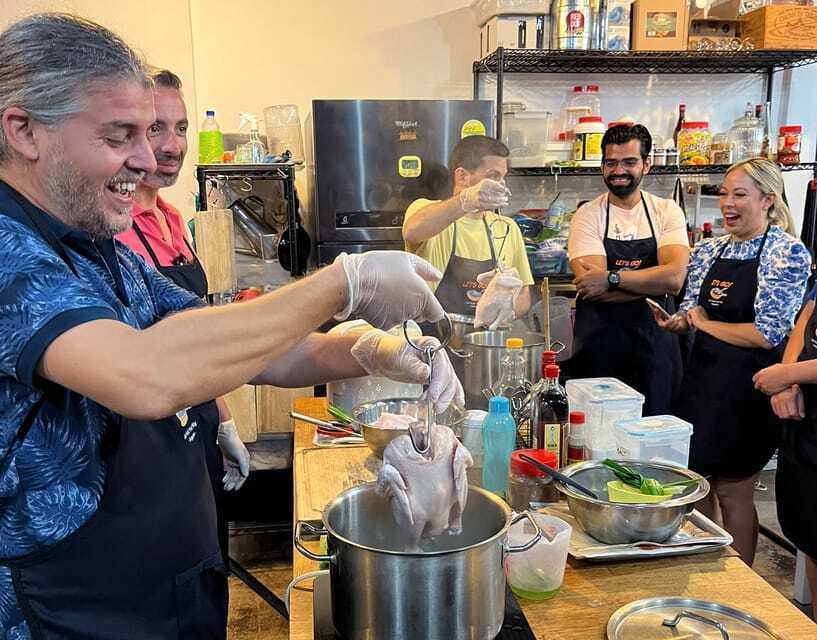
A lot of food experiences list a chef, but not all of them pair chef knowledge with tour-guide storytelling. Here, you’re working with people who can do both. That combination helps you connect ingredients to culture while you cook.
From past guests, I saw several guide-chef names mentioned directly. Denise guided one group through the market and then cooked with a small set of guests in a relaxed, chilled setup. Collin led another market tour and offered entertaining, practical cooking tips, including even taking photos during the cooking process. Vivian provided a neighborhood walk and market tour before the class. Angel taught in a way that felt approachable for an American audience, with explanations that landed.
That variety matters. Some chefs are purely technical. Some guides are purely story-based. The best part of this experience is that you get both tracks without feeling like you’re stuck in a lecture.
Pacing, Market Time, and How to Get the Most Out of It
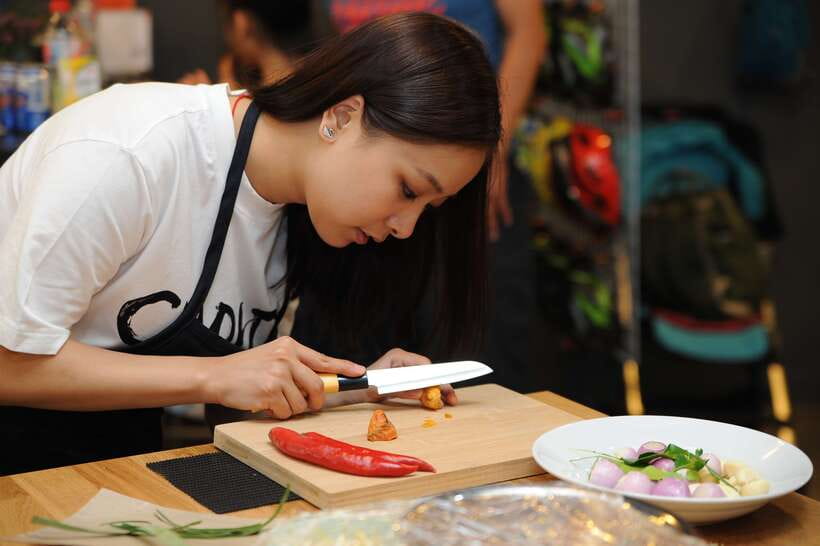
The experience is structured around a wet market tour, breakfast, and then a cooking session. That means your day has three “chunks,” and each one is doing work for the next. Still, the exact balance can feel different depending on how your group moves.
One review specifically mentioned they wanted a bit less time in the market so they could spend more time cooking. That’s a fair consideration if your top priority is mastering technique and producing more food you can take in your stride.
What you can do with this advice:
- If you love food culture and want to see real ingredients up close, you’ll likely enjoy the market time.
- If you mainly want cooking skills, go in with the mindset that the market is the lesson plan, not the main event.
- Ask questions during the cooking part. The class format makes it easy to stay involved.
And because it runs rain or shine, you shouldn’t plan a delicate outdoor-only day. The market portion still happens in wet weather, so bring a practical attitude and expect the day to stay on track.
Price and Value: Is $109 Worth It?
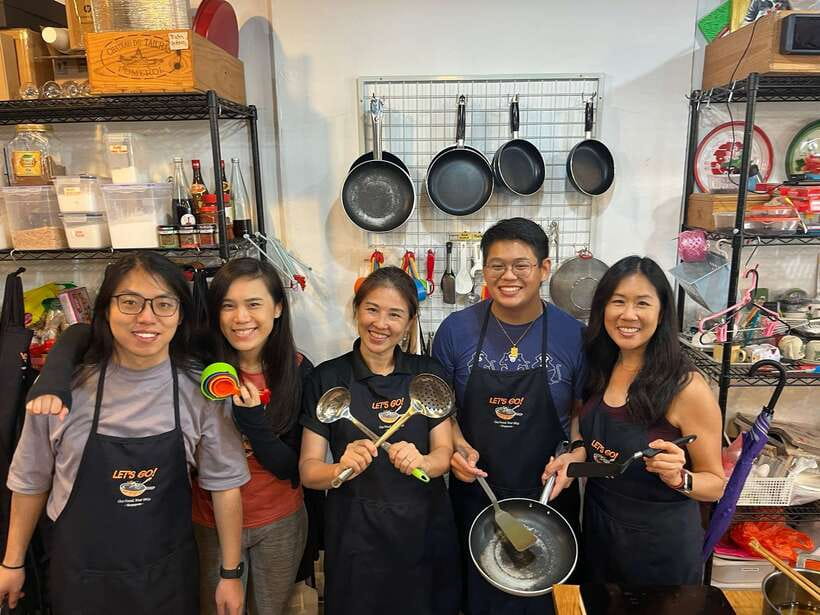
At $109 per person for about 3 hours, this isn’t a bare-bones cooking demo. You’re paying for a packaged experience that covers:
- A local market tour with a licensed guide and chef
- Breakfast at a local coffeeshop
- A hands-on cooking class with all ingredients and equipment
- Bottled water
- A structured menu with multiple dishes (depending on day)
Here’s how I’d judge the value if I were choosing for myself. You’d probably spend money anyway on a guided market visit plus a meal plus the materials to cook. This bundles those pieces into one morning, with instruction that helps you actually repeat what you learned later.
Also, the learning payoff is bigger than “I ate good food.” You’ll know how dishes are built and what ingredient choices do to flavor. That’s the difference between a one-time meal and a transferable skill set.
Who Should Book This Singapore Market-to-Table Class
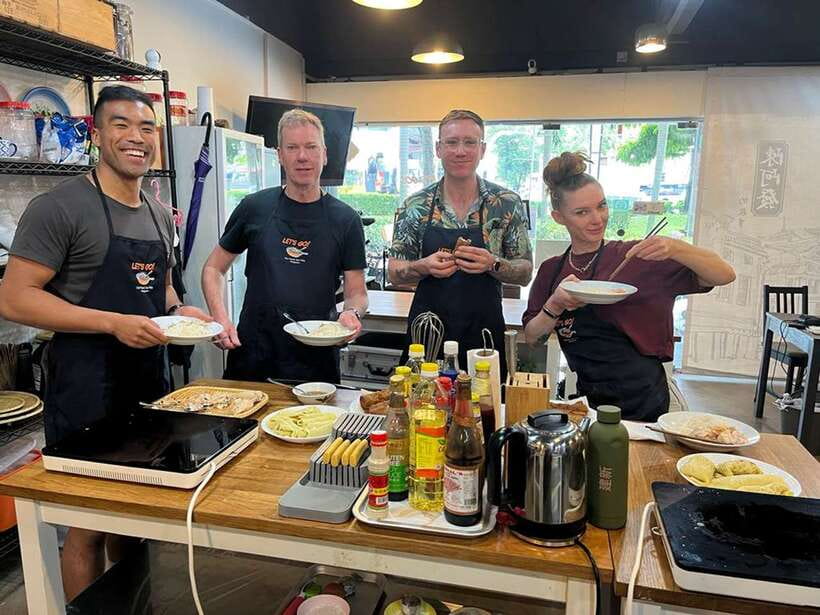
This is a strong fit if you:
- Want to understand Singapore food culture through ingredients, not just by reading menus
- Like the idea of learning cooking techniques alongside local stories
- Enjoy market walking and don’t mind getting a little sensory overload from a wet market
- Want a doable, morning-sized activity that still feels like a full experience
It’s also a decent option for mixed ages, since the experience is designed as a wholesome, fun culinary activity. The pace feels approachable, and the format supports questions.
If you’re a serious pro chef looking for advanced molecular techniques, you might find it too beginner-friendly. But if your goal is “I want to cook these dishes and understand why they taste right,” this is a smart choice.
Wheelchair accessibility is listed as available, but there’s an important detail: the experience says there’s no wheelchair rental service. If you need a specific setup, it’s worth planning ahead so you’re not relying on last-minute equipment.
Should You Book This Singapore Market-to-Table Experience?
Book it if you want a morning that connects where food comes from to how it’s made. The wet market tour with a licensed guide/chef combo plus a hands-on class is a practical way to get value from Singapore’s food culture without spending the whole day hopping between places.
Skip it or reconsider if you’re mainly chasing maximum cooking time and don’t care much about market shopping or ingredient storytelling. In that case, the market portion could feel like time you’d rather spend at the stove.
If you can flex your day, choose based on the menu you want most. Menu A leans toward Singapore noodles, vegetarian spring roll, and ondeh ondeh. Menu B leans toward chicken rice, Ngoh Hiang, and Kueh Dadar. Pick the one that matches your cravings and your learning goals, and you’ll end up with a much more satisfying morning.
FAQ
Where is the meeting point for the tour?
Meet at the junction of Northern Bridge Road and Jalan Sultan Road. Look for the Lets Go Tour Singapore sign.
How long is the experience?
It lasts about 3 hours. Starting times vary based on availability.
What dishes are cooked on Menu A days?
On Tue, Thu, and Sat (Menu A), you cook Hokkien Mee (Singapore noodles), Vegetarian Spring Roll, and Ondeh Ondeh.
What dishes are cooked on Menu B days?
On Wed, Fri, and Sun (Menu B), you cook Traditional Chicken Rice, Ngoh Hiang, and Kueh Dadar.
Is the tour available in languages other than English?
Yes. The instructor languages are Chinese and English.
What’s included in the price?
Included items are bottled water, the local market tour with a licensed guide & chef, and all ingredients and equipment required for the cooking experience.
Is the tour rain or shine?
Yes, it takes place rain or shine.
Can I note dietary concerns?
Yes. You should remark when there are any dietary concerns.
Is wheelchair accessibility available?
Wheelchair accessible is listed, but wheelchair rental services are not provided.
What’s the cancellation policy?
Free cancellation is available up to 24 hours in advance for a full refund.