REVIEW · SYROS
Authentic Greek Cooking & Foraging Experience in Syros with Maria
Book on Viator →Operated by Traveling Spoon · Bookable on Viator
Wild herbs meet a real Greek kitchen. This is my kind of Syros experience: you start with a guided foraging walk near Maria’s home, then cook in her kitchen using what you gathered. I really like the way Maria blends plant know-how with practical cooking so the meal feels both local and easy to recreate later.
The second thing I love is the setting: this is a private, home-based class, not a restaurant show. You’ll focus on a plant-forward menu built around local cheeses, vegetables, legumes, and grains, with meat traditionally used sparingly, so you get that classic Cyclades flavor without a heavy, complicated meal.
One possible consideration: you’re in someone’s home for hands-on cooking, and the experience starts at Megas Gialos 841 00, Greece. If you prefer a fully restaurant-style experience, or you don’t want to do a short walk for gathering, this may feel a bit too active.
In This Review
- Key Highlights
- Why Maria’s Syros Home Garden Changes the Whole Trip
- The 3-Hour Flow: Foraging, Cooking, and a Real Greek Meal
- Step 1: Meet near Megas Gialos and head out for seasonal herbs
- Step 2: Back to the kitchen to sort, prep, and start cooking
- Step 3: Cook traditional dishes together, then eat them
- What You’ll Learn on the Herb Walk (and How to Use It)
- The Menu: Fava, Tourlou, and Greek Comfort Without a Meat-Centered Meal
- Starter ideas: peasant salad with wild flowers, or rock samphire
- Main course: fava (yellow split peas) with classic toppings
- Another main: tourlou, chickpeas, black-eyed peas, or eggplant variation
- Dessert: semolina halva with saffron, plus homemade sweets and Greek wine
- Cooking in Someone’s Home: The Value Isn’t Just the Food
- Price and Booking Timing: What $179 Buys You
- Getting There Without Headaches: Meeting Point and Transit Upgrade
- Who This Is Perfect For (and Who Might Want Something Different)
- The Final Call: Should You Book Maria’s Syros Cooking Class?
- FAQ
- How long is the experience?
- What language is the tour offered in?
- Where does the experience start and end?
- Is this a private tour?
- Do you forage ingredients during the experience?
- Are service animals allowed?
- Is there free cancellation?
Key Highlights
- Maria’s home garden foraging for seasonal wild herbs and greens
- Hands-on traditional cooking with ingredients you picked yourself
- Plant-forward Greek dishes (with meat used sparingly in the traditional way)
- Seasonal menus like fava, tourlou, and local eggplant variations
- Round-trip hotel transit upgrade available for easier logistics
- Private group format so the class stays personal
Why Maria’s Syros Home Garden Changes the Whole Trip
Syros has a way of rewarding slow travel. This experience fits that mood perfectly. Instead of jumping from viewpoint to viewpoint, you spend time where locals actually live and eat. Maria’s home garden is the opening act, and it sets the tone: the cooking isn’t just about recipes. It’s about learning what’s around you, when it’s around, and how people turn it into food.
I like that Maria keeps it grounded. You’re not asked to guess flavors or follow vague instructions. You learn how to identify wild herbs and greens, and then you put those same ingredients to work in a real meal. That turns foraging from a fun idea into a practical skill you can understand.
And because this is a private class, you’re not competing with a crowd or rushing through steps. The pace feels right for questions, small adjustments, and conversation. The class is also offered in English, which matters in a home setting where details and names can get lost fast otherwise.
You can also read our reviews of more tours and experiences in Syros.
The 3-Hour Flow: Foraging, Cooking, and a Real Greek Meal
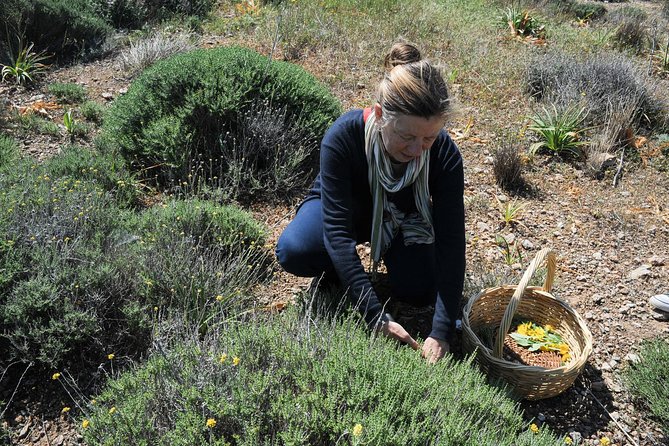
This is about three hours from start to finish. The time includes a seasonal walk near Maria’s home, then the cooking, then the meal. The day ends back at the meeting point at Megas Gialos 841 00, Greece, and there’s an upgrade option for round-trip transit from your local hotel if you want that easier.
Here’s the rhythm you can expect.
Step 1: Meet near Megas Gialos and head out for seasonal herbs
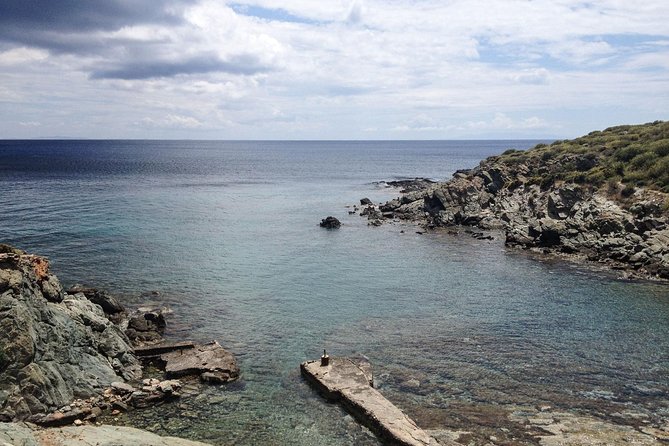
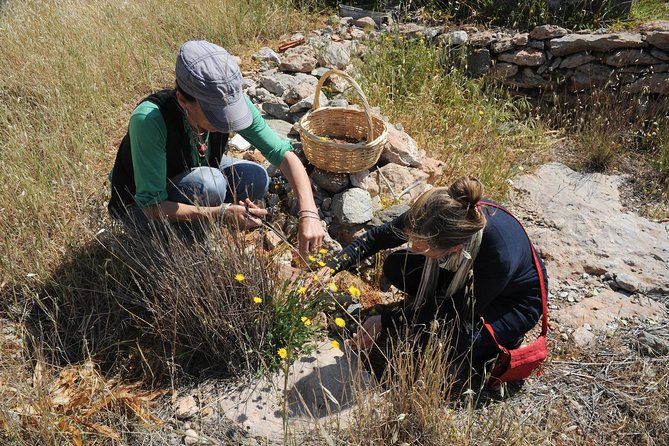
You start at Megas Gialos 841 00, Greece. From there, you go out on a walk near Maria’s home. The goal isn’t a long hiking workout. It’s ingredient spotting—wild herbs and greens that grow seasonally.
Maria teaches you how to identify what’s edible and worth cooking. What I find especially useful is that she shares more than just names. She talks about where these plants fit in history and in science, including how people have used them in herbal medicine. Even if you never make herbal remedies at home, understanding the plant background helps you use the ingredients more confidently.
Step 2: Back to the kitchen to sort, prep, and start cooking
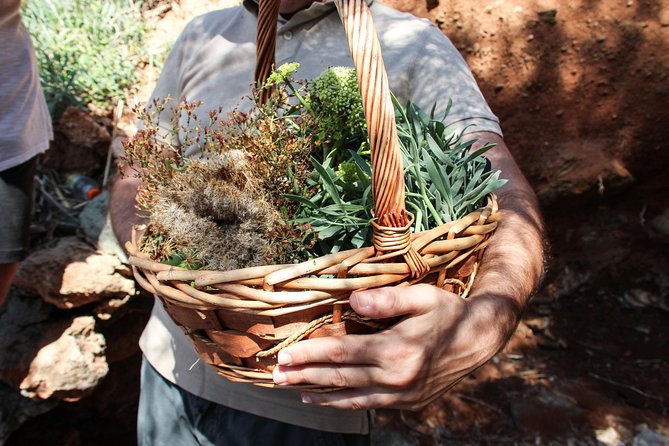
Once you’ve gathered your seasonal ingredients, you return to Maria’s home kitchen. This is where the class turns from outdoorsy to hands-on, and it’s the part that tends to stick with people.
You’ll use the wild plants you picked along with organic vegetables and legumes. This matters because it keeps the focus on everyday Greek staples, not rare imports. It also supports the menu style that shows up again and again on Syros: food that’s filling, flavorful, and built around plants, with meat used sparingly compared to how some tourists expect Greek food to be.
Step 3: Cook traditional dishes together, then eat them
After prep, you’ll learn cooking techniques as the dishes come together. Maria shares nutritional insights and personal stories along the way, so it doesn’t feel like you’re only learning steps. You’re learning decisions: why a vegetable is cooked a certain way, how legumes behave, and how flavors build over time.
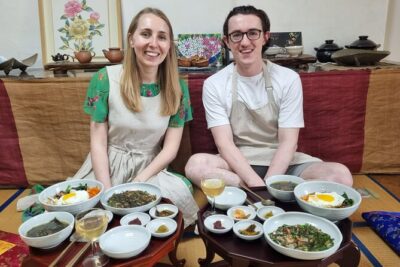
By the end, you’ll sit down to a traditional Greek meal you helped create. The sample menu shows the range, with starters, two courses (often multiple options), and dessert—with Greek wine included.
What You’ll Learn on the Herb Walk (and How to Use It)
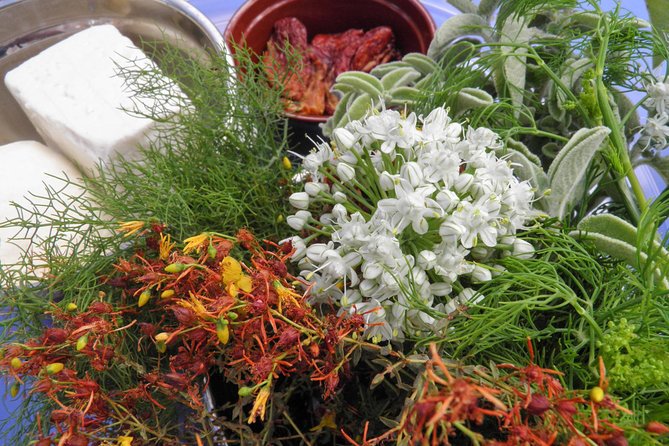
The foraging walk is the heart of the experience. You’re not just collecting greenery; you’re learning what to look for and how to think about it. Maria’s approach covers both historical and scientific context, plus how plants can connect to herbal medicine.
What that means for you in real life is confidence. When you’re back on your own trip, you’ll likely notice wild plants in streetsides and fields more clearly. You’ll also understand why some herbs show up in Greek cooking in the first place—not because someone wrote a recipe, but because generations paid attention to what grows well.
A small note on expectations: since the walk is seasonal, you won’t always get the exact same ingredients. That’s a feature, not a bug. It keeps the experience feeling tied to the actual month you’re in Syros.
The Menu: Fava, Tourlou, and Greek Comfort Without a Meat-Centered Meal
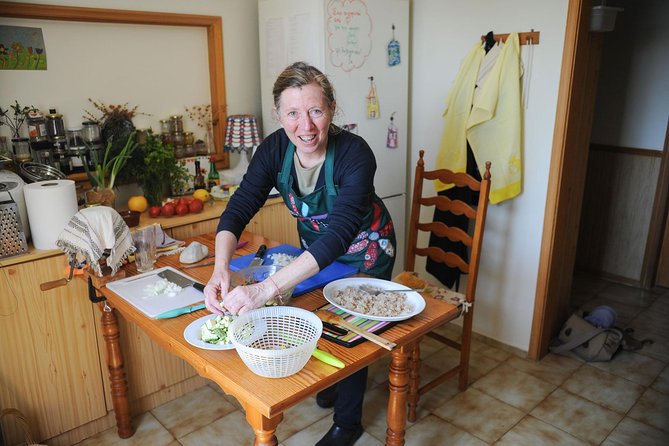
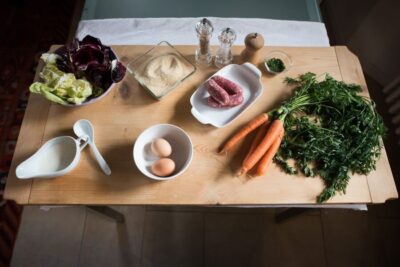
You’ll prepare and eat several traditional dishes. The menu is plant-forward, using local cheeses, vegetables, legumes, and grains. In the traditional approach, meat was used sparingly—so the meal relies on vegetables, legumes, and herbs for body and flavor.
Here are the dishes that can show up, based on the menu options.
Starter ideas: peasant salad with wild flowers, or rock samphire
For a starter, you might make a seasonal peasant’s salad decorated with wild flowers. Or you might go a bit more specific with a wild rock samphire salad paired with carrots and beetroots, plus petimezi sauce.
Either way, the takeaway is the same: wild ingredients don’t need to be complicated. They can show up as part of salads and small plates that feel fresh and distinctly local.
Main course: fava (yellow split peas) with classic toppings
One main option is fava, often served as padremeni, with yellow split peas topped with onions, sun-dried capers, and tomatoes. Another main possibility is Patates adinaktes, where potatoes are cooked in red wine with coriander.
These dishes are comforting in a practical way. Legumes and potatoes keep you full, and the flavors come from seasoning and simmering, not from fancy techniques.
Another main: tourlou, chickpeas, black-eyed peas, or eggplant variation
You might also make touro lou, seasonal vegetables baked with chickpeas. Other options include fresh black-eyed peas, or melitzanes dellagratsiano, a local version of moussaka that uses eggplant.
If you like Greek food but feel tired of only the same few tourist dishes, this is where the menu feels fresh. You’re getting variations that still feel Greek, just not always the most obvious ones.
Dessert: semolina halva with saffron, plus homemade sweets and Greek wine
For dessert, you might have semolina halva with saffron, or a homemade sweet. Greek wine is also part of the experience.
This is a good ending because it matches the meal style: the dessert isn’t just sugar. It’s connected to local ingredients and traditional flavors.
Cooking in Someone’s Home: The Value Isn’t Just the Food
The cooking itself is obviously the main draw, but the real value is the feel of the day. This class is intimate and private. Only your group participates, which keeps the conversation going and gives you time to ask questions.
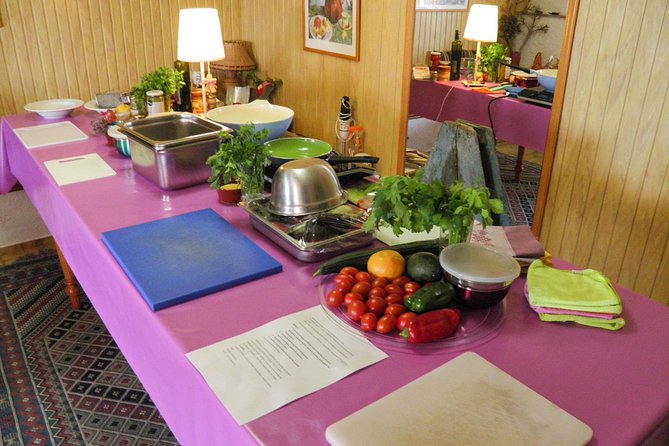
A home kitchen also changes how you experience food. You see how ingredients are handled, how pots and pans get used in a real routine, and how the meal comes together without big commercial pacing.
One more thing: the class blends food with well-being. Maria shares personal stories and nutritional insights as you cook. Based on the experience people describe, that can make the meal feel like more than dinner. It feels like a reset—full of smells, textures, and the calm satisfaction of eating something you made yourself.
Price and Booking Timing: What $179 Buys You
At $179.00 per person for about three hours, this isn’t a budget activity. But it’s also not a huge-ticket “once-in-a-lifetime” price tag, considering what’s included.
You get:
- A private cooking class in Maria’s home
- A foraging walk with wild herbs and greens (seasonal, guided)
- Hands-on cooking instruction
- A full meal with starter, mains, and dessert
- Service in English
- An optional upgrade for round-trip transit from your local hotel
There’s also mobile ticket support and group discounts if you’re traveling with others.
Timing tip: the average booking window is about 67 days in advance. That’s a clue that slots fill. If Syros is a key stop on your trip, I’d reserve early so you can match the class to your schedule.
Getting There Without Headaches: Meeting Point and Transit Upgrade
The activity starts and ends back at the meeting point in Megas Gialos 841 00, Greece. That’s straightforward, but it also means you should plan your day around being able to return there after your meal.
If you don’t want to think about logistics, there’s an upgrade option for round-trip transit from your local hotel. That’s the kind of convenience that matters on islands, where travel time and walking distances can sneak up on you.
Since the class is offered in English, you won’t be stuck guessing when Maria explains plant uses, cooking technique, or how to build flavors from simple ingredients.
Who This Is Perfect For (and Who Might Want Something Different)
This experience is best for you if:
- You want to eat what locals cook, not what restaurant menus market
- You like hands-on learning, especially with ingredients you gather yourself
- You care about the herb side of Greek cooking—wild plants, seasonal greens, and how they’re used
- You want a slower, more personal day in Syros
It may not be the best match if:
- You only want a quick tasting at a restaurant and don’t want to cook
- You prefer strictly meat-centered meals all the time (this menu is designed around legumes, vegetables, and grains, with meat traditionally used sparingly)
- You strongly dislike any walking component, since the class includes a seasonal walk near Maria’s home
The Final Call: Should You Book Maria’s Syros Cooking Class?
If you’re the type of traveler who likes understanding food as much as eating it, this is an easy yes. Maria’s combination of foraging, home-kitchen cooking, and traditional menu choices makes the day feel anchored in Syros rather than staged for visitors.
You’re paying for three things at once: time, instruction, and a full meal. The price makes sense when you compare it to the cost of a guided activity plus dinner elsewhere—especially because this is private, in English, and tied to seasonal ingredients you help gather.
Before you book, I’d just ask yourself one simple question: do you want to spend a few hours learning and cooking in a real home? If the answer is yes, Maria’s class is one of the most satisfying ways to experience Syros food culture.
FAQ
How long is the experience?
The cooking and foraging experience lasts about 3 hours.
What language is the tour offered in?
The class is offered in English.
Where does the experience start and end?
It starts at Megas Gialos 841 00, Greece, and ends back at the same meeting point.
Is this a private tour?
Yes. Only your group participates.
Do you forage ingredients during the experience?
Yes. The day includes a walk near Maria’s home where you forage seasonal wild herbs and greens.
Are service animals allowed?
Yes, service animals are allowed.
Is there free cancellation?
Yes. You can cancel for a full refund up to 24 hours in advance of the experience start time. After that, refunds aren’t available.