REVIEW · GALLE
Galle: Cooking Class at a Local Home and Market Tour
Book on GetYourGuide →Operated by Gallecookingclass · Bookable on GetYourGuide
A market stop and a home kitchen are a great combo. In Galle, you’ll shop for ingredients, cook Sri Lankan favorites in a real family setup, and eat what you make.
I especially love the market ingredient shopping and the fact that you cook with Madhu’s guidance instead of just watching. One thing to consider: it’s packed into 3 hours, so you’ll learn a lot fast, but you won’t have a slow, step-by-step pace for every single technique.
In This Review
- Key Things I’d Put on Your Radar Before You Book
- Starting at a Galle Market: Where the Class Really Begins
- Hotel Pickup and the 3-Hour Reality Check
- Cooking with Madhu in a Traditional Sri Lankan Kitchen
- What You’ll Cook: Curries, Coconut Sambol, and More
- A note on spices and dietary needs
- The Market-to-Kitchen Connection (and Why It Helps You Cook Better)
- Value for Money: Is $40 Worth It?
- Who This Galle Class Fits Best
- Practical Tips Before You Go
- Should You Book This Cooking Class in Galle?
- FAQ
- Where is the class located and do they pick you up?
- How long is the cooking class?
- What language is the instructor?
- How many people are in a group?
- What dishes do you make and eat at the end?
- Do you visit a market during the experience?
- Can you accommodate a vegetarian diet?
- Is there flexibility to cancel or pay later?
Key Things I’d Put on Your Radar Before You Book
- You pick ingredients at a local market in Galle, so your dishes start with what looks best that day.
- Small group size (up to 10) keeps it hands-on and lets your chef-guide actually answer your questions.
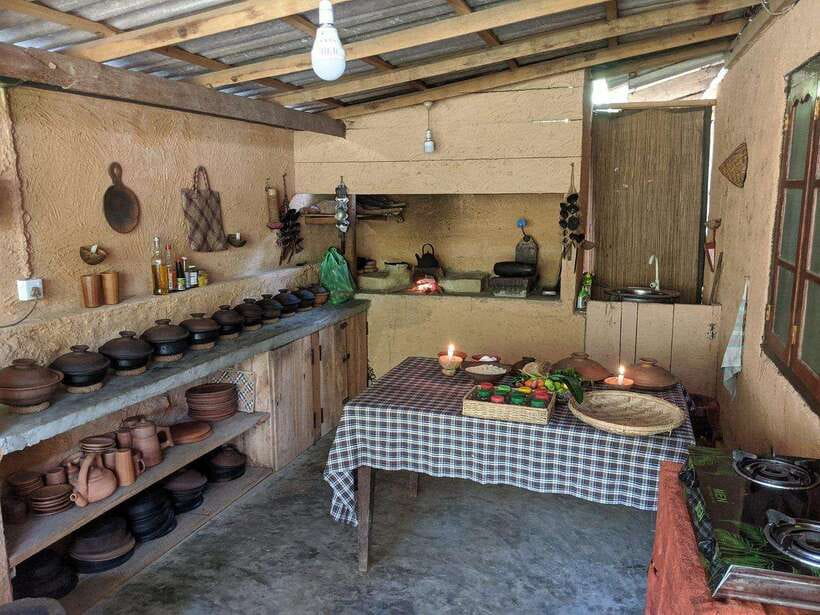
- Madhu’s family home kitchen is the real setting, not a studio-style classroom.
- You cook multiple dishes, and the group shares the workload so you taste more than one thing.
- A full meal at the end means you’re not leaving hungry—your cooking turns into a proper feast.
- English instruction makes the spice logic and cooking steps easier to follow in real time.
Starting at a Galle Market: Where the Class Really Begins
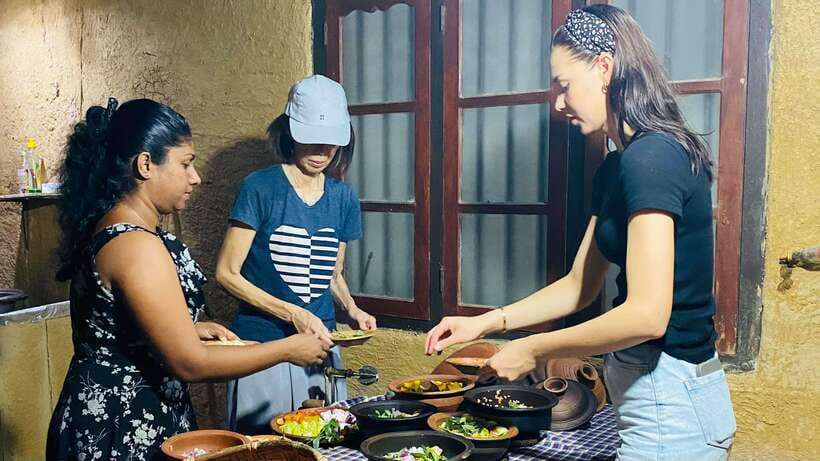
This class doesn’t start with a chopping board. It starts with your eyes, your nose, and your choices. You’ll do a market tour for fresh ingredients, walking through local stalls to pick what goes into the curries and side dishes.
What I like about this approach is that Sri Lankan cooking makes sense once you can see the ingredients up close. You’re not learning recipes in a vacuum. You’re learning the “why” behind common building blocks like spices, coconut, and the base ingredients that decide whether a dish leans more comforting, tangy, or spicy.
You’ll also get a chance to sample street food in the market area. It’s a simple way to understand the local flavor rhythm before you cook—small bites that help you connect the dots between what you taste out in public and what you’ll recreate later in the kitchen.
Practical note: wear clothes that can handle market dust and a short walk. You’ll be moving. And bring small cash only if you want personal snacks beyond what’s included—your tour includes water and a welcome drink, but you might still want extras on the spot.
You can also read our reviews of more tours and experiences in Galle.
Hotel Pickup and the 3-Hour Reality Check
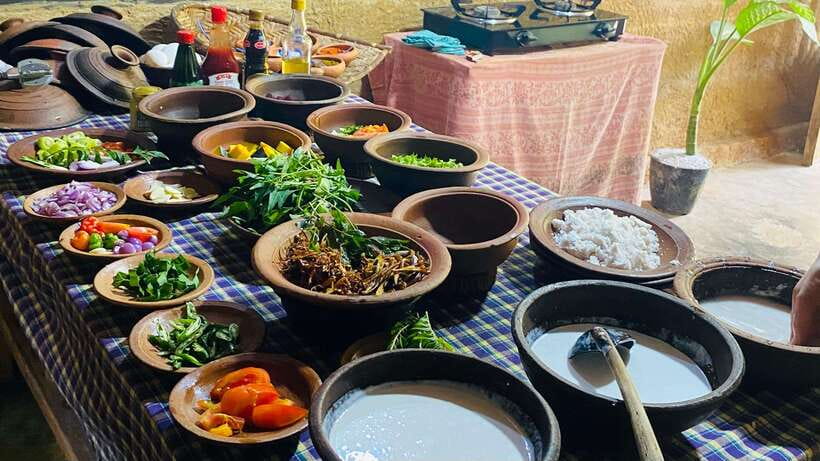
You get hotel pickup and drop-off, which makes this easy to fit into a day in Galle. One guest noted a tuktuk pickup, which tells me the “first mile” is handled locally and flexibly, even if the exact vehicle varies by where you’re staying.
Time-wise, the class is 3 hours total. That’s enough time to shop, cook, and eat, but it means there’s no lounging. If you’re the kind of person who wants to linger over every simmer, you’ll need to accept the pace. The upside: you’ll walk away with skills you can actually use back home, not a half-finished tutorial.
The good news is the format is designed for short time blocks:
- You tour the market first.
- Then you cook a set of traditional dishes with a chef-guide.
- Then you sit down to a feast.
Also included: water, a welcome drink, and ingredients and equipment—so you’re not hunting for gear or worrying about missing staples.
Cooking with Madhu in a Traditional Sri Lankan Kitchen
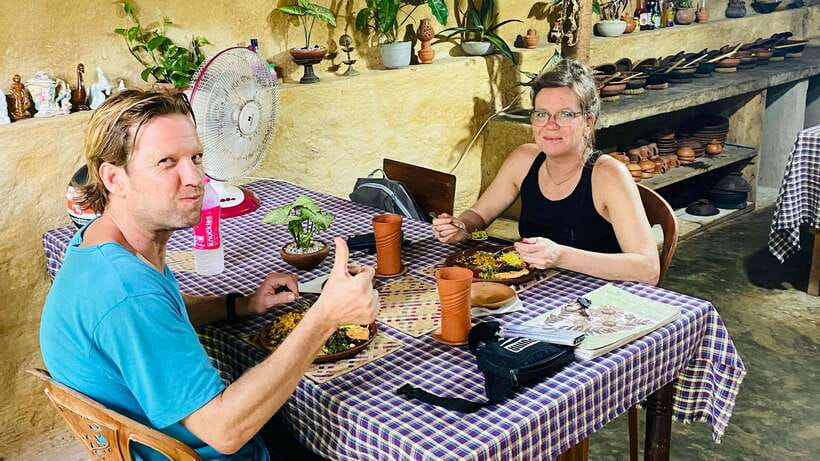
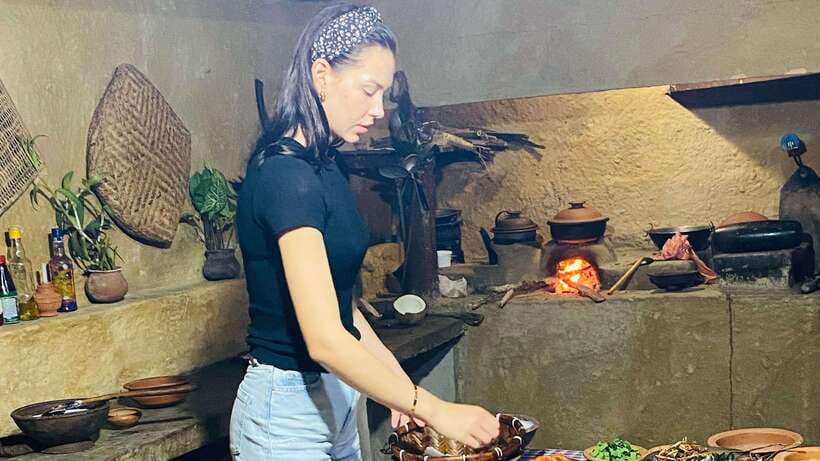
Your chef-guide is Madhu, and she runs the experience from her family home kitchen. This matters more than you’d think. Sri Lankan cooking is communal and technique-heavy, and a family kitchen setting changes the whole vibe. You’re more likely to get real explanations—how to handle coconut milk, when spices bloom, and why certain steps come before others.
Several people talked about how Madhu and her family make guests feel welcome, including children. That’s a strong sign the class isn’t stiff or overly formal. It’s also why families can enjoy it without feeling like they’re “in the way.”
One more detail I appreciate: there’s an opportunity to learn a few Sri Lankan phrases. It’s not a language course, but it’s enough to make the market visit feel more human and less like a shopping errand.
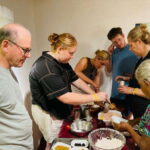
And yes, you get hands-on cooking help—not just a demonstration. You’ll contribute to dishes rather than each person being stuck on one tiny task the whole time.
What You’ll Cook: Curries, Coconut Sambol, and More
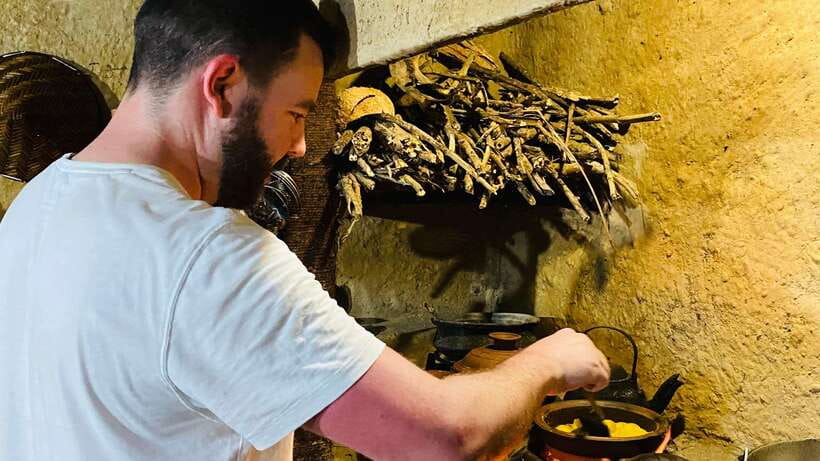
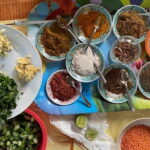
The end result isn’t a sample plate. It’s a proper meal made from what you cooked. The course includes vegetable curry, and either fish curry or chicken curry, along with coconut sambol and dessert.
Beyond that, you can expect a spread of traditional dishes. In one class experience, the group reported learning and cooking 11 different traditional dishes. Not every class day may match that number exactly, but the takeaway is clear: you’re not making just one curry and calling it a day.
Here’s how the menu usually “feels” in a Sri Lankan home cooking lesson:
- Rice dishes give you the base comfort.
- Curries bring the spice and depth.
- Coconut sambol adds tang, texture, and punch.
- Dessert closes the meal.
If you’re thinking, I don’t want to cook something I can’t reproduce later, good. The structure makes it easier to recreate. You learn the core pattern—build flavor with spices, balance with coconut, and finish in a way that ties the whole meal together.
A note on spices and dietary needs
Spice levels can be part of the culture, so you should plan to communicate your preferences. One vegetarian guest said they felt careful consideration was given. That’s encouraging. I’d still message ahead and be direct about what you avoid, so the kitchen can plan accordingly.
The Market-to-Kitchen Connection (and Why It Helps You Cook Better)
A lot of cooking classes teach you steps. This one teaches you decisions.
At the market, you’re choosing ingredients and learning what they do in a dish—so when you’re later in the kitchen, you understand why something matters beyond taste. For example, coconut and spices aren’t just flavor. They’re part of the cooking method. In Sri Lankan curries, the order and timing can change everything: spices bloom differently, coconut milk reacts in its own way, and the “finish” step can make sambol either sharp and bright or flat.
A couple of additional details make this feel extra practical:
- One person mentioned a stop at a local spice shop where spices could be purchased.
- Multiple dishes means you’ll see how the same ingredients behave across different preparations.
You’ll also have recipes included at the end, which is huge if you want to cook again without guessing. And there’s photo and video service, so you’ll have reference material for how your finished dishes should look.
Value for Money: Is $40 Worth It?
At $40 per person for about 3 hours, this isn’t a bargain deal. It’s also not overpriced for what you’re getting.
You’re paying for three things that usually cost extra when you do them separately:
- Market tour plus ingredient guidance
- Professional chef-guide instruction (Madhu, in English)
- A real meal made from the dishes you cook, plus ingredients and equipment
If you were just eating, you’d spend money at restaurants. If you were just shopping, you’d still need to pay for transport, time, and groceries. The class is where the value happens: you get guided buying, guided cooking, and guided serving in one package.
Also, you get leftovers in a mental sense. Even if you can’t recreate every detail at home, you’ll learn the flavor logic. That’s what makes these classes worth it long-term.
Who This Galle Class Fits Best
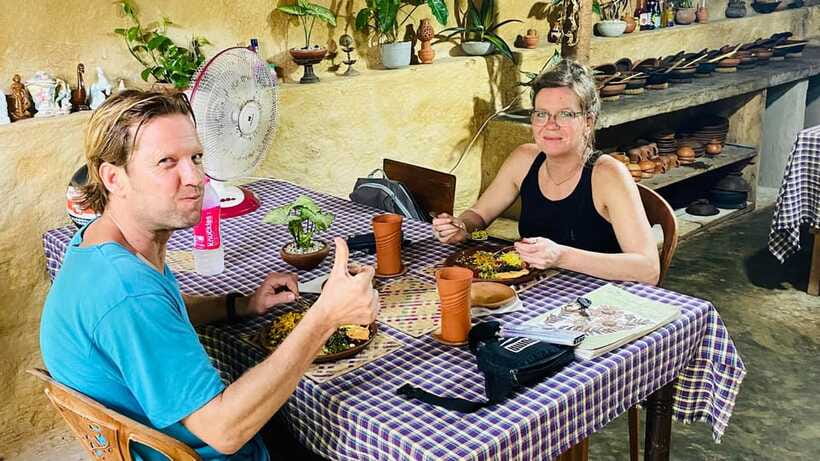
This is a good match if you want a small-group, hands-on experience with a real local host. It works especially well for:
- Food lovers who like learning through doing
- Couples and friends who want a shared activity in Galle
- Groups that appreciate a home-kitchen setting over a commercial studio
- People who want to explore Sri Lanka through food and culture, not just sightseeing
It may be less ideal if:
- You’re expecting a slow, relaxed cooking day with plenty of downtime
- You want a purely vegetarian or purely fish-free menu guaranteed (you should ask ahead)
Practical Tips Before You Go
A few small things will help you get the most out of the experience:
- Tell them your dietary needs early, especially if you’re vegetarian or trying to avoid certain flavors.
- Bring a camera-ready attitude. The class includes photo and video service, but you’ll likely want to take your own snapshots too.
- Wear something comfortable for the market portion. You’ll be walking and looking closely at ingredients.
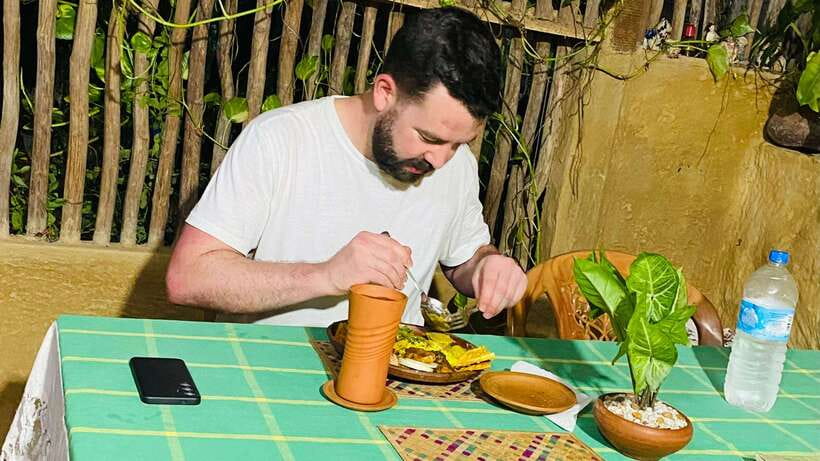
- Come hungry. The meal is the finish line, and it’s built from what you cook.
And one more tip from the overall vibe: ask questions. If you want to understand spice purposes, coconut texture, or how sambol gets its balance, Madhu’s setup is built for Q&A.
Should You Book This Cooking Class in Galle?
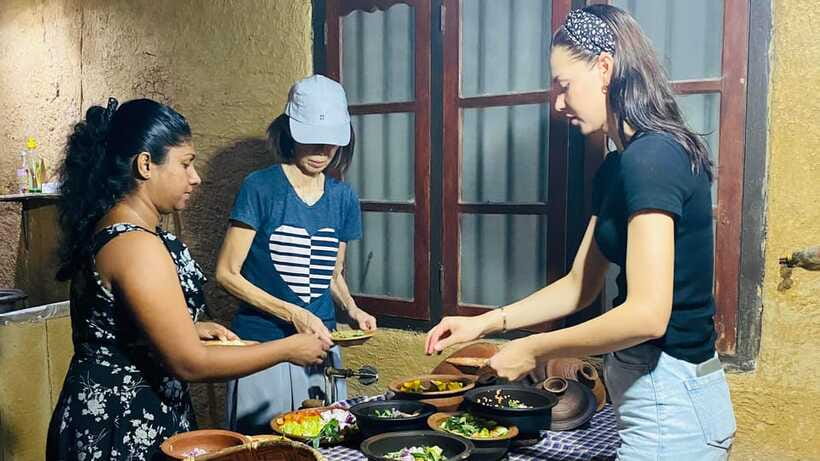
Yes, I think you should book if you want more than a cooking demo. This is a market-to-table experience with a real family home and clear learning goals: you choose ingredients, cook traditional Sri Lankan dishes, and end with a full meal plus recipes.
Skip it only if your main goal is a chill, unstructured cultural afternoon. This runs on a tight clock and expects you to participate.
If you’re in the area and you like hands-on food experiences, this one is an easy “add to your plan.”
FAQ
Where is the class located and do they pick you up?
The class takes place in the Galle area (Kotapola is listed as the location). Hotel pickup and drop-off are included.
How long is the cooking class?
The duration is 3 hours.
What language is the instructor?
The instructor teaches in English.
How many people are in a group?
It’s a small group, limited to 10 participants.
What dishes do you make and eat at the end?
You’ll cook and then eat a meal that includes vegetable curry, plus fish curry or chicken curry, coconut sambol, and dessert, served with side dishes.
Do you visit a market during the experience?
Yes. You’ll do a market tour to procure fresh, locally sourced ingredients, and you may sample some street food during the market time.
Can you accommodate a vegetarian diet?
The provided information includes that a vegetarian guest felt there was careful consideration given. If you’re vegetarian, let the operator know in advance so they can plan accordingly.
Is there flexibility to cancel or pay later?
Yes. There’s free cancellation up to 24 hours in advance for a full refund, and the option to reserve now & pay later is listed.