REVIEW · KAMPOT
Kampot Countryside: Authentic Khmer Cooking Class
Book on GetYourGuide →Operated by Eco Lotus Kampot · Bookable on GetYourGuide
Cooking Khmer food in real family kitchens feels special. This class pairs a market ingredient hunt with hands-on cooking taught by Samon and a local family. I like the way you shop for what you’re actually going to cook, and I also like the calm countryside setting with paddy fields and Bokor Mountain views. One drawback to consider: it isn’t suitable for people with nut allergies, and you should plan for potential food-handling variations since you’re cooking in a home kitchen.
At Eco Lotus Kampot, you’re not herded through a factory-style demo. You’ll cook in and around a traditional-style home setting, with a lounge area and basic facilities onsite so the experience stays comfortable, even when the day is outdoors.
Before you go, you should think about two practical things: first, the stream swim is seasonal (so don’t count on it). Second, you’ll want comfortable clothes because you may be sitting on the floor during parts of the class.
In This Review
- Key Things You’ll Remember From Eco Lotus Cooking Class
- Where Kampot Countryside Cooking Actually Feels Like Cambodia
- Pickup, Timing, and What the 3.5 Hours Really Covers
- The Market Visit: How You Learn to Cook Khmer Flavors
- Inside the Eco Lotus Homestay: A Calm Setting for Hands-On Cooking
- What You’ll Cook: 3 Khmer Dishes and a Dessert
- Eating the Meal: More Than Just Finishing the Class
- The Garden Stream and Optional Swimming (Seasonal)
- Price and Value: Is $24 Worth It?
- Food Safety, Hygiene Expectations, and Allergy Reality Check
- Who This Cooking Class Suits Best (and Who Should Skip It)
- Practical Tips: What to Bring and How to Dress
- Should You Book Kampot Countryside: Authentic Khmer Cooking?
- FAQ
- How much does Kampot Countryside: Authentic Khmer Cooking Class cost?
- How long is the cooking class?
- Where does the cooking class take place?
- Is pickup included?
- Do I visit a market during the experience?
- What will I cook?
- Are vegetarian options available?
- Is there an opportunity to swim?
- What should I bring?
- Is this class safe for people with nut allergies?
Key Things You’ll Remember From Eco Lotus Cooking Class
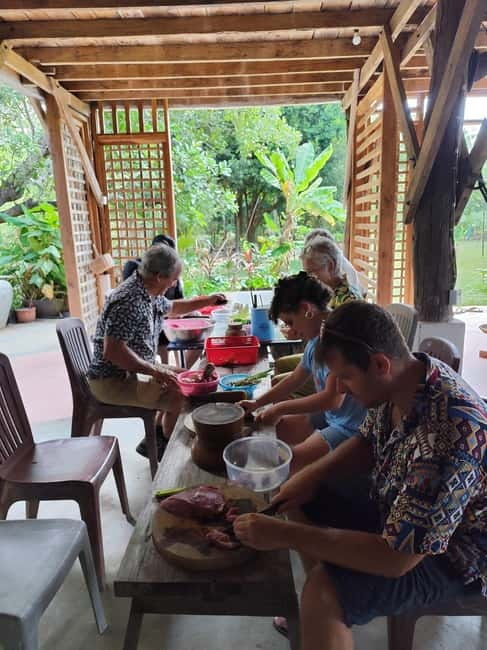
- Market-to-pot cooking: you buy ingredients first, then cook Khmer dishes with the same fresh items
- Samon’s steady teaching: an English-speaking guide who paces instruction clearly and keeps things easy
- A real family classroom: you cook with help from a welcoming local household, family-style
- 3 Khmer dishes plus dessert: a full cooking session, not a quick snack lesson
- Paddy fields and Bokor Mountain views: the meal and breaks come with scenery, not just walls
- Seasonal stream dip: optional swimming, but only when conditions allow
Where Kampot Countryside Cooking Actually Feels Like Cambodia
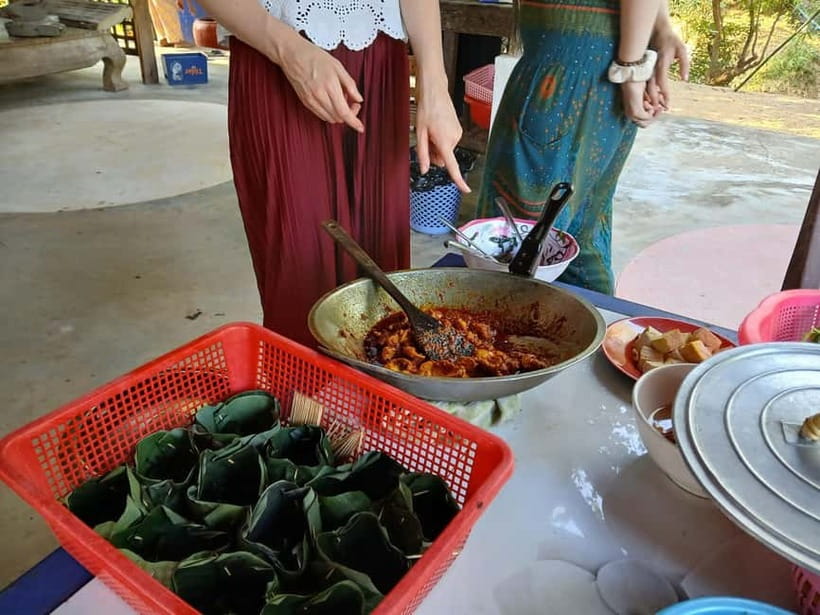
This is a home-style cooking class in Kampot Province, built around how locals really eat and shop. You start with a visit to a local market to buy fresh ingredients, then you cook them at Eco Lotus Kampot in a peaceful countryside setting.
What makes it feel authentic is that you’re not just watching someone cook. You’re participating with a local family setup—family-style, with an English-speaking guide on hand to help you understand the process and keep the pace friendly. In one of the most positive write-ups, Samon also guided people through tasting local sweets and laughing with vendors during the shopping portion, which gives the market visit more character than a simple transaction.
This isn’t a hands-off cultural show. It’s food-focused, practical, and the scenery is a bonus. After the meal, you get time to enjoy the paddy fields and Bokor Mountain views from the countryside grounds.
Pickup, Timing, and What the 3.5 Hours Really Covers
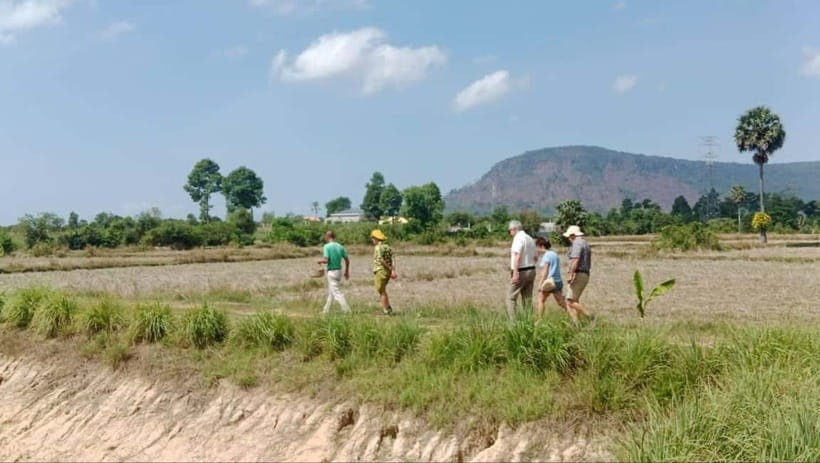
The whole experience runs about 3.5 hours, and you can choose a morning or afternoon class. That timing matters because you’ll fit in a real market stop plus an extended meal, rather than rushing through steps.
Transport is included, typically via tuk tuk or car. The driver meets you at your hotel or guest house reception, so you’re not scrambling to find the meeting point on your own. Most people appreciate this because Kampot can feel spread out, and a direct pickup reduces the time you spend commuting instead of cooking.
Once you arrive at Eco Lotus Kampot, the class moves through three main phases:
- market shopping (ingredients and small tasting moments)
- cooking instruction and hands-on prep
- eating together with the countryside views
If you’re coming from central Kampot, the experience is long enough to feel like a day plan, but short enough to still enjoy your evening without feeling tied up.
The Market Visit: How You Learn to Cook Khmer Flavors
The market stop is one of the best parts because it teaches you how Khmer cooking begins: with fresh ingredients and seasonal herbs. You’ll shop for what your meal will become, and you may also get chances to sample items at local stalls along the way (one person highlighted dessert tasting during the market portion).
Practically, this changes how you pay attention. Instead of memorizing recipes on paper, you learn what each ingredient looks like, how it’s sold, and why it matters for flavor. Even if you never cook the exact dish again, you leave with a better sense of what Khmer cooking tastes like at the ingredients level.
Eco Lotus also includes gathering seasonal herbs and vegetables from the garden. That’s a smart touch because it connects the market shopping to what the home actually grows. It also makes the teaching more grounded: you’re not just collecting items, you’re using ingredients that are right there in the environment.
Inside the Eco Lotus Homestay: A Calm Setting for Hands-On Cooking
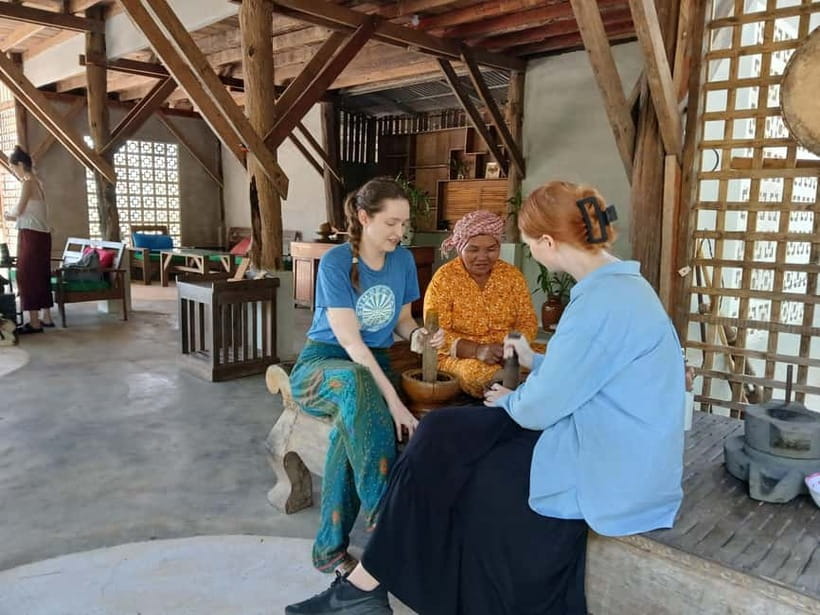
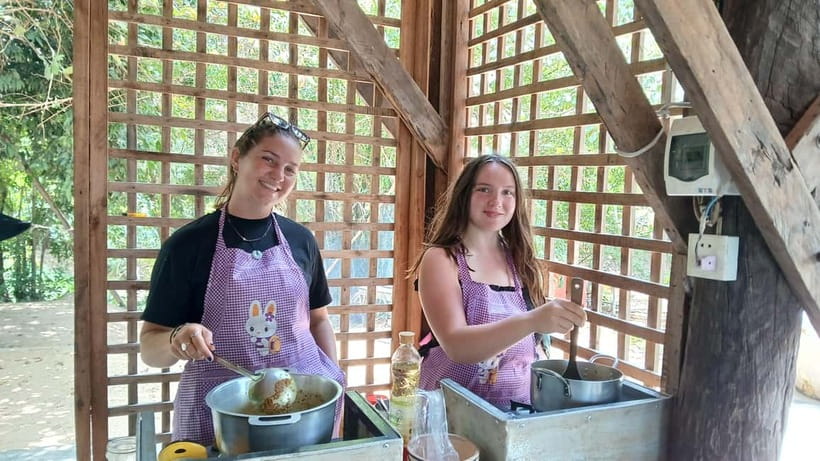
Eco Lotus Kampot is described as peaceful and spacious, with a traditional-style building where the class takes place. There’s also a lounge, bar, and bathroom facilities onsite—small details, but they matter when you’re cooking for hours and working in heat.
In at least one account, the class happens in the downstairs area of the home structure, with the garden potager bordered by a stream and nearby rice fields. That matters because your cooking session isn’t stuck behind a curtain. You’ll feel like you’re in the rhythm of rural Kampot rather than a separate “tour space.”
One possible downside: one written complaint noted discomfort if you can’t sit on the floor, and that’s worth taking seriously. If you know you’re not comfortable with floor seating, wear clothing that’s easy to move in and ask what seating style the class uses when you book.
What You’ll Cook: 3 Khmer Dishes and a Dessert
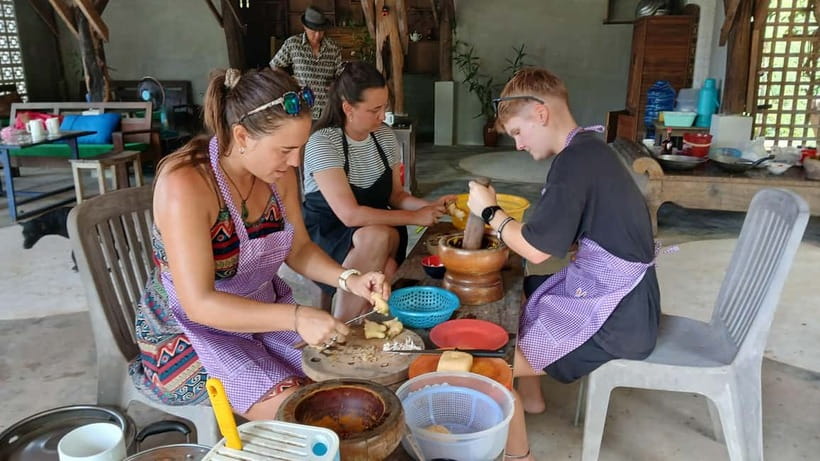
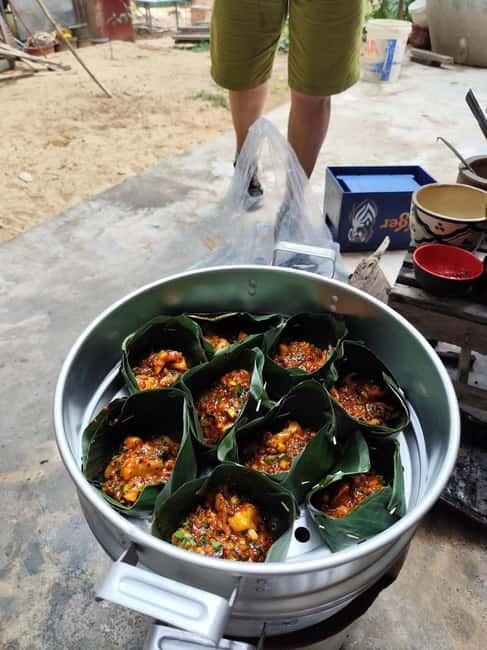
You’ll cook three traditional Khmer dishes plus a dessert, taught family-style with an English-speaking guide. The exact menu can change, but the examples you might see include:
- Fish Amok
- Lok Lak
- Khmer Curry
- Palm Sugar Bananas
- and a dessert course (subject to change)
This structure is the sweet spot. Three dishes mean you learn multiple flavor “building blocks,” not just one repeated technique. For example, you’ll likely touch different profiles—spice mixes, herb-forward ingredients, and sauces—and you’ll see how Khmer cooking balances richness with aromatics.
A bonus from one account: you might also receive recipes afterward (one person said they were sent recipes at the end). Still, another comment mentioned disappointment about not having a take-home recipe. To avoid surprises, I’d ask what format you’ll receive at the end—written notes, a message, or something else—especially if you want to cook again later.
Vegetarian classes can be arranged if you request them ahead of time. That’s helpful because Khmer dishes often rely on meat or seafood, so the option only works if the kitchen can adapt the ingredient plan.
Eating the Meal: More Than Just Finishing the Class
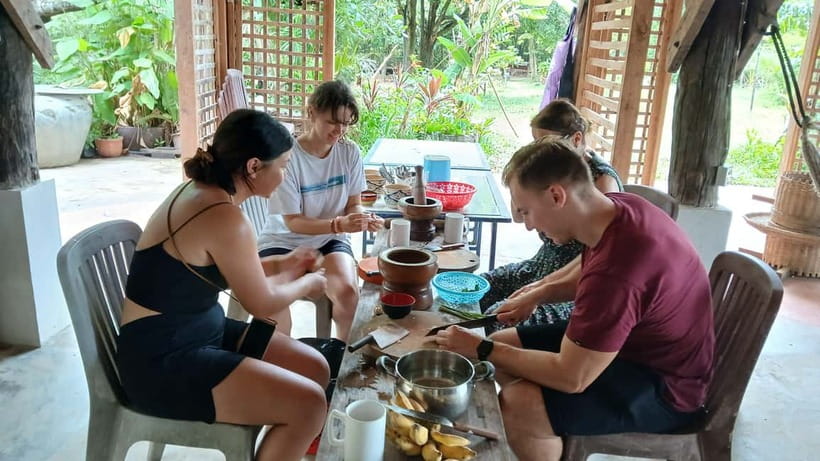
After cooking, you get to enjoy your meal in the countryside setting. This part is often overlooked in cooking tours, but it’s where the experience clicks. You’re not eating rushed buffet food—you’re eating what you made, right after you learned how to build the flavors.
You’ll also have a chance to enjoy the paddy fields and Bokor Mountain views during downtime around the meal. That scenery turns what could be a simple “hands washed, lunch served” moment into a slower, more memorable pause.
If you like taking photos, it’s a good time window to do it without fighting crowds. Bring your camera and expect natural light in the garden areas and around the countryside views.
The Garden Stream and Optional Swimming (Seasonal)
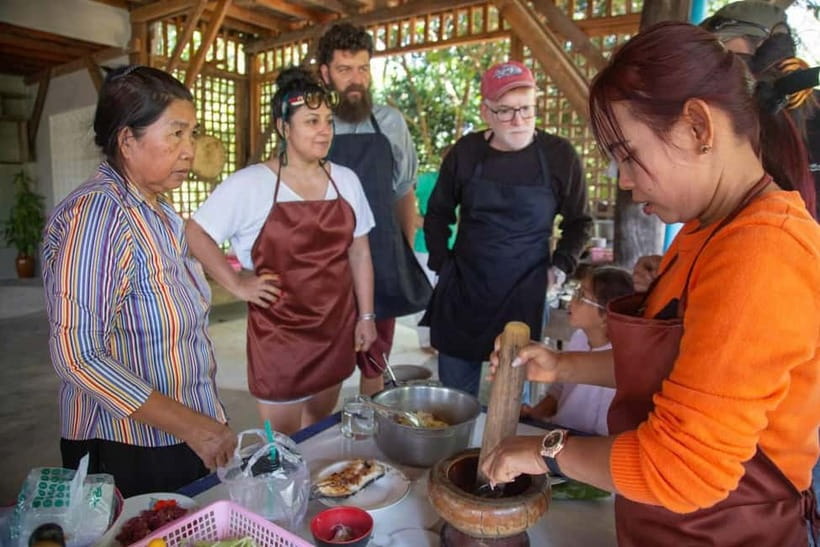
One of the fun add-ons is the chance to take a dip in a cool stream, but it’s explicitly seasonal and depends on weather conditions. If swimming matters to you, ask at booking time whether there’s enough water.
If swimming is available, you should bring:
- your own towel
- swimwear
I’d also bring insect repellent and plan for humidity, since rural Kampot can be bug-friendly in the afternoon. Even if you don’t swim, you’ll be outdoors enough for repellent to pay off.
Price and Value: Is $24 Worth It?
At $24 per person for a 3.5-hour market-to-meal cooking class, the value is pretty clear: you’re paying for the whole chain, not just the cooking instruction.
You get:
- market shopping and ingredient selection
- garden herbs and vegetables
- cooking lessons for 3 dishes plus dessert
- family-style learning
- transport from your accommodation
- a welcome drink
- meal in a countryside setting
When you compare that to typical cooking classes that only provide instruction (and no market component), this one feels more complete. The market visit adds time, cost, and local access, and it’s also part of the education. Meanwhile, the countryside setting and included transport reduce hidden costs that add up in Cambodia.
There are two value “watch-outs” from real-world experiences:
- Some people felt the food portion was more than they could realistically finish, especially in small groups.
- If you want a take-home recipe, it’s worth checking what you’ll receive, since formats may vary.
Food Safety, Hygiene Expectations, and Allergy Reality Check
Because this is a real home cooking setting, your comfort level with “home kitchen hygiene style” matters. One person raised concerns about meat storage conditions at the market and later felt unwell the next day. I can’t verify what happened on that day, but the point is valid: this is not a sterile cooking studio with commercial refrigeration guarantees.
Here’s how I’d handle it as a traveler:
- If you have a sensitive stomach, plan to eat what you’re served after it’s fully cooked.
- Ask the guide how ingredients are stored and handled during shopping and transport, especially meat items.
- If you’re worried about contamination, you should weigh this experience against cooking classes that operate in more controlled food environments.
Allergies are a specific issue. Vegetarian options can be arranged, and allergies may be catered for, but the information also warns that the kitchen can’t guarantee peanuts or other allergens were never used. Most importantly: the class is not suitable for people with nut allergies. If that’s you, don’t try to “make it work.”
Who This Cooking Class Suits Best (and Who Should Skip It)
This experience is ideal if you want:
- a hands-on cooking class (not just watching)
- the market shopping piece as part of the lesson
- Khmer cooking with a friendly, English-speaking guide like Samon
- a peaceful countryside meal with views and downtime
It’s especially good for couples and small groups who like learning from a family and want a Cambodian day that feels local, not touristy.
I’d think twice if:
- you have a nut allergy (not suitable)
- you’re extremely strict about food-handling standards
- you can’t sit comfortably on the floor and don’t want that setup (ask about seating style)
Practical Tips: What to Bring and How to Dress
Bring:
- hat
- camera
- sunscreen
- comfortable clothes
- insect repellent
Wear clothes that you can cook in and that work for outdoors. Even if you’re indoors for part of the cooking, you’ll spend time moving around the property and likely spend time in the garden areas.
If you’re booking a vegetarian class, request it in advance. If you care about streaming/swimming, ask whether there’s water and bring swimwear.
Also, because allergens can be a concern, mention your needs clearly when you book—especially if you have allergies beyond nuts.
Should You Book Kampot Countryside: Authentic Khmer Cooking?
I think you should book if you want a Cambodian cooking day that starts at the market, ends with a real family meal, and gives you countryside views while you’re doing it. The 3 dishes plus dessert format, included transport, and the hands-on teaching style are strong reasons to choose this over a basic cooking workshop.
But I wouldn’t book blindly if you have food risk concerns or you’re coming with a nut allergy. For everyone else, the best approach is simple: go with a curious mindset, ask questions about ingredients and seating, and don’t assume the stream swim will happen every day.
If you’re looking for a short, meaningful experience in Kampot that helps you understand the food rather than just taste it once, this is a solid bet.
FAQ
How much does Kampot Countryside: Authentic Khmer Cooking Class cost?
It costs $24 per person.
How long is the cooking class?
The experience lasts about 3.5 hours.
Where does the cooking class take place?
It takes place in Kampot Province at Eco Lotus Kampot, in a countryside homestay setting.
Is pickup included?
Yes. Pickup is included from your guest house or hotel, typically by tuk tuk or car, with the driver meeting you at reception.
Do I visit a market during the experience?
Yes. You’ll visit a local market to purchase fresh ingredients for the class.
What will I cook?
You’ll cook 3 traditional Khmer dishes and a dessert. The exact dishes can change, but examples include Fish Amok and Lok Lak.
Are vegetarian options available?
Vegetarian classes can be arranged upon request.
Is there an opportunity to swim?
There’s an opportunity to swim in a stream, but it’s seasonal and depends on weather conditions. If you want to swim, ask at booking time and bring your own towel and swimwear.
What should I bring?
Bring a hat, camera, sunscreen, comfortable clothes, and insect repellent.
Is this class safe for people with nut allergies?
No. It is not suitable for people with nut allergies. The kitchen may accommodate other allergies, but it cannot guarantee peanuts or other food stuffs were not used.