REVIEW · SEOUL
Korean Cooking Class in Seoul with a Professional Chef
Book on Viator →Operated by Traveling Spoon · Bookable on Viator
Korean cooking at home beats a script. You’ll learn core Korean flavors through hands-on cooking with Na Young, often with a stop at Mangwon Market to shop for real ingredients.
I like that this isn’t just watching. It’s you chopping, mixing, and cooking alongside your host, then sitting down to enjoy what you made. You’re also not left guessing what to buy next time because you get the practical “why this ingredient, why this method” stuff.
One thing to plan around: there’s no hotel pickup, so you’ll want to get comfortable meeting at the address in Seogyo-dong and using public transit.
In This Review
- Key things to know before you book
- A 3-hour Seoul kitchen visit with Na Young
- Quick tip
- Mangwon Market: the easiest way to learn what Korean ingredients actually look like
- One consideration
- Hands-on cooking: making bulgogi and bibimbap feel doable
- What to expect from the dishes
- The meal you make: soup, kimchi, and soju at the table
- You’ll learn what works together
- Home-kitchen details that make the experience feel real
- Who you’ll probably vibe with
- Price and value: is $122 a smart deal in Seoul?
- Dietary needs and seasonal menus: plan ahead, then relax
- What you can do before the day
- Where to meet and how to get there without stress
- Should you book this Korean cooking class?
- FAQ
- What dishes will I cook?
- How long is the class?
- Is the tour private?
- Does it include a Mangwon Market visit?
- What is included with the meal?
- Do I need to take off my shoes?
- Are dietary restrictions possible?
- Is there hotel pickup or drop-off?
- What if I need to cancel?
Key things to know before you book
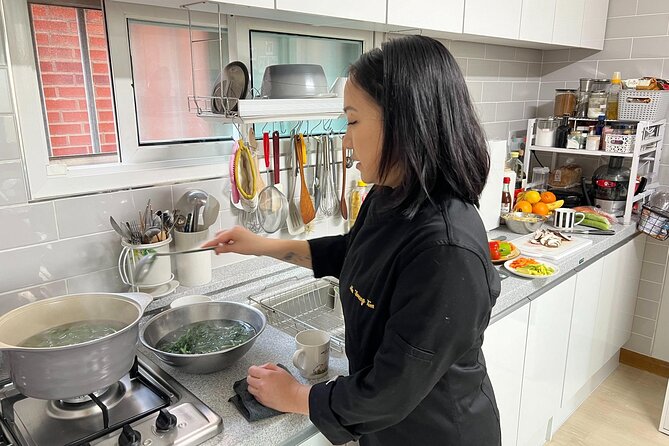
- Private home setting in central Seoul: Only your group, with a host who teaches in a real kitchen.
- Two Korean dishes from scratch: Expect a hands-on start with dishes like bulgogi, bibimbap, and kimchi possibilities.
- Optional Mangwon Market add-on: A guided walk to shop produce, snacks, and seasonal ingredients.
- Shoes off at the door: Indoor sandals are provided, because that’s normal in Korean homes.
- Diet requests are supported: Gluten-free, vegetarian, and vegan options can be arranged if you tell them ahead.
A 3-hour Seoul kitchen visit with Na Young
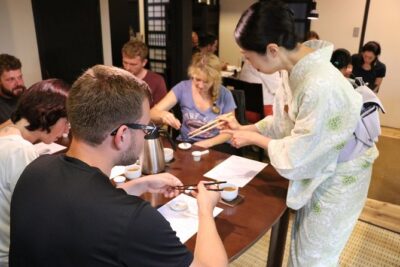
This is the kind of class that makes Korean food feel like something you can actually repeat at home. Instead of eating Korean dishes out of a loud restaurant and calling it a day, you start in a neighborhood home kitchen with your host, Na Young. She introduces you to ingredients and basic cooking styles, then puts you to work.
The experience runs about 3 hours, and it’s designed for a small private group. That matters more than people think. When you’re cooking with someone one-on-one, you get faster answers to questions like why your sauce tastes too sweet or why the texture changes when you cook longer.
What I like most is the balance: you get both technique and context. You’re not just following steps; you’re learning what makes a Korean dish taste Korean in the first place—fresh components, bold seasoning, and the way sides and soup complete the meal.
You can also read our reviews of more tours and experiences in Seoul.
Quick tip
Because this is a home visit, you’ll follow household customs right away. You’ll take off your shoes at the door, and Na Young will provide indoor sandals.
Mangwon Market: the easiest way to learn what Korean ingredients actually look like
If you choose the market option, you’ll add a short guided visit to Mangwon Market, a large indoor market with fresh produce and lots of prepared foods. The market part is about 30 minutes, and it’s a 10–12 minute walk from the home meeting spot area.
This is useful because shopping changes how you cook. Once you’ve seen the ingredients in person—greens, aromatics, and the items used for spicy flavors—you stop thinking of Korean food as “mysterious restaurant magic.” You start thinking in terms of ingredients and replacements.
In the market, your host guides you through seasonal items and points out snacks you can sample. You’ll also get some practical shopping ideas, especially if you care about recreating the dish later. The market visit isn’t about sightseeing. It’s about sourcing.
One consideration
Market time can feel snack-focused. If you hate food wandering, you may want to concentrate on shopping essentials quickly and then shift your attention back to cooking at home.
Hands-on cooking: making bulgogi and bibimbap feel doable
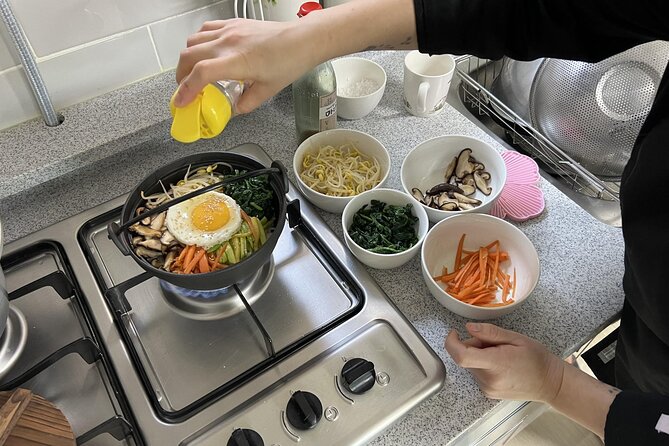
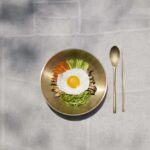
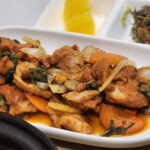
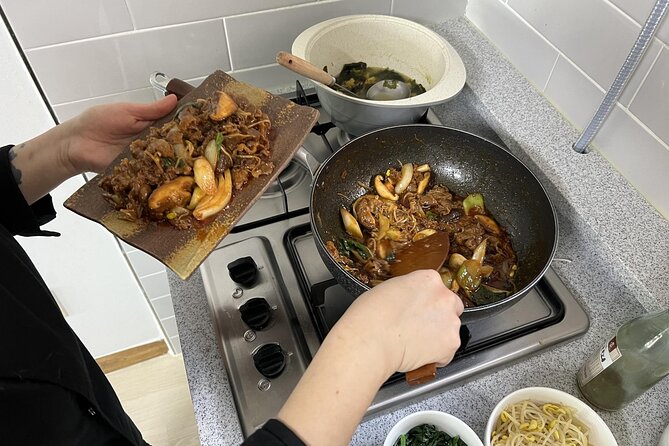
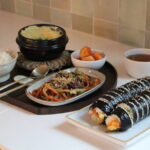
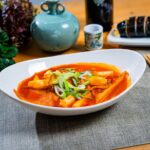
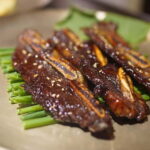
The heart of the class is the cooking session. You’ll begin with a hands-on start in Na Young’s kitchen, and the menu is built around two traditional dishes. What you make can vary by day and season, but expect options in the lane of popular Korean favorites like bulgogi or bibimbap, plus sides such as kimchi or a side dish depending on the schedule.
A good class should teach you two things: how to make the dish and how to avoid the most common mistakes. This one does both, because the host walks you through ingredient choices and technique while you’re actively cooking. That means you feel the difference between overcooking and just-right doneness, and you see how toppings and seasoning affect final flavor.
Here’s how the class tends to work in real life:
- You’ll learn what ingredients go where and what to prep first.
- You’ll cook the main dish with your host guiding timing and steps.
- You’ll also handle at least one side component, so the meal doesn’t feel like a one-bite demo.
You might find the best learning happens when you’re doing the “boring” tasks—chopping, mixing, stirring—because that’s when seasoning, texture, and smell start teaching you faster than any explanation.
What to expect from the dishes
Korean cooking has a rhythm: flavor is layered, not dumped in at the end. That’s why even simple steps matter. For example, sauces and seasonings often need time to coat and blend, and some ingredients change dramatically with heat. If you’ve only had Korean food in restaurants, you’ll be surprised by how much control you get when you cook in a kitchen with a teacher.
And yes, kimchi is part of the experience. After you cook, the meal includes soup and kimchi alongside what you prepared.
The meal you make: soup, kimchi, and soju at the table
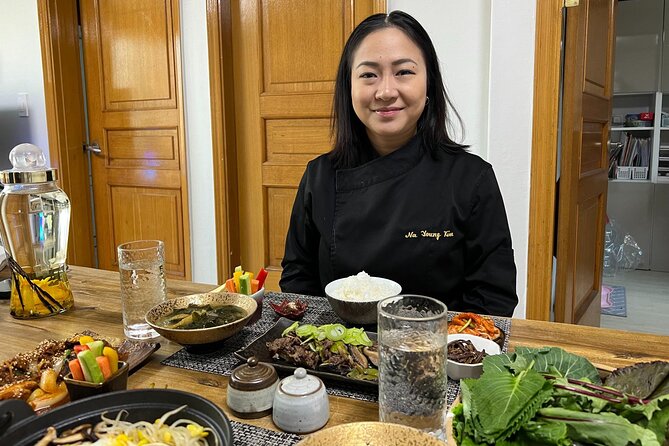
After cooking, you sit down together to enjoy the food you helped create. The meal includes:
- soup
- kimchi
- your prepared dishes
- and a glass of soju
That soju piece is more than a “tour perk.” It fits how many Korean meals feel in real life: you’re not just eating to fill up, you’re eating as a shared moment. Even if you don’t drink much, it signals that you’re doing the full food experience, not a speedrun.
The meal format also helps you understand Korean cuisine beyond one dish. Soup and kimchi aren’t add-ons. They balance the meal. They cool down spice, add fermentation funk, and keep everything from tasting one-note.
You’ll learn what works together
Most people know Korean food as spicy or savory. This class nudges you toward a deeper idea: Korean meals are designed as a set. You’ll finish with a mental template for how to build your own plate.
Home-kitchen details that make the experience feel real
A class like this can turn weird fast if the host runs it like a factory. Here, it feels like hospitality first, teaching second. Your host is there to help, and you’re expected to participate.
In that environment, small details matter:
- You take off shoes at the door and use indoor sandals.
- You’ll likely talk with your host while you cook, and that conversation can add real cultural context—what certain ingredients mean, how Koreans think about meals, and why cooking methods exist.
- If you get lost, Na Young asks you to reach out by WhatsApp or phone for directions or if you’re running late.
That last part is underrated. In Seoul, even a short walk can feel longer than it should. Knowing you can contact your host helps you stay calm and on schedule.
Who you’ll probably vibe with
This is a great fit if you want more than food. You want food plus people plus a home environment. It’s also a solid option for couples or solo travelers who like structured learning but don’t want a big group.
One note: Na Young can host only one child per experience, so families should plan with that limit in mind.
Price and value: is $122 a smart deal in Seoul?
At $122 per person for about 3 hours, this isn’t the cheapest food activity in Seoul. But it’s not a restaurant meal either. You’re paying for a private home setup, a professional host, guided ingredient selection (if you add Mangwon Market), and a full sit-down meal including soju.
Value comes from two places:
1) You cook, you don’t just watch. Hands-on time is where classes justify their price. If you’re the type who learns by doing, you’ll feel the money at work.
2) You get ingredients and technique tied together. Seeing market items and then using them in the cooking session helps you retain the knowledge, not just enjoy the food that day.
Timing matters too. Three hours is long enough to make you part of the process, but short enough that you can fit it into a normal travel schedule.
If you’re the kind of traveler who prefers convenience over interaction, you may decide it’s expensive. But if you want a real cooking skill you can use again, this price starts to make sense quickly.
Dietary needs and seasonal menus: plan ahead, then relax
The menu can vary depending on the season, and that’s normal for ingredient-based cooking. The practical part: you should tell the host about your dietary needs when booking.
They indicate that gluten-free, vegetarian, and vegan diets are available. So if you’re avoiding certain ingredients, you’re not stuck hoping the kitchen can guess your needs.
This is also where the private format helps. In bigger group settings, substitutions can get messy. Here, you can communicate your preferences before you arrive and build a meal that matches what you can eat.
What you can do before the day
Send your dietary notes at booking time. If you have a serious allergy, clarify it in the message so the host can plan. Seasonal menu changes can affect which items are used, so your details matter.
Where to meet and how to get there without stress
The meeting point is 247-111 Seogyo-dong, Mapo-gu, Seoul. The activity ends back at the meeting point.
There’s no hotel pickup or drop-off, but it’s noted to be near public transportation. That means you should expect a subway-to-walk-to-home flow, not a driver showing up with a sign.
Because you’ll be walking in a neighborhood, I suggest you:
- arrive a little early
- plan your transit so you’re not rushing
- keep your phone charged for WhatsApp or a call if you need help finding the place
And remember the home rule: shoes off indoors, sandals provided.
Should you book this Korean cooking class?
I think you should book if you want Korean food knowledge you can take home with you. If you like hands-on learning, you’ll enjoy cooking alongside a host, tasting what you make, and getting the real ingredient logic behind Korean flavors. The optional Mangwon Market add-on is a big plus if you like seeing and selecting ingredients, not just eating them.
Skip it if you hate walking or you need everything to feel highly scheduled and friction-free with no transit effort. Since there’s no hotel pickup, you’ll need to meet at the address and handle the last mile yourself.
If you’re traveling as a couple, a small group, or solo and you want a more human Seoul experience than a typical tour, this is a strong choice.
FAQ
What dishes will I cook?
You’ll prepare two traditional Korean dishes from scratch. Options may include dishes such as bulgogi or bibimbap, and kimchi is part of the meal. The exact menu can vary by season.
How long is the class?
It’s about 3 hours total.
Is the tour private?
Yes. It’s private, and only your group will participate.
Does it include a Mangwon Market visit?
If you select the market tour option, you’ll get a guided visit to Mangwon Market. The market time is about 30 minutes, and it’s a 10–12 minute walk from the home.
What is included with the meal?
After cooking, you’ll sit down to enjoy a homecooked Korean meal with soup and kimchi, plus a glass of soju.
Do I need to take off my shoes?
Yes. Shoes off is customary in the host’s home. Indoor sandals are provided.
Are dietary restrictions possible?
Gluten-free, vegetarian, and vegan diets are available if you advise them at the time of booking.
Is there hotel pickup or drop-off?
No. There is no hotel pickup or drop-off, and the activity ends back at the meeting point.
What if I need to cancel?
The experience is listed as non-refundable. The provider also notes they are happy to offer a 48-hour cancellation option instead for added flexibility.
If you tell me your food preferences (spicy level, vegetarian/vegan, any allergies) and whether you plan to add Mangwon Market, I can help you decide what to prioritize on the day.