REVIEW · SEOUL
Seoul : Taste of Korea, Authentic Home-Style Cooking Class
Book on Viator →Operated by Hansik Korean Cooking Class · Bookable on Viator
Korean cooking gets personal fast. This Seoul Hansik home-style class has you working at a station to make four Korean dishes from scratch, then eating like it’s a proper family meal. You’ll be guided closely by Jennifer (with help from her team, including Ms. Lee), and you get more than just instructions.
I love the step-by-step teaching that keeps you cooking (not just watching) and the fact you leave with a lot of food, sometimes with leftovers for later. My one caution: it’s a nonstop 3-hour hands-on workshop, so if you prefer sitting back and tasting only, you may find it a bit too active.
In This Review
- Key things to know before you book
- Where this Hansik class fits in Seoul
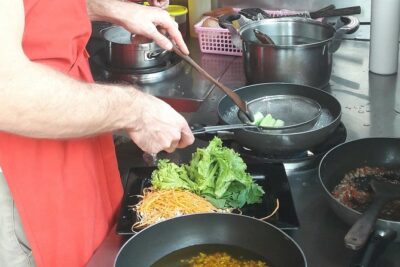
- The cooking part: four dishes, step-by-step learning
- What you’ll eat during the class
- Alcohol note that actually affects your planning
- How the teaching works (and why it’s worth the money)
- Clean stations, good pace, and a group that doesn’t feel chaotic
- Time reality: it’s 3 hours of doing, not just watching
- Price and value: what $89 gets you in Seoul
- Quick planning tips to get the most out of Hansik
- Who this Seoul cooking class is best for
- Should you book this Hansik cooking class?
- FAQ
- How long is the Hansik cooking class in Seoul?
- Where is the meeting point?
- What dishes will we cook?
- Is there a morning or evening option?
- Are recipes provided after the class?
- What’s included in the meal?
- Can the class accommodate dietary restrictions?
- Is alcohol included?
- What’s the group size?
- What’s the cancellation policy?
Key things to know before you book
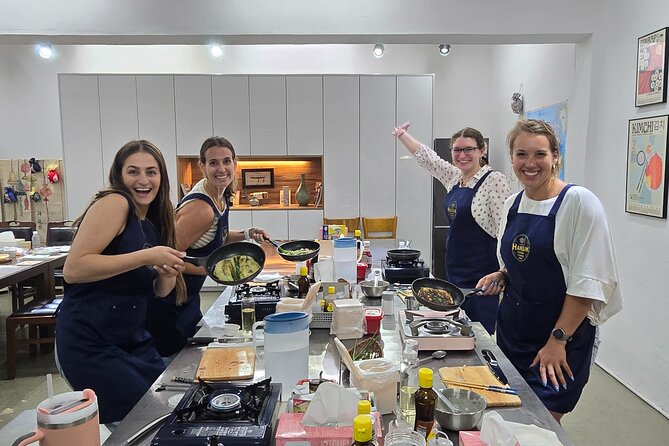
- Small group size (max 10) means you’re more likely to get individual help.
- Four dishes from scratch: gimbap, tteokbokki, haemulpajeon, and budaejjigae.
- You get recipes digitally, so you can recreate what you cooked later.
- A full-course home meal includes Korean tea, snacks, Sikhye, Makgeolli, and dessert.
- Dietary restrictions are handled with alternative recipes when possible.
Where this Hansik class fits in Seoul
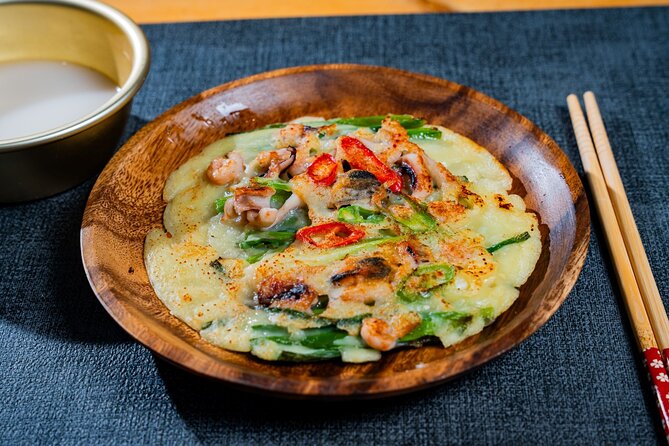
If you’re planning a Seoul trip around food, this kind of cooking class hits the sweet spot: you’re not just sampling Seoul street snacks—you’re learning the home-style routines behind them. The setting is a proper teaching kitchen with dedicated cooking stations, and it runs around 3 hours, which is a realistic block in a city where time can vanish fast.
The meeting point is at 31-5 Jahamun-ro, Jongno District. It’s also described as being near public transportation, so you’re not stuck planning a complicated route just to get to class. This is also one of those activities where a mobile ticket helps on arrival, so you can keep things simple.
Another practical win: sessions are offered in morning or evening, so you can match your cooking time to your energy level. If you’re already spending the day hopping between neighborhoods, the evening session can feel like a great reset—food, warmth, and a clear structure.
You can also read our reviews of more tours and experiences in Seoul.
The cooking part: four dishes, step-by-step learning
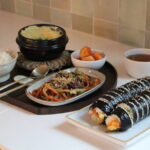
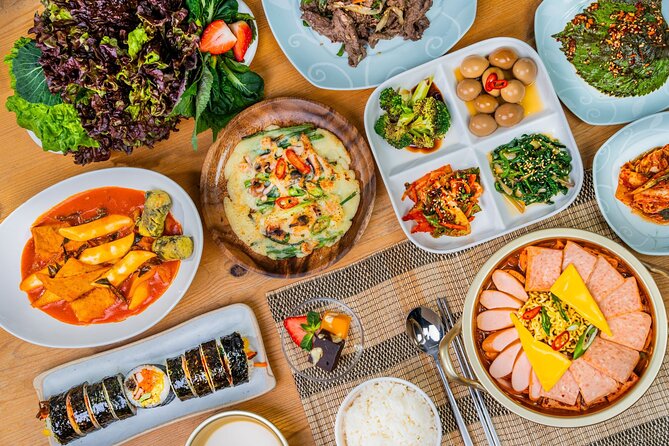
This class is built around hands-on prep and cooking of four popular Korean home-style dishes:
- Gimbap (Korean rice roll)
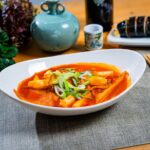
- Tteokbokki (Korean rice cakes with Gochujang sauce)
- Haemulpajeon (seafood green onion pancake)
- Budaejjigae (Korean army stew)
What I like about this lineup is that it covers different cooking modes: rolls, spicy-sauced rice cakes, a pancake format, and a stew you build and heat through. You’re not only learning one technique—you’re getting a small, practical toolkit you can use when you cook later.
Most important, you’re not left alone with a recipe sheet. Multiple reviews describe learning everything from scratch and being guided through the process at a comfortable pace. People also specifically call out Jennifer’s patience and chatty teaching style, including help when something doesn’t go quite right. If you’ve ever felt awkward in kitchens, this kind of structure matters.
What you’ll eat during the class
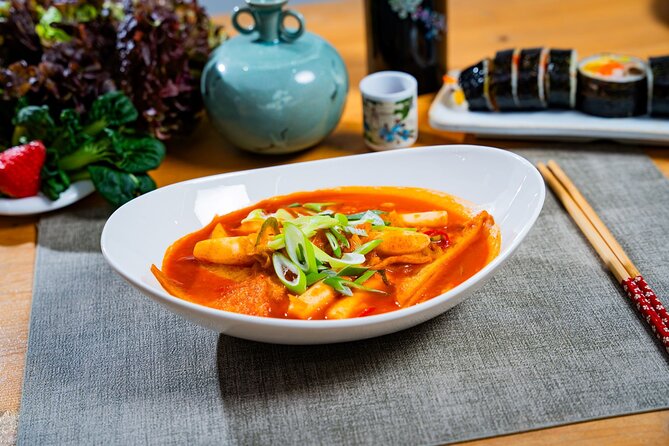
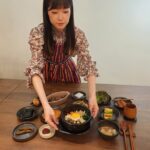
This isn’t a tiny tasting class. The format ends with a full-course home meal. Alongside that meal, you’ll have:
- Korean tea
- Snacks
- Sikhye (Korean rice punch)
- Makgeolli (Korean rice wine)
- Dessert
The big practical point: you should come hungry. The class is set up for you to cook, then eat what you made, and the portions are described as large enough for people to be stuffed and sometimes to take food home.
Alcohol note that actually affects your planning
Makgeolli is part of the drink offering, but the rule is straightforward: alcohol is only served to travelers 21+. If you’re traveling with teens or younger kids, you’ll likely be served non-alcoholic drinks instead. That makes this a smoother family-style activity than many food tours where adults get alcohol and everyone else has to figure out the drinks.
How the teaching works (and why it’s worth the money)
This is a Hansik cooking class, which means it’s aimed at Korean home cooking traditions. In practice, that shows up in how the lesson is run: you’ll learn at the station, you’ll be guided step by step, and you’ll get explanation plus technique support.
I really value the mix of food teaching and context. Some reviews highlight that Jennifer talks about history and language tied to the dishes. That’s not fluff—it helps you remember what you made and why certain flavors or names matter. Even if you only remember one or two dish facts, it turns the class into something you can bring back to your kitchen conversation.
Clean stations, good pace, and a group that doesn’t feel chaotic
With a maximum of 10 travelers, the classroom dynamic tends to be manageable. That matters because cooking classes live or die by attention: you need someone to spot issues like dough or sauce texture, timing, and heat control. The setup is described as clean and professionally organized, with dedicated cooking stations. Reviews also emphasize that the instructors are patient and supportive, which makes a difference if you’re new to cooking or if you’re learning while also figuring out Korean ingredients.
The other detail that shows up in the reviews: pace and guidance. You’re not rushing, and you’re not left to figure everything out alone. One review even mentions getting recipes digitally afterwards, which is useful if you want to recreate your dishes later without trying to write everything from memory.
Time reality: it’s 3 hours of doing, not just watching
Plan for a full 3-hour block. That’s part of the deal with a hands-on class: you’ll be chopping, mixing, cooking, and assembling as you go. If you’re the type who gets overstimulated in crowded, loud spaces, a small group helps. But the active pace is real.
If you’re booking right after a long day of sightseeing, schedule it when you’re not running on fumes. Food classes are also more enjoyable when you’re not mentally checking your watch every 10 minutes.
Price and value: what $89 gets you in Seoul
At $89 per person for about 3 hours, this isn’t a bargain like street-food hopping. But it’s also not overpriced for what you’re actually getting. You’re paying for several things at once:
- Hands-on instruction from an expert chef host (Jennifer)
- Guided cooking of four classic dishes from scratch
- A full-course home meal with Korean tea, snacks, Sikhye, Makgeolli, and dessert
- Digital recipes to take home
- A small group environment (max 10)
The “value” becomes obvious if you compare it to buying all those dishes and drinks in restaurants and trying to learn techniques on top. Here, you’re not only eating—you’re learning how to make the dishes yourself, and reviews repeatedly note how much food you receive, including leftovers.
Also, this activity is often booked ahead: on average it’s reserved about 34 days in advance. That’s a clue it’s a popular, reliable option, so booking earlier is smart if you have a specific day or session in mind.
Quick planning tips to get the most out of Hansik
- Come hungry. The class is designed so you cook, then eat a full meal.
- Expect hands-on work. If you prefer minimal prep, this may not fit your style.
- Use the digital recipe follow-up. Don’t rely on memory—save the recipes after class.
- If you have dietary needs, mention them when booking. Alternative recipes are offered.
- Pick morning or evening thoughtfully. Evening can feel extra rewarding after a sightseeing day.
Who this Seoul cooking class is best for
This fits best if you:
- Want a true Seoul Korean cooking class experience rather than a quick tasting
- Enjoy learning techniques you can repeat at home
- Like interactive classes with close help
- Travel as a couple, friends, or a small family group (reviews include kids around 10 to 12 who participated)
It may be less ideal if you:
- Hate cooking or dislike active, hands-on activities
- Are short on time and only want a quick snack stop
Should you book this Hansik cooking class?
If your Seoul plan includes food and you want more than eating, I’d book it. The teaching style—especially Jennifer’s step-by-step support—is repeatedly called out, and the experience is structured around real dishes you can recreate. The meal portion is also a strong point: you’ll likely eat well during class and possibly take leftovers home.
One last deciding factor: you need to be comfortable cooking for 3 hours. If that sounds like your kind of fun, this is one of the most practical ways to take Korean home-style cooking beyond the restaurant plate.
FAQ
How long is the Hansik cooking class in Seoul?
It runs for about 3 hours.
Where is the meeting point?
The start location is 31-5 Jahamun-ro, Jongno District, Seoul, South Korea. The activity ends back at the meeting point.
What dishes will we cook?
You’ll make four dishes: gimbap, tteokbokki, haemulpajeon, and budaejjigae.
Is there a morning or evening option?
Yes, the class offers convenient morning or evening sessions.
Are recipes provided after the class?
Yes. Reviews note that you receive recipes digitally afterward.
What’s included in the meal?
You’ll be served a full-course home meal with Korean tea and snacks, Sikhye, Makgeolli, and desserts.
Can the class accommodate dietary restrictions?
Yes. If you have dietary restrictions or preferences, an alternative recipe will be offered.
Is alcohol included?
Alcoholic drinks are included for travelers 21 years old and above. Minors below 21 are served non-alcoholic drinks.
What’s the group size?
The class has a maximum of 10 travelers.
What’s the cancellation policy?
You can cancel for a full refund up to 24 hours in advance. The experience requires good weather, and if it’s canceled due to poor weather, you’ll be offered a different date or a full refund.