REVIEW · DA NANG
3-hour Traditional Vietnamese Home-Cooking Class in Da Nang
Book on Viator →Bookable on Viator
A tiny kitchen. Big Vietnamese flavor. This private home-cooking class in Da Nang turns a regular meal into a real window into daily life, led by Diep and her mother Loc in their family home. You’ll learn Vietnamese home cooking step by step, cook a couple dishes, then sit down together for lunch or dinner.
I love two things most: the chance to cook with a local family in their own space, and the way the menu can adapt to what you like. When your host is Diep, the lesson isn’t just recipes on a card; it’s how she cooks at home, and why certain ingredients matter.
One thing to consider: Diep’s home and kitchen are small, so hands-on prep can be limited, and some components may be prepared in advance before you start cooking.
In This Review
- Key Highlights You’ll Care About
- A Private Family Kitchen Lesson in Da Nang: What It Feels Like
- Meet Diep and Loc: How the Class Actually Works
- Your 3-Hour Schedule: From Cooking Demo to Family Meal
- What You’ll Cook in a Da Nang Home Kitchen
- Vegetarians: What to Expect
- Ingredient Lesson: Spices, Herbs, and Local Choices
- Price and Value at $80: Is It Worth It?
- Small Kitchen Realities: How to Make the Most of Your Hands-On Time
- Who This Da Nang Class Suits Best
- Should You Book Diep’s Traditional Vietnamese Home-Cooking Class?
- FAQ
- How long is the Vietnamese home-cooking class in Da Nang?
- Is this a private experience or a group class?
- Can I choose a morning or evening class?
- Are vegetarian options available?
- What dishes will I cook?
- Is hotel pickup included?
- FAQ
- Can I cancel and get a refund?
- Is there a meeting point near public transportation?
Key Highlights You’ll Care About
- Private in a local family home with Diep and her mother Loc guiding the session
- 2–3 dishes, hands-on when possible (small kitchen means you won’t do every step end-to-end)
- Lunch or dinner with your host family after about an hour of cooking
- Vegetarian option available if you tell them in advance
- Morning or evening class choice so you can fit it around your Da Nang day
- No hotel pickup—you’ll meet at the start point and return there
A Private Family Kitchen Lesson in Da Nang: What It Feels Like
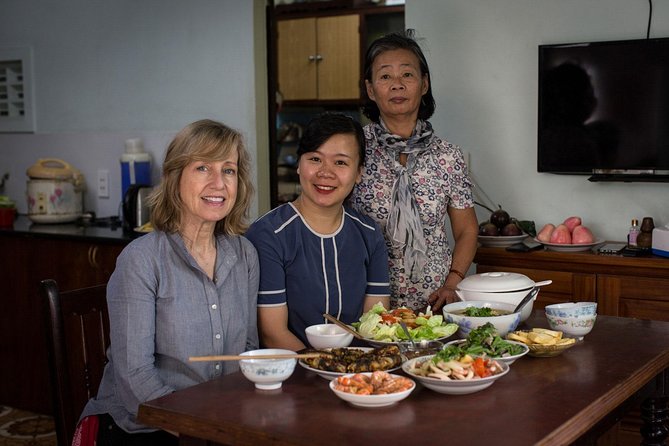
This type of cooking class is different from the usual “tour a kitchen, then cook for 60 minutes” setup. Here, you’re stepping into a real Da Nang family home and learning how Vietnamese meals are built in day-to-day rhythm. You’re not just memorizing steps; you’re watching what actually happens when someone cooks for family and neighbors.
I also like the private format. You’re not competing for counter space with a dozen other people. Your instructor can slow down when you need clarity, and you can ask practical questions about ingredients and techniques. It’s the kind of experience where the details come from the kitchen itself—how things are cut, how flavors get balanced, and why a sauce or herb is treated like the heart of the dish.
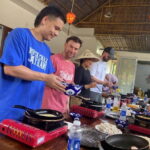
The vibe is warm and casual, but still structured. The class generally starts with a demonstration and then shifts toward your cooking. After about an hour, you gather with the family for the meal you made. It turns into less of a performance and more of a shared dinner.
You can also read our reviews of more tours and experiences in Da Nang.
Meet Diep and Loc: How the Class Actually Works
Your host is Diep, with her mother Loc in the kitchen too. From what you can expect, this isn’t a faceless guide-led workshop. It’s a family teaching you their habits, their tastes, and their way of using local ingredients.
Here’s the practical flow:
- You arrive and get oriented at the home kitchen.
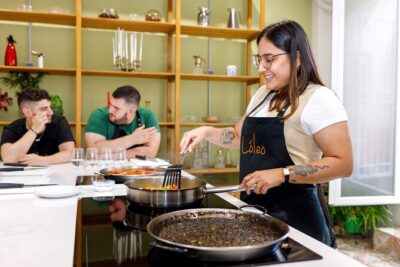
- Diep and Loc guide a demonstration for the core dishes.
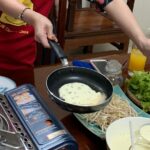
- Then you work on the cooking steps they assign you (within what the small kitchen can handle).
Because the kitchen is small, you may find the hands-on portion is spread out. Diep will do her best to make sure you participate, but she may have some dishes or parts ready ahead of time. That doesn’t make the experience less authentic—it often means you’ll spend more time learning the right steps, not just waiting for tools and burners.
English communication can vary depending on the day and who’s leading the session, but the overall teaching style is friendly and direct. You’ll learn best when you’re willing to do a bit of pointing, tasting, and asking what each ingredient is used for.
Your 3-Hour Schedule: From Cooking Demo to Family Meal
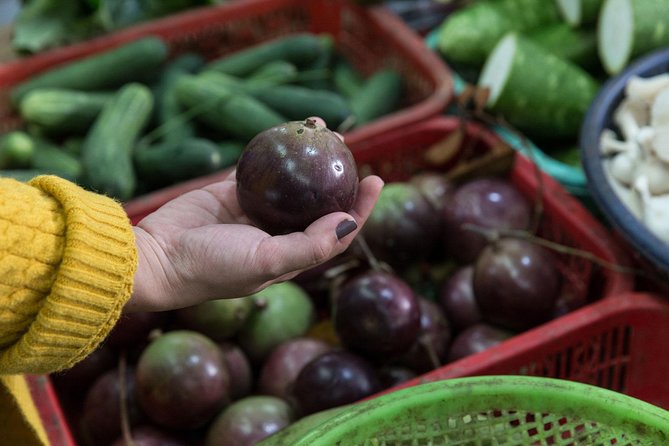
The whole experience runs about 3 hours, typically offered as a morning or evening option. Hotel pickup isn’t included, so plan to get yourself to the meeting point on time and avoid rushing right at the start.
A helpful mental model for the timing:
- Cooking instruction and preparation: about an hour (often 2–3 dishes total)
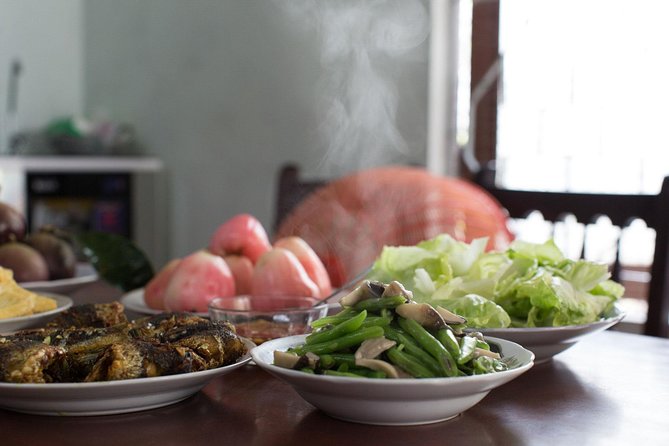
- Family meal time: then you sit down together and enjoy what’s on the table
The best part is that the food doesn’t just exist as a class project. It becomes a shared meal with your hosts. That changes how you taste. When you eat right after cooking, you notice the difference between ingredients you added carefully and flavors you built by feel.
Also, since the class is private, the pacing can be more flexible than group cooking sessions. If your attention is on vegetarian cooking, or you want to understand spice balance rather than just follow steps, you have room to ask.
What You’ll Cook in a Da Nang Home Kitchen
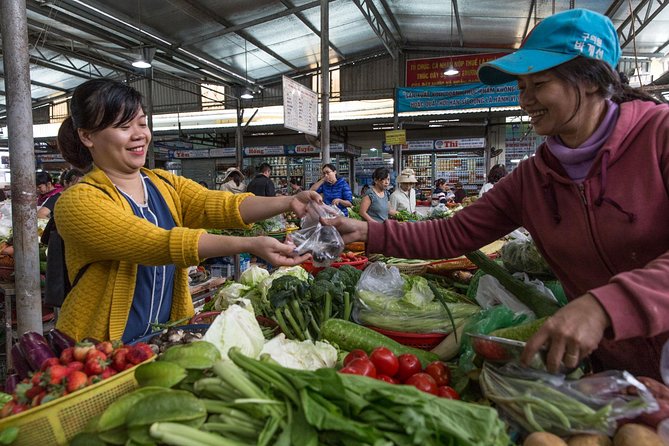
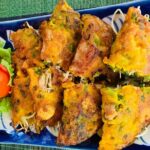
The menu changes, but the class centers on classic Vietnamese home flavors. You’re commonly taught dishes in the range of vegetables, tofu, seafood, and soup. Your session typically covers 2–3 dishes, so you don’t get overwhelmed—and you can actually taste and learn the key ideas behind each one.
Examples of dishes you might make include:
- Stir-fried morning glory (a familiar home-style vegetable dish)
- Crispy tofu (often paired with a flavorful sauce or seasoning)
- Canh chua ca, a sour fish soup that highlights tang and freshness
- Vegetable soup
- Stuffed tofu
- Seafood dishes (depending on the menu for your day)
Some sessions also show more variety based on what you want to learn. There are examples of people choosing dishes like pumpkin with peanuts, sour fish soup, stuffed squid with minced pork, and lime leaf grilled chicken. Even if your exact menu differs, that’s a good sign: your host can often tailor the cooking to the interests you share ahead of time.
Vegetarians: What to Expect
Vegetarian options are available if you request them when booking. In a home setting, that can mean more than swapping one ingredient. You’ll often see vegetarian versions of Vietnamese flavors that rely on herbs, tofu, and vegetable-based balance rather than meat stock.
If you’re vegetarian (or cooking with a vegetarian companion), I’d treat this as a positive advantage: you’ll likely learn how Vietnamese home cooking can feel complete without fish sauce or meat-based broths, because you’ll be shown choices the household actually uses.


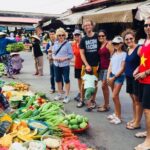
Ingredient Lesson: Spices, Herbs, and Local Choices
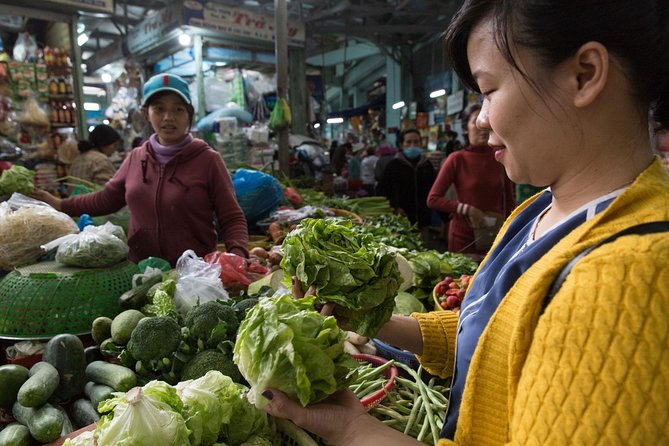
One of the most valuable parts of a home class isn’t the food you eat today—it’s what you can buy and recreate later. In this session, Diep and Loc help you understand ingredients and spices in a way that’s practical.
You’ll learn what makes certain dishes taste Vietnamese:
- how sourness works in canh chua ca
- how tofu becomes crisp and flavorful instead of bland
- how vegetables stay bright and not soggy in stir-fries
- what herbs and aromatics add when you want the dish to taste finished
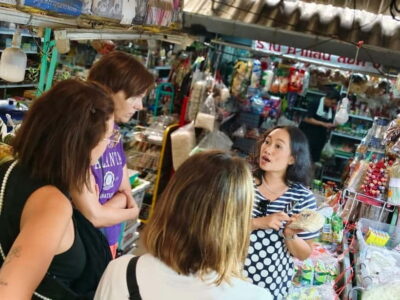
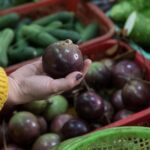
If your session includes time to select ingredients with your host, that can be a bonus. Some people have had the chance to shop for fresh ingredients together before cooking. Even if your exact itinerary doesn’t include market time every day, the underlying point stays the same: fresh ingredients are part of the lesson, not a side quest.
After cooking, you’ll have a clearer sense of what to look for in Vietnamese markets: the herbs that define the flavor profile and the sauces that bring it all together.
Price and Value at $80: Is It Worth It?
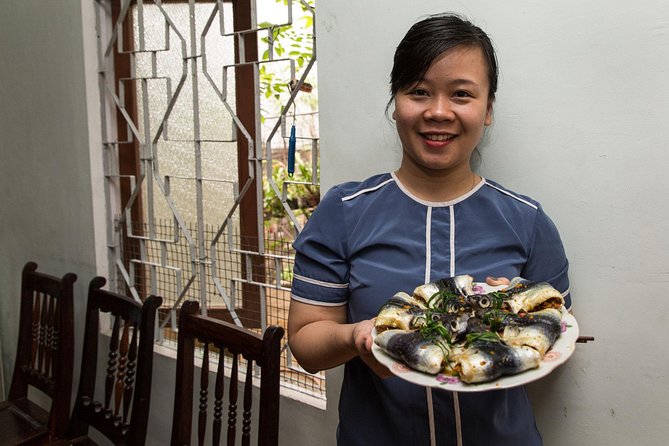
At $80 per person for about 3 hours, this class sits in the mid-to-higher range for Da Nang food experiences. The value comes from what you actually get, not just the label.
Here’s where your money goes:
- Private instruction with Diep as your host
- Private group size (only your group participates)
- Learning 2–3 dishes with real guidance
- A homemade lunch or dinner afterward
- Bottled water, plus taxes, fees, and handling charges are included
The big trade-off is logistics. You don’t get hotel pickup and drop-off, so you’ll need to plan your transportation and arrival. If you’re staying in central Da Nang and can reach the meeting point easily, that’s usually manageable. If you’re out farther, factor in time and cost for getting there.
For me, the price makes sense because it’s not a quick demo. You’re in a home, not a showroom. You cook, you eat, and you learn how Vietnamese families build dinner.
Small Kitchen Realities: How to Make the Most of Your Hands-On Time
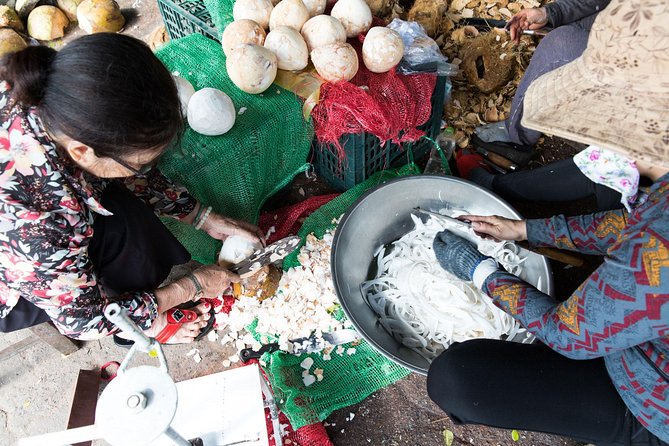
The small kitchen detail matters. It’s also how you can set expectations so you leave happy, not disappointed.
Here’s the practical reality:
- You might not do every single prep step.
- Some components may be prepared in advance.
- You still should get meaningful hands-on time, but it can be shared by design.
So how do you make this work for you?
- Be ready to switch tasks quickly—chopping one moment, cooking or mixing the next.
- Ask what each step is trying to achieve. When you understand the goal, you learn the technique even if you didn’t do every minute of prep.
- Taste as you go, especially sauces and soups. Home cooking in Vietnam is about balance—sour, salty, herbal, fresh—and your palate is the final teacher.
If you love learning processes more than doing every action yourself, this format is a good match.
Who This Da Nang Class Suits Best
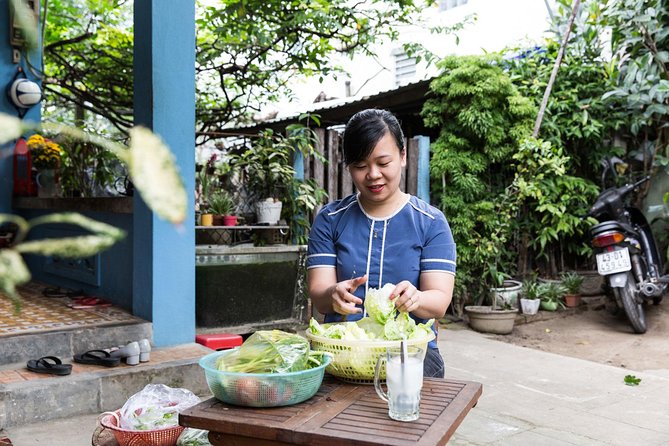
This experience is a great fit if you want:
- a real home setting rather than a generic studio kitchen
- a private lesson where you can ask questions
- Vietnamese food taught by someone who cooks it at home, not just someone who performs it for a class
- a meal that feels like dinner with locals, especially since you eat together afterward
It’s also a strong choice for couples and small groups because the private format makes the teaching more personal.
If you hate uncertainty in menus, this might feel a bit flexible. You’ll still cook 2–3 dishes, but exact items can vary by session and what’s available. If that sounds fine to you, it’s often part of the charm.
Should You Book Diep’s Traditional Vietnamese Home-Cooking Class?
If you like food as a cultural skill—how ingredients and flavors work together—book it. This is a practical class where you learn techniques you can repeat after you leave Da Nang. The best reason to go is that you’re not just eating Vietnamese dishes; you’re learning how a household cooks them.
Skip it only if you strongly prefer a big, open kitchen where you can handle everything yourself end-to-end. In this home setting, the kitchen is small and the host may prepare some components ahead. You’ll still participate, but you won’t control the entire meal from start to finish.
If you’re flexible, curious, and excited to learn from Diep and her mother Loc, this one is a good bet for a memorable Da Nang meal that you’ll think about later.
FAQ
How long is the Vietnamese home-cooking class in Da Nang?
The class runs for about 3 hours.
Is this a private experience or a group class?
It’s private. Only your group will participate.
Can I choose a morning or evening class?
Yes, you can choose either a morning or an evening session.
Are vegetarian options available?
Yes. Vegetarian options are available, and you should tell the host at the time of booking.
What dishes will I cook?
You’ll typically prepare 2–3 dishes. Options may include stir-fried morning glory, crispy tofu, vegetable soup, stuffed tofu, seafood, and canh chua ca fish soup, depending on the menu for your session.
Is hotel pickup included?
No. Hotel pickup and drop-off are not included, and the experience starts and ends back at the meeting point.
FAQ
Can I cancel and get a refund?
You can cancel up to 2 days in advance for a full refund. If you cancel less than 2 days before the start time, the amount paid isn’t refunded.
Is there a meeting point near public transportation?
Yes, it’s near public transportation. Service animals are allowed as well.