REVIEW · DA NANG
Da Nang Family Cooking Class – with Local Family in Da Nang
Book on GetYourGuide →Operated by Da Nang Family Cooking Class · Bookable on GetYourGuide
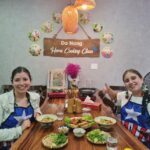
Cooking in someone’s home changes the whole trip. In Da Nang, this class puts you in a local family’s home for 150 minutes of hands-on Vietnamese cooking. You’ll follow step-by-step guidance, pick between two menus, and leave with a real sense of daily life beyond the beach.
I like that the host speaks English and Chinese, so the instructions actually land (and you can ask questions without stress). I also like the menu mix: Bánh Xèo with fresh herb toppings, plus either Northern-style Phở Cuốn or a comforting Phở Bò noodle bowl.
One thing to plan for: there’s no hotel pickup. You’ll taxi to Sala coffee, then walk about a minute to the house, so leave a little buffer if your ride takes longer than expected.
In This Review
- Key highlights that matter
- Why this Da Nang class feels more real than a restaurant lesson
- Picking your menu: Bánh Xèo plus either Phở Cuốn or Phở Bò
- Menu I: crisp pancakes, fresh rolls, garlic greens, and fruit salad
- Menu II: crisp pancakes, fruit salad, and a Northern-style noodle bowl
- What the 150 minutes actually feels like in real life
- Mastering Bánh Xèo: the crisp edge and herb-and-dip system
- Phở Cuốn vs Phở Bò: two ways Vietnam loves noodles
- If you choose Menu I: the art of rolling Phở Cuốn
- If you choose Menu II: Phở Bò comfort with lime and herbs
- The everyday dishes you’ll remember: rau muống xào tỏi and fruit salad
- Host vibes and support: clear explanations, friendly home energy
- Tea, dessert, and finally tasting your work
- Price and value: $24 for 150 minutes with ingredients and a full meal
- Getting there in Da Nang: Sala coffee first, then a 1-minute walk
- Who this class suits best (and who may prefer something else)
- Should you book Da Nang Family Cooking Class?
- FAQ
- What dishes are included in Menu I?
- What dishes are included in Menu II?
- How long is the class, and do I eat afterward?
- Is hotel pickup included?
- Do the hosts accommodate dietary restrictions?
- Where do I meet, and how do I get to the house?
Key highlights that matter
- Local home setting: You cook with a friendly family instead of in a generic studio kitchen.
- Two menu options: Central-and-south favorites like Bánh Xèo, plus a Northern flavor angle with Phở Cuốn or Phở Bò.
- Bilingual host support: English and Chinese are used, and the process is explained clearly.
- You eat what you make: Lunch or dinner happens right after cooking, with tea and dessert included.
- Small group size (max 9): Enough attention to keep you moving through each stage.
- Dietary adjustments: Tell the family ahead of time; the menu can be adapted when needed.
Why this Da Nang class feels more real than a restaurant lesson
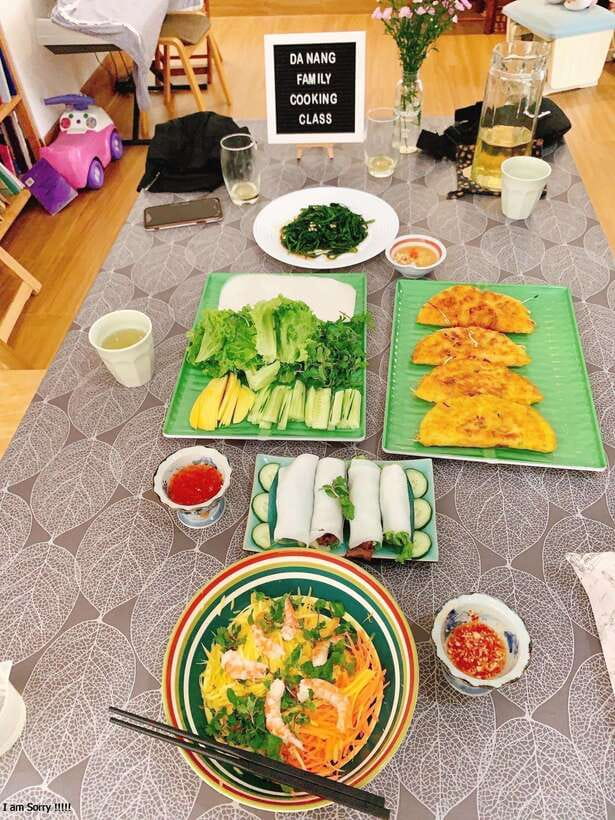
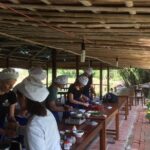
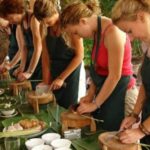
This is the kind of cooking experience that changes how you see food in Vietnam. Instead of watching a performance, you’re working in a home kitchen with a family host who treats the lesson like part culture chat, part teach-you-to-cook moment.
The value is in the details you can’t get from a menu-only cooking video. You learn why certain dishes are served the way they are: how herbs, dipping sauce, and the final squeeze of lime (on the noodle soup) change the whole plate. You’re also getting stories from your host about local life, not just recipes.
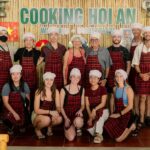
The format is also built for comfort. It’s a small group (limited to 9), you’re guided step-by-step, and you’ll get time to ask questions along the way in English or Chinese. In a place like Da Nang, that matters because the food traditions are living ones, not museum pieces.
You can also read our reviews of more tours and experiences in Da Nang.
Picking your menu: Bánh Xèo plus either Phở Cuốn or Phở Bò
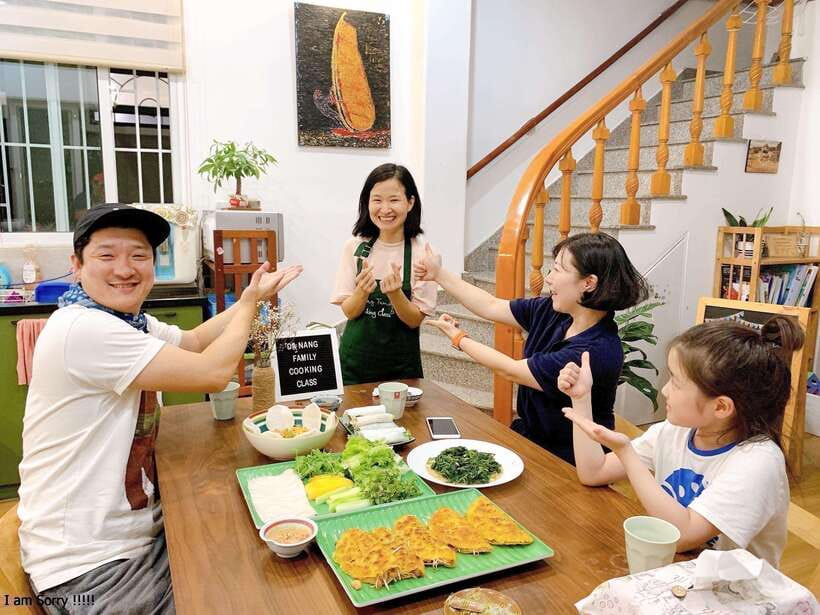
You choose between two menus. Both include Bánh Xèo, so you get a strong anchor dish no matter which option you pick. After that, Menu I and Menu II split into two different Vietnamese directions: fresh rolled flavors versus a hot, classic noodle soup.
Menu I: crisp pancakes, fresh rolls, garlic greens, and fruit salad
Menu I centers on variety and textures:
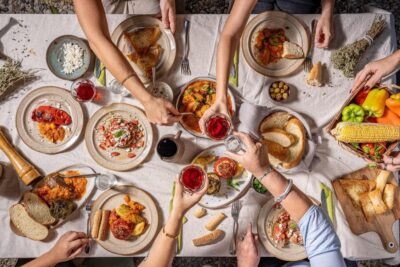
- Bánh Xèo (crispy, savory Vietnamese crêpes/pancakes)
Served with shrimp, lettuce, fresh mint and basil, plus nuoc cham dipping sauce.
- Phở Cuốn / Gỏi Cuốn (fresh rice paper rolls)
Rolled Vietnamese rice paper with stir-fried filling (beef with onions and shell shrimp/pork), plus cilantro and lettuce. Served with sweet-sour fish sauce with chopped garlic or peanut sauce.
- Rau Muống Xào Tỏi (stir-fried morning glory with garlic)
A common everyday green you’ll see across Vietnam.
- Fruit salad
Mango or pomelo with carrot mixed with a sweet-sour fish sauce.
What this menu teaches well is how Vietnamese meals balance hot, crisp, fresh, and tangy. You’re not just cooking one thing—you’re assembling a meal with contrast.
Menu II: crisp pancakes, fruit salad, and a Northern-style noodle bowl
Menu II keeps things simpler but heavier on the comfort food side:
- Bánh Xèo again, still served with lettuce and herbs plus nuoc cham.
- Fruit salad (mango or pomelo with carrot and sweet-sour fish sauce).
- Phở Bò (Vietnamese beef flat noodle soup)
This includes beef broth, herbs, rice flat noodles, beef garnish and aromatics like coriander leaves and green onions (plus white onions). It’s served with basil, bean sprouts, and lime juice.
This menu is for you if you want the full noodle-soup experience—herby broth, soft flat noodles, and a finishing hit from lime.
What the 150 minutes actually feels like in real life
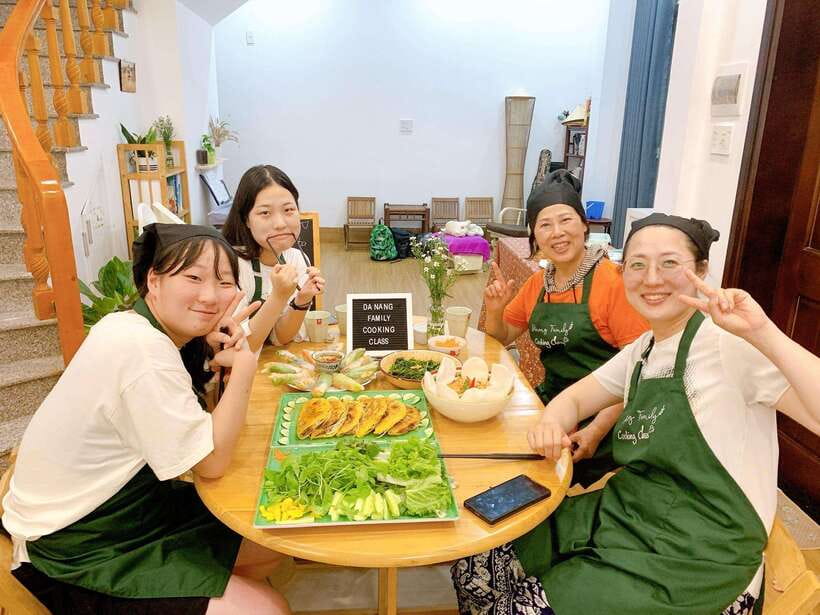
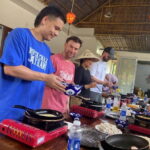
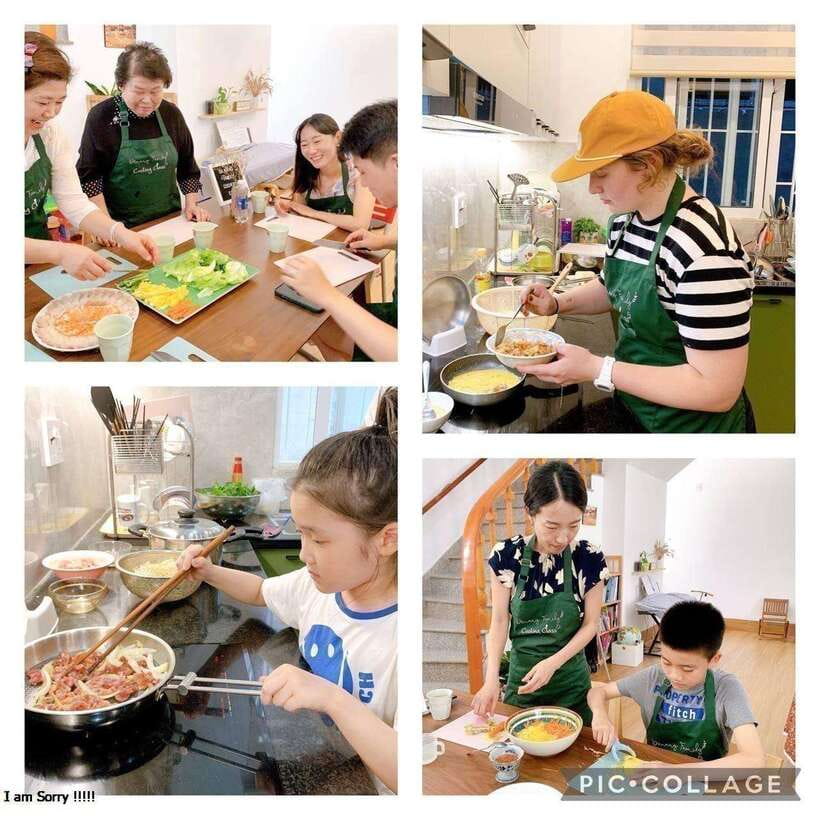
The class runs 150 minutes, which is long enough to learn, cook, and eat without feeling rushed. You’re also in good hands because the host provides step-by-step instructions and stays involved during the cooking stages.
A typical flow looks like this:
- Welcome and overview in the home
You meet the host, get the menu choice clarified, and learn what you’ll be making and in what order.
- Hands-on cooking stages
You work through the recipes with guidance, not just a lecture. The pacing is important here: Bánh Xèo is heat-sensitive, rolls need careful assembly, and greens need quick timing.
- Lunch or dinner with your creations
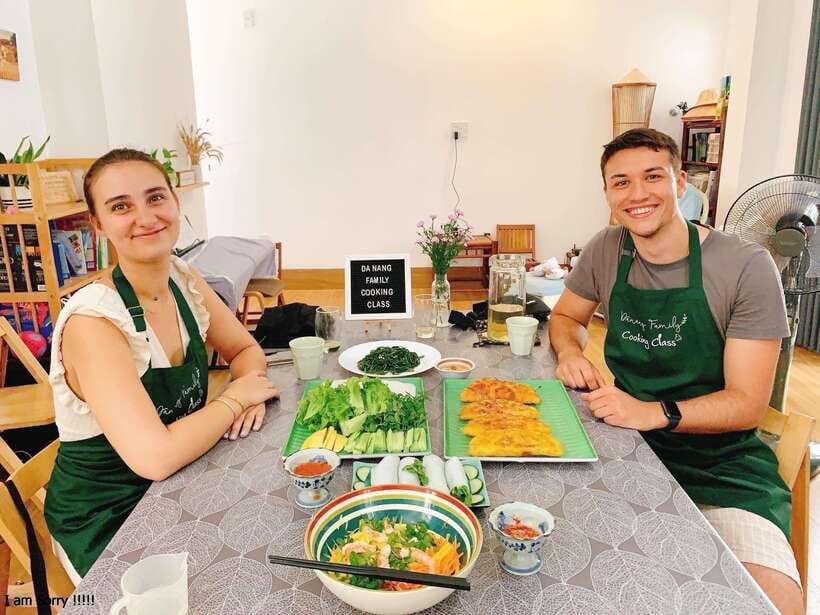
After cooking, you sit down to eat. This is part of why the class is worth it: you taste what you made, not just what’s demonstrated.
- Tea and dessert
Small but satisfying finish, so you leave feeling like you had a proper meal, not a snack tour of food smells.
The host also brings context while you cook. That’s where you hear the real “why” behind dishes—like how the dipping sauce works with herbs and how different regions show up in the menu choices.
Mastering Bánh Xèo: the crisp edge and herb-and-dip system
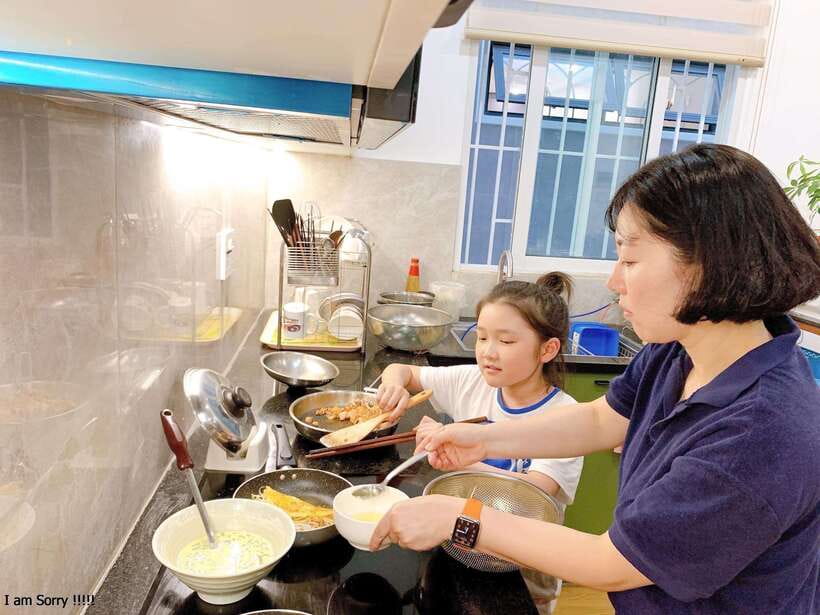
Bánh Xèo is the dish that most people recognize as Vietnamese comfort food, but the technique is what makes it truly good. The batter lands in a hot pan and you’re aiming for crisp edges with a savory center.
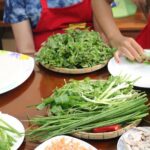
In this class, Bánh Xèo isn’t served alone. You build the bite with:
- lettuce
- fresh mint and basil
- shrimp tucked into the pancake
- nuoc cham dipping sauce
That “assemble your bite” part is one of the best lessons. In Vietnam, it’s common to treat food as something you customize at the table, and the dipping sauce plus herbs do the heavy lifting for flavor balance.
If you’re the type who wants to cook something impressive at home, this is a strong pick. You can practice the crispness and the serving approach, then recreate it later with local ingredients.
Phở Cuốn vs Phở Bò: two ways Vietnam loves noodles
If you choose Menu I: the art of rolling Phở Cuốn
Phở Cuốn / Gỏi Cuốn is a different vibe from noodle soup. You’re working with rice paper (and the roll concept is the key). The filling in this menu includes stir-fried beef with onions and shell shrimp/pork, plus cilantro and lettuce.
The sauce is half the success. Expect sweet-sour fish sauce with chopped garlic or peanut sauce as an option. That means you’re learning not only assembly but also how to finish with flavor.
This is a great dish for people who like hands-on tasks and don’t mind a little mess. Rice paper and fillings reward patience more than speed.
If you choose Menu II: Phở Bò comfort with lime and herbs
Phở Bò is the hot, soothing side. This menu describes broth made from bones (beef), combined with herbs and rice flat noodles. You get garnishes like coriander leaves, green onions, and white onions.
Then you go fresh at the end:
- basil
- bean sprouts
- lime juice
That last part matters. Lime is what sharpens the richness and keeps the soup from tasting heavy. This class sets you up to understand how Vietnamese soups often rely on a finishing squeeze and herb mix rather than relying only on the broth itself.
The everyday dishes you’ll remember: rau muống xào tỏi and fruit salad
Not every class teaches the “I could eat this all the time” foods. Here you get two excellent everyday sides.
Rau Muống Xào Tỏi (morning glory with garlic) is quick stir-fried greens. It’s common throughout Vietnam and usually served with rice in daily meals. The lesson value is learning how simple greens become flavorful fast with garlic heat and the right timing.
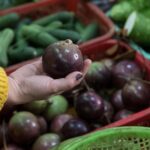
Then there’s fruit salad—either mango or pomelo with carrot, mixed into a sweet-sour fish sauce dressing. It sounds unusual if you haven’t tasted it before, but it’s exactly the kind of Vietnamese contrast that makes meals feel balanced instead of overly sweet.
These sides are useful because they’re realistic to recreate. They don’t require rare ingredients, and the flavor approach is clear.
Host vibes and support: clear explanations, friendly home energy
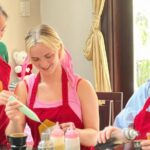
The biggest compliment you can give a cooking class is that it feels welcoming and easy to follow. This one is designed around a friendly host experience, with instructions explained clearly and support provided at each stage.
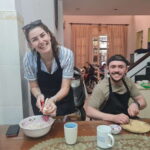
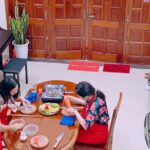
One couple mentioned the class felt special because it was done in the hosts’ house for just the two of them. That kind of setting matters: you’re not stuck in a small demo room, and you can actually feel like you’re visiting a family kitchen.
There’s also a practical note from a real diet situation. If you avoid pork and beef, tell the host ahead of time. In that case, the menu was adjusted and still came out delicious. So don’t assume the class is rigid—use the dietary restriction message as your tool.
Tea, dessert, and finally tasting your work
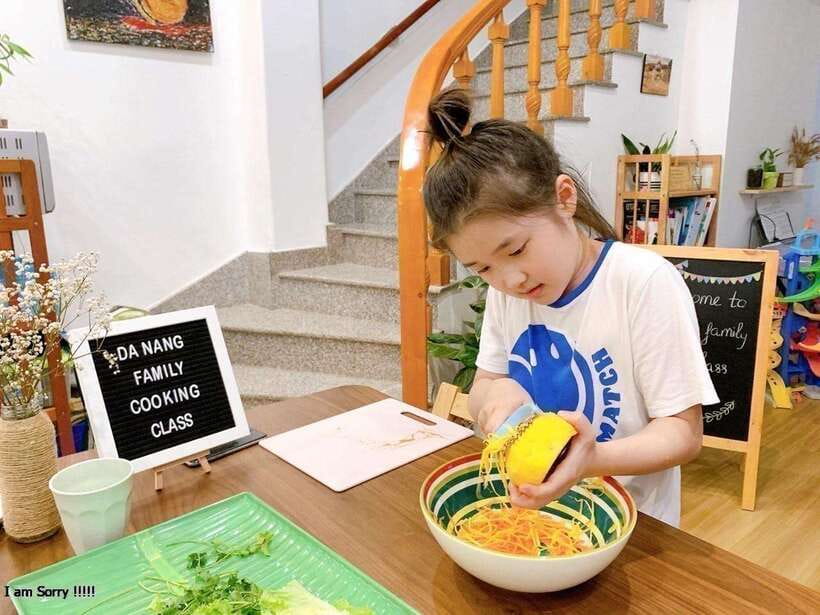
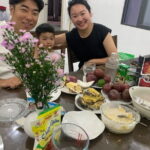
A lot of cooking classes end with a quick bite and a photo. Here, the meal is the point. You cook, then you eat your own dishes for lunch or dinner.
Tea and dessert are included, so you leave with the sense of a complete Vietnamese meal cycle. Even if you’re not a big dessert person, having a proper finish helps the whole experience feel complete, especially when the class runs 150 minutes.
Price and value: $24 for 150 minutes with ingredients and a full meal
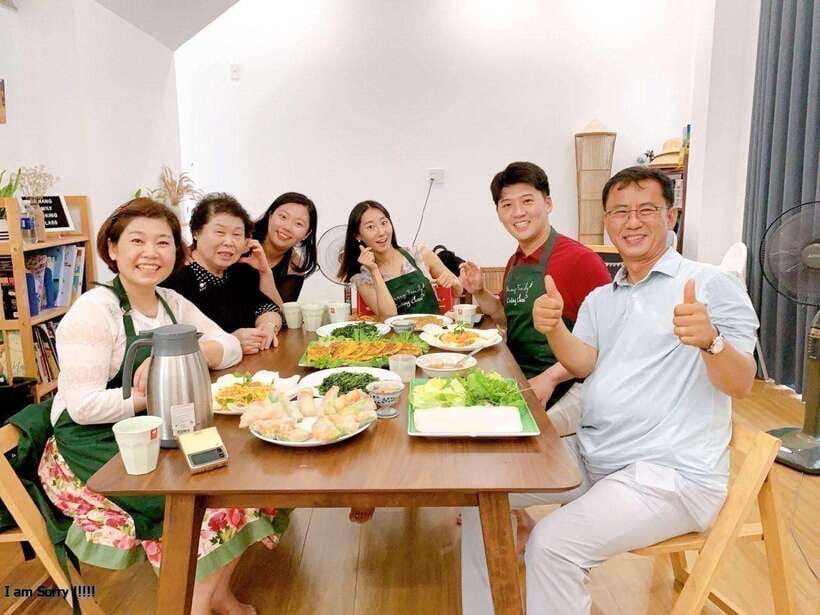
At $24 per person for about 150 minutes, the value is strong because so much is included:
- cooking lesson with a local family
- ingredients
- lunch or dinner of the dishes you prepare
- tea and dessert
- an English and Chinese-speaking host
- small group format (limited to 9)
You’re paying for time, guidance, and the home setting—plus the meal experience. If you’ve ever taken a cooking class elsewhere where you mostly watch, this feels different because you’re actually making dishes and then eating them.
One thing to watch: transportation isn’t included. If you’re already taking taxis in Da Nang, it’s easy to work into your day. If you’re trying to minimize costs and rely only on walking and buses, you’ll feel the logistics more.
Getting there in Da Nang: Sala coffee first, then a 1-minute walk
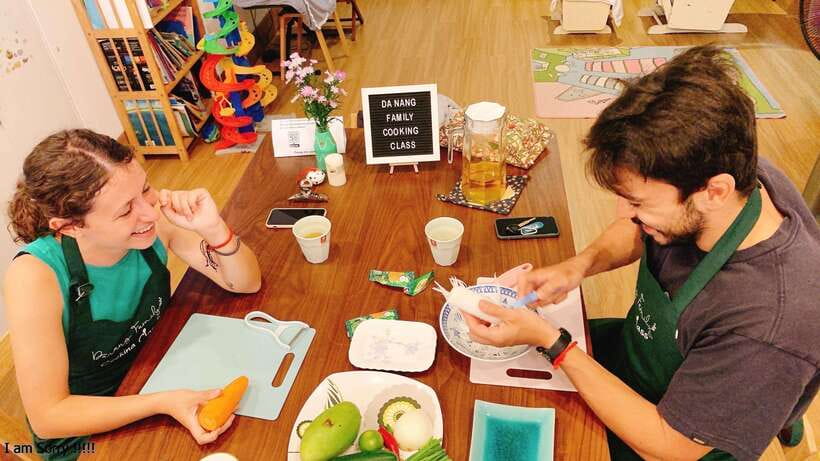
This is straightforward if you follow the meeting plan carefully.
You taxi to 61 Hàn Thuyên, Hoà Cường Bắc, Hải Châu, Đà Nẵng and look for Sala coffee. From there, you walk about one minute to 374/36 Núi thành (also shown as K374/36 Núi thành), in the same Hai Châu area.
The key tip is matching the right Sala coffee. The instructions specifically warn that there are other Sala coffees that are far away, so don’t guess. Use the map direction link or search for Da Nang Family Cooking Class to get the correct walking route from the correct Sala coffee.
Also, arrive about 5 minutes before the start time so you don’t feel rushed when the host is getting set up.
Who this class suits best (and who may prefer something else)
This cooking class is ideal if you want:
- a local home experience in Da Nang
- clear hands-on instruction (not just watching)
- a meal you can actually eat and judge as you go
- bilingual support in English and Chinese
- a small group format that doesn’t feel crowded
It’s especially good for couples and friends who like learning through doing. If you’re traveling solo, you’ll still get attention, because the group is capped at 9.
You might want a different plan if you strongly prefer an experience with pickup included, or if walking one minute plus taxi navigation feels like a hassle on your trip day. The cooking itself is accessible, but the meeting point is very “DIY” on transport.
Should you book Da Nang Family Cooking Class?
If you like your travel plans to include real people, real kitchens, and meals you can repeat at home, this is a smart booking. The price-to-experience ratio is solid: ingredients, bilingual host support, and a full lunch or dinner built around two distinct menus.
My call: book it if you’re hungry to learn, not just to snack. Also, message about dietary restrictions early so the host can guide you to a menu that works for you.
FAQ
What dishes are included in Menu I?
Menu I includes Bánh Xèo with lettuce, mint, basil, and nuoc cham; Phở Cuốn / Gỏi Cuốn (rice paper rolls) with stir-fried fillings and a sweet-sour dipping sauce; Rau Muống Xào Tỏi (stir-fried morning glory with garlic); and a fruit salad with mango or pomelo and carrot in sweet-sour fish sauce.
What dishes are included in Menu II?
Menu II includes Bánh Xèo, a fruit salad (mango or pomelo with carrot and sweet-sour fish sauce), and Phở Bò (beef flat noodle soup) with garnishes and served with herbs, bean sprouts, and lime juice.
How long is the class, and do I eat afterward?
The class runs for 150 minutes, and you’ll have lunch or dinner made from the dishes you prepare. Tea and dessert are also included.
Is hotel pickup included?
No. Hotel pickup and drop-off aren’t included, so you’ll need your own transportation to the meeting area.
Do the hosts accommodate dietary restrictions?
You should inform the host of any dietary restrictions or allergies in advance. The experience information also indicates that menu adjustments can be made when needed.
Where do I meet, and how do I get to the house?
You taxi to 61 Hàn Thuyên, Hoà Cường Bắc, Hải Châu, Đà Nẵng and look for Sala coffee. Then you walk about 1 minute to the house at K374/36 Núi thành.