REVIEW · DA NANG
Da Nang Cooking Class with Coffee Tasting and Market Visit
Book on Viator →Operated by Jolie Danang Cooking Class · Bookable on Viator
Market shopping plus coffee first sounds like a cheat code. This Da Nang class mixes ingredient buying with a small group cooking lesson, starting at a coffee shop and ending with the lunch you just made. I love the market-to-plate flow—coffee tasting, ingredient shopping, then hands-on cooking—and I love that you’re taught cooking methods you can actually repeat later. The main thing to double-check is pickup: the experience description mentions pickup/drop-off, but the details list hotel pickup as not included.
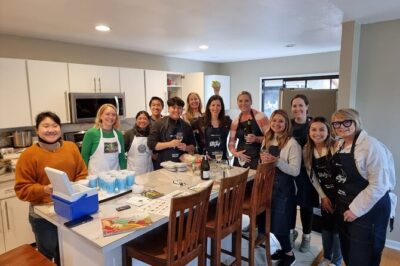
I also like that it’s run in an actual family-home setup with an English-speaking host, not a sterile demo kitchen. Names you may hear in the process include Rosie and Lan, and some sessions are guided by hosts such as Hanna, Lucy, Kelly, or Blue. There’s also a vegetarian option available if you ask at booking, and you’ll come away with enough tips to shop and cook Vietnamese food with confidence. The one practical drawback is simple: 3 hours 30 minutes goes fast once you start cooking, so come hungry and ready to concentrate.
In This Review
- Key things to know before you go
- First Stop: Vietnamese Coffee Tasting and Brewing Stories
- Finding Ingredients at Da Nang’s Local Market
- Cooking at a Local Family Home: Where Technique Gets Real
- What You’ll Cook: At Least Four Traditional Vietnamese Dishes
- Lunch at the Table: Eating What You Made
- Price, Time, and Small-Group Value for $45
- Logistics: Meeting Point, Mobile Ticket, and Pickup Details
- Who This Tour Suits (and Who Might Prefer Another Option)
- Should You Book This Da Nang Cooking Class?
- FAQ
- How long is the Da Nang Cooking Class with coffee tasting?
- Where is the tour meeting point?
- Is hotel pickup and drop-off included?
- What’s included in the $45 price?
- How many dishes will I cook?
- How big is the group?
- Is there a vegetarian option?
- Will the guide speak English?
- What if the weather is bad?
- Do I need anything to show for the booking?
Key things to know before you go
- Vietnamese coffee tasting starts the day: you begin with traditional brewing methods and learn how the drink is made before you cook.
- You shop for your own ingredients: the market stop isn’t a photo op; you pick fresh items for the dishes you’ll cook.
- Hands-on cooking at a local home: you cook guided by a host in a family-style setting, then eat your work.
- At least four dishes: the class is built around cooking multiple traditional Vietnamese dishes, not just one.
- Small group size keeps it personal: capped at 10 travelers, so you’re not lost in a crowd.
- Vegetarian option is available: request it when you book so the menu can fit your needs.
First Stop: Vietnamese Coffee Tasting and Brewing Stories
The day starts with you meeting your host at a local coffee shop in Da Nang. It’s an easy, low-pressure way to begin because you’re not rushing into a kitchen right away. Instead, you get a coffee tasting that sets the tone for the whole experience—Vietnamese food isn’t just about taste, it’s about ingredients and how they’re handled.
You’ll learn about traditional brewing methods, and the host typically explains how coffee shows up in everyday Vietnamese life. Some sessions also include a bit of practice with Vietnamese phrases, which is a fun bonus if you like learning by doing. In plain terms: you start with something familiar (coffee), then connect it to technique and culture.
This opening matters more than it sounds. When you later cook, you’re already in “ingredient mode.” You pay more attention to smell, texture, and how heat changes food. And because the coffee part is interactive, it’s a nice way to break the ice in a small group.
You can also read our reviews of more tours and experiences in Da Nang.
Finding Ingredients at Da Nang’s Local Market
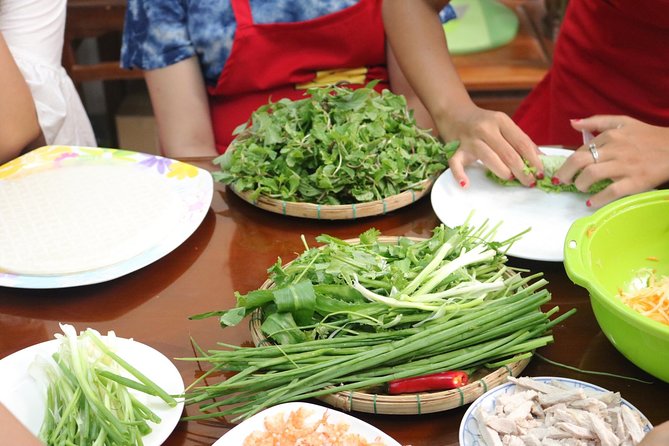
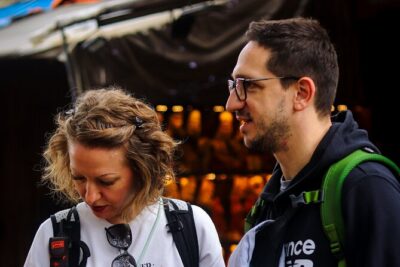
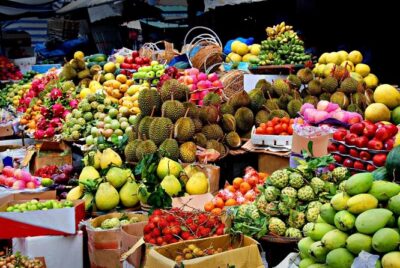
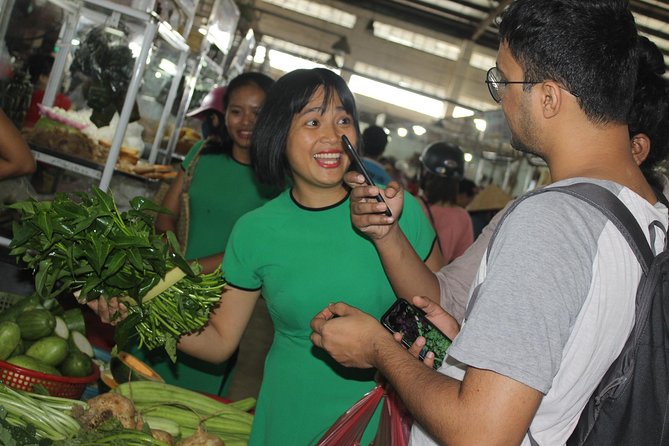
After coffee, you head to a nearby local market to shop for fresh ingredients. The market stop is where you learn how Vietnamese families approach daily meals. You’re not just walking past stalls; you’re exploring what people buy and why, then selecting ingredients that will end up in your lunch.
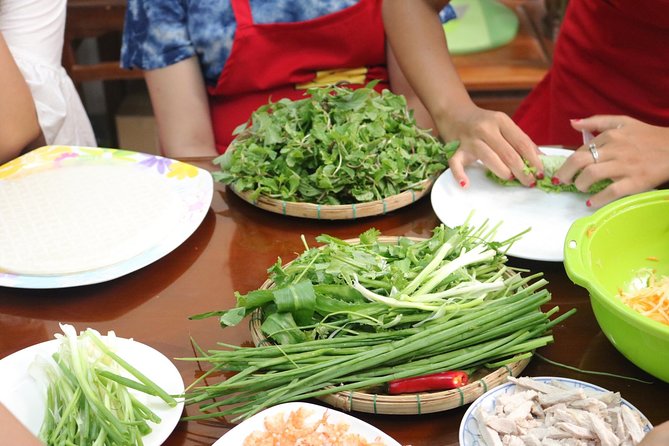
One big advantage here is that you’re learning “what to look for,” not just “what to buy.” A good market visit teaches you how to judge freshness and how to spot common ingredients you might not have worked with before. And because the class is hands-on, the market choices actually affect what you cook.
You’ll also get a sense of how markets fit into real routines. That’s valuable if your goal is to cook Vietnamese food at home later. When you know which ingredients matter, it’s easier to recreate the flavors without guessing.
Practical note: market walking is part of the experience. You’ll do best with comfortable shoes and a willingness to move at a local pace.
Cooking at a Local Family Home: Where Technique Gets Real
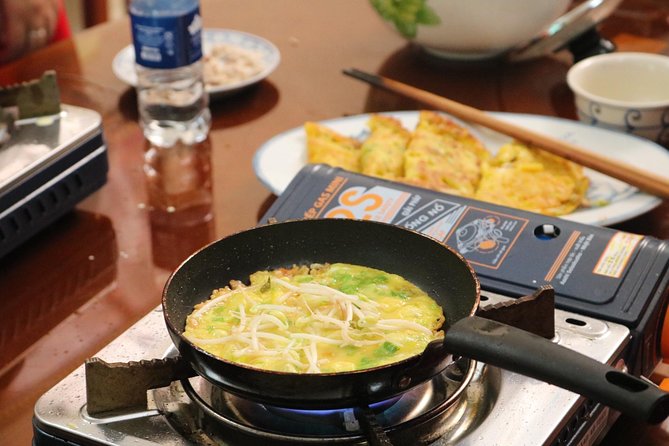
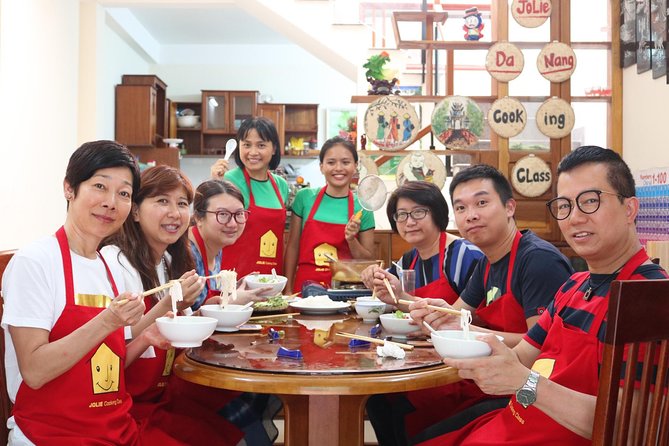
Once you’ve got ingredients, you continue to a local family home for the cooking class. This is where the tour shifts from “seeing” to “making.” The setting is warm and family-style, which keeps things relaxed. You’re guided by an English-speaking host who explains what to do and helps you understand why each step matters.
The class is described as hands-on, and the experience is built around technique. That means you’re not just watching someone cook while you hold a spoon. You’ll work with the ingredients, follow the process, and get enough coaching to finish with confidence.
A detail that comes up in past experiences is that the kitchen setup is described as clean. That’s not a small thing when you’re paying attention to hygiene while cooking. It also helps you stay focused on learning rather than worrying about the basics.
Also, remember the group size is capped at 10. In practice, that usually makes it easier to get help when you get stuck—whether it’s chopping, timing, or adjusting flavors while cooking.
What You’ll Cook: At Least Four Traditional Vietnamese Dishes
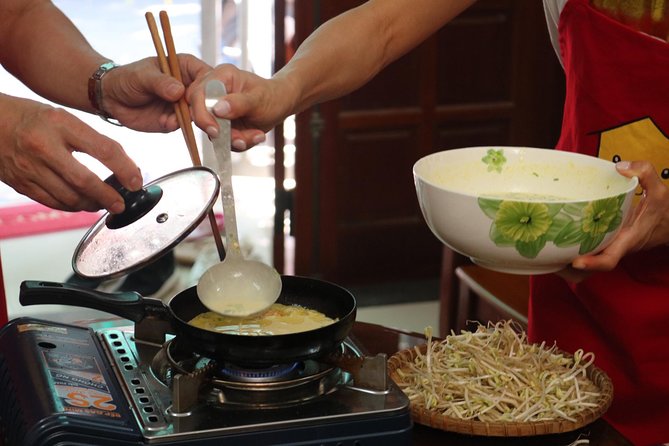
A key promise of this class is that you’ll prepare at least four traditional Vietnamese dishes. That’s a big deal for value, because you’re learning several flavors and methods in one morning/afternoon block.
Even without a long list of dish names provided here, the structure is clear. You’ll work on multiple dishes using fresh, seasonal ingredients, guided by your host. The tour description also emphasizes that you’ll pick up tips and techniques you can use to recreate Vietnamese dishes back home.
In other words, you’re not leaving with just a full stomach. You’re leaving with a mental recipe kit: how to start, how to cook, and how to finish so the food tastes right.
If you’re the kind of traveler who buys a cookbook and then never cooks from it, this format is what changes that. Market ingredients plus guided cooking plus the meal you share right afterward turns knowledge into muscle memory.
Lunch at the Table: Eating What You Made
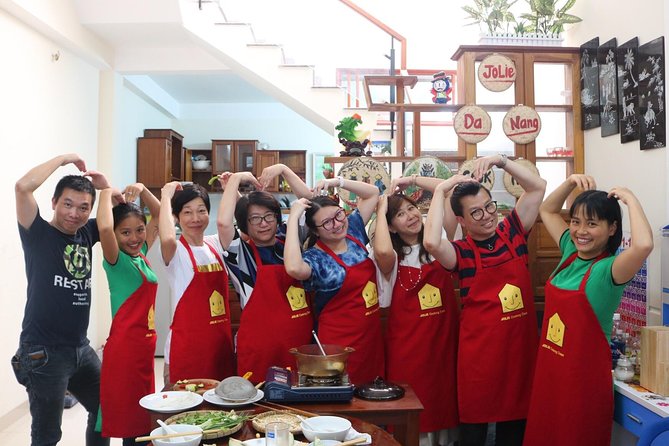
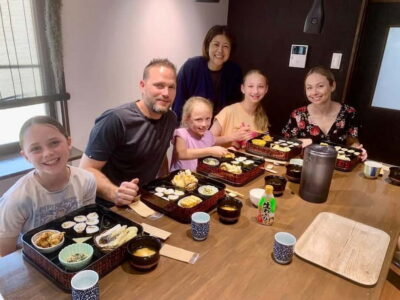
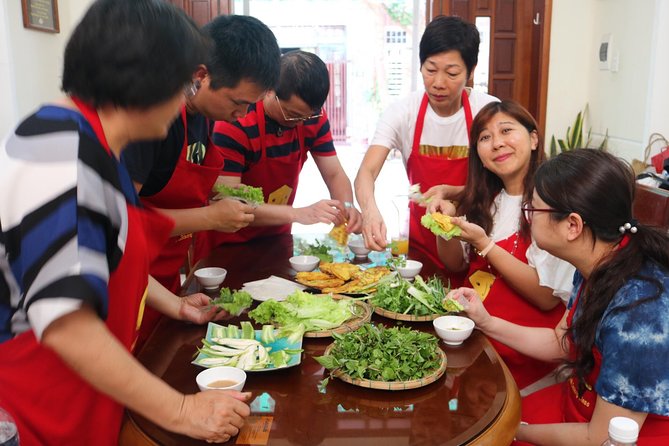
Once the cooking is done, you sit down to enjoy a homemade lunch in a warm, family-style setting. This part is straightforward but satisfying: you taste what you just cooked, so you can connect the steps you took to the final result.
Because the class is designed around multiple dishes, lunch becomes a sampler of your own work. You get to compare textures and flavors across the different items, which helps you understand what you did well and what you’d tweak next time.
This is also a social moment. Small groups tend to talk about what they learned, what surprised them, and how they’d recreate the dishes in their own kitchen. The best part is that the food has context: it came from the market, and it was cooked with a method your host explained.
If you’re traveling with food sensitivities, note that you should request any vegetarian needs at booking so the menu can be adjusted.

Price, Time, and Small-Group Value for $45
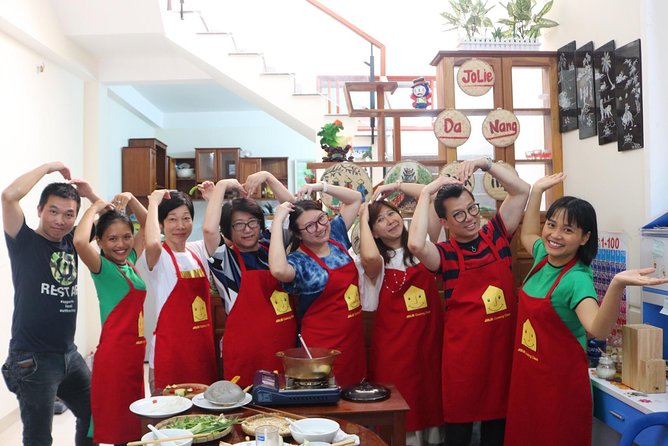
At $45 per person, the class is priced like a mid-range food experience, but it includes a lot: the market visit, Vietnamese coffee tasting, hands-on cooking class, ingredients, equipment, and the meal. For a 3 hours 30 minutes session, that adds up because you’re getting both learning time and the full lunch.
A simple way to think about value: you’re paying for instruction plus ingredients plus a meal, not just a cooking demo. The small group size (maximum 10) also matters. With fewer people in the kitchen, you typically get more guidance and a smoother flow.
Timing-wise, it’s long enough to learn and cook several dishes, but short enough that you can fit it into a busy Da Nang day. The experience also uses a mobile ticket, which is convenient when you’re moving around the city.
Logistics: Meeting Point, Mobile Ticket, and Pickup Details
The meeting point is listed as 10 Trần Quốc Toản, Hải Châu, Đà Nẵng 550000, Vietnam. The tour ends back at the meeting point, so you’re not stretched across the city for the whole 3.5 hours.
One thing you should handle carefully is pickup. The tour overview mentions hassle-free pickup and drop-off from your Da Nang hotel, but the details say hotel pickup and drop-off is not included. That conflict is common in travel listings, so don’t guess. When you book, confirm exactly how you get to the coffee shop meeting point.
The good news: the start point is near public transportation, so even if pickup isn’t part of your option, you can usually still reach it without stress. The experience also confirms English-speaking guidance.
Finally, your booking comes with confirmation at time of booking, and a minimum of 2 people is required per booking. That matters most if you’re traveling solo; if you’re alone, you’ll want to check availability dates close to your trip.
Who This Tour Suits (and Who Might Prefer Another Option)
This cooking class is a great match if you want a hands-on way to learn Vietnamese food in a short time. It’s especially good for:
- Food-focused travelers who like practical technique, not just eating
- Couples or small groups who want a guide’s attention (max 10 people)
- People who want a cultural connection through everyday shopping, not just a restaurant meal
- Anyone who enjoys coffee and wants to understand the brewing side before cooking
It might be less ideal if:
- You only want a quick taste experience (this one is actively cooking)
- You need exact hotel pickup guarantees and prefer not to coordinate transportation (confirm in advance because pickup info conflicts)
- You’re very sensitive to schedule changes tied to weather (the experience depends on good weather, and a bad day can lead to a different date or a full refund)
Should You Book This Da Nang Cooking Class?
If you want one experience in Da Nang that feels useful, social, and grounded in real daily life, this is an easy yes to consider. The combination of coffee tasting, market shopping, and hands-on cooking at a family home is rare in a single package. And because you’re preparing at least four dishes and eating what you make, you’re not just collecting photos—you’re collecting skills.
Book it if you’re hungry to learn how ingredients translate into Vietnamese flavors. Skip it (or at least compare alternatives) if you hate coordinating pickup details or you’re short on time and want something more minimal.
FAQ
How long is the Da Nang Cooking Class with coffee tasting?
It runs for about 3 hours 30 minutes.
Where is the tour meeting point?
The start meeting point is listed as 10 Trần Quốc Toản, Hải Châu, Đà Nẵng 550000, Vietnam. The tour ends back at the meeting point.
Is hotel pickup and drop-off included?
Hotel pickup and drop-off are listed as not included in the provided details. The experience description also mentions hassle-free pickup/drop-off, so you should confirm what applies to your booking.
What’s included in the $45 price?
The price includes a local market visit, Vietnamese coffee tasting, a hands-on cooking class at a local family home, and ingredients, equipment, and the meal.
How many dishes will I cook?
You’ll prepare at least four traditional Vietnamese dishes.
How big is the group?
The experience has a maximum of 10 travelers, and it requires a minimum of 2 people per booking.
Is there a vegetarian option?
Yes. Vegetarian options are available if you advise at the time of booking.
Will the guide speak English?
Yes. The experience lists an English-speaking guide.
What if the weather is bad?
The experience requires good weather. If it’s canceled due to poor weather, you’ll be offered a different date or a full refund.
Do I need anything to show for the booking?
You’ll use a mobile ticket.