REVIEW · MUMBAI
Vegetarian Indian Cuisine Virtual Cooking Class Experience from Mumbai
Book on Viator →Operated by Mystical Mumbai · Bookable on Viator
A Skype cooking class from Mumbai sounds quirky, but it works. You get a live, real-time session with Kajal, plus step-by-step help as you cook from your own kitchen. The best part is the personal touch: you’re not just watching a video, you’re asking questions while the food is moving along.
I especially love that the class feels like a home-chef experience. Kajal learned these recipes from her traditional family, and she shares the stories around the food as she cooks. I also like how the setup stays practical, with online recipes provided so you can follow along without panicking mid-stir.
One consideration: this isn’t a polished TV-style production. They’re cooking from their home, so the video and camera work are more DIY than professional. You’ll want to plan for a little visual roughness and focus on the lesson, not the cinematography.
In This Review
- Key things I think you’ll care about
- Why a Mumbai Vegetarian Virtual Class Makes Sense
- Kajal’s Live Skype Session: Real-Time Help, Real People
- The Star Dish: Getting Matar Paneer Right at Home
- How the 90 Minutes Typically Play Out (and Why It Feels Hands-On)
- Recipes You’ll Use Again, Not Just Recipes You Read Once
- Price and Value: Is $20 for a Live Class Actually Worth It?
- Practical Tips Before You Cook With Kajal
- Internet and setup
- Ingredients and substitutions
- Allergies
- Time zone reality check
- Mobile ticket and pickup note
- Who Should Book This Virtual Mumbai Class
- Should You Book This Vegetarian Indian Cuisine Virtual Class?
- FAQ
- How long is the virtual cooking class?
- What platform is used for the class?
- Where is the class taught from?
- How many people can join the class?
- What vegetarian dish is featured?
- Do I receive recipes to follow along?
- Do I need a specific internet connection?
- Are ingredient lists provided before the class?
- What if I have food allergies?
- Can I get a full refund if I cancel?
Key things I think you’ll care about
- Live Q&A on Skype while you’re cooking, so you can fix problems fast
- Kajal and Shailesh running the session, with Shailesh holding the camera
- Ingredient guidance ahead of time, so you can flag items you can’t find
- Matar paneer focus, a classic vegetarian Indian comfort dish
- Small group size (max 6), which helps the attention stay personal
Why a Mumbai Vegetarian Virtual Class Makes Sense
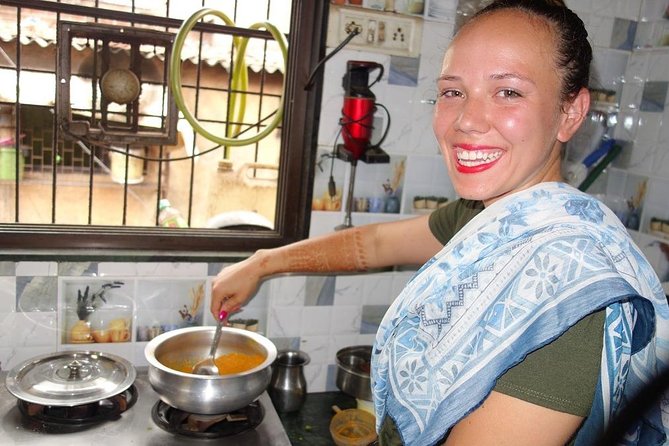
A virtual cooking class only works if it feels human. This one does. You’re joining from your own kitchen, but Kajal is cooking from her home in Mumbai and guiding you through the process in real time.
The “from a Mumbai local home kitchen” angle isn’t just marketing. It changes the tone. You’re learning how someone actually cooks day to day, not how a studio chef performs for a camera. Even the way they explain ingredients and steps is geared toward helping you reproduce the dish at home.
Also, vegetarian Indian cooking can be harder to pull off from scratch unless you get the method right. This class targets that exact gap. You’re learning technique, not just a list of steps, and you’re doing it with a chef who’s actually teaching.
You can also read our reviews of more tours and experiences in Mumbai.

Kajal’s Live Skype Session: Real-Time Help, Real People
This class runs on Skype, and that is the whole point. You can ask questions as you cook, and you’re not stuck waiting until the end to figure out what went wrong.
In the session, Kajal is the chef, and Shailesh is part of the team as well—he’s the one holding the camera. That matters more than you might think. When you can see what the instructor is doing clearly enough to follow along, you waste less time guessing. You also get a better sense of how the food should look and feel as it cooks.
One more practical note: they warn you upfront that videography won’t be professional-level. Translation: don’t treat it like a cinematic cooking show. Treat it like a friend coaching you over video. If you can accept that, the value is the instruction and the Q&A, not the production quality.
The Star Dish: Getting Matar Paneer Right at Home
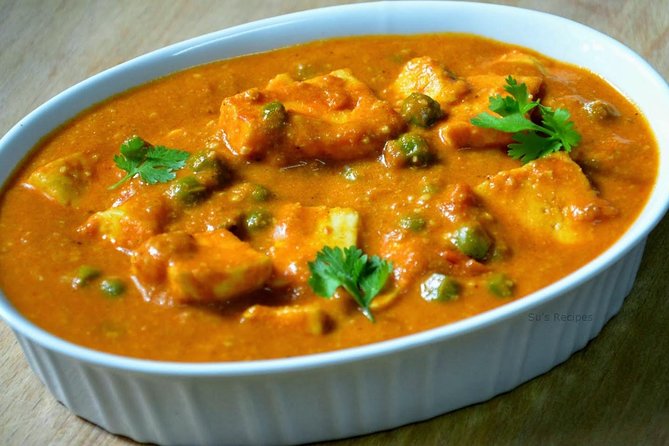
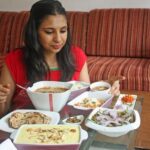
The class highlights vegetarian Indian favorites, with matar paneer calling the shots. Kajal’s favorite dish is matar paneer, and it’s also one of India’s most popular dishes—so you’re learning something widely loved and worth getting right.
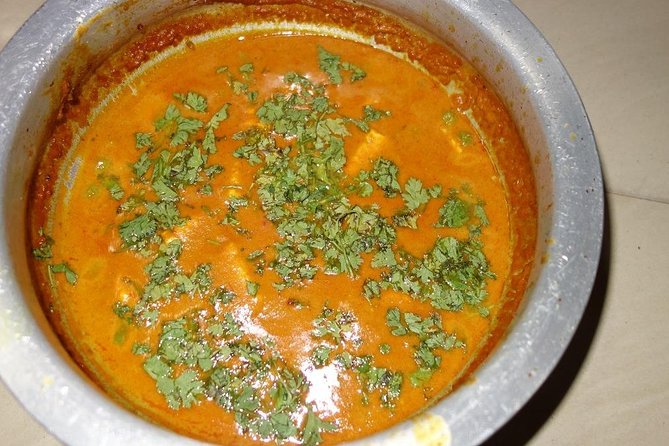
Matar paneer is cottage cheese in a peas-forward gravy. That combination makes it comforting and forgiving when you have the technique down. But it can go sideways if you treat it like just another curry. The timing, the texture, and how the gravy comes together all matter.
What I like about learning this via a live session is that you can course-correct. If your gravy seems too thick, too thin, or off in flavor balance, you can ask Kajal while you still have time to adjust. In a prerecorded class, you only find out after the damage is done. Here, you can fix the issue while the pan is still hot.
And since the session is from a Mumbai home kitchen, you get more than the mechanics. Kajal’s family background and the way she learned recipes from her mom and her older sister gives you context for why certain steps are done a certain way.
How the 90 Minutes Typically Play Out (and Why It Feels Hands-On)
This experience runs about 1 hour 30 minutes. You should plan for a single focused cooking block rather than a leisurely kitchen project.
While there’s no detailed published minute-by-minute schedule, you can expect a clear flow:
- You join the live class and get oriented.
- You cook through the dish step by step with Kajal coaching you in real time.
- You ask questions as you go (this is key).
- You wrap with recipes and guidance you can use after the session.
The “hands-on every step” promise is real here. They’re not trying to teach you to cook in theory. They want you moving through the process while the chef talks you through it.
Also, they specifically frame the class as both food and culture. That means you might get stories around what you’re cooking, and why it’s made a certain way. In practice, that turns the class from a recipe download into an actual cultural interaction.
Drawback to keep in mind: because it’s a home-based remote session, the pace can be driven by real-world cooking needs and your own home setup. If you have weak internet or a messy kitchen workflow, you’ll feel it more than you would in a recording.
Recipes You’ll Use Again, Not Just Recipes You Read Once
You receive online recipes to follow along. That’s not a small perk. In a lot of virtual classes, the recipe is either missing details or arrives too late. Here, you’re meant to cook alongside what you’re given.
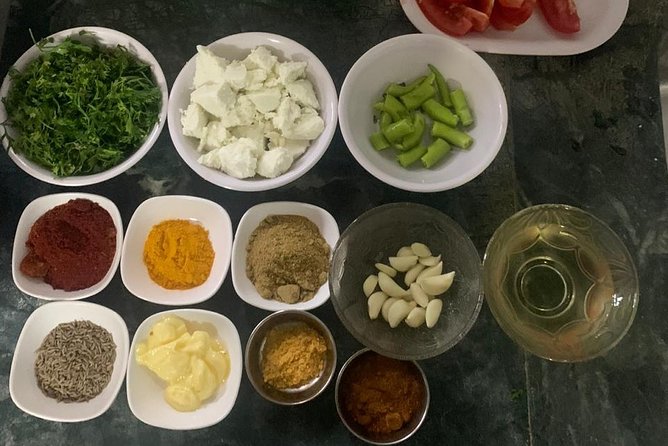
One especially helpful detail from the experience feedback: you receive a list of ingredients and instructions soon after booking, so you can tell the chef if you can’t find something in stores. That gives you a chance to adjust ahead of time, instead of spending the class time hunting for an obscure ingredient.
That ingredient-check step is one of the best “value multipliers” in any cooking class. You don’t just pay for the lesson; you pay for the reduction in confusion. And when you can’t find an ingredient, it helps to have someone guide you on what to do next.





Price and Value: Is $20 for a Live Class Actually Worth It?
At $20 per person, this is priced like a budget-friendly cooking workshop. The main question is whether you’re really getting more than entertainment.
Here’s where the value comes from:
- Live instruction instead of a prerecorded video
- Q&A while cooking, which is harder to replace with any generic recipe
- Small group size (max 6 travelers), so it’s less likely you’ll be ignored
- Chef attention during a focused 90-minute session
- Recipes provided plus ingredient guidance ahead of time
If you’ve ever tried to make Indian vegetarian dishes without a clear method, you know the cost of getting it wrong. Ingredients aren’t free, and time isn’t free either. A class like this can save you multiple failed attempts, especially for a dish as popular (and technique-sensitive) as matar paneer.
The only “value risk” is if you don’t have reliable internet or you dislike live, interactive formats. If you can’t communicate well during the Skype call, the class becomes more like a watch-and-hope situation. And that’s where the $20 bargain could feel less like a bargain.
Practical Tips Before You Cook With Kajal
Here are the real-world things to line up so your session goes smoothly.
Internet and setup
They’re clear about it: you need a working internet connection. Test your audio and video before the scheduled time if you can. Skype cooking classes depend on being able to hear instructions and see what the chef is doing.
Ingredients and substitutions
You’ll get ingredient instructions ahead of time, including guidance to let the chef know if something is hard to find. If you can, do that message early. It gives them time to help you avoid a last-minute ingredient scramble.
Allergies
If you’re allergic to any ingredients, you should share that information with the chef. This matters because you’re cooking along in real time, and you want safe substitutions or adjustments handled before the session.
Time zone reality check
Available times are in IST (Indian Standard Time). When you book, double-check the start time in your local zone so you don’t miss the live window.
Mobile ticket and pickup note
The experience includes a mobile ticket. The listing also mentions pickup offered, but since this is a virtual class, you’ll still be joining from home via Skype. If you’re wondering what pickup means here, message the provider so you’re not left guessing.
Who Should Book This Virtual Mumbai Class
This class fits best if you want more than a cookbook outcome.
You’ll likely enjoy it if:
- you like vegetarian Indian food and want to cook it with confidence
- you want a real-time Q&A while the dish is still in progress
- you prefer learning from a local home cook, not a studio performance
- you’re okay with a home-based camera setup and you focus on the cooking
You might think twice if:
- your internet is unreliable or you get frustrated with live tech
- you expect professional-level videography
- you want a completely self-paced lesson you can pause freely
Should You Book This Vegetarian Indian Cuisine Virtual Class?
If your goal is to learn matar paneer and other vegetarian Indian techniques in a way you can actually repeat at home, this is a strong buy for $20. The combination of live Skype coaching, provided recipes, and the ingredient guidance you get after booking makes it more practical than many virtual classes.
The biggest thing to watch is your tech setup. If your internet is solid and you’re willing to treat it like a live conversation, you’ll get a lot of value. If your connection is shaky, you’ll lose the main benefit: being able to ask questions as you cook.
Overall, I’d book it if you want a Mumbai home-kitchen learning experience with real interaction and a dish that’s genuinely worth mastering.
FAQ
How long is the virtual cooking class?
It lasts about 1 hour 30 minutes.
What platform is used for the class?
The class is conducted live on Skype.
Where is the class taught from?
It’s taught from a home kitchen in Mumbai.
How many people can join the class?
The class has a maximum of 6 travelers.
What vegetarian dish is featured?
Matar paneer is a key focus, and it’s one of India’s most popular dishes.
Do I receive recipes to follow along?
Yes. Online recipes are provided to help you cook along.
Do I need a specific internet connection?
You should make sure your internet connection is working properly, since the class is live.
Are ingredient lists provided before the class?
You receive a list of ingredients and instructions shortly after booking, and you can share what you can’t find in stores.
What if I have food allergies?
You should share any allergies with the chef so they can guide you accordingly.
Can I get a full refund if I cancel?
Yes. Cancellation is free up to 24 hours before the experience starts for a full refund. If you cancel within 24 hours of the start time, you won’t receive a refund.