REVIEW · MUMBAI
Private Maharashtrian Cooking Class in Mumbai with a Local Family
Book on Viator →Operated by Traveling Spoon · Bookable on Viator
Cooking in a Mumbai home beats restaurants. This private Maharashtrian cooking class turns your kitchen into the lesson plan, with your host walking you through family recipes and homemade spices for a 1.5-hour hands-on session. I love how clearly the flavors are explained, from spice prep to building a dish.
You’ll also cook two regional Maharashtrian dishes and then eat a home-style meal that may include drinks like piyush or kokum sharbat, plus condiments such as thecha and cooling cucumber salad. That’s my favorite part: you leave knowing what to recreate.
One catch: there’s no hotel pickup, so you’ll start at Shell Colony in Kurla (or meet at your host’s apartment if you choose the market add-on) and make your own way there.
In This Review
- Key highlights to know before you go
- Why this Mumbai home kitchen beats a restaurant night
- Entering the route: Shell Colony in Kurla (and how timing works)
- The small consideration
- Market option: Chembur fish market shopping like locals
- The hands-on cooking class: two Maharashtrian dishes, real technique
- If you’re vegetarian
- What you eat: drinks, gravies, condiments, and dessert
- The regional-food angle: Pathare Prabhu, CKP, and why it matters
- What a private class changes for you (and why that’s worth it)
- Price and value: what $64 buys in Mumbai
- Who should book this (and who might not)
- Should you book? My take on the decision
- FAQ
- FAQ
- How long is the private Maharashtrian cooking class?
- What is the price per person?
- Where does the class start?
- Is hotel pickup and drop-off included?
- Is this a private experience?
- What will I cook during the class?
- Can the menu be vegetarian?
- What’s included in the experience?
- Is there an optional market tour?
- When will I receive confirmation after booking?
- Can I cancel for free?
Key highlights to know before you go
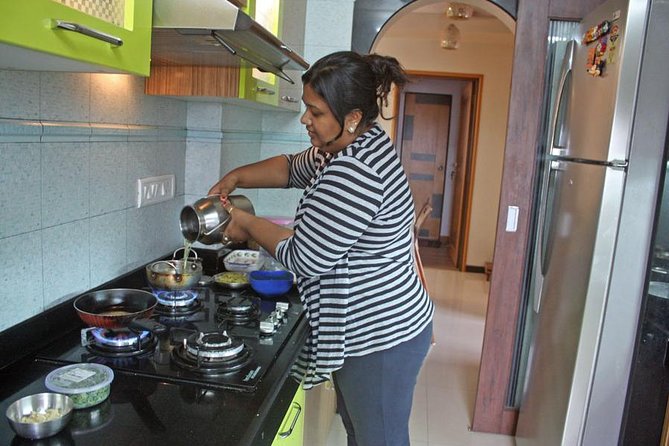
- Private class, private pace: It’s just your group in the kitchen, not a crowd process.
- Two dishes in a short window: Plan on a 1.5-hour hands-on cook, then a full home meal.
- Homemade spices and family recipes: You learn what goes where, not just what tastes good.
- Optional Chembur fish market visit: If you want ingredient-first learning, this adds a guided market stop.
- Niche regional flavors: You may touch cuisines linked to Pathare Prabhu, CKP, and other Maharashtrian/Goan influences.
Why this Mumbai home kitchen beats a restaurant night
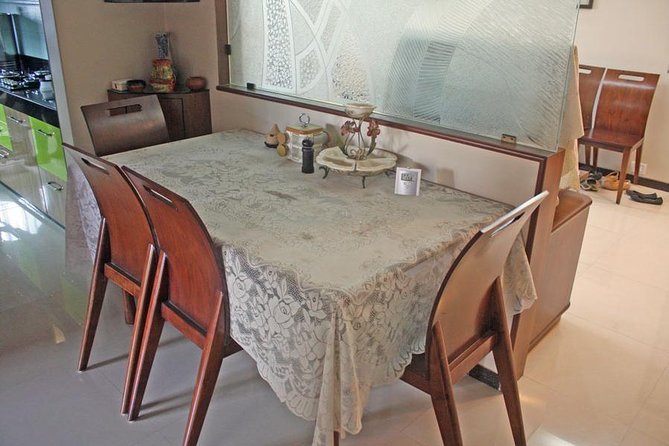
If you like Indian food, you’ll probably love Indian kitchens even more. This experience is built around a simple idea: learn how locals actually cook at home, then sit down and eat the results in the same place.
The class is private, centered on Maharashtrian dishes, and guided by a home chef with real hosting experience. Rupa—who has been welcoming friends, family, and strangers for over two decades—runs the show with a friendly, practical approach. In other sessions, hosts such as Reshma and Shilpa have also led cooking time, and the common thread is the same: you learn through doing, with plenty of explanation as you work.
I like that the focus isn’t on fancy plating. It’s on flavor logic: spices, textures, and the order things go into the pan. And because you cook two dishes, you come away with more than one recipe you can realistically repeat later.
You can also read our reviews of more tours and experiences in Mumbai.
Entering the route: Shell Colony in Kurla (and how timing works)
The standard meeting point is Shell Colony, Sahakar Nagar, Kurla, Mumbai. Your activity ends back at the meeting point. Hotel pickup and drop-off aren’t included, so think of this as a you-get-there-by-yourself experience.
The good news: it’s near public transportation, and it’s about 20 minutes by car/auto from NMACC Mumbai. So if you’re sightseeing around the waterfront or catching an event there, getting to this cooking class should be manageable.
Timing-wise, plan for about 3 hours total. The hands-on part is roughly 1.5 hours, which means you won’t be stuck watching someone else cook while you wait. You’ll be chopping, stirring, seasoning, and making decisions.
The small consideration
Menu and dish choices can shift by season. That’s not a drawback if you’re flexible. It’s a sign the host cooks what makes sense with what’s available.
Market option: Chembur fish market shopping like locals
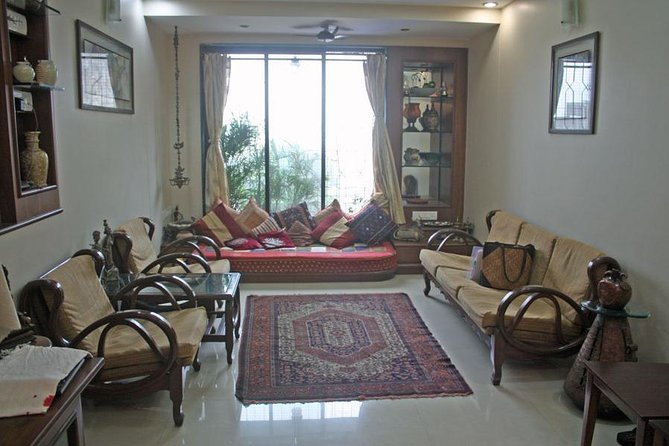
If you choose the market add-on, you start by meeting your host at her apartment, then drive down to the Chembur fish market for a guided walkthrough. The goal is straightforward: you see what’s fresh, you understand what people look for, and then you carry those ingredient choices straight into your cooking class.
This part is especially valuable if you want to connect the dots between ingredients and flavor. Mumbai seafood (and the way it gets used) is a whole world, and a fish market isn’t just for visual interest. It teaches you what fresh looks like and how locals think about sourcing.
One more practical tip: because this is market-based, you’ll want to wear comfortable shoes and keep your expectations realistic. Markets are busy, and you’ll likely do some walking and standing.
The hands-on cooking class: two Maharashtrian dishes, real technique
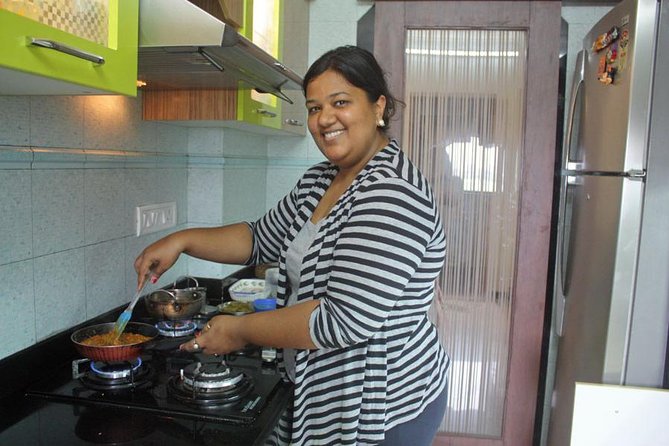
Once you’re in the home kitchen, the class format stays active. You’ll learn to make two regional Maharashtrian dishes. The hands-on session is about 1.5 hours, covering both cooking and the reasoning behind seasoning choices—especially homemade spices and how family recipes adapt over time.
In terms of what you might cook, the class can focus on a seasonal vegetable and either a fish or chicken dish, depending on what’s planned. You might also see options that lean toward mutton or crab in some versions, since the menu can vary.
You’ll also learn about local ingredients and culinary traditions. That’s the part that makes this more than a one-time tasting. Instead of collecting a list of ingredients and hoping, you learn the process:
- when spices go in,
- how condiments balance heat and tang,
- how gravies get built,
- and how side dishes cool or cut richness.
If you’re vegetarian
Rupa can accommodate a vegetarian diet on request. If you have dietary restrictions or allergies, advise in advance. Since the class is personalized, that matters more than with a generic restaurant menu.
What you eat: drinks, gravies, condiments, and dessert
After you cook, you eat. This is a home meal, not a buffet. And it’s usually built around multiple “lanes” of flavor—cool drinks to start, savory mains, bright condiments, then dessert.
Here are examples of dishes and items you might try:
- Piyush: a thickened yogurt-and-buttermilk style drink
- Kokum sharbat: a cooling, thirst-quenching drink
- Suran kaap: yam fry
- Mutton keema che muthe: spiced minced mutton preparation
- Alu vadi: spiced colocasia/taro leaf preparation
- A fish/chicken/mutton/crab gravy paired with rice or roti
- Thecha: a condiment made with green chilies, peanuts, and garlic
- Khamang kakdi: cucumber salad
Then dessert can include:
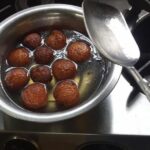
- Bhoplyachi kheer (pumpkin pudding)
- Sago kheer (pudding-style dessert)
- Paan as a mouth freshener
The practical value here: you get exposed to a “full plate” of regional flavors, not just one star dish. Thecha, cucumber salad, and the drink choices all teach you how Maharashtrian meals balance spice, cooling factors, and richness.
The regional-food angle: Pathare Prabhu, CKP, and why it matters
This isn’t just generic “Indian cooking.” The class is pitched around niche regional cuisine such as Pathare Prabhu, Maharashtrian, and CKP (Chandraseniya Kayastha Prabhu), plus other influences like Goan Rupa noted in the experience descriptions.
Why should you care? Because each regional food system uses spices, textures, and cooking methods differently. When you learn how those differences show up in everyday home dishes, you’ll understand why one curry tastes earthy and another tastes sharper, why a condiment is served beside a gravy, and why cooling drinks matter after spicy cooking.
It also helps you shop and cook smarter later. If you only learn one style, you end up with a single “Indian meal template.” Here, you learn how the template changes depending on region and ingredient.
What a private class changes for you (and why that’s worth it)
A private cooking class sounds fancy until you think about what changes in practice. It means you can ask questions while you’re still holding the spoon. You can slow down when a technique is new—like spice timing or getting the right consistency in a gravy.
It also means the menu can fit your preferences. Vegetarian accommodations are available on request, and you can share dietary restrictions or cooking preferences ahead of time. That personal control is a real value driver if you’re traveling with specific food rules.
And you’re not stuck in a lecture. The format is hands-on, with you cooking two dishes during the session and then eating what you made.
Price and value: what $64 buys in Mumbai
At $64 per person, you’re paying for a pretty specific combo: a private home chef experience, hands-on cooking, and a homecooked meal, with all fees and taxes included.
If you compare this to the cost of a restaurant meal plus a cooking workshop at a tourist-focused studio, the math can favor this option because you get:
- Private instruction (not a shared group class),
- two dishes worth of learning,
- and the meal is included right after cooking.
You’ll still want to consider one trade-off: no hotel pickup/drop-off. That means your total day cost might include some extra local transport. But if you’re already near Kurla or central Mumbai, it’s usually not a big deal.
Also, the market add-on option can change your day. It adds ingredient discovery and a guided market visit, which can make the whole experience feel more “connected” and less like a stand-alone cooking class.
Who should book this (and who might not)
I think this is best for you if:
- you want Maharashtrian home cooking with real ingredients and homemade spices,
- you want a short, focused class that ends with eating what you made,
- you’re the type who likes learning the why behind the flavor,
- and you’d rather spend time with a local family kitchen than in a restaurant designed for visitors.
You might choose something else if:
- you hate navigating to meeting points on your own (since there’s no hotel pickup),
- you want a very wide buffet of dishes (this experience is about cooking and eating a set menu based on season),
- or you’re uncomfortable with market logistics if you pick the Chembur fish market option.
Should you book? My take on the decision
Book this if your goal is honest, practical food learning in Mumbai. The main payoff isn’t just the meal. It’s the way you learn: homemade spice building, family recipe logic, and the balance of dishes served together—like the cooling drinks and condiments alongside gravies.
Skip it only if convenience is your top priority and you don’t want to handle transport to Shell Colony. If you can get there easily, this class gives you a strong “I can do this again at home” feeling, not just a nice night out.
FAQ
FAQ
How long is the private Maharashtrian cooking class?
It’s about 3 hours total (approx.). The hands-on cooking portion is about 1.5 hours.
What is the price per person?
The price is $64.00 per person.
Where does the class start?
The standard start point is Shell Colony, Sahakar Nagar, Kurla, Mumbai, Maharashtra, India.
Is hotel pickup and drop-off included?
No. Hotel pickup and drop-off aren’t included, and the activity ends back at the meeting point.
Is this a private experience?
Yes. It’s private and personalized, and only your group participates.
What will I cook during the class?
You’ll learn to cook two regional Maharashtrian dishes during the cooking session.
Can the menu be vegetarian?
Yes. Rupa can accommodate a vegetarian diet on request. You should inform the provider in advance about dietary restrictions or allergies.
What’s included in the experience?
Included: private cooking class with your host, homecooked meal, all fees and taxes. If you choose the market tour option, you also get a guided tour of the Chembur fish market.
Is there an optional market tour?
Yes. If you choose it, you’ll drive down to the Chembur fish market for a guided visit to pick up fresh ingredients.
When will I receive confirmation after booking?
Confirmation is received within 48 hours of booking, subject to availability.
Can I cancel for free?
Yes. You can cancel up to 24 hours in advance for a full refund. Changes within 24 hours aren’t accepted and refunds aren’t available after that window.