REVIEW · CHIANG MAI
Chiang Mai Cooking Class
Book on GetYourGuide →Operated by TTWU Company Limited · Bookable on GetYourGuide
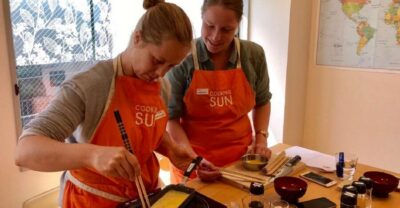
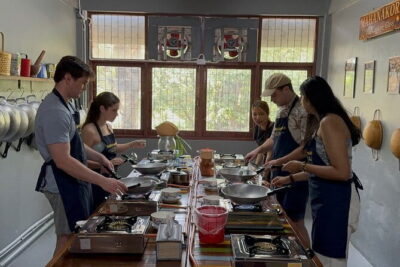
Your Thai lesson starts at the market. That early market tour with Opal makes the flavors click before you touch the pan. I love that the class is hands-on, with you choosing an appetizer, soup, rice/noodle, curry, and ending with mango sticky rice, so you cook a lot in just five hours. One consideration: it’s a small-group setup, so if you want a totally private, quiet experience, you’ll be sharing time and kitchen space with up to 10 people.
After pickup in Chiang Mai Old Town, the chef leads you to a cooking spot outside the city that feels open-air and practical. The chef explains the Thai kitchen and the menu in detail, and you can choose vegetarian, vegan, or gluten-free dishes so you’re not stuck with a sad backup plan.
In This Review
- Key things you’ll like
- Market first: the vegetable shopping that sets the flavor
- From Old Town pickup to an open-air kitchen outside Chiang Mai
- Thai kitchen basics: what the chef explains before you cook
- Your menu in 5 hours: appetizer, soup, curry, and mango sticky rice
- Choose your diet: vegetarian, vegan, or gluten-free-friendly options
- Small-group cooking: why up to 10 people matters
- Price and value in Chiang Mai for about $45
- Who should book this cooking class, and who should skip it
- Should you book this Chiang Mai Cooking Class?
- FAQ
- How long is the Chiang Mai cooking class?
- Do you include hotel pickup and drop-off?
- Do we visit a local market during the experience?
- Can I choose vegetarian, vegan, or gluten-free dishes?
- Is the class a small group?
- What languages are used for the instruction?
- What’s included in the price?
Key things you’ll like
- Market shopping first: you learn ingredient choices before you cook.
- A full menu in 5 hours: appetizer, soup, rice/noodle, curry, plus mango sticky rice.
- Small group of up to 10: easier questions, more hands-on time.
- Diet options: vegetarian, vegan, and gluten-free friendly.
- English + Thai instruction: Opal-style teaching that keeps things clear and fun.
Market first: the vegetable shopping that sets the flavor
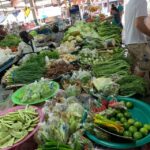
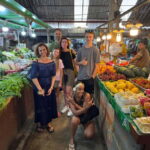
The best part of this class is that it doesn’t start with recipes. It starts with buying real ingredients—especially vegetables—from a local market with your chef. You’ll get help selecting produce and grabbing what you’ll need for the dishes, which means you go home with a better sense of what matters in Thai cooking.
This market stop is more than a photo break. The chef points out what to look for and how ingredients work together. You also get the practical advantage of not having to guess what to buy later. Thai food often tastes the way it does because of small ingredient details—freshness, ripeness, and the right balance of flavors—so the market tour helps you understand why your curry or soup comes out the way it should.
And yes, you’ll likely smell herbs and spices before you even reach the kitchen. That’s a good thing. It’s hard to cook Thai food well if you only know it from takeaway boxes. A market visit gives you context, and that context makes the cooking steps feel logical instead of random.
You can also read our reviews of more tours and experiences in Chiang Mai.
From Old Town pickup to an open-air kitchen outside Chiang Mai
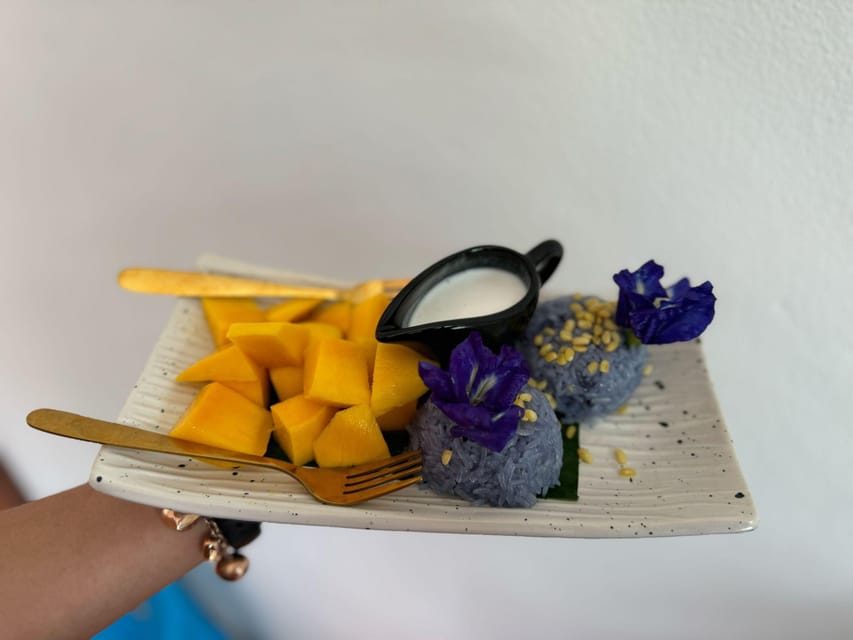
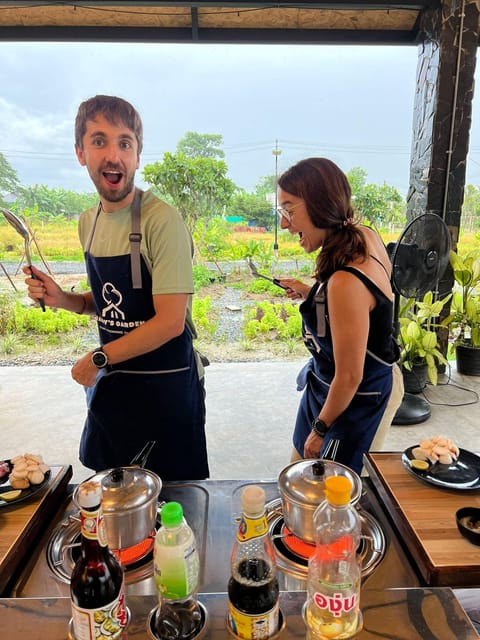
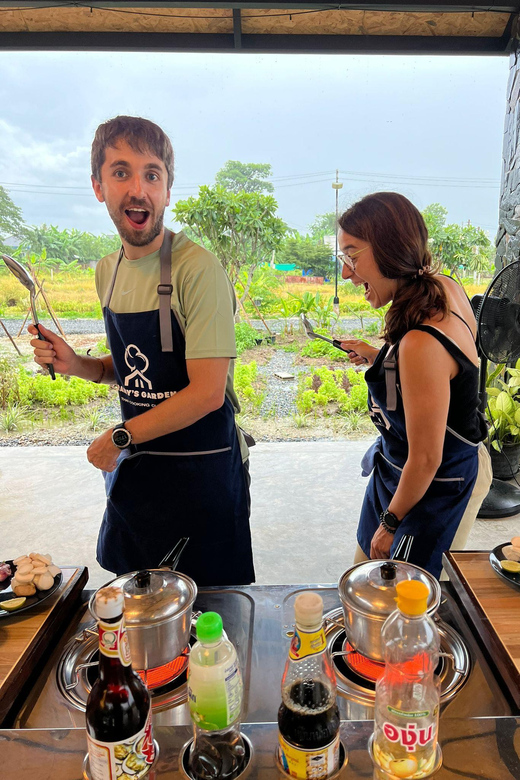
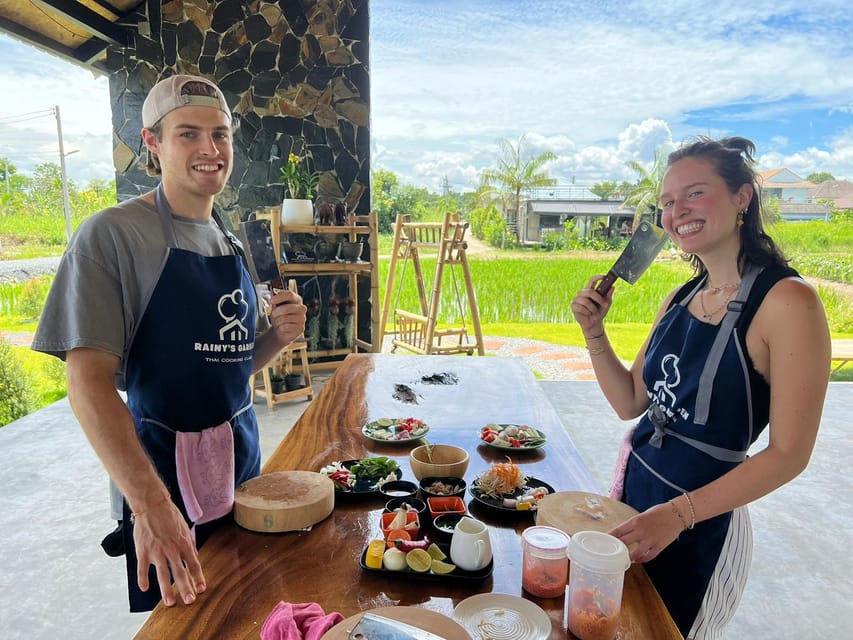
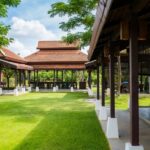
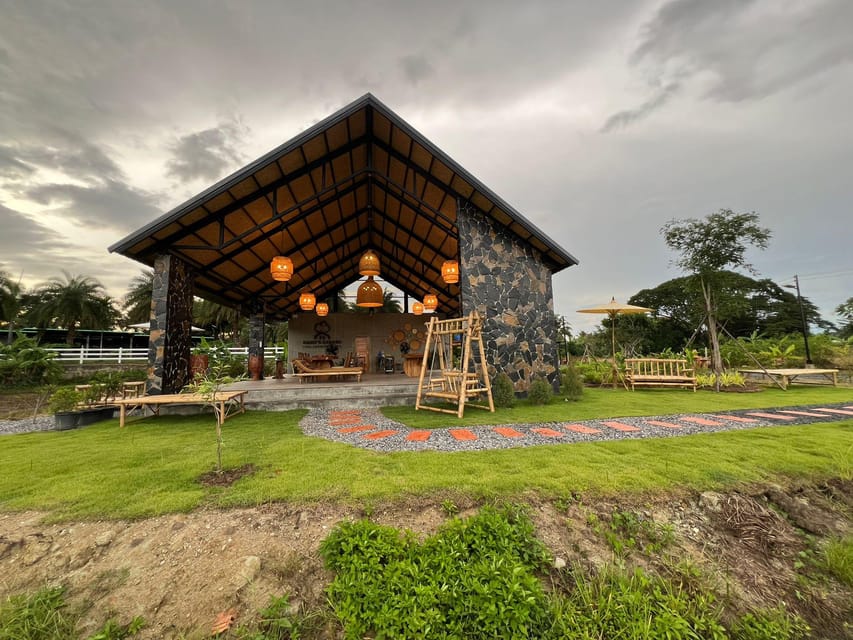
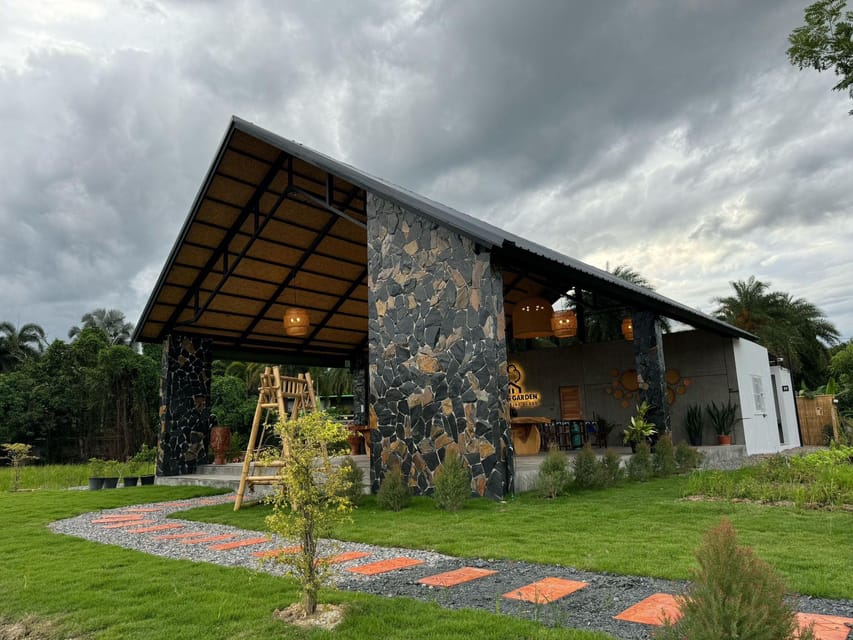
The experience is built around a smooth start. Pickup is included for people staying in Chiang Mai Old Town, and then you head out from there. Once you arrive, you’re cooking in an open-air-style space outside the city center, which makes the whole thing feel less like a classroom and more like a real working kitchen.
That setting matters. Thai cooking uses quick steps, fresh aromatics, and heat you control in the moment. An open-air setup also keeps the atmosphere comfortable for a group of up to 10, so you’re not crammed shoulder-to-shoulder in a sealed room.
Timing is tight in a good way. The class runs about five hours, and the flow is designed so you can learn, cook, and eat what you make without burning the whole day. If you like hands-on activities but don’t want a half-day that drags, this pace is a smart match.
Thai kitchen basics: what the chef explains before you cook
Before the cooking gets serious, the chef introduces how Thai kitchens work and walks you through the menu in detail. You get a sense of what each dish is aiming for—sweet, sour, salty, spicy—and how Thai cooking builds flavor using aromatics and balanced seasoning.
This prep time is useful even if you’re a total beginner. You’re not just following steps. You’re learning the logic behind them. For example, understanding how a curry paste behaves versus how a soup base is built helps you troubleshoot when something tastes slightly off.
The chef also covers the dish lineup in a way that makes your hands-on work easier. Instead of feeling lost when it’s time to choose ingredients or start chopping, you already know what the final outcome should taste like. That’s the difference between an entertaining cooking session and a class that genuinely upgrades your cooking confidence.
And if you get questions—about ingredients, substitutions, or how to adjust spice—English instruction is supported, with Thai spoken too. Opal in particular is described as fun and clear in teaching, and that kind of energy helps you stay relaxed while you cook.
Your menu in 5 hours: appetizer, soup, curry, and mango sticky rice
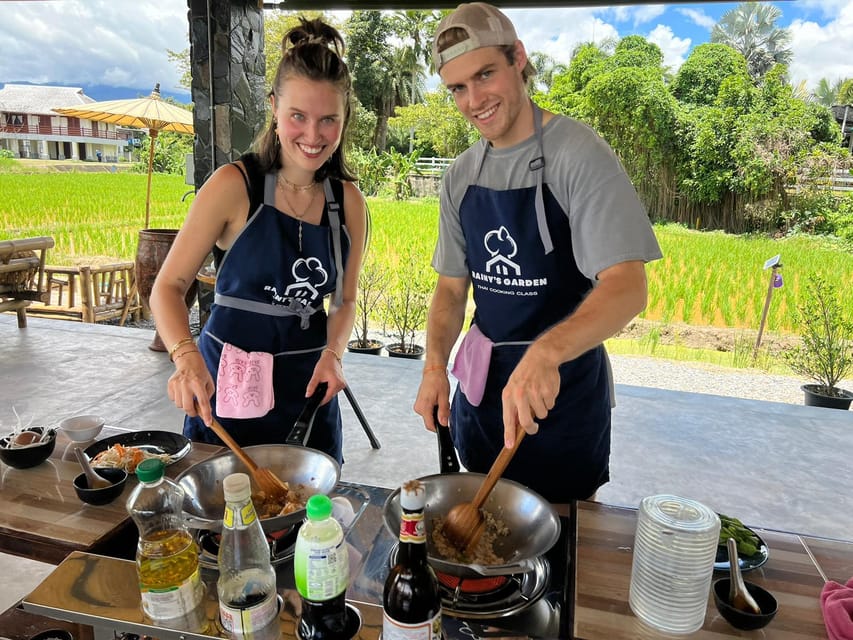
Here’s what you can count on cooking. You’ll work through a full meal structure and make multiple dishes, not just one item.
Typically, you’ll choose:
- One appetizer
- One soup
- One rice/noodle dish
- One curry
- Dessert: mango sticky rice
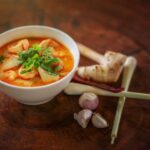
That menu structure is a big deal for value. Many cooking classes leave you with one dish and a lot of watching. This one is set up so you actively cook across categories—salty/sweet balance in the curry, comfort flavors in the soup, and the sweet finish with mango sticky rice.
The class also has a good rhythm. You’re not stuck repeating one task for hours. You get variety: chopping and prepping, then moving into cooking phases that require attention and taste checks. That variety keeps it interesting and helps you practice different Thai techniques.
One more practical note: choosing your items means you get to steer your lesson toward what you actually like. If you’re more of a curry person, lean that direction. If you want something lighter, let your soup and rice/noodle choices reflect that. This is one of the reasons people walk away feeling like they learned a lot—not just had a good meal.
Choose your diet: vegetarian, vegan, or gluten-free-friendly options
Thai cooking can be naturally flexible, but only if the class actually plans for it. The format here gives you options for vegetarian, vegan, or gluten-free dishes, so you’re not stuck with the standard menu if your needs are different.
What you’ll want to do is decide your diet preference ahead of time and be ready to choose dishes that match it. The chef will guide you through the process once you’re in the class, and the overall menu structure still works—appetizer, soup, rice/noodle, curry, dessert.
A key benefit is that it still feels like a real Thai meal. You aren’t just eating a modified version of something. The class is built to support different needs, which keeps the experience satisfying and not like a compromise dinner.
If you’re gluten-free, it’s especially helpful that you’re cooking with ingredients prepared for the dishes you choose. You’ll be learning how the final dish should taste, which makes it easier to cook later without relying on guesswork.

Small-group cooking: why up to 10 people matters
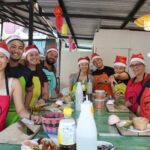
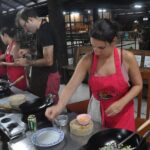
This class limits the group size to 10 participants. That number sounds small because it is—small enough that the chef can keep an eye on what everyone is doing, and you can ask follow-up questions without waiting forever.
In a bigger group, you often end up as an extra set of hands for one step and a spectator for everything else. Here, you’re more likely to be involved across the menu. And when you’re learning Thai cooking, involvement is the whole point.
It also keeps the vibe social but not chaotic. People can talk, laugh, and ask questions without the kitchen turning into a race. Opal’s teaching style is described as fun, and that matters when you’re cooking at least five different dishes and trying to keep track of flavor.
Language support also helps. English instruction is available, with Thai spoken too, so you’re not stuck if something technical gets explained with Thai terms. You can follow the process, ask what you need, and move on.
Price and value in Chiang Mai for about $45
At around $45 per person for a five-hour experience, the value is in what’s included. You’re paying for:
- Hotel pickup and drop-off (Old Town area)
- A local market visit
- A hands-on cooking class
- All ingredients
- A local chef
- A small group setting
That’s not just a cooking lesson. It’s a guided food experience with transport, shopping time, ingredient selection, and instruction built in. If you’ve ever tried to “DIY” Thai cooking in a market without a plan, you know it can turn into expensive trial-and-error. Here, someone sorts out the shopping and the recipe logic for you.
The class is also described as lots of food with a good pace, and the menu choices (appetizer through mango sticky rice) support that. In other words, you’re not paying for a snack-sized experience.
If your plans are flexible, it also comes with free cancellation up to 24 hours in advance and a reserve now, pay later option. That reduces risk if your Chiang Mai schedule shifts.
Who should book this cooking class, and who should skip it
Book it if:
- You want to learn by doing, not just watching.
- You like the idea of a market stop plus a cooking lesson.
- You eat vegetarian, vegan, or gluten-free and want a real option.
- You’re staying in Chiang Mai Old Town and want pickup to be included.
Skip it if:
- You want a private, silent experience. This is small-group by design.
- You dislike market walking or prefer activities that don’t involve ingredient shopping.
Should you book this Chiang Mai Cooking Class?
If you want a practical Thai cooking lesson that starts with real ingredients and ends with a full meal you helped make, this is a solid yes. The market tour with Opal sets the stage, and the hands-on format—especially the ability to choose across appetizer, soup, rice/noodle, curry, and mango sticky rice—means you’ll come away with useful skills, not just recipes.
If you’re nervous about cooking, don’t be. The structure is designed to guide you step by step, in English (and Thai), with a small group that keeps it manageable.
FAQ
How long is the Chiang Mai cooking class?
The class runs for about 5 hours.
Do you include hotel pickup and drop-off?
Yes. Pickup and drop-off are included for hotels in the Chiang Mai Old Town area.
Do we visit a local market during the experience?
Yes. You’ll visit a local vegetable market with the chef and get help buying groceries for the class.
Can I choose vegetarian, vegan, or gluten-free dishes?
Yes. You’ll have options to prepare vegetarian, vegan, or gluten-free dishes.
Is the class a small group?
Yes. It’s limited to 10 participants.
What languages are used for the instruction?
The instructor provides English and Thai.
What’s included in the price?
The experience includes a local chef, hands-on cooking, all ingredients for cooking, a market visit, and hotel pickup and drop-off (Old Town area).