REVIEW · BELGRADE
Traditional Serbian Cooking Class in Belgrade with Locals
Book on Viator →Operated by Traveling Spoon · Bookable on Viator
Cook Serbian comfort food in a real home. This traditional Serbian cooking class in Ripanj pairs hands-on recipes with the kind of local hospitality you can’t fake in a restaurant, and it all ends with the meal you helped make. You’ll learn how to make two dishes from scratch, plus Serbian bread, while your host guides you through each step in plain English.
I love that this isn’t a lecture. You get to shape, fill, bake, and plate real food, including the bread component that many cooking classes skip. I also like the menu flexibility: you choose a main dish option like prebranac or sarma, and the rest of your meal comes with salad and dessert.
One consideration: the class happens in a smaller home kitchen in Ripanj, and there’s no hotel pickup or drop-off. If you’re coming in a larger group or want maximum space to work, you’ll want to plan around the limited kitchen setup.
In This Review
- Quick reasons to book this Belgrade food class
- Ripanj in Belgrade: where the class starts and why the timing works
- Dragana’s kitchen: what you’ll actually learn (not just eat)
- Your hands-on cooking menu: choosing between prebranac, sarma, or pilav
- Main dish options
- Starter and sides (your meal won’t be “just the main”)
- Dessert
- Bread matters here: proja or hleb and why it’s part of the deal
- The table-setting moment: eating like family, not like a classroom
- Optional market tour: Banjica green market and choosing better produce
- Price and value: what $104 covers and where it feels justified
- Who this Serbian cooking class fits best
- Practical tips for making the most of the class
- FAQ
- Will I be picked up from my hotel?
- How long is the cooking class?
- Where does the class take place?
- What dishes do I learn to make?
- Do I get to bake Serbian bread?
- What is included in the price?
- Is the class offered in English?
- Can they accommodate dietary restrictions?
- Should you book this Serbian cooking class in Belgrade?
Quick reasons to book this Belgrade food class
- Dragana’s home in Ripanj: you cook in a real household kitchen, not a studio.
- Two dishes plus bread: you don’t just watch, you make the meal.
- Pick your main: prebranac, sarma, or pilav, with a matching starter choice.
- Seasonal menu changes: dishes can shift with what’s best for the time of year.
- Optional Banjica market tour: shop and learn how to choose produce with local guidance.
- Small-group feel: reviews highlight that the kitchen works best with very small numbers.
Ripanj in Belgrade: where the class starts and why the timing works
You’ll meet at Avalska, Ripanj, Serbia, and the experience ends back at the same meeting point. Total duration is about 3 hours. In practice, that usually feels like enough time to learn without being rushed, especially because the hands-on cooking is about 2 hours, followed by setting the table and eating together.
Ripanj is a suburb, so this is not the kind of Belgrade activity that rolls up right next to your hotel in the city center. The good news is it’s near public transportation, so you can reach it without needing a private driver. Also, because there’s no hotel pickup/drop-off, you’ll want to factor in travel time to and from Ripanj. If your day already includes other neighborhood hopping, build a little buffer.
This structure is also part of the value. You’re not paying for a long “tour” that’s mostly standing around. You’re paying for a focused meal-making session in a local kitchen, plus shared dining time at the end.
Dragana’s kitchen: what you’ll actually learn (not just eat)
Your host for the cooking lesson is Dragana, and the class is held in her home. That detail matters. A home kitchen comes with constraints, and it also comes with authenticity. You’ll feel how Serbian cooking is taught at home: step-by-step, with real tools, real pacing, and quick feedback when something needs adjusting.
The class is described as private and personalized for your group, which is a big deal if you want to ask questions or learn why a specific ingredient matters. It’s offered in English, so you shouldn’t need a phrasebook to get the key steps right.
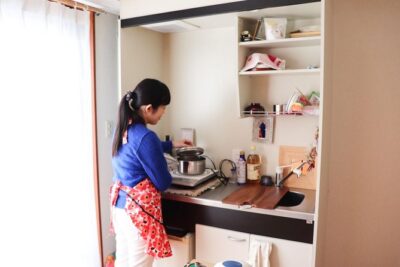
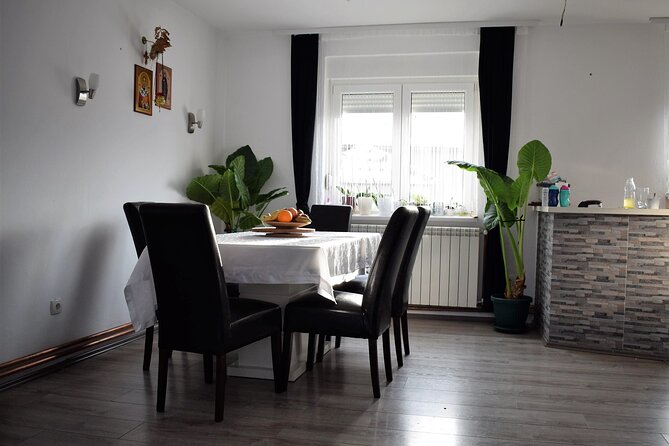
Based on what’s been shared by people who took the class, the kitchen is small, so you’ll get the best experience with a small group. If you’re traveling as a duo, this setup is ideal. If you’re more than a couple, you’ll want to check with the organizer so everyone has room to work safely and comfortably.
Your hands-on cooking menu: choosing between prebranac, sarma, or pilav
The core of the class is learning to make two dishes from scratch, plus learning to bake their famous Serbian bread.
Main dish options
You can choose one main dish option:
- Prebranac (baked beans)
- Sarma (Serbian stuffed cabbage)
- Pilav (rice)
Each option takes the cooking in a different direction. Prebranac leans into slow, savory baked comfort. Sarma is all about assembly and patience, because stuffed cabbage takes careful filling and rolling. Pilav gives you a rice-based foundation that can be easier for first-timers, depending on the method you’re taught.
Starter and sides (your meal won’t be “just the main”)
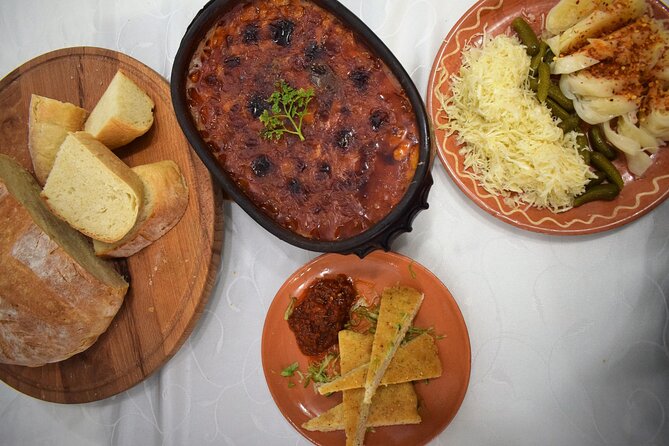
Alongside your main, the meal includes a starter choice, plus a seasonal salad, bread, and dessert. Your starter is served with salad, bread, and dessert, and then your main comes as the centerpiece.
For example, the sample starter/main pairings include:
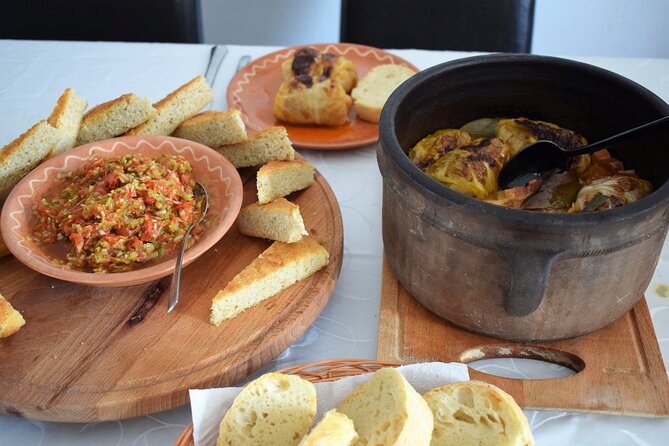
- Prebranac with an appetizer of suvi vrat (smoked meat), kajmak (clotted cream), and ajvar (eggplant and bell pepper dip)
- Sarma with trljanica (salad)
- Pilav with dumpling soup
On top of that, you’ll make proja (traditional Serbian cornbread) or hleb (flatbread), depending on the course flow and season. Menu may vary by season, so treat the listed combinations as the likely plan, not a guaranteed script.
Dessert
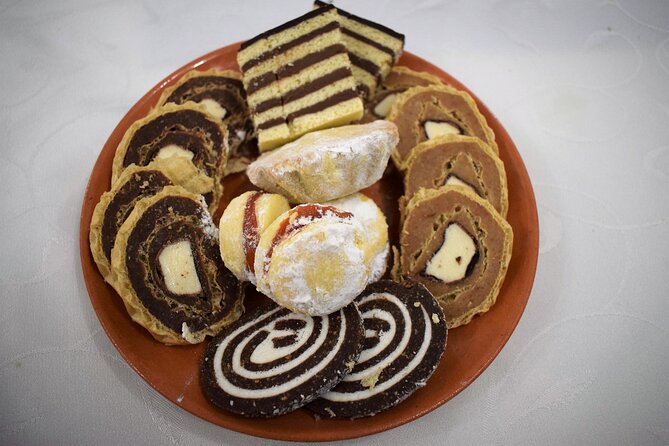
Dessert is sitni kolaci (sweet cookies). This is exactly the kind of ending that makes a home meal feel complete, not like you’re just “passing through” for the cooking.
Bread matters here: proja or hleb and why it’s part of the deal
Many cooking classes teach one dish and send you away with a taste. This one builds bread into the experience, which I think is the smartest way to learn Serbian home cooking. Bread isn’t a side that belongs to restaurants. In the Serbian table tradition, it’s part of everyday comfort.
You’ll learn to bake:
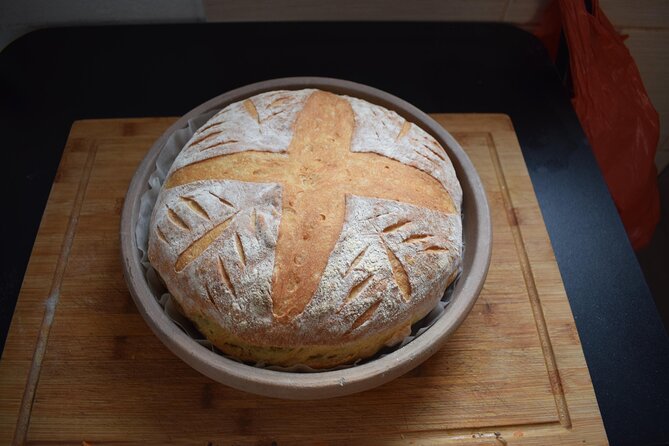
- Proja, a traditional Serbian cornbread, or
- Hleb, a flatbread
Because you’re actively baking, you’ll get a feel for the dough and timing. Even if you don’t remember every detail later, you’ll leave understanding how the bread fits into the meal rhythm: it’s there for mopping up sauces, balancing richness from dishes like ajvar, kajmak, and smoked meat, and rounding out hearty mains like baked beans or stuffed cabbage.
If you care about food you can recreate later, bread skills are high value. They’re repeatable, not just a one-night technique.
The table-setting moment: eating like family, not like a classroom
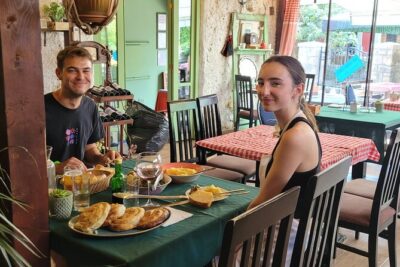
When the cooking is done, you help set the table and then share the meal you prepared. That’s not a small detail. It changes the entire tone.
Classrooms teach cooking. This experience teaches eating. You’ll sit down with what you made, plus the starter, salad, bread, and dessert that complete the plate. You’re not just tasting; you’re participating all the way through.
That also helps you learn faster. When you cook, you learn texture and timing. When you eat, you learn balance: what needs salt, what feels heavy, what brings brightness. This is where “I made it” turns into “I understand it.”
Optional market tour: Banjica green market and choosing better produce
If you add the optional market tour, you start with Dragana showing her garden. This is only mentioned for summer months, which is important. Seasonal food changes how a home meal tastes, and the tour ties that idea to real vegetables you can see growing.
After the garden, you walk to the Banjica green market, described as spacious and open-air. Your host and guide walk with you and take you to favorite vendors. The point is not to browse for fun—it’s to learn how to pick ingredients.
You’ll get guidance on:
- How to choose fresh fruits and vegetables
- How to shop with local habits in mind
- Which vendors your host prefers
Then you return to the home for the cooking session and meal. That flow is practical. Market learning makes the cooking session feel more intentional, and it helps you understand why certain ingredients show up in Serbian cooking at particular times of year.
One drawback to consider: the market add-on is optional, and it’s an extra block of time before cooking. If you want a straight cooking-first experience, skip it. If you like food travel that starts with ingredient shopping, it’s worth the effort.
Price and value: what $104 covers and where it feels justified
At $104 per person for about 3 hours, this isn’t a budget activity in the usual sense. But it also doesn’t look like a touristy bargain built on big margins. The price makes sense when you break down what you’re actually getting:
- Private cooking class in Dragana’s home (not a shared cooking studio setup)
- Hands-on instruction in English
- A home-cooked meal you help prepare
- All fees and taxes included
- Gratuities included
- Optional guided market tour if you choose it
A lot of cooking experiences charge extra for dinner and then call it included. Here, the meal is part of the event package, and it’s tied directly to the cooking work you do. The inclusion of gratuities and fees also matters. You avoid the annoying “what else will I have to pay?” feeling.
The only real “cost” you’ll handle yourself is time and transport to Ripanj. Since there’s no hotel pickup, you may spend on transit depending on where you stay. Still, it’s often cheaper than a private driver, and the venue is near public transportation.
Who this Serbian cooking class fits best
This is a great match if you:
- Want home-style Serbian food rather than restaurant tasting
- Like learning through action—mixing, filling, baking—not just watching
- Prefer small-group, host-led experiences over crowded group tours
- Enjoy food travel that includes market ingredient tips (especially if you choose the Banjica option)
It may not be perfect if you:
- Need a large, professional kitchen layout with lots of work space
- Are counting on hotel pickup or a door-to-door service
If you’re traveling as a couple or very small group, you’ll likely find the pacing and kitchen layout work better. That point comes up because the kitchen is small, and people are happier when they can move without crowding.
Practical tips for making the most of the class
Because this is a home-based activity, small practical details make it easier to enjoy.
- Bring your questions to the table. With a private setup, you can ask why certain dishes use specific combinations, not just how they’re made.
- If you have dietary needs, tell the organizer at booking. Vegetarian and vegan meals can be offered on request, and you can also advise about allergies and restrictions.
- Wear comfortable clothes. Baking and cooking can get warm, and you’ll be moving between prep and cooking areas.
- If you choose a main like sarma, be ready for hands-on assembly time. It’s satisfying, but it’s not a fast dish.
FAQ
Will I be picked up from my hotel?
No. Hotel pickup and drop-off are not included. You’ll meet at the start point in Ripanj and return there at the end.
How long is the cooking class?
It runs for about 3 hours (approx.). The hands-on cooking portion is about 2 hours, followed by table-setting and eating.
Where does the class take place?
The experience is in Ripanj, a suburb of Belgrade, at Dragana’s home. The meeting point is Avalska, Ripanj, Serbia.
What dishes do I learn to make?
You’ll learn two Serbian dishes from scratch, plus bread. The main dish options include prebranac, sarma, or pilav.
Do I get to bake Serbian bread?
Yes. You’ll learn to bake proja (traditional Serbian cornbread) or hleb (flatbread), as included in the class structure.
What is included in the price?
The price includes the private cooking class, the home-cooked meal, all fees and taxes, and gratuities. If you choose the optional market tour, that is also included.
Is the class offered in English?
Yes. The cooking class is offered in English.
Can they accommodate dietary restrictions?
Yes. If you have allergies, dietary restrictions, or preferences, you should advise at booking time. Vegetarian and vegan meals can be offered on request.
Should you book this Serbian cooking class in Belgrade?
Yes, if your idea of Belgrade includes real food culture, not just sightseeing. This class is one of the best ways to leave with something more than photos: you’ll have Serbian dishes you helped make, bread you learned to bake, and a meal you can actually remember by taste and technique.
Book it especially if you want the host-led, small-space home feel and you’re happy to travel to Ripanj without a pickup. If you’re short on time, you might skip the market add-on. If you love food shopping, the garden stop in summer and the guided walk through Banjica green market can make the cooking session click even more.
If you come as a couple or a very small group, you’re likely to get the smoothest experience in that home kitchen. And if you want the straightforward path to learning how Serbian comfort food is made, this is a smart, worth-the-money choice.