REVIEW · CHIANG MAI
Half Day Guided Thai Cooking Class in Chiang Mai
Book on Viator →Operated by Baan Thai Cookery School · Bookable on Viator
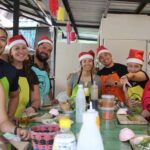
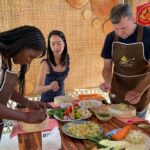
A cooking class in Chiang Mai should be more than a demo. At Baan Thai Cookery School, it’s hands-on in a small group, with English-fluent guidance and a menu you can tailor to your tastes.
I especially like that they keep things personal (classes run 1–8 people) and that they’re ready for real-life diets, including vegetarian preferences and food allergies.
The food isn’t just theory. You cook, you eat what you made, and the class length gives you time to feel like you actually learned the process, not just followed steps. One thing to consider: this is an indoor kitchen and dining setup, so if you’re chasing outdoor sights or a market walk, you may feel like the experience is more about cooking than sightseeing.
In This Review
- Key Highlights to Know Before You Go
- Where This Class Fits Into Chiang Mai
- The Menu You’ll Actually Want to Cook
- Hands-On Cooking: What the Class Feels Like
- Spice and Allergy Options (This Is Where You Get Real Value)
- Example Dishes and What You’re Learning From Each
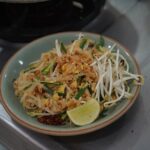
- Pad Thai
- Tom Kha Gai
- Spring Rolls
- Khao Soi
- Timing, Duration, and How to Plan Your Half Day
- Meeting Point and Getting There
- Price: Is $29 Actually Fair for This Class?
- Practical Tips That Will Make Your Class Easier
- Who This Cooking Class Suits Best
- Should You Book It?
- FAQ
- FAQ
- What is the duration of the Half Day Guided Thai Cooking Class in Chiang Mai?
- How much does the class cost?
- Is pickup available from my hotel area?
- How many people are in the class?
- Do they provide vegetarian options or handle food allergies?
- Can I choose my spice level?
- Where does the class start and end?
- What’s the cancellation policy?
Key Highlights to Know Before You Go
- Small group (up to 8 people): More attention at your station, less waiting around.
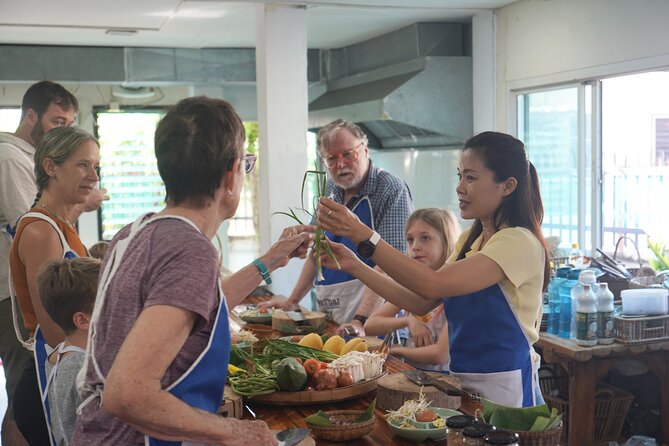
- Fully hands-on cooking: You’ll actively prepare and make dishes rather than watching.
- Diet-friendly support: Vegetarian options and allergy substitutions are part of the program.
- Spice customization: You can control heat levels to match what your body enjoys.
- English-fluent instructors: Clear instruction makes it easier to replicate at home.
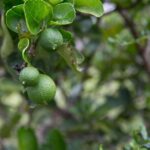
- Organic + local ingredients: They use organic ingredients from their farm and local sources.
Where This Class Fits Into Chiang Mai
Chiang Mai has a lot of food experiences. Some focus on street markets and tasting. This one is different. I think this style of class is perfect when you want a strong Thai cooking foundation—something you can actually reproduce later—without needing to understand Thai technique from scratch.
Baan Thai Cookery School runs this half-day format at a steady pace for groups that stay small. That size matters. When you’re only one of up to eight, your instructor can correct small issues while they’re still easy to fix—like how you’re handling a paste, balancing a sauce, or dialing in seasoning.
Also, the setting is practical. You’ll be working in an indoor kitchen and eating in an air-conditioned space. That’s a big deal in Chiang Mai when the air outside can feel hot and sticky. You still get Thai cooking, just with less weather stress.
You can also read our reviews of more tours and experiences in Chiang Mai.
The Menu You’ll Actually Want to Cook
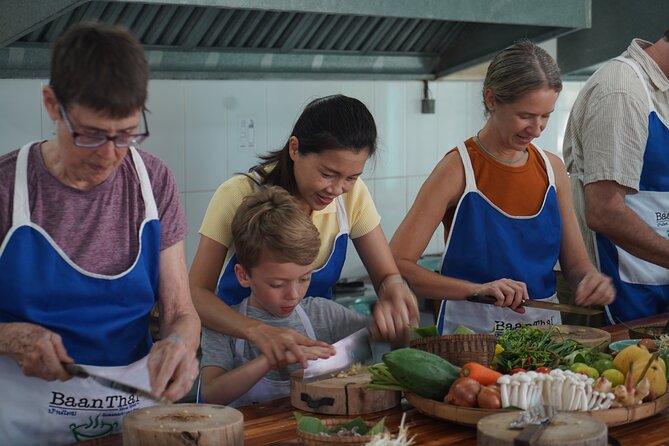
One reason this class earns top marks is simple: the menu is built around the Thai dishes most people crave. The cooking choices can vary, but the program supports multiple options and you can pick what you want to learn.
From a highly-rated experience, a common selection includes dishes like:
- Pad Thai
- Tom Kha Gai
- Spring Rolls
- Khao Soi
That combination is a nice spread. Pad Thai teaches the classic stir-fry rhythm. Tom Kha Gai (a creamy coconut soup) helps you understand how Thai flavors build—sour, salty, creamy, and aromatic. Spring rolls give you technique around filling and wrapping. Khao Soi adds a Northern Thai flavor angle, which can feel like a bonus if you’re only expecting central Thai food.
Now, here’s the practical part: because the class is flexible, you’re not locked into learning dishes you don’t like. That matters for value. If you pick foods you truly eat at restaurants (or want to), you’re more likely to remember the steps and cook them again.
Hands-On Cooking: What the Class Feels Like
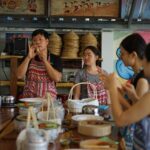
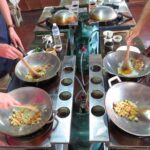
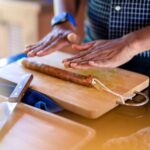
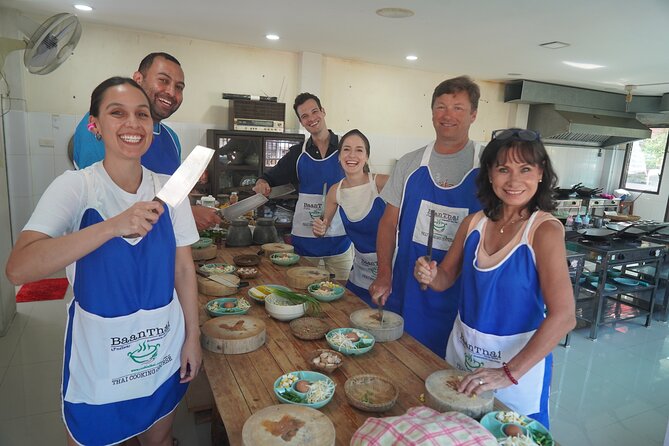
This isn’t a theater show. The class is described as fully hands-on, and the small group size is built for that. You’ll be at your station working through dishes, not sitting back watching someone else do all the work.
I like that the instructors focus on making it doable. The program specifically notes clear guidance from English-fluent instructors. That’s important because Thai cooking has lots of flavors and textures, and it can be hard to follow if the teaching isn’t structured. With clear instruction, you’re less likely to get lost mid-recipe.
Also, the class design supports different skill levels. It’s aimed at both culinary novices and people who already cook. You don’t need fancy equipment or prior Thai technique knowledge. You just need the willingness to chop, mix, stir, and taste.
One more thing: the class is designed for comfort. You’re cooking and eating indoors. For many people, that turns the experience into something they can focus on—flavor and technique—rather than heat, sweat, and scrambling for shade.
Spice and Allergy Options (This Is Where You Get Real Value)
If you’ve ever tried to follow a food experience that ignored your dietary limits, you know how frustrating it can be. Here, the program is explicit about vegetarians and food allergies. It says substitutions are available and seasonings can be adjusted.
That means you’re not stuck hoping something is naturally safe. You can ask for what you need, and the class is set up to handle it.
Spice control is also offered. Customizing spice levels sounds like a small detail, but it’s huge in practice. Thai food can swing from mild to eye-watering fast. When you can set your heat level, you’ll enjoy the food during the lesson instead of suffering through a dish you can’t taste properly.
From my perspective, this is part of the “value for money” side of the price. At $29 for about 4 hours 30 minutes, you’re not just paying for ingredients—you’re paying for instruction that adapts to your needs. That’s hard to find in many budget-friendly experiences.
Example Dishes and What You’re Learning From Each
Even without a listed day-by-day script, the dishes give you a clue to what skills you’ll pick up. Here’s how those popular choices map to cooking knowledge you can reuse later.


Pad Thai
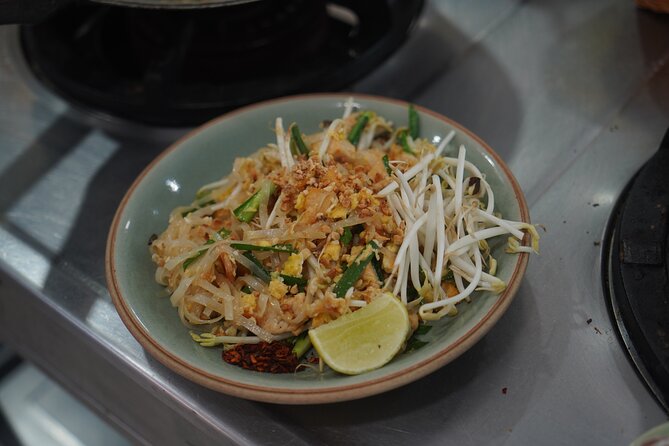
Pad Thai is the signature gateway dish for many people. In a hands-on class, it’s a strong choice because you’ll practice stir-fry timing and balancing flavors. You also learn how the sauce clings and coats—so it’s not watery, not pasty, and not overly sweet.
Tom Kha Gai
Tom Kha Gai is creamy, aromatic, and more complex than it looks. The class gives you a chance to understand the logic behind Thai soup flavor: how coconut richness interacts with sourness and herbs. It’s also a great dish if you want something comforting that still tastes distinctly Thai.
Spring Rolls
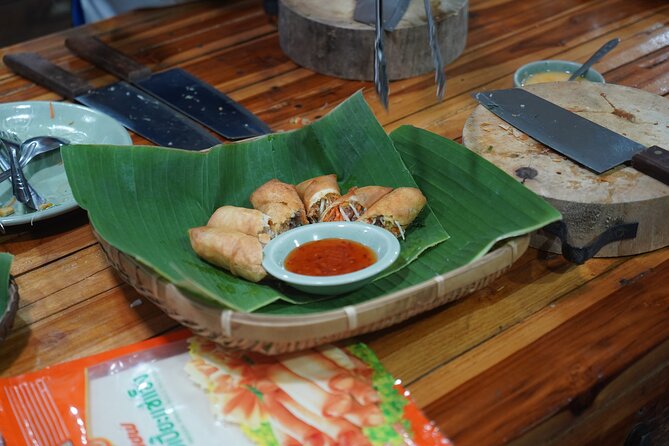
Spring rolls can be simple in concept and tricky in execution. A hands-on session usually matters most here, because you get practice with filling amounts and rolling technique. When you cook them yourself, you can see what makes them crisp and sealed right.
Khao Soi
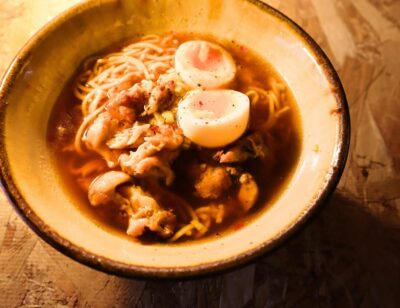
Khao Soi is a helpful “Thai beyond basics” dish. It brings in Northern Thailand influence and gives you a taste you can’t easily replace with standard noodle dishes. If you’re thinking about Chiang Mai as more than a quick stop, learning one Northern-leaning dish feels like smart context.
One note: the menu choices can vary, and the class supports other options beyond these four. So you’ll want to match your picks to what you want to eat again later.
Timing, Duration, and How to Plan Your Half Day
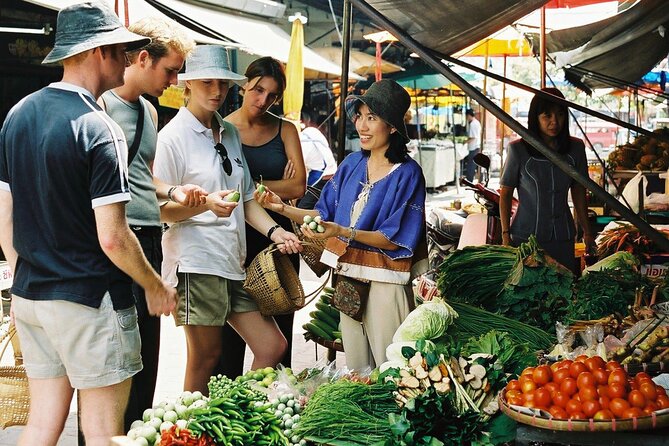
The class runs about 4 hours 30 minutes. That makes it a strong fit between other Chiang Mai plans—especially if you want one activity that isn’t a full day commitment.
The format is also a good way to avoid the common travel problem of food experiences that eat up your whole afternoon. With a clear half-day length, you can still do a temple visit later, go for a massage, or just wander a nearby neighborhood without feeling like the class will swallow your entire day.
Since the session ends back at the meeting point, it’s easy to build your next stop without extra logistics.
Meeting Point and Getting There
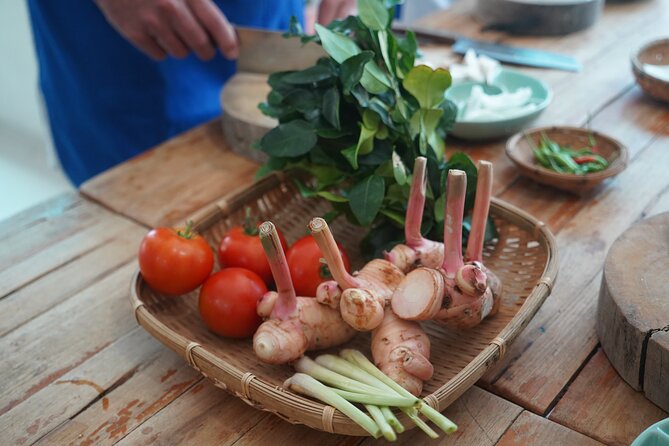
You’ll start at BaanThai Cookery School, 9 Prapokklao Rd. Lane 9, ตำบล พระสิงห์ Mueng, เชียงใหม่ 50200, Thailand. The activity ends back at the meeting point.
The location is also noted as being near public transportation. That’s useful if you don’t want to rely on a private ride for every step of your day. If you’re walking distance–based for Chiang Mai, this is the kind of detail that keeps your plans flexible.
Pickup is offered. If you’re coming from a hotel that’s a bit far from this part of town, pickup can save you time and reduce the stress of figuring out routes.
Price: Is $29 Actually Fair for This Class?
For a half-day cooking class, $29 is on the lower side. The best way to judge price here is what you get for it:
- You cook in a class of up to 8 people, not a crowd.
- You get English-fluent instruction (clarity is worth real money).
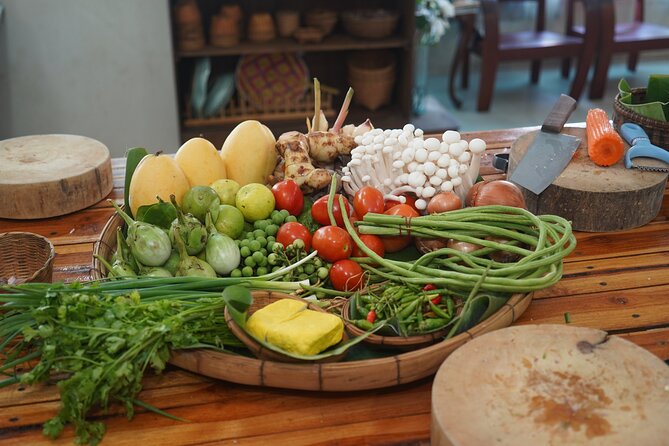
- Ingredients include organic items from their farm and local sources.
- The program adapts for vegetarian needs and food allergies.
- You get spice customization, so your food matches your comfort level.
- It’s about 4.5 hours, which gives time to learn instead of rushing.
When a class includes adaptation for diets and spice levels, I treat that as a quality signal. It means the staff is planning beyond a one-size-fits-all recipe. That’s the part you feel during the lesson, not just on paper.
Practical Tips That Will Make Your Class Easier
These are the small moves that help cooking classes go smoothly:
- Decide your spice comfort level ahead of time. If you know you like Thai heat, say it. If you don’t, ask for a lower spice setting.
- If you have allergies, be ready to explain what you avoid. The program states substitutions and adjustments are available, but your clarity helps them do it correctly.
- Bring a mindset of tasting and adjusting. Thai cooking is about balance. If something feels too salty or too sour for you, you’ll likely be able to adjust to your preference during the experience.
Who This Cooking Class Suits Best
This class is a strong match if you:
- Want Thai cooking you can repeat at home
- Like hands-on learning rather than watching
- Appreciate small groups and more instructor attention
- Need vegetarian options or allergy accommodations
- Want spice control that fits your comfort level
It may be less ideal if you’re mainly looking for sightseeing. Since it’s indoor kitchen and dining-focused, the value is in cooking instruction and meals—not outdoor experiences.
Should You Book It?
I’d book this class if you want an efficient, food-first way to learn Thai cooking in Chiang Mai. The small group size, the hands-on format, and the explicit support for spice control plus vegetarian/allergy needs make it feel practical, not generic.
If you’re the type who loves one strong activity instead of a long checklist, this fits nicely. You’ll leave with meals you made yourself and skills you can bring home—especially if you choose dishes like Pad Thai and Tom Kha Gai that represent Thai flavor logic well.
FAQ
FAQ
What is the duration of the Half Day Guided Thai Cooking Class in Chiang Mai?
The class lasts approximately 4 hours 30 minutes.
How much does the class cost?
The price is $29.
Is pickup available from my hotel area?
Pickup is offered. Availability and details aren’t listed here, but it is part of the experience options.
How many people are in the class?
The class size is small, with a maximum of 8 travelers.
Do they provide vegetarian options or handle food allergies?
Yes. The school caters to vegetarians and food allergies, offering substitutions and adjusting seasonings.
Can I choose my spice level?
Yes. You can customize spice levels according to your preferences.
Where does the class start and end?
The meeting point is BaanThai Cookery School, 9 Prapokklao Rd. Lane 9, ตำบล พระสิงห์ Mueng, เชียงใหม่ 50200, Thailand. The activity ends back at the meeting point.
What’s the cancellation policy?
Free cancellation is available. You can cancel up to 24 hours in advance for a full refund, and changes within 24 hours aren’t accepted.