REVIEW · CHIANG MAI
Half-Day Thai Cooking Class and Market Tour From Chiang Mai
Book on Viator →Operated by Oh-Hoo · Bookable on Viator
Hot spice or mild? Either way, you eat well.
This half-day class pairs a quick Chiang Mai market walk with hands-on cooking in an open-air setup, so you learn ingredients and then use them right away. I like that you’re not stuck watching. You cook at your own station, and you get a recipe book to take home. One thing to consider: the experience includes a market component, and there has been at least one case of that part not going as planned, so it’s smart to confirm expectations when you book.
The big win here is how practical it feels for first-timers. You choose from classic dishes like Pad Thai, Khao Soi, and Mango sticky rice, then get simple guidance you can actually repeat later. The potential drawback is also practical: it’s a 4-hour format with a max group size, so you’ll want to ask questions early if you’re hoping to learn very specific substitutions.
In This Review
- Key highlights (what makes it worth your time)
- Market-to-kitchen in the right part of Chiang Mai: Tha Phae Gate and pickup
- The 20–30 minute market walk: how you learn Thai ingredients fast
- Open-air cooking at a private house: your station, your pace, and real food skills
- Choose your dishes: the menu options and what each category teaches
- Stir-fry
- Appetizers
- Soup
- Curry
- Dessert
- Spice levels, vegan/vegetarian needs, and how the teacher helps you adjust
- The meal you make: lunch or dinner that tastes like your work
- Timing, transport, and the comfort stuff that matters in 4 hours
- Price and value: is $34.47 a smart deal for this kind of Thai class?
- Watch-outs: when the market time or recipes don’t go smoothly
- Who should book this cooking class (and who might skip it)?
- Should you book this half-day Thai Cooking Class in Chiang Mai?
- FAQ
- How long is the Chiang Mai Thai Cooking Class and Market Tour?
- Is pickup offered?
- Where does the tour start?
- Do you visit a market before cooking?
- How many dishes will I cook?
- Can I make the dishes mild instead of spicy?
- Is this class suitable for vegans or vegetarians?
- What Thai dishes are available to choose from?
- Who teaches the cooking?
- Is there a recipe book?
- What if weather is bad?
Key highlights (what makes it worth your time)
- Market stop first: a short lesson on herbs, vegetables, and spices before you cook.
- Open-air private kitchen: your own cooking station, not a lecture hall.
- Choose your menu: 5 dishes from stir-fry, curry, soup, appetizers, and dessert categories.
- Customizable heat and diets: spicy or mild options, plus vegan/vegetarian-friendly choices.
- Small group size: capped at 8 travelers for more hands-on time.
- Take-home recipes: a recipe book so you can recreate the flavors.
Market-to-kitchen in the right part of Chiang Mai: Tha Phae Gate and pickup
This tour anchors itself around one of the city’s easiest landmarks to find: Tha Phae Gate. You start there, and you end back at the meeting point. That sounds simple, and it is. If you’re staying near the downtown area, you won’t feel like you’re crossing half the province just to cook some food.
You may also get pickup from your accommodation within about 3 kilometers of Chiang Mai downtown. That’s a nice touch because the class includes multiple segments (market, cooking, eating), and you don’t want to waste time fighting tuk-tuks or buses. If your hotel is farther out, you’ll likely rely on the meeting point instead, so keep an eye on your local map before booking.
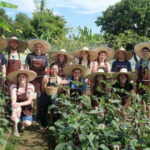
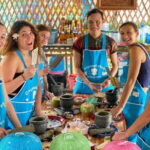
Group size is capped at 8, which matters more than it sounds. In a small group, the teacher can keep track of who’s chopping, who’s stirring, and who needs the next step explained again. In Thai cooking, timing is everything, so this helps your dishes come out closer to what you expect.
You can also read our reviews of more tours and experiences in Chiang Mai.
The 20–30 minute market walk: how you learn Thai ingredients fast
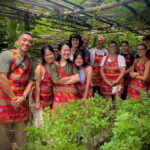
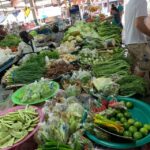
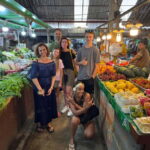
Before you cook, you head to a local Thai market for a quick 20–30 minute orientation. The goal isn’t to turn you into a full-time produce hunter. It’s to help you recognize the ingredients that show up again and again in Thai food—herbs, vegetables, and spices—so the rest of the day makes sense.
Here’s what I like about this structure. You’re not learning ingredients in a vacuum. Once you see the setup, the cooking part gets easier. Thai flavors are built from a few key moving pieces (like aromatics and spice pastes), and seeing the real products helps you understand what you’re actually aiming for.
Two practical tips if you want this market segment to actually help you at home:
- Look for items tied to the dish you’ll cook (for example, curry pastes and herbs), and pay attention to how the ingredients are described.
- When the teacher offers substitutions, jot them down immediately. You’ll thank yourself later when you’re standing in a home-country store trying to remember what replaces what.
One caution: because the market stop is a big part of the appeal, make sure your day’s schedule clearly includes it. There has been at least one reported situation where that market portion didn’t happen as expected, so treat it as an essential feature of the experience, not a bonus.
Open-air cooking at a private house: your station, your pace, and real food skills
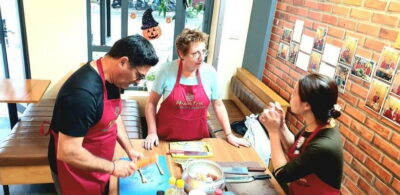
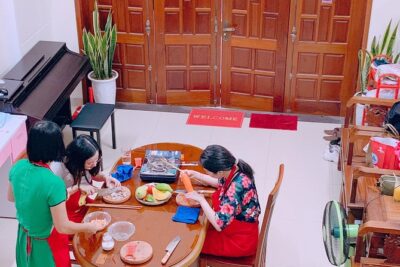
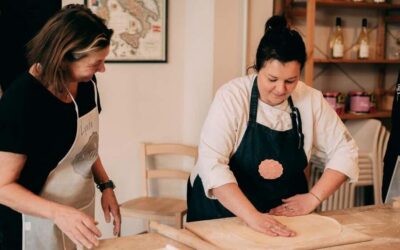
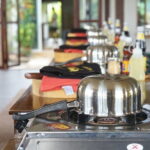
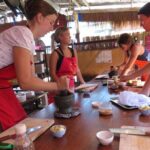
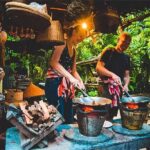
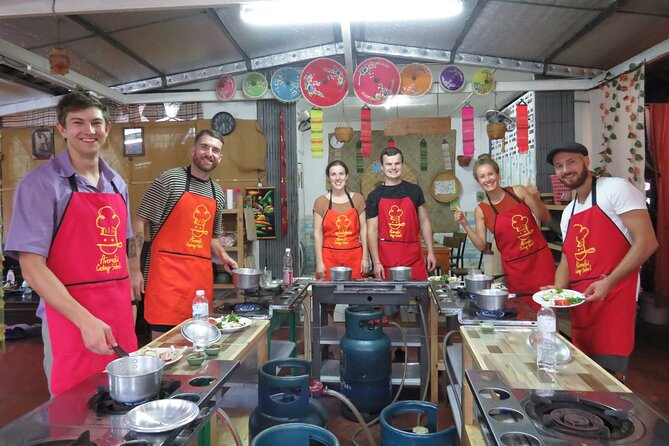
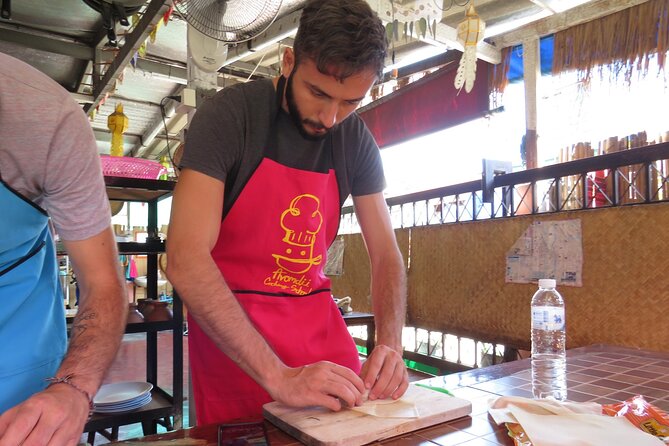
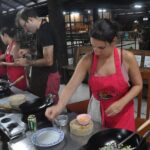
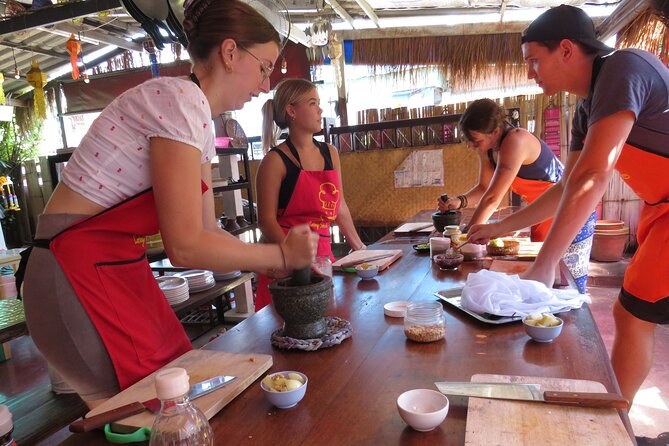
After the market, you move to a private house cooking space with an open-air kitchen. This is where the day shifts from “learning Thai ingredients” to “doing Thai cooking.” You’ll cook 5 dishes, and the format is designed so you have your own station rather than sharing everything with the group.
That matters for two reasons:
- You get hands-on practice with the techniques that actually create Thai flavor.
- You’ll spend less time waiting and more time tasting and adjusting.
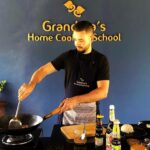
The class is taught by a certified Thai teacher, with step-by-step guidance dish by dish. One name that comes up strongly in feedback is Apple (Mr. Chang), praised for giving individual instruction as you go. That kind of coaching is the difference between cooking something that’s just edible and cooking something that tastes like the Thai dishes you came for.
Also, the cooking includes a “make it work at home” mindset. You’re guided with tips on finding Thai ingredients and, when needed, making substitutions. That’s the part that helps long after the class is over—especially if you’re not living near a big Asian grocery.
Choose your dishes: the menu options and what each category teaches
You can choose 5 dishes from a menu divided into these categories. Your selection is the fastest way to tailor the experience to your comfort level—like picking familiar flavors if you’re nervous, or going bold if you’re ready.
Stir-fry
- Pad Thai
- Fried cashew nuts
- Pad see ew
- Fried rice
Stir-fry teaches timing. Thai stir-fry is quick, and the “order of operations” can make or break the texture. If you’ve ever made rice noodles that turn out gummy, you’ll appreciate learning how Thai cooks manage heat and timing.

Appetizers
- Papaya salad
- Fresh spring rolls
- Fried spring rolls
Papaya salad is a strong way to learn Thai balance—sour, salty, sweet, and heat—without needing complicated equipment. Spring rolls are a good “technique” dish: wrapping and texture matter.
Soup
- Hot & Sour soup prawns
- Hot & Spicy soup chicken
- Chicken coconut soup
Soup is where Thai cooking shows its depth. Coconut-based soup (like chicken coconut soup) helps you understand how creamy texture and aromatic seasoning work together, while hot & sour styles teach how Thai cooks build flavor fast.
Curry
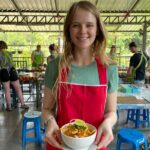
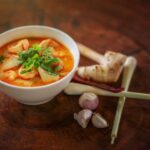
- Khao soi
- Green curry
- Red curry
- Massaman curry
If curries are your reason for coming, this is one of the best categories. These dishes rely on spice pastes and specific aromatics, and learning how to make them work in a pot is a practical skill. Khao soi is especially memorable because it has that distinct noodle + curry profile.
Dessert
- Deep-fried bananas
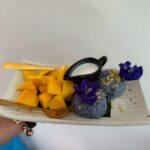
- Mango sticky rice
Dessert is also a useful skill check. Sweet dishes can be easier to get wrong than you think, and mango sticky rice helps you understand how Thai sweetness and coconut flavor balance out.
A small note: in one feedback story, someone described choosing four dishes to make and eat. The official structure says 5 dishes, so consider that the exact “hands-on portions” can vary slightly by how the class runs. Either way, you’ll still be cooking multiple dishes from across these categories.
Spice levels, vegan/vegetarian needs, and how the teacher helps you adjust
Thai cooking is flexible. You’re told that the dishes can be adapted to be spicy or mild, and vegan and vegetarian options are welcome. That’s a big deal if you’re traveling with dietary needs or if you just don’t want your mouth on fire after the market walk.
Here’s the practical angle: Thai recipes often depend on building flavor first, then dialing the heat and seasoning second. If you’re making a mild version, you still want the aroma and depth. Ask how the teacher handles that. You’ll leave with more than just a recipe—you’ll understand what to adjust at home.
Also, the class includes tips for finding Thai ingredients or substituting them back in your country. That’s important because many Thai ingredients aren’t one-for-one swaps. In a good class, substitutions aren’t just “use whatever.” They’re chosen to preserve the taste profile.
The meal you make: lunch or dinner that tastes like your work
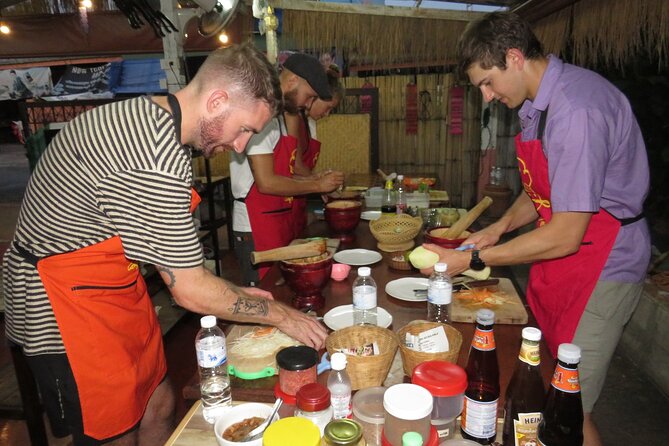
At the end of the lesson, you eat what you cooked—either a Thai lunch or a Thai dinner, depending on the session you book. This isn’t a side snack. It’s the payoff for the hours of chopping, stirring, and learning how Thai seasoning behaves.
Because you cook 5 dishes, you should expect a meal with multiple components, not just one main plate. That variety is one reason this tour is popular: you’ll get a mini tour of Thai flavors in a single afternoon.
And yes, you get take-home materials. You receive a recipe book so you can recreate the dishes later. One practical lesson from feedback: having a written guide is useful, and if you want a digital copy too, it’s worth asking during the class so you’re not stuck later trying to recreate notes from memory.
Timing, transport, and the comfort stuff that matters in 4 hours
The class runs about 4 hours. It’s long enough to do serious cooking, but short enough that it doesn’t eat your whole day in Chiang Mai.
You’ll start from Tha Phae Gate, then go to the market (about 20–30 minutes), then cook in the open-air kitchen and eat. Because it’s compact, logistics matter. The pickup option within 3 kilometers of downtown helps, but even without pickup, the meeting point location is central and easy to reach.
The tour also notes that it requires good weather. Since the kitchen is open-air, expect the operator to plan around conditions. If the weather turns, you should be ready for a reschedule or refund offer.
Price and value: is $34.47 a smart deal for this kind of Thai class?
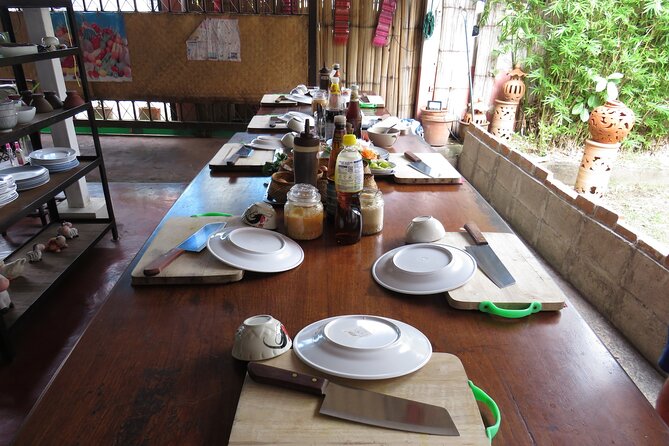
At $34.47 per person for roughly 4 hours, this is priced as an entry-to-midrange cooking class, with the key difference that you’re doing more than cooking. You’re also doing a market stop and learning how ingredients connect to recipes.
Here’s what you’re getting for your money:
- Market orientation (20–30 minutes)
- Cooking 5 dishes with an instructor
- Open-air private-house kitchen and a personal station
- Lunch or dinner made by you
- A recipe book
- Pickup (for hotels within about 3 km), plus small group size (max 8)
If you compare this to paying separately for market snacks, a Thai cooking workshop, and ingredients, the value starts to make sense. The real question is whether you care about the market and the variety of dishes. If you do, the price feels fair. If you only want one signature dish, you might find cheaper options that focus on that.
Watch-outs: when the market time or recipes don’t go smoothly
Because the overall rating is modest, it’s smart to be a little picky before you go. One bad experience described issues with the market visit and the teacher not showing as expected. That’s not something you can fully control as a customer, but you can reduce your risk by confirming the day’s schedule before you start—especially if the market stop is your main reason for booking.
There’s also a smaller issue in feedback about recipes not being received by email. The tour includes a recipe book at the end, but if you want an extra digital version, ask if they can send it (or confirm what they provide and when).
For most people, this kind of class works well. But when food tours depend on timing (market first, then cooking), you don’t want surprises. I’d treat your confirmation message as a checklist and ask one simple question at the start: Will the market visit happen on my schedule as described?
Who should book this cooking class (and who might skip it)?
This is a strong fit if:
- You want a hands-on Thai cooking class instead of a lecture.
- You like learning the “why” behind Thai flavors (herbs, vegetables, spices, substitutions).
- You want variety: stir-fry, curry, soup, appetizers, and dessert in one session.
- You’re traveling with someone who enjoys food and wants a memorable meal they helped make.
You might skip or reconsider if:
- The market portion is your make-or-break feature and you can’t handle any schedule changes.
- You’re looking for a deep, slow class focused on only one dish type.
Should you book this half-day Thai Cooking Class in Chiang Mai?
I’d book it if you want practical skills and multiple dishes in one afternoon. The market-to-kitchen flow is smart, and the open-air, small-group setup gives you the best chance to cook rather than just watch.
Just go in with the right expectations: this is an active 4-hour session, not a long, leisurely culinary tour. If market time and getting clear recipe info are crucial to you, confirm those details ahead of arrival, and ask questions early once you’re with the teacher.
If you’re flexible and hungry for real Thai comfort food basics—Pad Thai, curry, soups, and dessert—this class is a good way to take Chiang Mai flavors home with you.
FAQ
How long is the Chiang Mai Thai Cooking Class and Market Tour?
It runs for about 4 hours.
Is pickup offered?
Yes, pickup is offered from accommodations within about 3 kilometers of Chiang Mai downtown.
Where does the tour start?
The start location is Tha Phae Gate on Tha Phae Road.
Do you visit a market before cooking?
Yes. You visit a local Thai market for about 20–30 minutes to learn about herbs, vegetables, and spices.
How many dishes will I cook?
You will cook 5 dishes, and you can choose which ones from the listed categories.
Can I make the dishes mild instead of spicy?
Yes. All dishes can be adapted to be spicy or mild.
Is this class suitable for vegans or vegetarians?
Yes. Vegan and vegetarian options are welcome.
What Thai dishes are available to choose from?
You can choose from stir-fry (Pad Thai, Pad see ew, fried rice, fried cashew nuts), appetizers (papaya salad, fresh spring rolls, fried spring rolls), soups (hot & sour soup prawns, hot & spicy soup chicken, chicken coconut soup), curry (Khao soi, green curry, red curry, Massaman curry), and desserts (deep-fried bananas, mango sticky rice).
Who teaches the cooking?
A certified Thai teacher provides instructions and guidance during the cooking session.
Is there a recipe book?
Yes. You receive a recipe book at the end of the lesson.
What if weather is bad?
This experience requires good weather. If it’s canceled due to poor weather, you’ll be offered a different date or a full refund.