REVIEW · CHIANG MAI
Traditional Northern Home Cooking Experience with Raunkaew Yanon Family
Book on Viator →Operated by Idaytrip · Bookable on Viator
Cook in a Lanna family kitchen. This Chiang Mai session with the Raunkaew-Yanon family is special because you start with backyard-ingredient picking and get a flowers-and-drinks welcome before you cook. It’s not just recipes; it’s how a Northern Thai family lives and shares food, herbs, and stories.
One heads-up: this is out in Hangdong (not in the Old City), and the booking requires a minimum of two people. If you’re solo, you may need to team up with others or check how the operator handles minimums.
You also choose your timing, lunch or dinner, and the meal is part of the 4-hour plan. Expect lessons on local culture and everyday routines, with ingredient shopping happening right from the family orchard and garden.
In This Review
- Key highlights before you go
- A Lanna teak house in Hangdong: what this visit really is
- Where the tour begins: pickup, greeting, and meeting your host
- Orchard-to-kitchen ingredients: the part you’ll remember
- The 4-hour itinerary flow: what to expect hour by hour
- Cooking Northern Thai food the family style way (lunch or dinner)
- Culture lessons you can carry home: Lanna life, herbs, and daily routines
- Professional guide + local insurance: the comfort factor
- Price and value: what you’re really paying for ($100.16 per person)
- Who this home cooking class suits best (and who might skip)
- Should you book this Raunkaew-Yanon family cooking experience?
- FAQ
- How long is the cooking experience?
- Where does the tour take place?
- Is hotel pickup and drop-off included?
- Do I choose lunch or dinner?
- Is this tour private?
- Is there a minimum number of people to book?
- What if I have dietary requirements?
- What is the cancellation policy?
Key highlights before you go
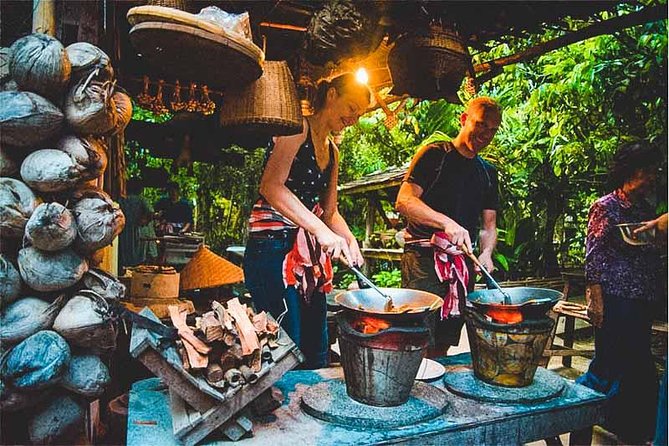
- Raunkaew-Yanon family home visit in Hangdong, with a traditional wooden house feel
- Flowers-and-drinks welcome to set a friendly, family-like tone
- Backyard garden ingredient picking, so you cook what you helped gather
- Orchard walk with many types of fruit before you move into cooking
- Northern Thai flavors you won’t get from a cookie-cutter class
A Lanna teak house in Hangdong: what this visit really is
This isn’t a big showroom cooking class. You’re going to a real home in the Bandoo area of Hangdong district, south of central Chiang Mai. The setting matters because it shapes the mood: you arrive, you meet the family, and you settle into their rhythms before any chopping starts.
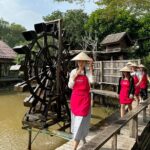
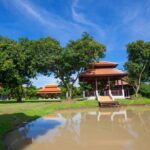
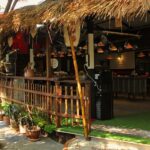
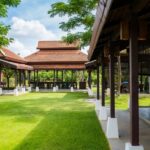
The home itself is part of the experience. It’s described as a traditional teak wood house, plus a rice barn that’s said to carry history and interesting facts. If you’re the type who likes travel that feels grounded in daily life instead of staged tourism, this format usually lands well.
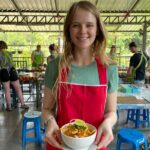
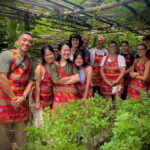
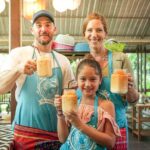
From the start, the tone is warm and personal. You’ll be met with flowers and drinks, then shown around the house and told about local ways of living. That family attention is a big reason this type of cooking session feels different from a standard “follow the instructor” model.
You can also read our reviews of more tours and experiences in Chiang Mai.
Where the tour begins: pickup, greeting, and meeting your host
Pickup is offered, and you’ll be picked up and dropped off at your hotel/starting point. The goal is simple: reduce friction so you spend your energy on the cooking and culture, not on navigation.
Once you leave Chiang Mai city, you head toward Hangdong. You’ll start with that welcome moment, then get a tour of the property. The host also walks you through local culture and day-to-day living, which matters because Northern Thai cooking is closely tied to how people shop, grow, preserve, and eat.
One detail I appreciate here is how the family frames the home. They connect the living space and natural surroundings with tradition, which is described as something now rarely seen in Chiang Mai. Even if you’re just there for dinner, you’ll likely leave with a clearer picture of what “Lanna way of life” means in practice.
Orchard-to-kitchen ingredients: the part you’ll remember
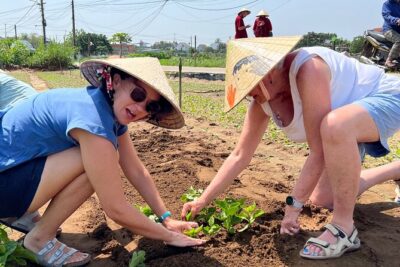
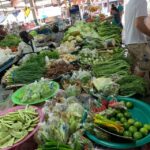
The ingredient step is one of the most praised pieces of this experience, and with good reason. Before you cook, you’ll pick ingredients from the backyard garden. That means your meal isn’t just something you order at a restaurant or recreate from a printed recipe.
You’ll also take a walk in the family-owned orchard, with many types of fruit. You’re not stuck inside for the whole session. This matters for two reasons:
- You get context for the flavors you’ll taste later.
- You get a break from kitchen intensity so the cooking feels like a natural next step.
The family’s natural surroundings are described as maintained traditionally. That sets expectations: you’re visiting a working home environment, not a polished kitchen studio. If you’re okay with that reality, you’ll probably enjoy how relaxed it feels once you’re in the garden and then in the meal-making process.
And because the ingredients come from their own space, you’ll be less likely to think of the cooking class as a generic “Northern Thai” checklist. Instead, it becomes their version of the cuisine—what they grow and how they use it.
The 4-hour itinerary flow: what to expect hour by hour
The total time is about 4 hours. That includes the house visit, orchard/garden time, cooking, and eating. Since pickup and travel are part of the plan, it helps to treat the session like a half-day outing, not a quick cooking workshop.
Here’s the realistic flow you can expect:
- Hotel pickup and drive to Hangdong
You’ll leave the city and head south to Bandoo in Hangdong district.
- Warm welcome at the home
Flowers and drinks, then a tour of the teak house and rice barn.
- Orchard walk
A family-owned orchard with many types of fruit.
- Backyard garden ingredient picking
You gather items for your cooking lesson.
- Cooking lesson and taste
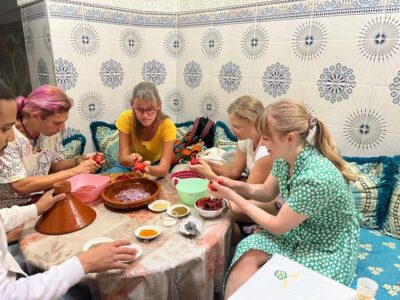
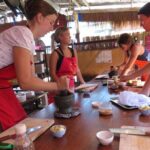
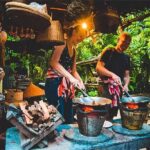
You cook an authentic local recipe with Northern Thai flavor style.
- Meal (lunch or dinner)
You eat what you make during the session.
The upside of this structure is that you’re not rushing from one disconnected activity to another. The cooking feels anchored in the earlier steps—especially the ingredient picking—so the whole experience hangs together.
Cooking Northern Thai food the family style way (lunch or dinner)
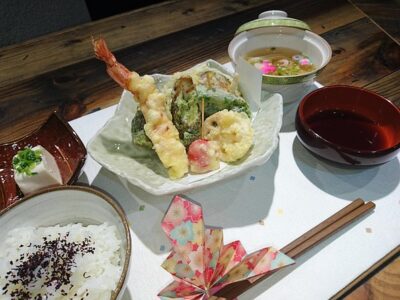
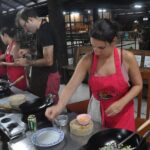
You get a choice between lunch and dinner, and the meal is included as part of the session. I like this flexibility because Northern Thai cooking can work well either way: lunch if you want a cultural afternoon reset, dinner if you want an evening meal that feels like an event.
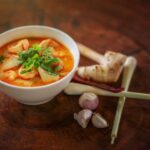
The class goal is authentic local flavor—specifically Northern Thailand tastes you typically won’t find in commercial cooking classes. That phrase matters. Many cooking classes teach a simplified version of dishes. Here, the point is that you’ll cook and taste a local recipe tied to the family’s everyday food knowledge.
You’ll also learn about local herbs. The exact herb list isn’t given in the tour details, but herb knowledge is part of the learning promise. In practice, that usually means the guide and host explain what plants are used, why they matter, and how they change the taste profile. If you like cooking with more than just salt and heat, this is the kind of lesson that can actually stick with you after you go home.
One practical note: since you’re picking ingredients outdoors and then cooking, you should expect some hands-on mess potential. Pack clothes you don’t mind getting a little kitchen-dust or garden dirt on. (This is the only “wear-and-tear” consideration I’d plan for.)
Culture lessons you can carry home: Lanna life, herbs, and daily routines
This tour isn’t framed as a history lecture, but it does include culture education. You’ll get an explanation of local culture and the way of living, plus details about traditional building and maintaining natural surroundings.
The family is Lanna, and the home story includes how the family arrived in the area possibly by elephant-back about 150 years ago. That kind of story doesn’t just add color. It helps you understand why people value certain traditions and landscapes even when city life changes around them.
You’ll also get perspective on how herbs and cooking connect to daily routines. When a class includes ingredient gathering and herb explanation, it stops being “cook this dish.” It becomes “understand how people make meals here.”
If you’re trying to balance Chiang Mai sightseeing with something more meaningful than temples and markets, this is a strong option. You’ll come away with a new lens for food across the region, not just a souvenir meal photo.
Professional guide + local insurance: the comfort factor
You’ll have a professional guide with you. That matters because family-led experiences can be more personal than polished, and a guide helps translate both language and context.
Local insurance is included as well. I always treat that as a baseline “peace of mind” detail. It doesn’t guarantee you’ll have a problem-free day, but it signals the operator takes traveler safety seriously enough to include coverage.
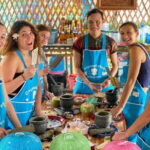
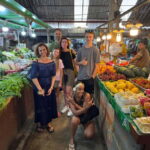
Also, this is described as a private tour/activity. Only your group participates. That’s a big deal if you want a calmer pace or you don’t want a loud group cutting through the family conversation. It also tends to make questions easier, especially when you’re trying to understand the culture behind the cooking.
Price and value: what you’re really paying for ($100.16 per person)
At $100.16 per person for about 4 hours, the biggest question is value. Here’s how I’d judge it fairly based on what’s included.
You’re paying for:
- Hotel pickup and drop-off
- A professional guide
- Local insurance
- A meal tied to your lunch/dinner choice
- The experience of cooking with a family host, plus orchard and backyard garden ingredient picking
Many cooking classes in Chiang Mai charge similarly but focus mostly on instruction in a commercial kitchen. This one adds a home visit element: traditional teak wood house, rice barn context, and the orchard/garden portion. Those aren’t add-ons; they shape what you do from start to finish.
There’s also mention of group discounts and a mobile ticket. Even if you’re booking as a single party, those details suggest the operator is set up for flexible group sizes.
The one value trade-off to consider: since it’s a minimum of 2 people per booking, solo travelers may pay a higher effective cost or have fewer options. If you’re traveling with a partner or a small group, the experience usually fits the price better because you’re getting a full family-style session, not a hurried squeeze-in.
Who this home cooking class suits best (and who might skip)
This works especially well if you:
- Want a more local, less scripted Chiang Mai activity
- Like learning how people actually live, not just what they sell
- Prefer a smaller, more personal setting (private group)
- Enjoy cooking that includes ingredient context and herbs
It may not be the best match if you:
- Want a purely restaurant-style cooking demo with little interaction
This tour includes house and garden time, plus cultural explanations.
- Are a solo traveler who can’t meet the minimum two people requirement
If you don’t have a second person to travel with, check how the operator handles minimums.
- Have very specific dietary needs and need strict guarantees
Dietary requirements can be advised at booking, but the details you’ll need should be confirmed early.
Should you book this Raunkaew-Yanon family cooking experience?
If your idea of a great Chiang Mai day is grounded in a real home, not a performance kitchen, I think you’ll be happy with this. The strongest reason to book is the combination of family-hosted culture and ingredient picking from the backyard garden. That’s the difference between a meal you enjoyed and a meal you understand.
I’d book it if you’re traveling with someone and can meet the minimum of two. Pick lunch or dinner based on your energy and plans, and plan for a half-day outing outside the city center.
If you want, tell me your travel dates and whether you’re choosing lunch or dinner, and I can suggest how to slot this into a Chiang Mai itinerary without making your day feel rushed.
FAQ
How long is the cooking experience?
It runs for about 4 hours.
Where does the tour take place?
You’ll be picked up in Chiang Mai city and then driven south to Bandoo in Hangdong district for the home visit.
Is hotel pickup and drop-off included?
Yes. Hotel pickup and drop-off are included.
Do I choose lunch or dinner?
Yes. You can choose between lunch and dinner for the session.
Is this tour private?
Yes. Only your group participates.
Is there a minimum number of people to book?
Yes. A minimum of 2 people per booking is required.
What if I have dietary requirements?
You should advise any specific dietary requirements at the time of booking.
What is the cancellation policy?
Cancellation is free. You can cancel up to 24 hours in advance for a full refund.