REVIEW · CHIANG MAI
Half Day Chiang Mai Cooking Class and Market Taste Tour
Book on Viator →Operated by Oh-Hoo · Bookable on Viator
Food lessons start at the market. This half-day Chiang Mai experience mixes a local market taste tour with a chef-led cooking class, with morning or afternoon sessions and pickup options. You’ll end back near where you start, so it feels easy on your schedule.
I like two things most: the way you learn by tasting and shopping first, then applying it right away in the kitchen, and the friendly, small-group feel. In past sessions, instructors such as Lek (the restaurant owner and teacher) and assistants like Lily and Jessica have helped keep the class clear and fun while you cook and eat.
One consideration: market time moves fast, and if your English is limited, it can be harder to ask questions while you browse and sample. If you want deep explanations on every ingredient, come with a short list of questions before you get going.
In This Review
- Key highlights at a glance
- Why this Chiang Mai market-to-kitchen format makes sense
- Meeting at Coconut Shell Thai Food, plus pickup in the right radius
- The market taste tour: what you’re really looking for
- Cooking class structure: five dishes, taught step-by-step
- What you’ll eat (and why the tasting time is part of the lesson)
- Group size, pacing, and language reality checks
- Vegetarian needs and dietary flexibility without fuss
- Non-cooking participants: allowed, but plan for the added cost
- Price and value: what $33.81 actually buys you
- Weather and minimum group size: what to watch before you schedule
- Who this cooking class is best for
- Should you book this Half Day Chiang Mai Cooking Class and Market Taste Tour?
- FAQ
- How long is the Half Day Chiang Mai Cooking Class and Market Taste Tour?
- Is pickup included?
- What dishes will I learn to cook?
- Are there vegetarian options?
- Can non-cooking guests join?
- What should I eat before the class?
- Can I cancel for a full refund?
Key highlights at a glance
- Market tastings first: You’ll sample street food and spot key Thai ingredients before you cook.
- Cook 5 classic dishes: A full, practical class built around chopping, stirring, and seasoning.
- Small group (max 10): You’re not lost in a crowd, and you can actually watch and follow.
- Vegetarian-friendly menus: There are 5 menus with vegetarian options, plus flexibility for other restrictions.
- Recipes after class: You get recipes and pictures by email and/or WhatsApp.
Why this Chiang Mai market-to-kitchen format makes sense
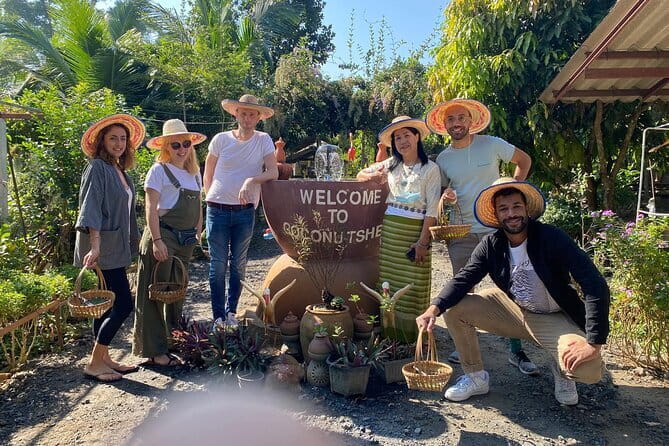
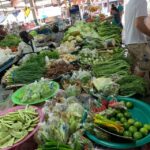
If you’ve ever taken a cooking class that teaches steps but skips the ingredients, this is the fix. You start in the market where Thai cooking really begins: herbs, vegetables, aromatics, sauces, and the kinds of curry pastes and seasonings people use every day.
Then you move directly into the kitchen portion and cook five dishes using what you saw. That order matters. It helps you connect names to smells, textures, and flavor roles. When you later try to remake dishes at home, you’re not guessing where the flavor came from.
Timing is also practical. The whole experience runs about 3 hours, and you can choose a morning or afternoon session. That’s perfect for couples who want one “special” activity without losing a full day, and for families who still want time to explore Chiang Mai afterward.
You can also read our reviews of more tours and experiences in Chiang Mai.
Meeting at Coconut Shell Thai Food, plus pickup in the right radius
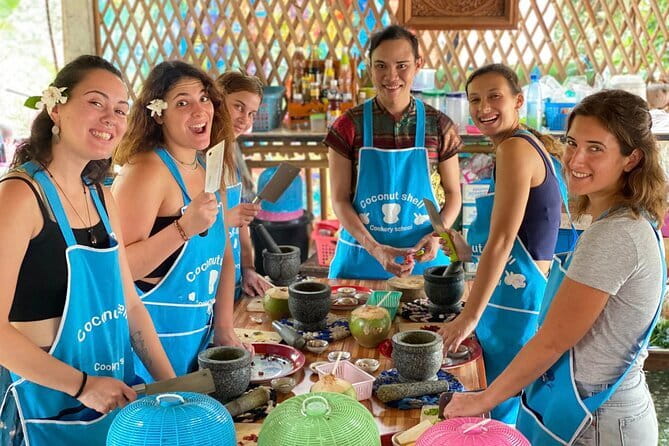
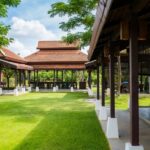
You’ll meet at Coconut Shell Thai Food, located at 42/4 Ratchamanka Rd in the Phra Sing area. Your activity ends back at the meeting point, so you’re not dealing with drop-offs across town.
Pickup is included, but only within a 5 km radius of the Coconut Shell Restaurant. If your hotel is farther out, you’ll likely need to make your own way to the meeting point. The area is also described as near public transportation, which helps if you’re navigating on your own.
You’ll receive a mobile ticket, and you can go in with less paperwork stress. It’s also good to know you’re joining a group that can be small: cooking classes are capped at 10 guests maximum per session.
The market taste tour: what you’re really looking for
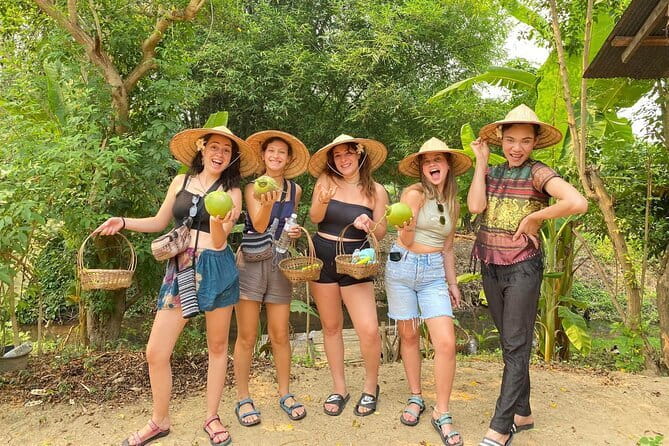
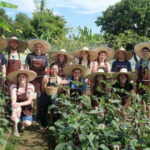
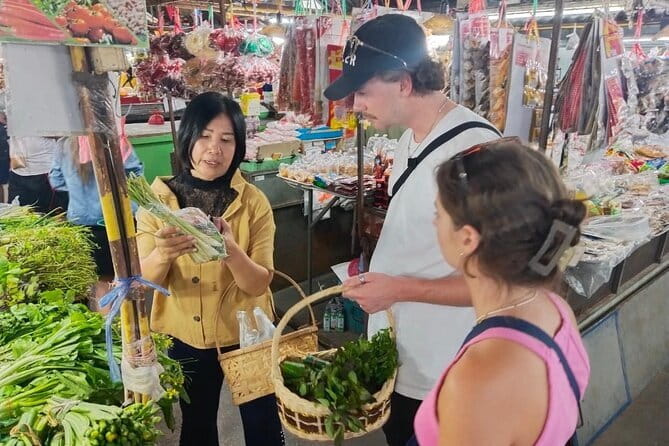
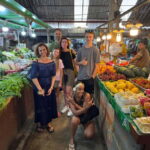
The market portion isn’t just a stroll. It’s built around learning what makes Thai food taste like Thai food. You’ll browse for ingredients you’ll later cook with, and you’ll do it with a chef and instructor guidance.
Here’s the practical part. In Thai cooking, the flavor often comes from combinations, not single ingredients. Markets are where you learn:
- which herbs are used fresh versus added for aroma,
- how vegetables are cut and handled (not just what they are),
- what curry paste style you’re looking for,
- and how street snacks signal what flavors are meant to pop.
You’ll also sample authentic street food. That matters more than it sounds, because you’ll taste the final result before you cook it yourself. Even if you’re not a “foodie,” it gives you a baseline for what you should aim for when the kitchen portion starts.
A small heads-up: market questions are easiest if you slow down for a moment. If the group is moving quickly, don’t try to ask everything at once. Pick one or two ingredients you want to understand and ask those first.
Cooking class structure: five dishes, taught step-by-step
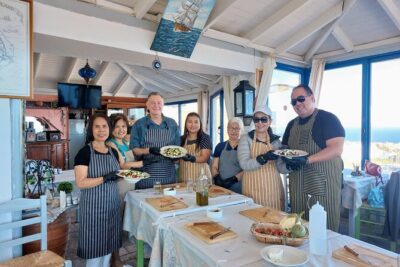
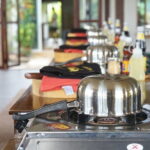
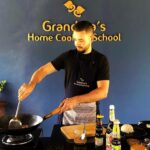
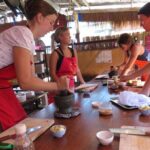
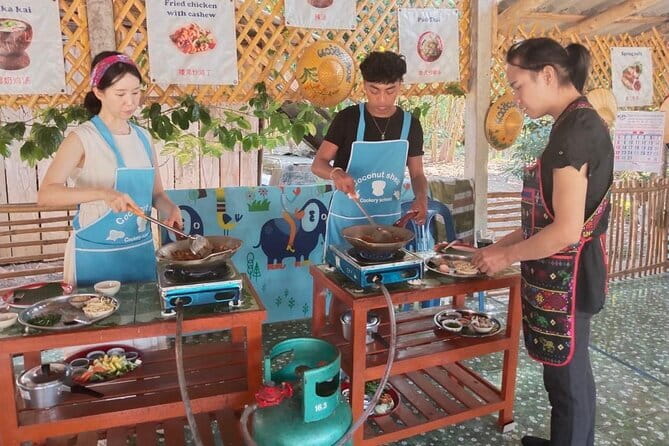
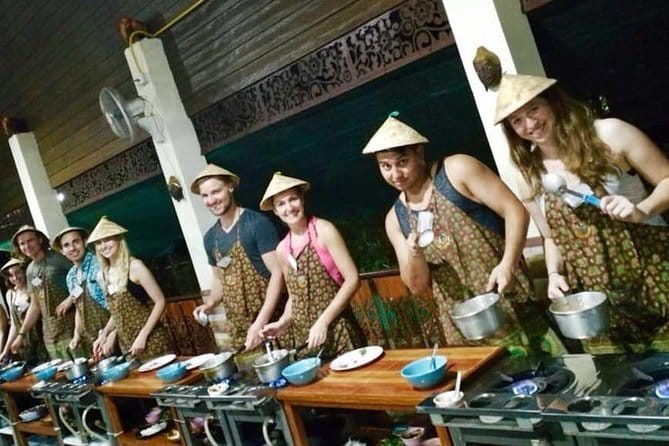
After the market, the main event is the cooking class. An English-speaking instructor leads the session, and you’ll get hands-on guidance as you chop, stir, and season. The experience is designed for both beginners and people who already cook.
The class is based on a menu set that includes:
- Salads: Papaya Salad, Vermicelli Salad, Spicy Minced Pork Salad, Sliced Grilled Chicken Salad
- Stir-fried dishes: Fried chicken with cashew, Sweet and Sour, Stir-Fried Mixed Vegetables, Stir-Fried Basil, Fried Morning Glory
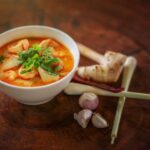
- Soups: Tom Yum Goong, Tom Kha Khai, and Hot and Spicy Soup
- Curry & curry paste items: Green curry, Red curry, Panang curry, and Khao Soi Noodle
- Noodles & rice: Pad Thai, Stir-Fried Noodle, Pad Ki Mao, and Fried Rice
- Desserts: Mango Sticky Rice, Banana in Coconut Milk, and Fried Banana
Even though the menu list is long, you’ll cook five traditional Thai dishes during your session. The exact picks can vary, but you can be sure you’ll get a mix across categories. That makes your “Thailand at home” results more varied, not just five versions of the same sauce.
One of the best parts is that there are vegetarian options built into the menus. The experience states there are 5 menus with vegetarian options, and it also says dietary restrictions can be accommodated. So if you’re vegetarian, gluten-sensitive, or simply avoiding certain ingredients, it’s worth messaging before your session so the instructor can plan.
You’ll also keep energy in mind. The class includes drinking water and snack, and there’s a large portion of food made for cooking and tasting. They recommend a light breakfast, not a heavy one.
What you’ll eat (and why the tasting time is part of the lesson)
This isn’t a “watch and snack” class. You’ll taste food during the market tour, then you’ll eat what you cook in the kitchen portion. The tour is structured around the idea that taste + technique = memory.
In Thailand, spice level and sour-salty balance are crucial. That’s hard to learn from recipes alone. Here, you taste along the way and learn through adjustments: how more lime changes the salad, how curry paste quality affects depth, and how stir-frying timing impacts texture.
After the learning-by-doing session, you get recipes and pictures delivered by email or WhatsApp. That detail helps a lot if you’re the type who cooks by notes. Instead of relying on memory, you’ll have a reference to recreate the flavors at home.
You can also enjoy what you make with the group, and the experience states you can take what you’ve made back to your hotel to enjoy later. That’s a nice perk after a 3-hour activity when you want to keep your evening easy.

Group size, pacing, and language reality checks
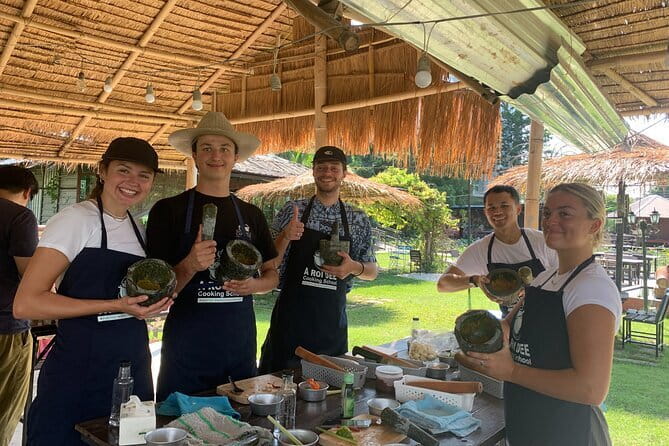
The class is restricted to a maximum of 10 guests per session. That’s the magic number for a cooking class: small enough for the instructor to notice what you’re doing, large enough to create a lively feel without chaos.
Pacing matters here. You’ll be moving between market and kitchen, and you’ll be actively cooking. For people who like structure, this is a good match because you’ll have guidance on what to chop, when to stir, and how to season.
Language is the one part where you should set expectations. The experience is described as English-led, but in real markets the volume is high and questions can pile up. If English is your second language, you’ll still manage well because cooking has visual steps. Still, for the clearest experience, come ready with a couple of questions about the ingredients you care about most.
Vegetarian needs and dietary flexibility without fuss
If you eat vegetarian, this tour is built with you in mind. The menu includes 5 menus with vegetarian option and states that vegetarian and other dietary restrictions can be accommodated.
That doesn’t mean every substitute is identical, but it does mean the experience is meant to work for vegetarian diners rather than pretending it will be the same meal. Before you go, think about what you avoid (meat, fish sauce, eggs, dairy). The more specific you are, the easier it is for the instructor to adjust.
Also note: children and adults are charged the same price, and the experience is recommended for ages 5 and above. So it can work for family cooking time, as long as kids can handle a market environment and a hands-on kitchen.
Non-cooking participants: allowed, but plan for the added cost
If you’re traveling as a family or with friends and not everyone wants to cook, non-cooking participants and children can join the market tour. However, the experience lists a cost not included: 600 THB per person for non-cooking guests.
So if you’re trying to budget, don’t assume the price is fully shared across the group. If someone is only doing the market side, factor in that extra amount.
Price and value: what $33.81 actually buys you
At about $33.81 per person for roughly 3 hours, this class is priced in a way that usually works well for Chiang Mai. The real value isn’t just the cooking. It’s what’s included.
Included items that matter:
- free round-trip transfer within the 5 km radius of the restaurant,
- drinking water and snack,
- ingredients (for the dishes you cook),
- English-speaking instructor guidance,
- free Wi-Fi,
- and recipes plus pictures delivered after class by email or WhatsApp.
You’re also getting a planned menu set that covers multiple Thai categories (salads, stir-fries, soups, curries, noodles, and dessert). Instead of leaving with one dish skill, you’ll typically come home with a broader base.
If you like practical souvenirs, recipes with pictures are genuinely useful. It’s better than collecting a fridge magnet that fades after two weeks.
Weather and minimum group size: what to watch before you schedule
This experience depends on good weather, since it involves a market portion. If it’s canceled due to poor weather, you’ll be offered a different date or a full refund.
It also requires a minimum number of travelers. If that minimum isn’t met, you should expect an alternative date/experience or a refund.
The upside is that the tour allows free cancellation up to 24 hours before the start time for a full refund, based on local Chiang Mai time.
Who this cooking class is best for
This is a strong pick if you want:
- a focused half-day activity in Chiang Mai,
- a class that teaches by doing, not just watching,
- and a market connection so ingredients make sense.
It’s especially good for families who want a structured way to do Thai culture, and for couples who want a memorable food experience without turning it into an all-day affair.
If you’re short on time but still want a real skills-based souvenir, you’ll likely like this format.
Should you book this Half Day Chiang Mai Cooking Class and Market Taste Tour?
Book it if you want a practical cooking skill set backed by market ingredient context, and if you’ll actually use the recipes afterward. The mix of five cooked dishes, vegetarian options, and recipe delivery makes it feel like more than a simple activity.
Skip or choose carefully if your group has lots of non-cooking participants, since the market-only fee is 600 THB per person for non-cookers. Also, if you’re hoping for a lot of quiet, in-depth explanation at every market stop, plan to ask your best questions efficiently, since the market portion can move quickly.
FAQ
How long is the Half Day Chiang Mai Cooking Class and Market Taste Tour?
The experience is about 3 hours.
Is pickup included?
Yes, there is free round-trip transfer within a 5 km radius of the Coconut Shell Restaurant.
What dishes will I learn to cook?
You’ll cook five classic Thai dishes. The session menu covers items like Papaya Salad, Tom Yum Goong, Tom Kha Khai, green curry, red curry, Panang curry, Khao Soi Noodle, Pad Thai, and desserts like Mango Sticky Rice.
Are there vegetarian options?
Yes. The experience includes 5 menus with vegetarian options, and vegetarian plus other dietary restrictions can be accommodated.
Can non-cooking guests join?
Non-cooking participants can join the market tour. A fee of 600 THB per person for non-cooking guests is not included in the tour price.
What should I eat before the class?
They recommend a light breakfast, since a large meal is provided for cooking and tasting.
Can I cancel for a full refund?
Yes. You can cancel up to 24 hours in advance of the experience start time for a full refund.