REVIEW · CHIANG MAI
Evening Cooking Class in Traditional Pavilion with Beautiful Garden – Chiang Mai
Book on Viator →Operated by Oh-Hoo · Bookable on Viator
You eat dinner in the making. This evening class mixes a Thai herb walk at an organic farm with cooking in a traditional pavilion surrounded by garden calm, just outside Chiang Mai. It is a practical way to learn real flavors like tom yum and curry paste techniques, not just follow a script.
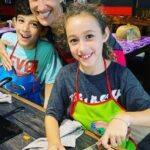
I especially liked the small group size (max 8) and having your own station to actually cook, stir, and taste as you go. I also enjoyed how the instructor guides you through making curry paste and cooking a set of dishes you can recreate later, including soup, a stir-fried noodle dish, curry, and a dessert.
One thing to consider: the menu can change by season and ingredient availability, and the experience depends on good weather since it includes time outdoors at the farm and pavilion.
In This Review
- Key highlights
- Evening start around Tha Phae Gate (4:00 pm) and why timing matters
- Organic farm tour: eggs, herb talk, and where flavors really start
- The traditional pavilion kitchen: small group, individual stations, real participation
- What you’ll cook: four dishes from the Tom Yum, curry, Pad Thai, and mango lineup
- Soup: learning the sour, aromatic balance (Tom Yam or Tom Kha)
- Stir-fried noodles: Pad Thai technique, not just sauce
- Curry: building flavor from scratch with curry paste
- Dessert: mango sticky rice as the finale
- How the meal works: tasting, sharing, and making it memorable
- Price and value: what $51.46 buys you in Chiang Mai
- What to bring and how to prepare (so you enjoy the cooking, not fight it)
- Who this class is best for (and who may want to choose something else)
- Should you book this evening Thai cooking class near Chiang Mai?
- FAQ
- What time does the class start?
- How long is the cooking class?
- Where do I meet the group?
- Is hotel pickup available?
- How many people are in the class?
- How many dishes will I cook?
- What dishes are included?
- Do we make curry paste?
- Is the class outdoors?
- Does this experience require good weather?
Key highlights
- Organic farm walk first, including time to collect eggs and pick up on herb and vegetable basics
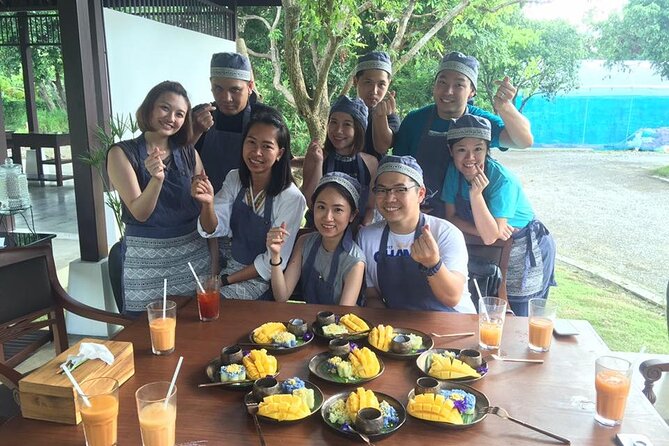
- Small group max 8 with individual cooking stations, so you are not just watching
- Curry paste from scratch with an English-speaking instructor’s step-by-step guidance
- You cook and eat four dishes selected from a Thai favorites lineup
- Traditional garden setting: cook in an open pavilion with a meal at the end
Evening start around Tha Phae Gate (4:00 pm) and why timing matters
This class is scheduled for an afternoon start, around 4:00 pm, and it ends back at the starting area near Tha Phae Gate. That timing is smart in Chiang Mai. You avoid the harshest heat of late afternoon, then you roll right into early evening when the city energy eases and the gardens feel calmer.
You’ll get pickup offered from your hotel in Chiang Mai (or meet your group at the start point). The meeting point is listed as Tha Phae Gate on Tha Phae Road, which is convenient because it is a central landmark. Even if you are using local transport, you can usually get close without stress.
The class lasts about 4 hours, so plan to treat it like a full evening activity, not a quick stop. You are going to cook, taste, and sit down together to enjoy what you made before returning to where you started.
You can also read our reviews of more tours and experiences in Chiang Mai.
Organic farm tour: eggs, herb talk, and where flavors really start
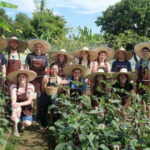
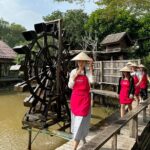
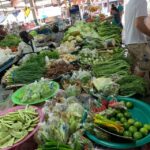
A big reason this evening class feels more authentic than a standard cooking workshop is that you start at an organic farm right outside Chiang Mai. Instead of jumping straight into the kitchen, you walk through the farm and learn what goes into the Thai flavors you’ll cook later.
You can expect to see lots of fresh fruits and vegetables, and your instructors explain Thai herbs and vegetables as you move around. That matters because Thai cooking is built on aromatics. If you only learn the dish name, it is hard to recreate the taste at home. If you learn what the ingredients do and how they’re used, you can make adjustments later.
One hands-on highlight is the chance to collect eggs and gather some fresh ingredients. It sounds small, but it changes the whole tone of the evening. You are not just consuming; you are participating.
A practical note: since this part of the experience is outdoors, you want to wear shoes that handle uneven ground. You may also want a light layer, depending on the evening. The tour is described as requiring good weather, so expect some flexibility if conditions are rough.
The traditional pavilion kitchen: small group, individual stations, real participation
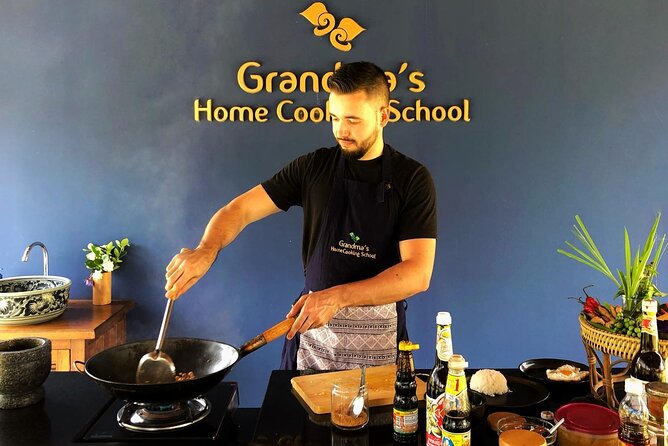
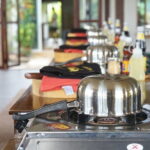
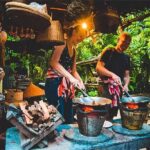
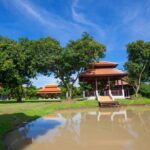
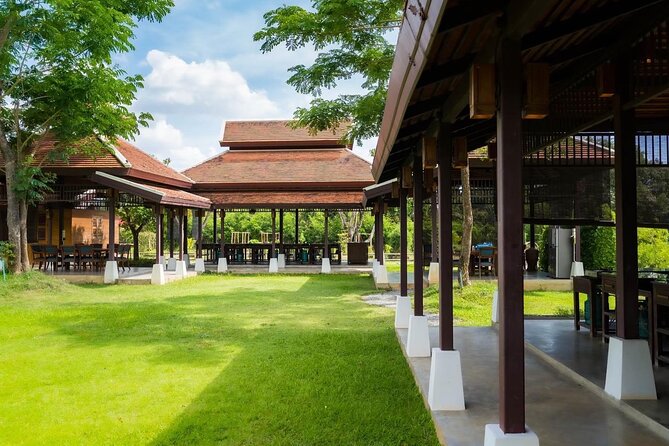
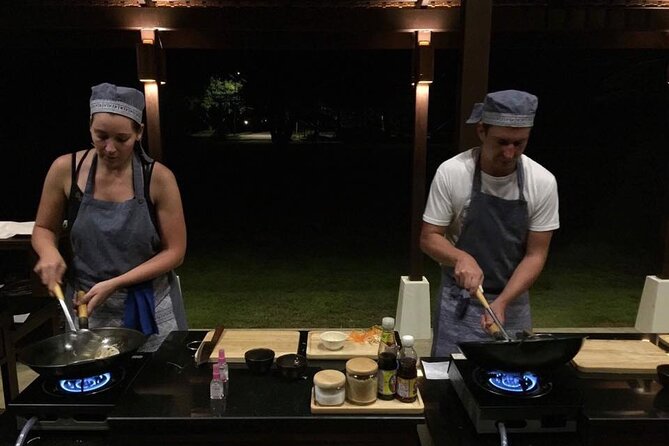
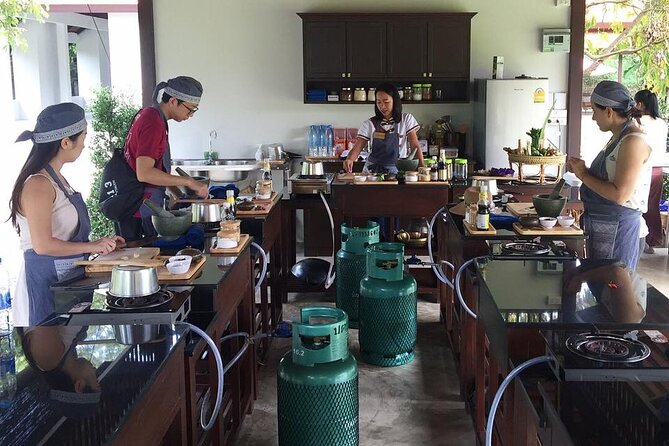
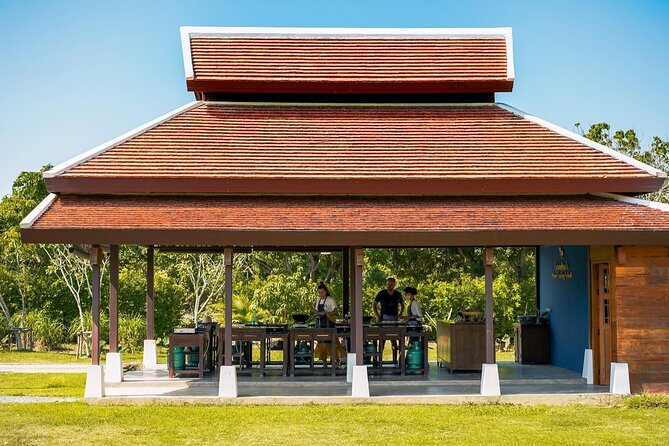
After the farm walk, you move into cooking mode in a traditional open pavilion set within the farm’s gardens. The setting is pretty, yes, but the real value is how the space is used.
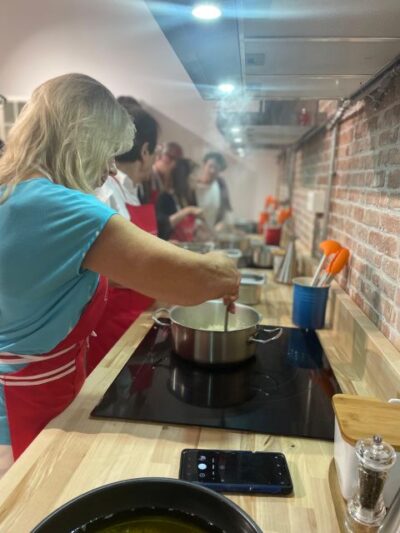
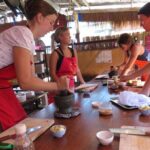
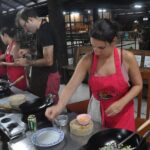
With a maximum of 8 travelers, you are not squeezed into a classroom line. Each person gets an individual cooking station. That is the difference between a good class and a frustrating one. You get to chop, stir, grind, and manage your own pan. You also get more chances to ask questions, because the instructor can actually see what you’re doing.
This kind of class works well for different experience levels. If you cook often at home, you’ll appreciate the structured method. If you do not cook much, you’ll still have enough time to follow steps and learn why something is cooked a certain way.
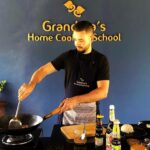
There is also an instructor with English-speaking guidance, which helps a lot during the technique parts—especially curry paste. When it comes to Thai cooking, “how” matters as much as “what.”
What you’ll cook: four dishes from the Tom Yum, curry, Pad Thai, and mango lineup
The class centers on cooking four dishes during the evening. The exact selection can vary by season and what ingredients are available, but you’re told the menu is drawn from several Thai favorites, including:
- Tom Yam (Hot and Sour Soup)
- Tom Kha (Coconut Soup)
- Pad Thai (Thai Stir-Fried Rice Noodles)
- Green Curry
- Red Curry
- Mango Sticky Rice
Here is how that selection translates into a well-rounded Thai dinner.
Soup: learning the sour, aromatic balance (Tom Yam or Tom Kha)
Soups are where Thai flavor logic becomes obvious. Tom Yam leans into a sharp, spicy, sour profile. Tom Kha softens that with coconut richness. Either way, you’re practicing the core idea: balance aromatics with acidity and heat, then let the soup come together so the flavors feel layered, not just spicy.
If you want to replicate Thai soup at home, focus on three things: the fragrance (from herbs), the acidity level, and the moment you add coconut (for Tom Kha). Those are the moving parts that make the taste match your memory.

Stir-fried noodles: Pad Thai technique, not just sauce
The stir-fried dish is Pad Thai, which is one of the most recognizable Thai meals for a reason. But the trick is that Pad Thai can go wrong if you only treat it like noodles plus sauce.
In a good class format, you learn the rhythm—timing so noodles don’t overcook, and how to distribute flavors so everything tastes even. This is one of those dishes that rewards technique.
Curry: building flavor from scratch with curry paste
This is the part many people remember later: you create your own curry paste with guidance from the instructor. You may cook green curry or red curry depending on the menu that night.
Making curry paste from scratch is valuable because it forces you to understand the base flavors. You’re not relying on a jar. You’re learning which aromatics bring heat, which bring sweetness or depth, and how the paste turns fragrant. Once you do that once, it becomes easier to scale recipes later and make small adjustments.
A useful detail from real past experiences: one participant later said they learned how to make Panang Curry from scratch and that it became their favorite. Even though the class menu is described as green and red curry options, that kind of feedback is a good sign that the curry-paste method transfers beyond the specific evening dish.
Dessert: mango sticky rice as the finale
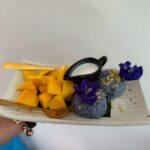
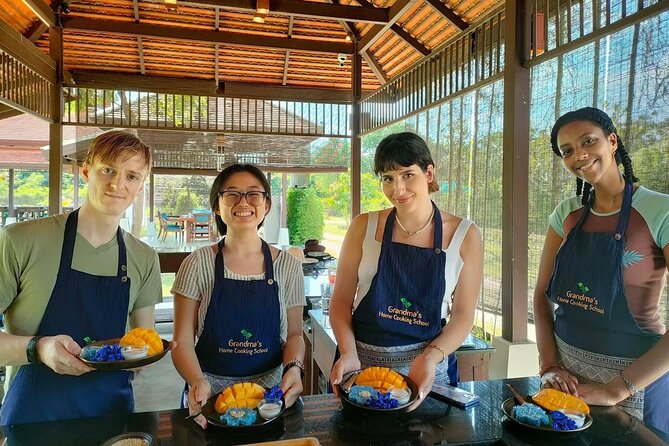
For dessert, the class includes Mango Sticky Rice (Khao Niao Mamuang). This is the classic sweet finish that teaches you about the texture side of Thai cooking—how sticky rice should feel and how the mango and sweet notes are treated so the dessert is balanced, not just sugary.
It is also a good “last lesson” dish. By the time you cook dessert, you’ve already practiced flavor building in soups and curry. Mango sticky rice then shows how Thai sweetness works when it is tied to texture and proportion.
How the meal works: tasting, sharing, and making it memorable
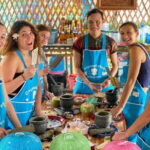
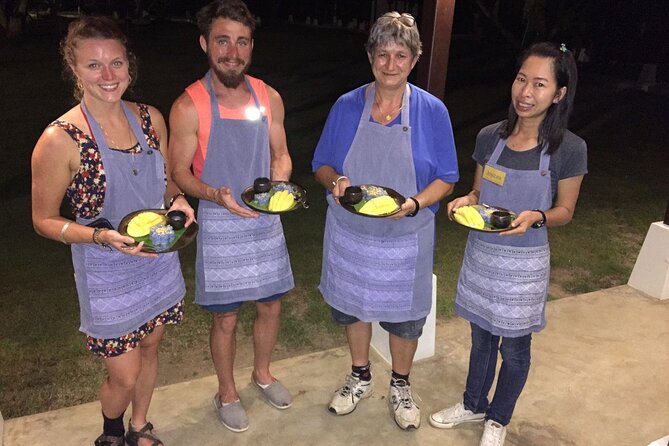
At the end, you enjoy the meal with your group. That part is more than just sitting down to eat. You will also likely sample each other’s cooking, which is a real help if you want to learn faster.
Here is why this matters: Thai cooking can taste different depending on how much you adjust sourness, saltiness, and heat. When you taste another person’s dish, you get a quick reference point. You notice what you did well and what you might tweak next time.
This is also one of the few evening activities in Chiang Mai where you end up talking with people rather than just transporting from place to place. The format encourages relaxed conversation while you eat the food you made.
Price and value: what $51.46 buys you in Chiang Mai
At $51.46 per person for about 4 hours, you’re paying for a few things that are hard to DIY on your own:
- Guided technique for curry paste and multiple dishes
- Small group + individual stations, meaning you get real hands-on time
- A structured set of dishes that covers soup, noodles, curry, and dessert
- Farm start, so you understand ingredients before cooking
Could you buy ingredients and cook at home for less? Sure. But getting curry paste right and learning the rhythm of Thai cooking is the hard part, not the shopping. This class is designed to compress that learning into one evening.
Also, you are not just making one dish. You are producing a full Thai meal. That meal element usually makes the math feel fair, because you’re eating what you cooked rather than leaving the class hungry.
What to bring and how to prepare (so you enjoy the cooking, not fight it)
Because this experience includes an outdoor farm walk plus time in an open pavilion, come prepared for a mix of conditions.
- Wear comfortable closed-toe shoes for the farm walking portion
- Bring a light layer if evenings feel cooler where you are staying
- Keep your phone protected if it gets humid or if you might handle ingredients
- Bring a curious mindset. Ask questions about herbs, aromatics, and the curry paste texture
One more small but practical tip: take a quick photo of your final plating if you like—then later you can recreate it at home. The menu varies by season, so your best reference is what you made that evening.
Who this class is best for (and who may want to choose something else)
This cooking class is a great fit if you want:
- A hands-on Thai cooking experience rather than a lecture
- A meal you can actually recreate after learning curry paste technique
- A small group atmosphere so you’re not lost in a crowd
- An evening plan that combines Chiang Mai sights nearby with a rural ingredient story
It may be less ideal if you strongly prefer highly predictable menus every single time. The class notes that the menu can change with seasonal and ingredient availability, so your final set of four dishes is drawn from the listed options but not guaranteed in the exact combination.
Also, if you hate outdoor activities or you’re sensitive to weather, remember it requires good weather since the day includes time outdoors at the organic farm and in the garden pavilion.
Should you book this evening Thai cooking class near Chiang Mai?
If you want one activity that teaches skills you can reuse—especially curry paste from scratch—this is a smart booking. The combination of an organic farm walk, a traditional garden pavilion kitchen, and a small group with individual stations is the kind of setup that makes the evening feel worth more than the cost.
Book it if you like structure, you want to learn flavors by doing, and you want to leave with the confidence to cook a real Thai meal at home. Skip it if you’re only after sightseeing or you need a fully indoor, totally weather-proof program.
If you do book: focus on the technique steps and ask what substitutions are possible. That turns a fun night into a recipe you can actually trust later.
FAQ
What time does the class start?
The experience starts at 4:00 pm.
How long is the cooking class?
The duration is about 4 hours (approx.).
Where do I meet the group?
The starting point is Tha Phae Gate on Tha Phae Road in Chiang Mai.
Is hotel pickup available?
Yes, pickup is offered.
How many people are in the class?
The class has a maximum of 8 travelers.
How many dishes will I cook?
You’ll cook 4 dishes.
What dishes are included?
The menu can change, but dishes listed include Tom Yam, Tom Kha, Pad Thai, Green Curry, Red Curry, and Mango Sticky Rice.
Do we make curry paste?
Yes, you create your own curry paste with guidance from the instructor.
Is the class outdoors?
It starts at an organic farm and includes cooking in a traditional pavilion with garden surroundings, so it’s partly outdoors and depends on good weather.
Does this experience require good weather?
Yes. On the rare occasion it’s canceled due to poor weather, you’ll be offered a different date or a full refund.