REVIEW · MOROCCO
Mezouga cooking class
Book on Viator →Operated by Dar aytma khamlia · Bookable on Viator
Cooking in a family home beats restaurant food.
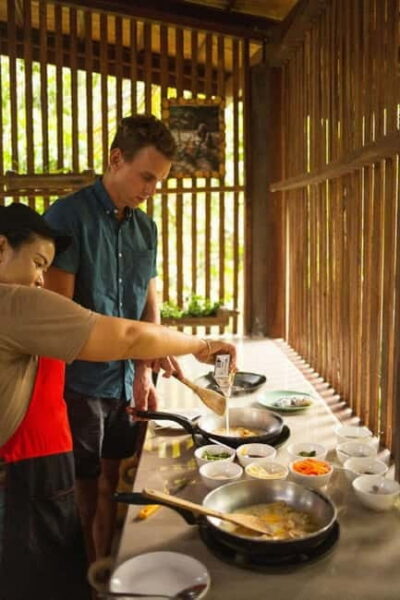
This 3.5-hour Moroccan cooking class in Merzouga has you step into Dar Aytma Khamliaksar khamlia, where Ismail and his family share how their Berber desert kitchen works and how to put it all on a plate. You’re not just watching. You’re learning techniques meant for you to repeat later at home.
I love the hands-on feel, especially the way the family guides you through Moroccan cooking basics while you’re actually cooking. I also love that the experience ends with the meal you helped create, including salad, a main dish, and dessert served with warm hospitality. One thing to consider: the experience needs good weather, so if conditions aren’t right, you may need to switch dates.
In This Review
- Quick Highlights
- Where This Class Happens: Dar Aytma in Merzouga
- The Main Idea: Learn Moroccan Techniques You Can Recreate at Home
- What You’ll Cook: Salad, Tajine-Style Main, and Dessert
- Salad: Fresh Start, Desert-Ready Balance
- Main meal: Tajine Method and Moroccan Plate Presentation
- Dessert: Finish the Meal Like the Family Does
- How the 3.5 Hours Actually Feel
- Hospitality Style: Laughter, Conversation, and Real Culture
- Price and Value: Is $46.98 Worth It?
- Practical Stuff You Should Know Before You Go
- Timing and length
- Where you meet and how you find it
- Tickets and confirmation
- Group size and atmosphere
- A weird gear note: SCUBA equipment
- Weather matters
- Who This Class Is For (and Who Might Skip It)
- My Booking Advice: Should You Book This Cooking Class?
- FAQ
- How long is the Mezouga (Merzouga) cooking class?
- Where does the cooking class start and end?
- What’s included in the price?
- What’s not included?
- How many people are in the group?
- Is the experience weather dependent?
- What is the cancellation policy?
Quick Highlights

- Family-led teaching with Ismail in Dar Aytma Khamliaksar khamlia, not a detached classroom
- Cook a full menu: salad, main meal, and dessert, then sit down to eat it
- Small group size up to 20 travelers, so you get real interaction
- Practical techniques you can reproduce at home, not just a one-time show
- Coffee/tea and bottled water included, plus lunch
- Weather dependent and scheduled within a long daily opening window (8:00 AM to 9:00 PM)
Where This Class Happens: Dar Aytma in Merzouga
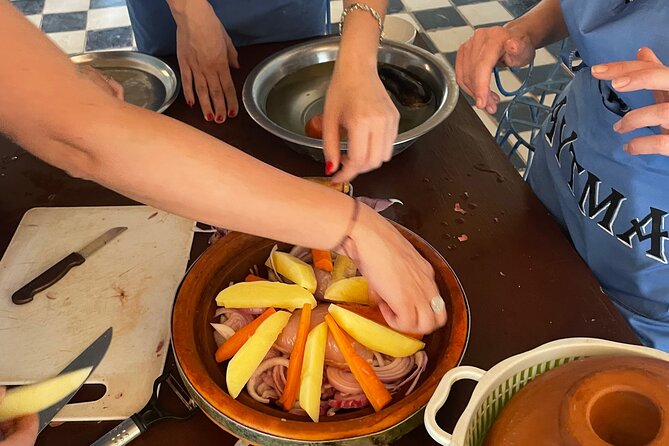
Merzouga is the kind of place where food instantly feels tied to daily life. This class takes place in a typical Moroccan home at Dar Aytma Khamliaksar khamlia. That setting matters. You’re not standing in a uniform kitchen with a single demo station. You’re learning inside a real household rhythm, with a host family that actually cares about people understanding their food.
Ismail’s family is central to the experience. Based on what you’ll be told and how the class is run, the emphasis is on conversation and sharing—how a family cooks in the Merzouga desert traditions, and how those methods make sense with what’s available and how people live.
It also helps that the experience is limited to up to 20 travelers. Even when you’re in a group, you’re not swallowed by crowd noise. The class is built for participation, questions, and the back-and-forth that makes food lessons stick.
The Main Idea: Learn Moroccan Techniques You Can Recreate at Home
The heart of this experience is practical training. You’ll be accompanied throughout, and the goal is simple: learn new cooking techniques that are easy to reproduce at home.
That sounds like marketing, but here’s why it works in practice. Morocco’s cooking style is strongly based on method: how ingredients are handled, how flavor builds, and how a dish comes together. When a family walks you through the steps and the reasoning, you’re more likely to remember what to do next time, even if you’re using a different kitchen and different tools.
From the reviews, the dish focus includes tajine. If you’ve ever had tajine that tasted amazing but wondered why yours didn’t, this kind of family coaching is exactly the fix. You don’t just learn what to cook. You learn how it should behave as it cooks and how to present it so it looks like food meant to be shared.
What You’ll Cook: Salad, Tajine-Style Main, and Dessert
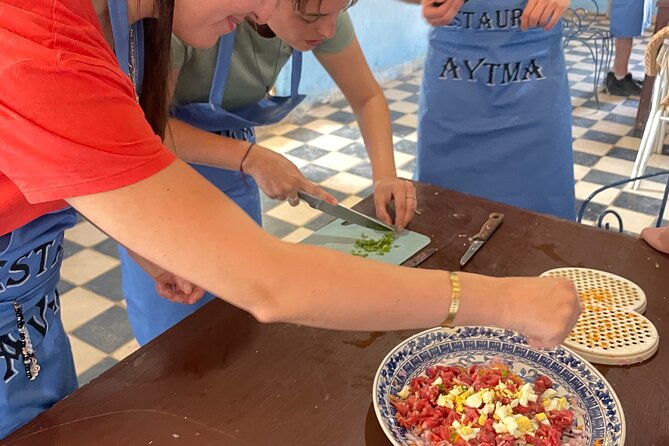
The menu is part of the point. You’ll end by tasting the full meal you prepared: salad, main meal, dessert. That structure makes the class more useful than a short demo where you just watch and leave.
Salad: Fresh Start, Desert-Ready Balance
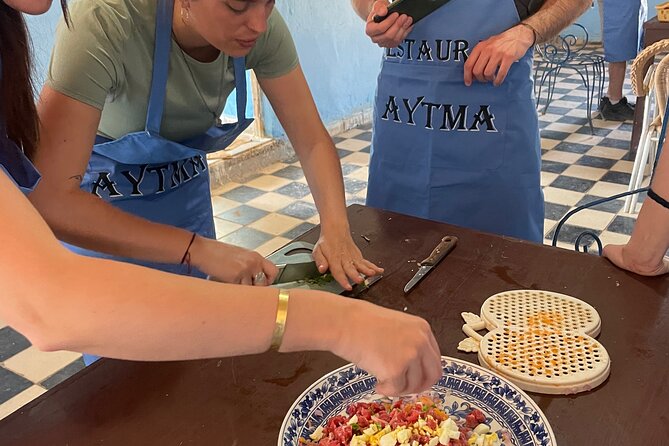
Moroccan salads are often about contrast—something fresh and bright against richer mains. Even if the exact salad ingredients aren’t spelled out, you can expect you’ll learn how to assemble and season in a Moroccan style rather than treating salad like an afterthought. If you want a technique you can reuse at home, salad prep is usually the most transferable.
Main meal: Tajine Method and Moroccan Plate Presentation
The main dish is where you’ll feel the Moroccan teaching most clearly. Tajine shows up in the feedback for a reason: it’s iconic, it’s teachable, and it’s hard to “fake” without understanding the method. You’ll likely follow steps that connect ingredients to timing and cooking approach, then you’ll learn how to serve it like a proper home-cooked Moroccan meal.
Also, the class specifically mentions presentation of gourmet plates. That’s useful if you want your food to look like you cared, not like it fell off a tray. Presentation is part of hospitality in Moroccan homes, and learning it helps your home versions feel closer to the real thing.
Dessert: Finish the Meal Like the Family Does
Dessert rounds out the session and keeps you from leaving hungry or just tired. You’ll see how Moroccan dessert fits the flow of a family meal, not as a separate event. The practical benefit is that you’re training your cooking sequence end-to-end—start to finish—so it’s easier to repeat later without forgetting the last step.
How the 3.5 Hours Actually Feel
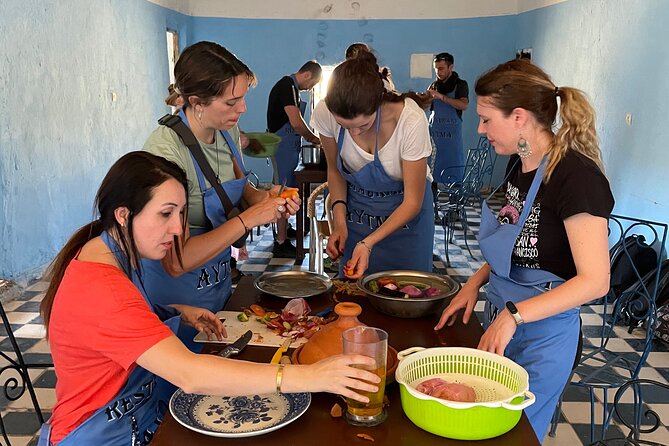
A cooking class can either be a fun story or a rushed checklist. This one is designed for a few hours of steady progress, with you learning while you’re doing.
Here’s the rhythm you can expect based on how the experience is described:
You start by entering the home and meeting your local professional leader and the family. Then you move into instruction and hands-on work, with guidance so you don’t get stuck staring at ingredients wondering what happens next. You’ll be learning Moroccan gastronomic secrets—both the big picture and the small details that make a dish taste right.
Throughout the workshop, you’ll also be taught how to present the plates. That means you’re not just cooking; you’re building a final meal that belongs on a table.
At the end, you taste everything you made—salad, main, dessert—served with hospitality. That final meal is where the learning clicks. You can instantly tell what changes helped most. Even better, you’re eating in the same social context that created the recipes in the first place.
Hospitality Style: Laughter, Conversation, and Real Culture
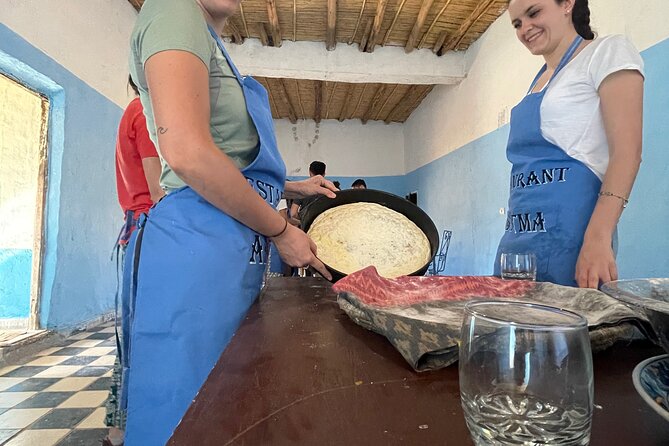
Food classes are often marketed as “cultural.” This one earns the label in a more down-to-earth way: the family welcomes you and treats you like part of the kitchen brigade for a few hours.
The reviews highlight warmth and humor. You can expect friendly interaction, not stiff formality. People mention laughing a lot and a welcoming vibe, which is a big deal for solo travelers too. A class like this can feel less like a transaction and more like a short visit with people who actually want you to understand their everyday life.
And because Ismail and the family are the ones teaching, you’re learning Berber kitchen and Moroccan cooking traditions from the source. That’s the difference between memorizing a recipe and learning what makes it work in a real home.
Price and Value: Is $46.98 Worth It?
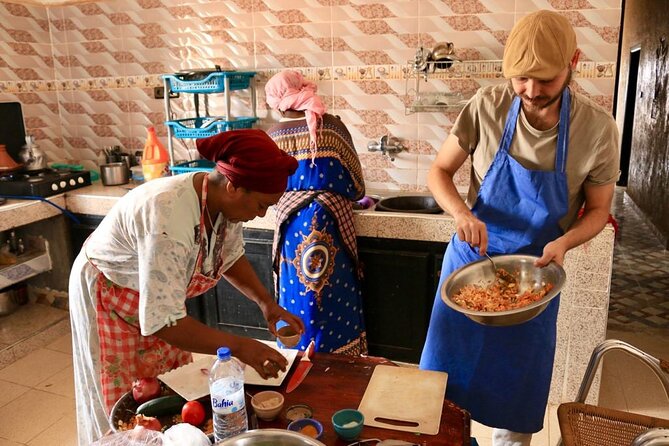
At $46.98 per person, this isn’t a budget street-snack tour. It’s a paid cooking workshop, and that price makes sense because you’re getting several things bundled together:
- Instruction from a local professional leader and family
- A hands-on cooking experience
- A full tasting meal you helped prepare (salad, main, dessert)
- Coffee and/or tea, plus bottled water
- Lunch
When a cooking class includes the meal you’re making, you’re paying for both learning and a complete food experience. In other words, it’s not just buying a ticket to cook; you’re also buying a sit-down lunch at the end.
The small group size (up to 20) also supports the value. More space and attention tends to come with smaller groups, especially in a home setting where the teacher’s time is limited.
One more value tip: if you usually skip cooking classes because they feel too “touristic,” this one is designed to bring you into a family home and teach you techniques you can actually redo later.
Practical Stuff You Should Know Before You Go
Timing and length
Plan for about 3 hours 30 minutes. The activity has broad operating hours (8:00 AM to 9:00 PM, Monday through Sunday), but the exact start time can vary. Treat it like a real activity slot, not something you can slide into whenever you feel like it.
Where you meet and how you find it
You’ll start and end at the same place: Dar Aytma Khamliaksar khamlia, Merzouga 52202, Morocco. The location is also noted as near public transportation, which is handy if you’re not driving.
Tickets and confirmation
You’ll receive a mobile ticket. Confirmation is generally received at booking time unless you book close to travel (within about 2 hours), in which case confirmation arrives as soon as possible based on availability.
Group size and atmosphere
Up to 20 travelers keeps this from turning into a big classroom. Still, expect a lively kitchen environment: you’re working close to people and ingredients.
A weird gear note: SCUBA equipment
The included list mentions the use of SCUBA equipment. Since Merzouga is a desert destination, that may be a listing typo or a mix-up in the activity description. I’d treat it as a “check before you go” item. Ask the operator what the equipment is actually for.
Weather matters
This experience requires good weather. If weather forces a change, you’ll be offered a different date or a full refund. So if you’re building a tight itinerary around desert plans, keep this class flexible.
Who This Class Is For (and Who Might Skip It)
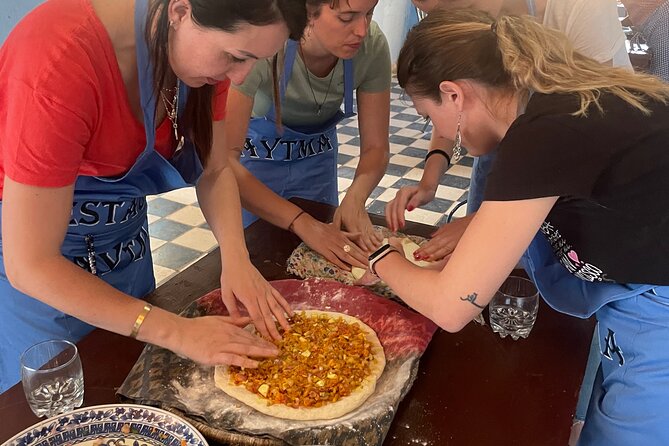
You’ll love this class if you want food that feels connected to real life. It’s a strong fit for:
- People who enjoy cooking and want techniques, not just a meal
- Travelers who like home-based cultural experiences over staged demonstrations
- Anyone excited about Moroccan dishes like tajine
- Small-group travelers who prefer a friendly, interactive setup
You might skip it if you’re looking for a pure sightseeing focus, or if you’re building your day with very tight time windows that can’t handle weather-related changes.
My Booking Advice: Should You Book This Cooking Class?
Book it if you want a memorable lunch that teaches you something you can use again. The best reason is also the simplest: you cook a full menu with a local family, then you eat it right there. That combination turns “cultural activity” into a practical skill and a satisfying meal.
I’d particularly book it if you’re already in Merzouga and you want one grounded, human experience that doesn’t require long drives or complicated plans. And if you’re the type who hates leaving tours with photos but no real takeaway, this one is built for repeatable techniques.
One last tip: since the class depends on good weather and includes cooking that can be messy, plan it when you can slow down afterward and not rush into another intense activity.
FAQ
How long is the Mezouga (Merzouga) cooking class?
The cooking class is approximately 3 hours 30 minutes.
Where does the cooking class start and end?
It starts and ends at Dar Aytma Khamliaksar khamlia, Merzouga 52202, Morocco.
What’s included in the price?
Coffee and/or tea, bottled water, lunch, and the listed use of equipment are included.
What’s not included?
Soda/pop is not included.
How many people are in the group?
The activity has a maximum of 20 travelers.
Is the experience weather dependent?
Yes. It requires good weather, and if it’s canceled due to poor weather, you’ll be offered a different date or a full refund.
What is the cancellation policy?
You can cancel up to 24 hours in advance for a full refund. Canceling less than 24 hours before the start time is not refunded.