REVIEW · BEIRUT
Private Lebanese Cooking Class in Beirut with Amal + Transfers
Book on Viator →Operated by Traveling Spoon · Bookable on Viator
A home-cooked lesson beats a restaurant every time. I love the private, hands-on setup and the fact you’ll use family garden ingredients for real Lebanese dishes, not prepped demo food. One thing to consider: you’re heading outside central Beirut to Aramoun, so you’ll trade some city time for a more local experience.
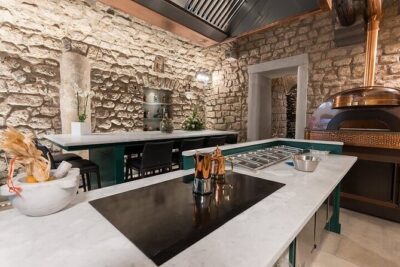
Amal welcomes you to her classic family home in Aramoun, a suburb just outside the capital, with a fireplace and a terrace view over Beirut. You’ll start with a refreshing drink and a warm intro to Lebanese food and where it comes from, then roll up your sleeves for about an hour in the kitchen with Amal and her mother (plus help from a skilled local team).
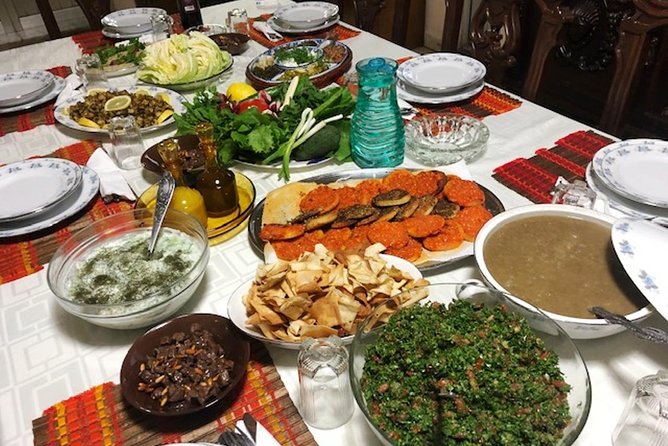
You’ll finish with a traditional multi-course lunch using what you cooked—often including chickpeas with lemon and garlic-olive oil sauce, tabouli, kibbi, and grilled eggplant with tahini (mtabal). The menu and style can vary, and if you have allergies or dietary needs, you’ll want to flag them when you book.
In This Review
- Key Things You’ll Notice on This Class
- Why This Private Lebanese Cooking Class in Aramoun Feels So Local
- Amal’s Home: The First Drink, the Fireplace, and the Terrace View
- The Kitchen Lesson: Appetizer, Salad, and Dessert (Family Recipes Included)
- What You Eat Afterward: A Traditional Multi-Course Lebanese Lunch
- Hotel Pickup and Drop-Off: Time Saved, Less Stress
- Dietary Needs and Allergy Planning (Tell Them Up Front)
- Weather, Warmth, and That Cozy Home Feeling
- Price and Value: Is $142 Worth It?
- Booking Timing and What Happens After You Reserve
- Should You Book This Private Lebanese Cooking Class with Amal?
- FAQ
- How long is the private Lebanese cooking class in Beirut with Amal + transfers?
- Do they pick up and drop off from Beirut hotels?
- Is this tour private or shared with other travelers?
- Can the class accommodate vegetarian, vegan, or halal meals?
- What dishes might we cook and eat?
- What is the cancellation policy?
Key Things You’ll Notice on This Class
- Private lesson in Amal’s home kitchen with only your group, not a mixed crowd
- Family garden produce used for your appetizer, salad, and dessert
- A multi-course lunch with drinks after the cooking ends
- Aramoun suburb setting with a terrace view and a cozy fireplace option
- Transfers from your Beirut hotel so you don’t waste time figuring out transport
Why This Private Lebanese Cooking Class in Aramoun Feels So Local
If you’ve eaten Lebanese food in Beirut, you’ll recognize the flavors fast. What changes here is the pace and the access. Instead of ordering and watching someone else plate, you cook alongside Amal and her family, with ingredients they grow and techniques they actually use at home.
This matters because Lebanese cuisine is built on small decisions: how herbs are handled, how sauces are balanced, how textures come together. When you’re in the kitchen for it, you learn what to look for next time you cook at home. I also like that the class is private—your group sets the tempo, and questions don’t get lost in a larger group dynamic.
The location is the other key point. Aramoun is outside the busy core of Beirut, in a residential area surrounded by gardens. You’re not going far in distance, but you are changing the feel: quieter, more homelike, and easier to connect with the family setup.
Amal’s Home: The First Drink, the Fireplace, and the Terrace View
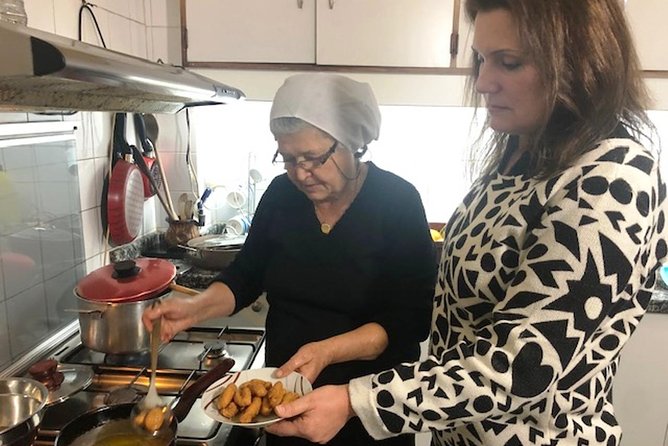
Your experience starts at Amal’s home in Aramoun, in a classic Lebanese family house. The atmosphere is the kind you remember: a fireplace for warmth when the weather turns, plus a terrace where you can take in views of Beirut.
Before you cook, you’ll get an introduction to Lebanese cuisine and its roots. That doesn’t mean a textbook lecture. It’s practical context—why certain ingredients show up again and again, and how dishes fit into everyday Lebanese meals.
A refreshing drink kicks things off, which helps you settle in fast, especially if you’re arriving from a hotel and just trying to get moving. In short: the beginning isn’t rushed. You arrive, you’re greeted, and you get oriented before the kitchen action starts.
It’s also worth noting the home is close enough to public transportation that you’re not locked into transfers only. That gives you flexibility if you’re staying somewhere awkward to access by car.
The Kitchen Lesson: Appetizer, Salad, and Dessert (Family Recipes Included)
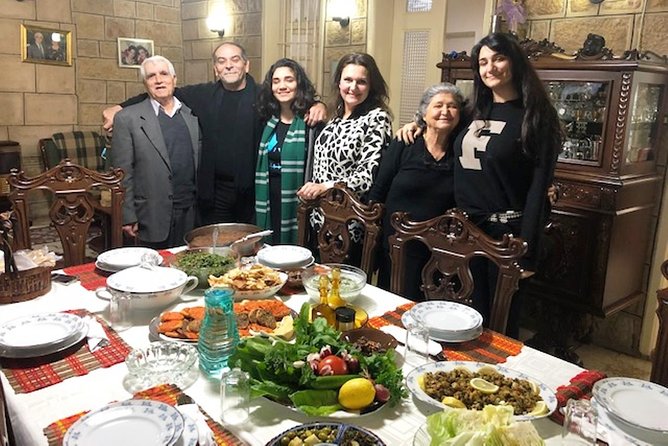
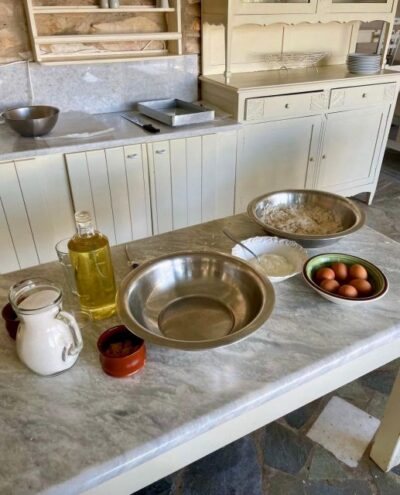
The hands-on portion lasts about an hour. This is long enough to learn a full flow, but not so long that you feel cooked by the end. You’ll be working in Amal’s kitchen with Amal and her mother, alongside a pair of skilled local cooks who help keep things smooth.
You’ll prepare a Lebanese appetizer, a salad, and a dessert, built from family recipes. The big win is that you’re using ingredients described as organically grown fruits, vegetables, and herbs from their family garden. That’s a difference you can often taste—herbs and produce quality change the whole flavor profile.
Your appetizer might include something like chickpeas with lemon, olive oil, and garlic sauce. For the salad, you might make tabouli, which is all about herbs, freshness, and the way lemon and olive oil tie it together. For the savory side, you may also encounter kibbi (minced meat with herbs and nuts) and mtabal (grilled, mashed eggplant mixed with tahini, lemon juice, and garlic).
Then comes dessert. Many menus include maakaroun: deep-fried semolina fingers soaked in sugar syrup. It’s sweet, crisp-soft, and very Lebanese in character—more than just a generic “dessert course.”
Practical takeaway: you’re not just learning recipes. You’re learning how these dishes are meant to feel—fresh, herb-forward, sauce-balanced, and comfort-food satisfying.
What You Eat Afterward: A Traditional Multi-Course Lebanese Lunch
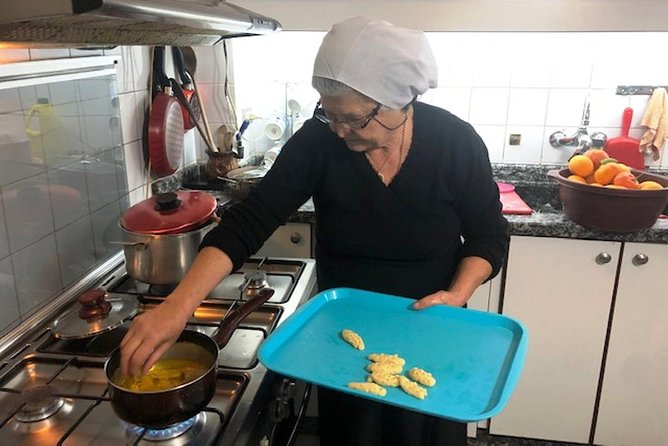
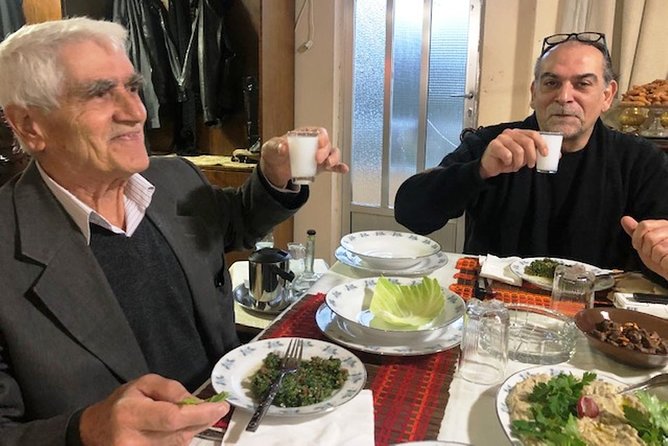
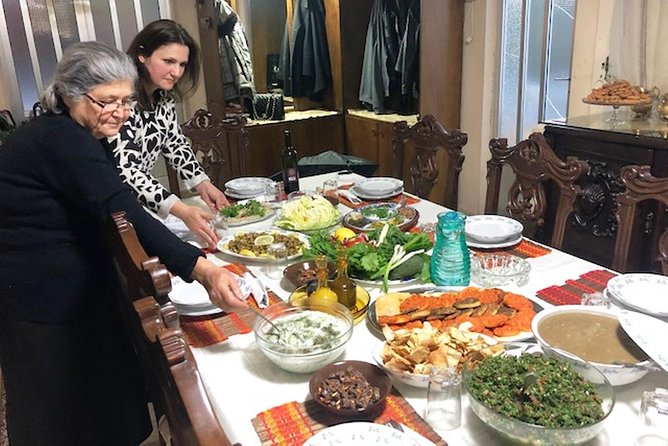
After the cooking, you all sit down together to eat the meal you helped make. This is one of the most satisfying parts of the experience because you’re not waiting for your food while wondering if you actually learned anything. You made it, so you understand what you’re tasting.
Your lunch is traditional and multi-course, and drinks are included. That turns the meal into a proper Lebanese table moment, not a quick snack after class.
Dishes you might find on the menu include:
- Chickpeas with lemon, olive oil, and garlic sauce
- Tabouli (salad)
- Kibbi (minced meat with herbs and nuts)
- Mtabal (grilled mashed eggplant with tahini, lemon juice, and garlic)
- Maakaroun for dessert
Even if the exact lineup varies, the structure is consistent: savory starters, a herb-based salad, then richer mains and a syrupy sweet finish. This also helps you connect the dots between how Lebanese food works as a system—small plates, shared flavors, and a balance of fresh and hearty.
If you’re the type who likes to take recipes home, the eating part is where you’ll really lock in your memory. You can taste what worked, what you think you’d tweak, and what you want to repeat.
Hotel Pickup and Drop-Off: Time Saved, Less Stress
Beirut traffic and logistics can be a tax on your day. This tour includes pickup and drop-off at your Beirut hotel, which is a big deal for a 3-hour experience.
That’s time you can spend on the thing you booked: cooking and eating. It also reduces the risk of arriving late. In a home-based class, timing matters because the kitchen work is coordinated.
It’s a private tour/activity, meaning only your group participates. That usually makes the “moving together” part feel calmer. You’re not trying to herd a bigger crowd through a suburb and back.
Also, you’ll receive a mobile ticket. That’s one less thing to print, track, or misplace while you’re in transit around the city.
Dietary Needs and Allergy Planning (Tell Them Up Front)
Lebanon has plenty of flexible options, but the easiest approach is to tell the organizers your needs when you book. The experience notes that vegetarian, vegan, and halal meals can be provided if you advise ahead of time.
Allergies and food preferences are also something you should flag during booking. This is especially important for Lebanese dishes that can involve multiple ingredients and sauces where cross-contact could be a concern.
If you’re traveling with dietary restrictions, I’d treat this as a key planning step, not a footnote. The tour is in a family kitchen, and getting your needs right early helps everyone enjoy the meal without last-minute confusion.
Weather, Warmth, and That Cozy Home Feeling
Lebanon weather can swing, and when it does, your comfort level changes fast. Here’s the good part: Amal’s home has a fireplace, and the setting is built around staying comfortable indoors.
Even if the weather outside isn’t great, the experience still works because it’s centered on a warm, indoor family kitchen and shared dining table. That’s not just romantic. It’s practical—bad weather usually affects outdoor plans, but this one is mostly “inside together.”
If you’re planning the rest of your Beirut trip, consider pairing this with lower-energy activities the same day. A cooking class is hands-on. You’ll likely want a quieter evening after.
Price and Value: Is $142 Worth It?
At $142 per person, this isn’t a budget “quick class” option. But when you break down what’s included, the value looks more reasonable—especially if you care about being in a real home kitchen.
You’re paying for:
- A private experience (only your group)
- About 3 hours total, including cooking and dining
- Transfers (pickup and drop-off from your Beirut hotel)
- Hands-on instruction with Amal and her mother
- Garden-fresh, family-style ingredients
- A traditional multi-course lunch with drinks
For many travelers, the transfer + private setup are the biggest “you’re really getting something” components. Also, cooking three parts of a meal (appetizer, salad, dessert) gives you a lot more learning than a single short dish.
Who benefits most?
- Couples who want something more meaningful than another meal out
- Food lovers who like to learn flavors and methods, not just eat
- Families with older kids who can enjoy a sit-and-cook pace
- Anyone who wants a calmer, local-feeling day outside Beirut’s main hustle
Booking Timing and What Happens After You Reserve
This experience is typically booked about 19 days in advance on average. That suggests it’s popular enough to plan ahead, especially if you’re traveling in a busy season.
After you book, confirmation is received within 48 hours of booking, subject to availability. You’ll also get a mobile ticket, which makes day-of check-in easier.
On the day itself, you can expect a smooth rhythm: arrive for a welcome drink, get your intro, cook for about an hour, then sit down for the meal you helped prepare. The whole thing runs about 3 hours total, so it fits well into a single morning or afternoon slot.
Should You Book This Private Lebanese Cooking Class with Amal?
I’d book it if you want an authentic Lebanese meal with real participation. The private home setting, the family garden ingredients, and the fact that you cook then eat immediately make it feel like a true experience, not a canned activity.
You might skip it if you strongly prefer to stay strictly in central Beirut or if you’re trying to pack in a full day with zero suburb travel. But if you’re okay with a short trip outside the city for something more personal, this is exactly the kind of meal-focused outing that makes a trip memorable.
If you do book, plan your dietary info carefully. If you’re vegan, vegetarian, halal, or have allergies, mention it right away so the kitchen can accommodate you.
FAQ
How long is the private Lebanese cooking class in Beirut with Amal + transfers?
The experience lasts about 3 hours.
Do they pick up and drop off from Beirut hotels?
Yes. Pickup and drop-off at your Beirut hotel are offered.
Is this tour private or shared with other travelers?
It’s private. Only your group will participate.
Can the class accommodate vegetarian, vegan, or halal meals?
Yes. Vegetarian, vegan, and halal meals can be provided if you advise at the time of booking.
What dishes might we cook and eat?
Your menu might include chickpeas with lemon, olive oil and garlic sauce; tabouli; kibbi; and mtabal. Dessert is often maakaroun.
What is the cancellation policy?
You can cancel for a full refund up to 24 hours before the experience’s start time. If you cancel less than 24 hours before, the amount paid is not refunded.