REVIEW · CHIANG MAI
Full Day Thai Cooking Class in Organic Farm and Market
Book on GetYourGuide →Operated by LocalCNXTours · Bookable on GetYourGuide
Cooking Thai food in Chiang Mai feels calming. I like how this full-day class starts with a local market so you learn what goes into Thai flavor before you ever touch a stove. I also like the small-group setup (max 10) and the farm visit that gives you a real sense of where ingredients come from. A key consideration: the day runs from a 9:00 am start until about 3:30 pm, so you’ll want to keep your evening flexible.
You’ll cook and eat a full course style Thai meal, then leave with a PDF recipe book (plus a recipe book and photo album) so you can recreate dishes at home. English instruction makes the techniques easy to follow, and hotel pickup/drop-off helps you skip the hassle of figuring out transport. The only catch I’d flag is simple: your pickup area is limited, so double-check whether your hotel is within the downtown/old city range.
In This Review
- Key Points You’ll Actually Care About
- A Chiang Mai Thai Cooking Class That Starts With Real Ingredients
- The Day at a Glance: 9:00 to About 3:30
- Chiang Mai Market Stop: Learn the Flavor Builders Before You Cook
- Organic Farm Guided Tour: A Useful Lesson, Not Just Photo Time
- Cooking 5–6 Thai Dishes: Expect a Real Workshop
- Eating in the Organic Kitchen Garden and Enjoying Your Own Food
- Recipes You Can Actually Use at Home (PDF + Photo Album)
- Value, Small-Group Size, and Who This Chiang Mai Class Fits
- Should You Book This Chiang Mai Thai Cooking Class?
- FAQ
- What time does the class start and end?
- How long is the full-day cooking class?
- How many dishes will I cook?
- Is there an English-speaking instructor?
- What stops are included besides cooking?
- What recipes do I receive after the class?
- What’s included in the price?
- Does the tour include pickup from all hotels?
Key Points You’ll Actually Care About
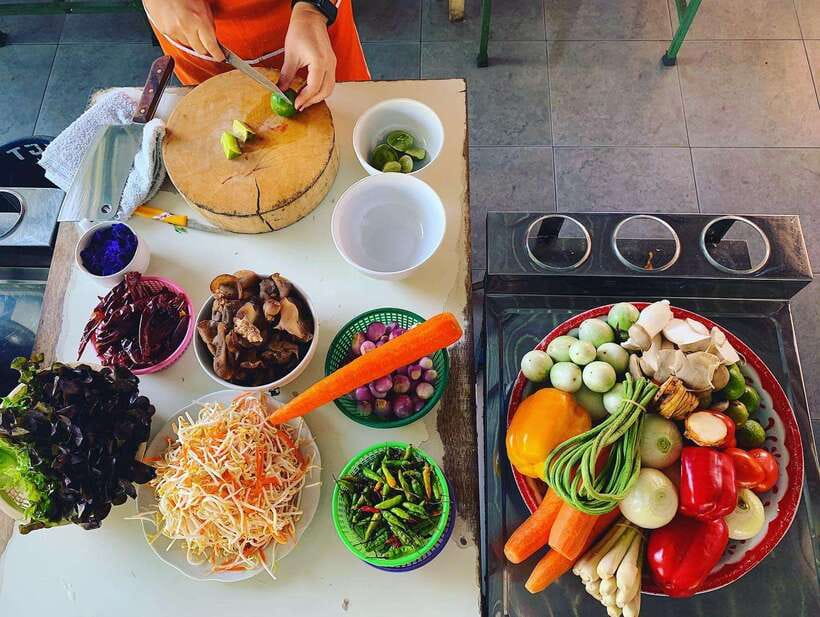
- Market-first learning: You shop for ingredients in Chiang Mai before cooking, so everything has a reason.
- Organic farm context: A guided farm visit ties what you cook to what’s growing.
- Hands-on cooking time: You cook 5–6 Thai dishes and then eat your own food together.
- Small group (up to 10): Easier attention from the English-speaking local chef.
- Recipe take-home kit: You’ll get a PDF version of the recipe book, plus a recipe book and photo album.
A Chiang Mai Thai Cooking Class That Starts With Real Ingredients
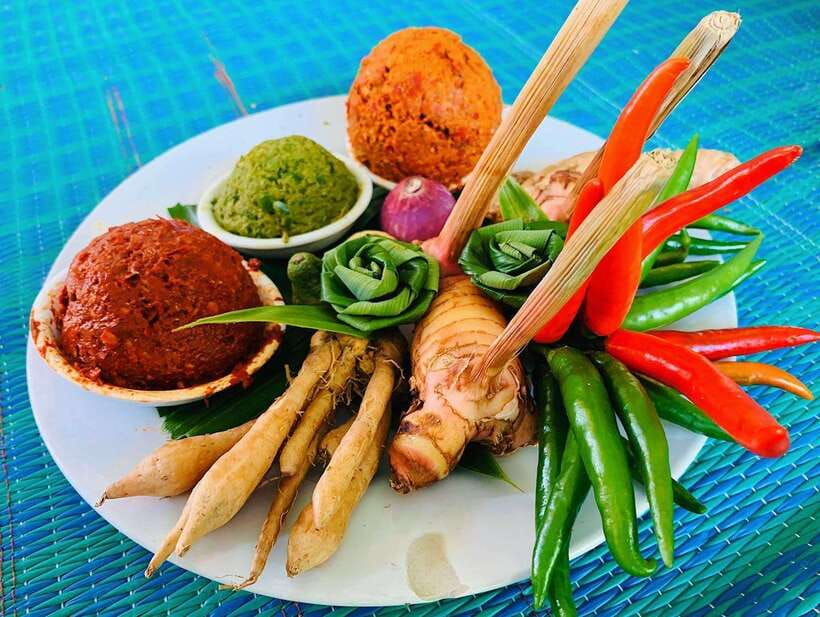
Thai cooking classes can be hit-or-miss. Some turn into a rushed demonstration where you only stir once or twice. This one does a better job of teaching the logic behind the food.
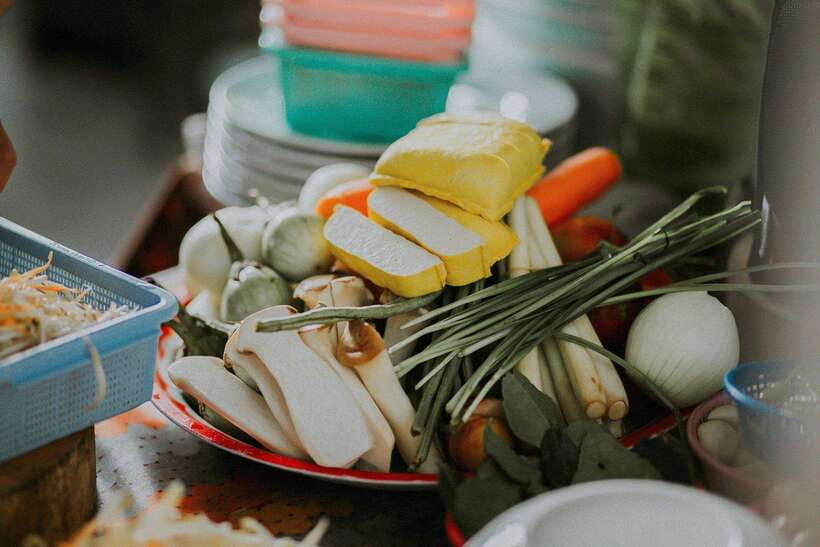
You begin with a market visit where you see (and learn about) the ingredients that drive Thai flavor: the herbs, aromatics, and staples that make dishes taste like Thailand instead of just “spicy noodles.” Then you go to an organic farm for context. It’s not just scenery. The farm stop helps you understand the ingredients as something living, grown, and seasonal—useful context when you later try to replicate recipes at home.
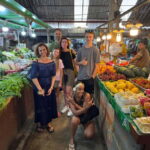
I also appreciate that this isn’t a huge group tour. With a cap of 10 participants, the cooking portion feels more like a guided workshop than a factory line. In past days, guides such as Luna or Netty have stood out for clear instruction, which matters when you’re trying to nail Thai techniques like balancing sour, salty, sweet, and heat.
You can also read our reviews of more tours and experiences in Chiang Mai.
The Day at a Glance: 9:00 to About 3:30
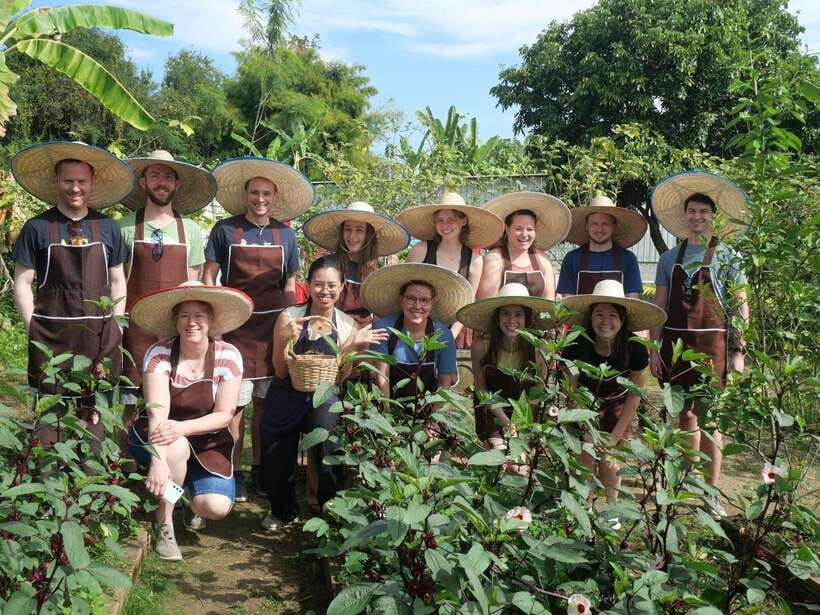
This is a full 8-hour experience, designed as a complete day out rather than a quick evening class. Expect the program to run from a 9:00 am start until you’re back in the city around 3:30 pm.
A practical way to plan it:
- Morning: pickup, then head out for the market segment.
- Midday: farm visit, then the cooking class portion.
- Early afternoon: you eat what you cooked in a traditional Thai style setup.
- Finish: you wrap up and get dropped back at your hotel.
The schedule is long enough that it feels worth dressing for action—comfortable shoes help, and you’ll likely be moving between spots.
Chiang Mai Market Stop: Learn the Flavor Builders Before You Cook
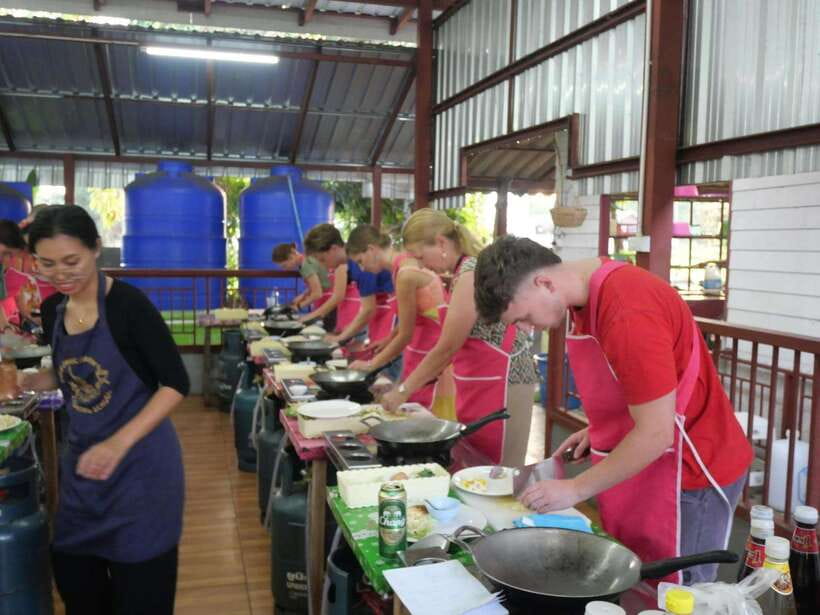
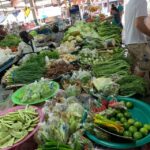
The market visit is one of the smartest parts of this experience. Instead of memorizing a recipe like a checklist, you learn what each ingredient does in the dish.
In practical terms, this is where you get answers to questions you’ll probably have later, such as:
- Which ingredients are used for aroma versus bulk?
- What’s the difference between herbs used for fragrance and those used for crunch?
- Why certain pastes and seasonings are central to Thai curries and noodles?
You’re also not cooking blindly afterward. Seeing ingredients in the context of an actual market helps you understand what you’re looking for when you shop at home. That’s a big value upgrade, especially for a class priced at $47 per person, because you’re not only paying for chopping and stirring—you’re paying for ingredient literacy.
Organic Farm Guided Tour: A Useful Lesson, Not Just Photo Time
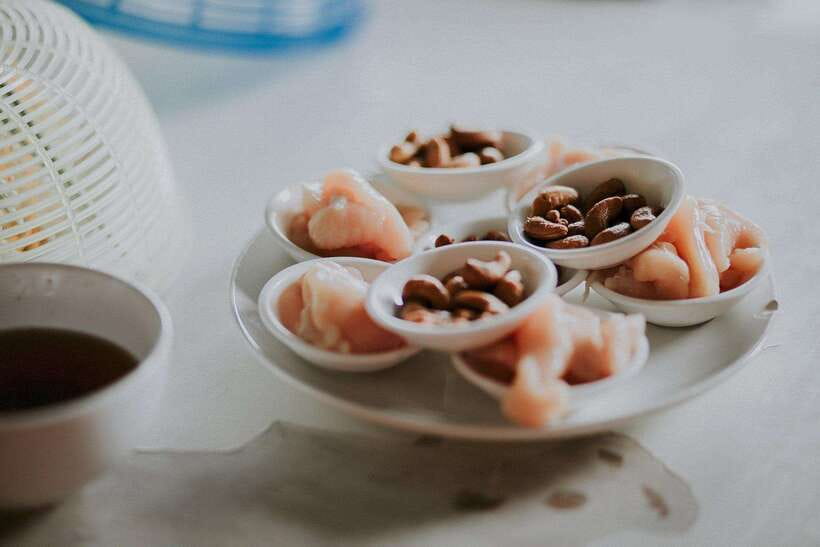
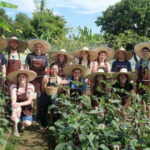
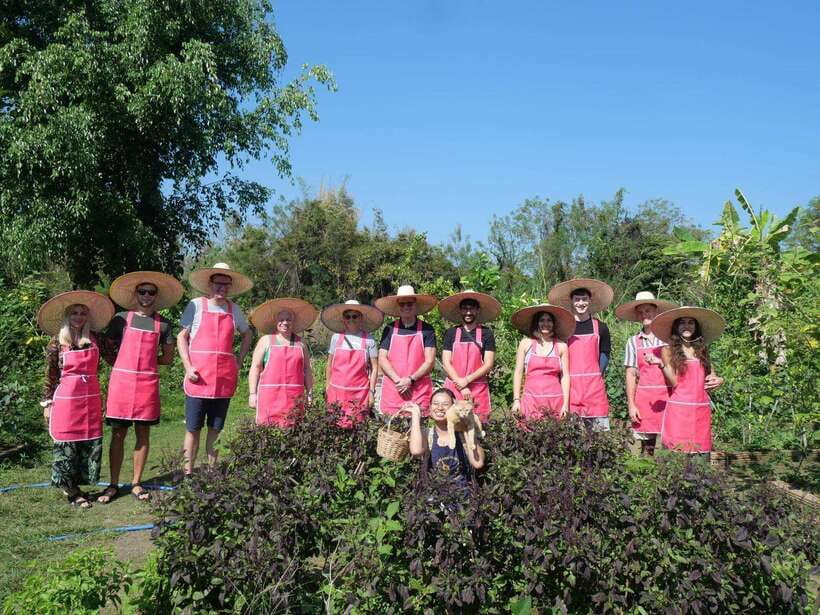
After the market, you’ll join a guided tour in the organic farm area. The goal here isn’t to pretend you’re living off the land. It’s to connect Thai food to the source ingredients, especially produce.
This matters because Thai cooking is heavy on fresh components—herbs, greens, and aromatics—plus ingredients that behave differently depending on freshness. A farm visit can help you notice what you’ll later try to recreate: texture, aroma, and the overall freshness of ingredients that Thai dishes rely on.
Even if you’re not the type who reads labels at the grocery store, this stop makes the cooking class feel more grounded. It also adds a calmer pace to the day. You’re not just rushing between indoor stations.
Cooking 5–6 Thai Dishes: Expect a Real Workshop
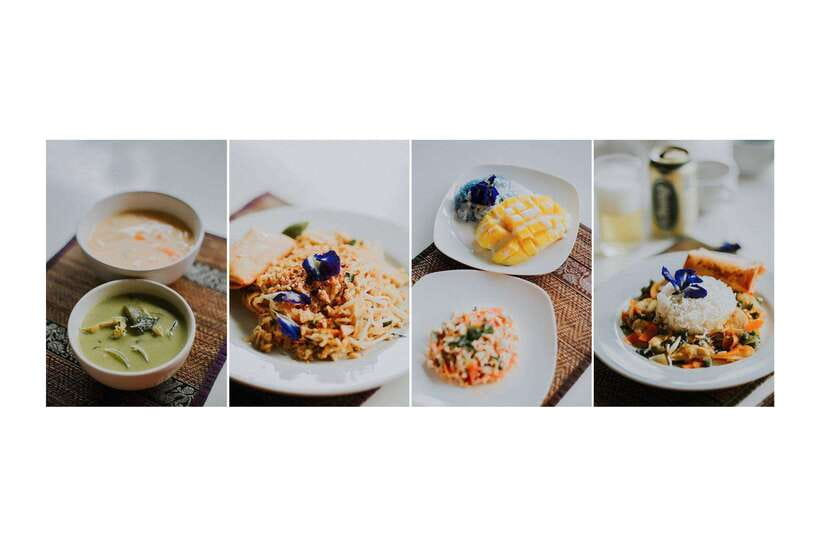
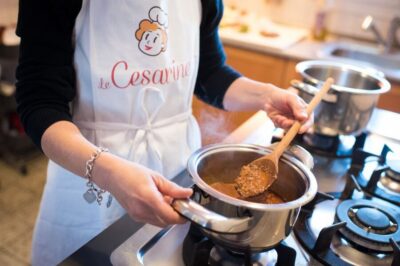
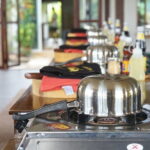
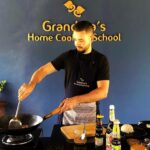
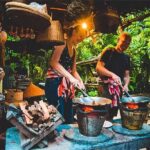
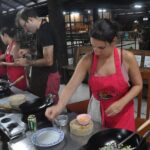
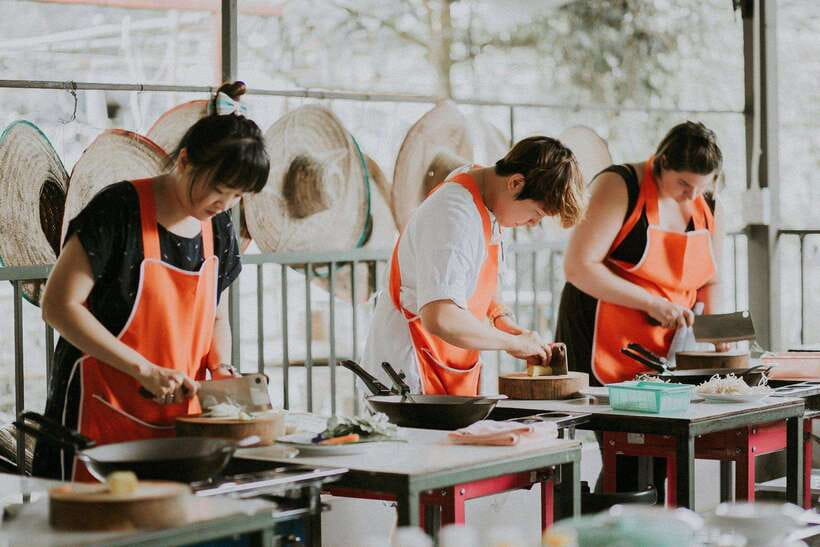
This class is built around hands-on cooking. You’ll work on 5–6 dishes, using all ingredients supplied for the course. The chef is there to guide you, and instruction is in English.
The menu options include (from the class’s sample lineup):
- Spring Roll (starter)
- Som Tum (papaya salad)
- Pad Thai (main)
- Cashew Nut with Chicken (main)
- Thai Green Curry (main)
- Massaman Curry (main)
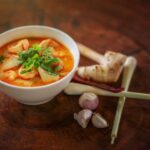
- Khao Soi (Chiang Mai noodle curry)
- Tom Yum (main)
- Tom Kha Kai (chicken in coconut milk soup)
- Sticky Rice with Mango (dessert)
One helpful thing: you’re not just cooking one dish and calling it a day. You’ll likely get a mix of noodle, curry, soup, and dessert. That variety gives you a better sense of how Thai flavors shift across categories—something you can’t learn from a single recipe alone.
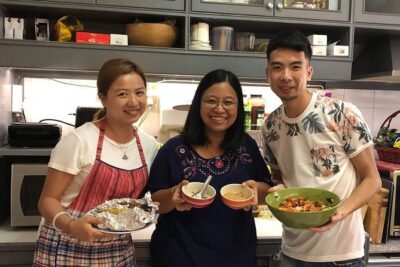
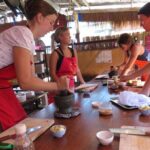
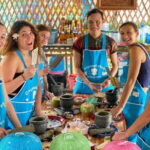
Also, you’re cooking with the group. That sounds simple, but it changes the experience. You’ll be tasting and comparing as you go, and it becomes easier to notice what makes one dish differ from another—coconut creaminess versus tamarind tang, for example, or curry richness versus noodle chew.
And yes, you’ll eat what you make. That’s a big deal for value, because you’re not only learning—you’re enjoying.

Eating in the Organic Kitchen Garden and Enjoying Your Own Food
After cooking, you’ll eat in a traditional Thai style setup in the organic kitchen garden. That’s the payoff moment: your hands did the work, and your meal reflects it.
This meal format is also a good way to learn without thinking too hard. As you eat, you can connect the taste to what you did during prep—how certain flavors came together, and what the dish is supposed to feel like.
If you’re trying to avoid over-planned tours, this is a nice change. You’re not sprinting to another stop. You’re sitting down with the group and finishing the day like a normal Thai meal.
Recipes You Can Actually Use at Home (PDF + Photo Album)
Cooking classes sometimes end with a thin pamphlet you never open again. Here, you get a stronger take-home package:
- a PDF recipe book you can use later
- a recipe book (so you have a physical version too)
- a photo album so you can remember how the dishes looked
That combination matters. When you try cooking again at home, you’re not guessing. You can check the recipe format and use the photos as a reference for end results—especially helpful for dishes like curry components and plated items.
You can also get more practical: if you liked certain dishes more than others, you’ll know exactly which recipe to repeat, instead of starting from scratch each time.
Value, Small-Group Size, and Who This Chiang Mai Class Fits
Let’s talk value. At $47 per person for an 8-hour day, you’re getting:
- hotel pickup and drop-off
- a visit to a local market
- a guided tour in an organic farm
- a hands-on cooking class
- all ingredients
- an English-speaking local chef
- a PDF recipe book (plus recipe book and photo album)
- drinking water
Most classes charge for the cooking part. This also includes the ingredient learning and the farm context, which helps you get more than just a meal and a memory.
The small group limit of 10 is also not a minor detail. It usually translates into:
- more chance to ask questions
- less waiting around for your turn
- better pacing when you’re chopping, mixing, and learning Thai technique
This experience is a great fit if you:
- want a Thai cooking class in Chiang Mai that teaches the why, not just the what
- enjoy food-focused travel with a structured day plan
- prefer calm, guided teaching rather than a crowded bus tour vibe
It’s less ideal if you hate long mornings. The 9:00 am start through about 3:30 pm can feel like a full working day, even though it’s fun.
Should You Book This Chiang Mai Thai Cooking Class?
I’d book it if you want a hands-on day with strong ingredient education: market first, organic farm context, then cooking and eating what you make. The recipe package (PDF plus recipe book and photo album) is the kind of follow-through that turns the class into something you can repeat at home.
I’d skip it only if your schedule can’t handle a long 9:00 am to 3:30 pm commitment, or if your hotel is outside the pickup radius (pickup is provided from Chiang Mai downtown within 3 kilometers of the old city, and you’ll need to check your exact location).
FAQ
What time does the class start and end?
The class starts at 9:00 am and returns to the city around 3:30 pm.
How long is the full-day cooking class?
It lasts about 8 hours.
How many dishes will I cook?
You’ll cook 5 to 6 dishes as part of the full course experience.
Is there an English-speaking instructor?
Yes, the instructor teaches in English.
What stops are included besides cooking?
You visit a local market in Chiang Mai and you also take a guided tour in an organic farm.
What recipes do I receive after the class?
You receive a PDF version of the recipe book online, plus a recipe book and a photo album.
What’s included in the price?
Hotel pickup and drop-off, market visit, hands-on cooking class, all cooking ingredients, a local chef, PDF recipe book, and drinking water are included.
Does the tour include pickup from all hotels?
Pickup is included from accommodations in Chiang Mai downtown and within a 3-kilometer radius of the old city. If your hotel is farther than that, you need to contact the provider.