REVIEW · CHIANG MAI
6-Hour Akha Tribe Culture and Cooking Class in Chiang Mai
Book on Viator →Operated by Oh-Hoo · Bookable on Viator
Thai and Akha cooking in six hours. I like how this class starts with a real local market run and ends with you cooking and eating what you bought, with teacher On keeping things lively.
You get the cultural context along the way, but one practical note: the kitchen setup is outdoor, so weather matters.
My favorite part is the sheer amount of food. You’ll cook 10 dishes (not just “a couple of recipes”), then sit down and eat apps, soups, stir-fries, curries, desserts, plus Akha specialties. On gives easy recipes and a recipe book, so you can repeat the good stuff at home.
The main drawback is how full you’ll be after. This is a proper meal experience, and it’s aimed at a small group (up to 15), so if you want a super slow, one-on-one pace, this may feel a bit fast.
In This Review
- Key Highlights You’ll Care About
- The Market Run That Changes How You Cook
- A 6-Hour Format That Actually Feels Like a Meal (Not a Snack)
- The Kitchen Setup: Outdoor Hands-On, Air-Conditioned Relief
- What You’ll Cook: 10 Dishes With Akha Flavor and Thai Staples
- Appetizers and desserts
- Akha specialties
- Stir-fries and noodle dishes
- Soups and curries
- Expect to taste as you go
- The Cultural Lessons: Akha Traditions Through Food
- Teacher On: When the Class Is Fun, You Learn Faster
- Value Check: Is $48.83 a Good Deal?
- Best Fit: Who Should Book This Akha Cooking Class?
- Morning vs Evening: Which Slot Makes More Sense?
- Getting There and What to Expect When You Arrive
- Should You Book This Cooking Class?
- FAQ
- How long is the Akha tribe culture and cooking class in Chiang Mai?
- Is there a local market visit to get ingredients?
- How many dishes will I cook and eat?
- Does the class support dietary restrictions?
- Is pickup available, and where does the tour start?
- What’s the group size?
Key Highlights You’ll Care About
- Local market shopping with no tourist special treatment so the prices and rhythms feel real
- Morning or evening class options to fit your Chiang Mai schedule
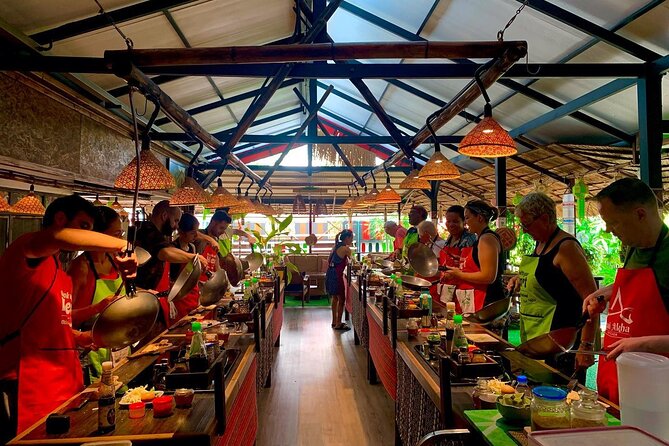
- Outdoor Thai-Akha kitchen vibe + air-conditioned dining room for comfort at mealtime
- Cook and eat 10 dishes including Akha soup and Thai curries
- A teacher named On who makes the class fun and keeps instructions clear
- Dietary needs are supported for allergies, gluten intolerance, vegetarian diets, and other requirements
The Market Run That Changes How You Cook
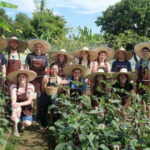
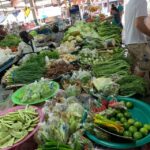
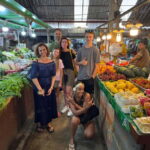
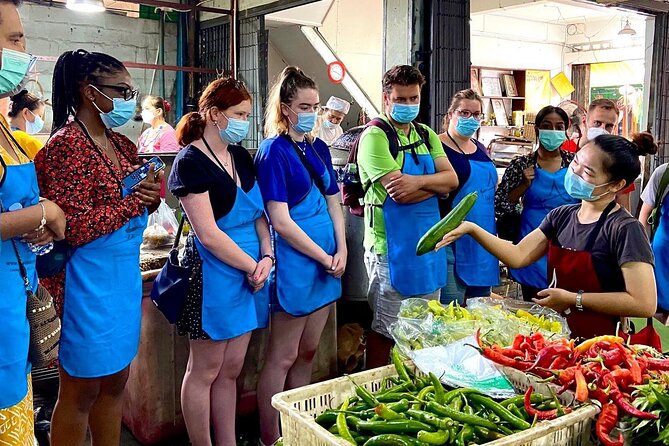
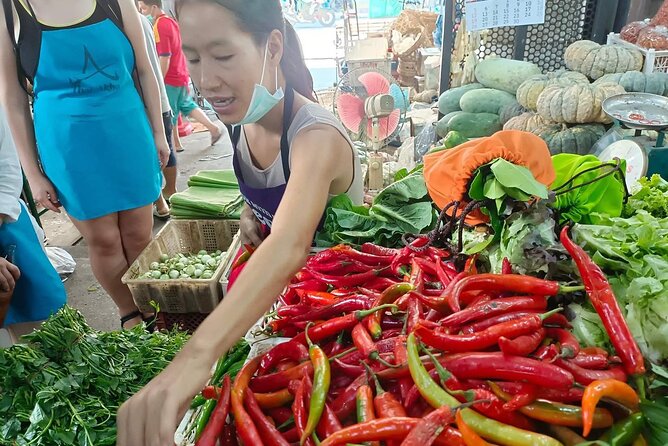
This tour isn’t only about a cooking class. The ingredient shopping comes first, and that’s a big reason it works. You’ll head to a local market where you can see how people actually buy produce, herbs, and cooking basics day to day.
There’s a line you’ll hear about it being same same, but different. That idea matters because Thai markets don’t operate like a typical Western grocery run. You’re dealing with different layouts, different product habits, and different pricing vibes. You’ll get treated like a person shopping with locals, not like someone being shepherded for photo ops, which keeps it honest and useful.
What I love here is how it sets you up for cooking. When you’ve picked out ingredients (and paid local prices), the recipes feel less like instructions and more like a system you can recreate. If you’ve ever cooked Thai food at home and wondered why it didn’t taste right, this market context helps you spot what you might be missing—like the balance of herbs, aromatics, and fresh produce that Thai cooking relies on.
Practical tip: markets can be hot and busy. Wear comfortable shoes you can stand in for a while, and keep water handy. If you’re doing the evening class, you’ll still want to stay hydrated, but it’s often easier on your feet than the midday heat.
You can also read our reviews of more tours and experiences in Chiang Mai.
A 6-Hour Format That Actually Feels Like a Meal (Not a Snack)
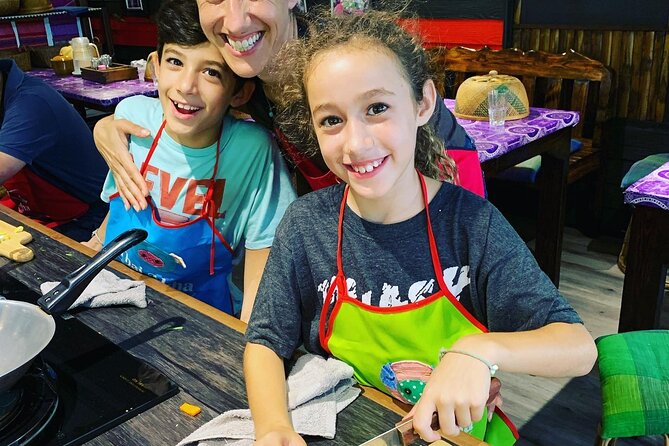
The class runs about 6 hours, with pickup offered and the tour ending back at the meeting point. That timing is long enough to learn, cook, taste, and eat without feeling rushed. It’s also short enough that you won’t lose an entire day to one activity.
You’ll choose a morning or evening course. Both are built around the same core idea: shop for ingredients, cook Thai and Akha dishes, then eat what you made. The difference is mainly your energy and the temperature. The evening option is pitched as a better fit for a busy day, and also as a more comfortable time to be cooking.
One small but important detail: there’s a max group size of 15 travelers. That matters more than it sounds. In a hands-on cooking class, smaller groups usually mean you spend less time waiting and more time cooking (and asking questions).
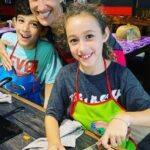
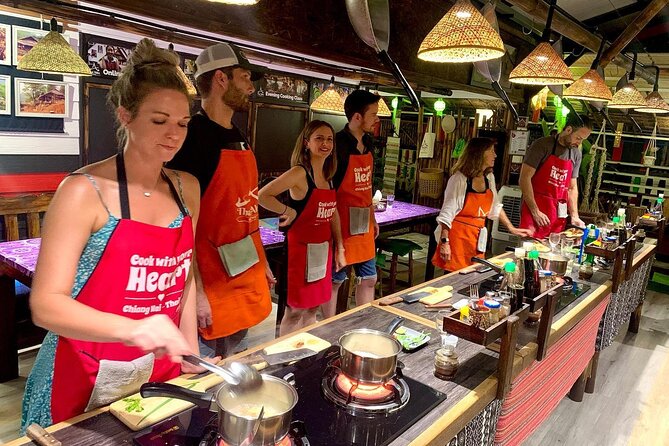
And yes, you’ll be busy. You’re not just watching demonstrations. You’ll be part of the kitchen flow—chopping, mixing, cooking, and tasting as you go—then finishing with a full sit-down meal.
The Kitchen Setup: Outdoor Hands-On, Air-Conditioned Relief
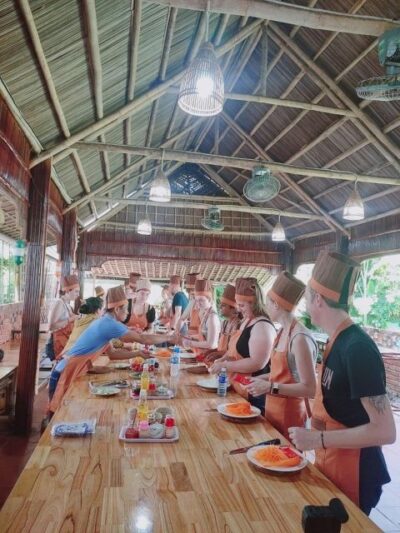
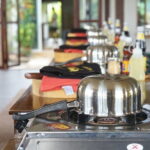
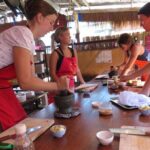
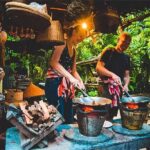
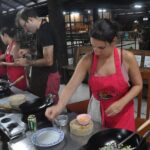
The cooking happens in an outdoor set up with a mix of Thai-Akha culture atmosphere. That’s part of the charm, and it can also be the reason you should pay attention to the forecast. This experience requires good weather, and on the rare occasion tours are canceled due to poor weather, you’ll be offered an alternative date or a full refund.
Here’s how to think about it: you’re coming for Thai-Akha cooking and culture, and the outdoor kitchen is part of the lived-in feel. Just don’t plan to do this in the middle of a day you’ve already stacked with other outdoors plans and tight timing. If the weather is iffy, your whole day can swing with it.
Then there’s the smart balance: the dining room is air-conditioned. So even if you’re sweating a bit at the outdoor cooking station, you’ll get real downtime once the meal starts. That little contrast makes a huge difference after hours of standing and stirring.
If you’re the type who hates being sticky and uncomfortable, the evening class can feel especially worth it. If you’re fine with heat and want to get your day going, the morning slot can work well too.
What You’ll Cook: 10 Dishes With Akha Flavor and Thai Staples
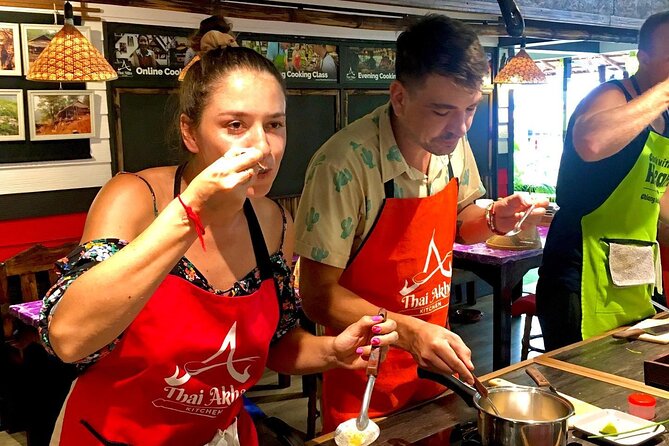
This is the part people usually underestimate until they see the menu. You’ll create 10 dishes, and you’ll get to eat them afterward. That means you’re learning recipes that show up on your own plate, not just a few “samples.”
To make this practical, here’s the food mix you can expect, broken down by categories:
Appetizers and desserts
You’ll start with papaya salad and spring rolls. These are classic anchors in Thai cuisine, and they also teach you important building blocks—sweet-sour balance in papaya salad, and texture and filling logic in spring rolls.
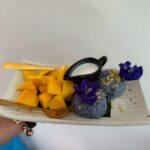
Desserts include mango with sticky rice and pumpkin in coconut milk. Both are a strong way to learn how Thai cooking treats sweetness. They also help you understand how coconut milk and fruit flavors work together, not just separately.

Akha specialties
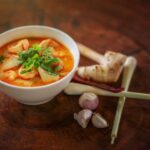
You’ll also cook Akha dishes, including:
- Sapi Thong (a tomato dipping sauce)
- Akha Salad
- Akha Soup
These are the dishes that make the title worth it. The Akha side isn’t just a label; you’re eating actual Akha preparations and learning how they show up on the table.
Stir-fries and noodle dishes
For stir-fries, you’ll cover a spread that includes:
- Sweet & Sour Vegetables
- Cashew Nut with Chicken
- Chicken with Hot Basil
- Pad Thai
This set is great for learning because it covers different sauce styles and flavor goals. Hot basil teaches a sharp, aromatic edge. Sweet and sour gives you the logic of balancing acidity and sweetness. Pad Thai is a must if you want a recipe you can repeat at home without special equipment.
Soups and curries
You’ll also cook multiple soups and curries, which is where Thai cooking often makes or breaks the flavor:
- Soups: Chicken in Coconut Milk, Hot & Sour Prawn Soup, and Clear Soup with Egg Tofu
- Curries: Chicken Green Curry, Chicken Red Curry, Panang Curry, and Massaman Curry
- Plus curry paste and curry learning as part of the cooking focus
If you’ve ever been frustrated trying to copy curry at home, this category is the reason to take a class like this. Curries aren’t just “spice powder in sauce.” They’re layered flavor systems, and learning them in context (after market shopping) makes the recipes stick.
Expect to taste as you go
The class structure includes eating a lot of the food you cook. Come hungry. The good kind of full is the point here, and the menu supports that. You’ll leave with a full belly and stronger confidence in the recipes than you’d get from a quick demo class.
The Cultural Lessons: Akha Traditions Through Food
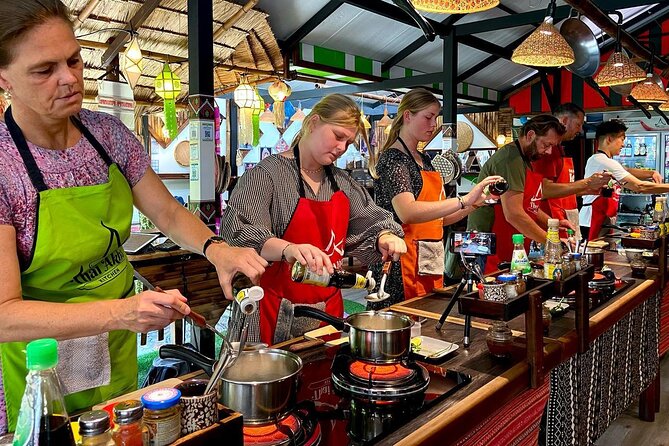
This experience doesn’t treat Akha culture as a side dish. You’ll learn about the Akha people—an ethnic community that immigrated to Thailand in the 1900s—and you’ll hear how traditions show up in cooking and table culture.
I like that the cultural story is connected to what you’re doing with your hands. You’re not just told facts while watching someone else cook. You’re cooking Akha and Thai food with the history and traditions in mind, which makes it easier to remember and harder to treat as a novelty.
Also, you learn about Thai culture through food. That’s a smart approach because Thai cuisine is a “working language.” You can understand a lot about a place by understanding what people cook, what they value in ingredients, and how meals are structured.
If you enjoy learning by doing—taste, cook, repeat—you’ll get a lot out of this format. If you only want a cooking class with no cultural framing, you may still enjoy it, but the cultural component is clearly part of the deal.
Teacher On: When the Class Is Fun, You Learn Faster
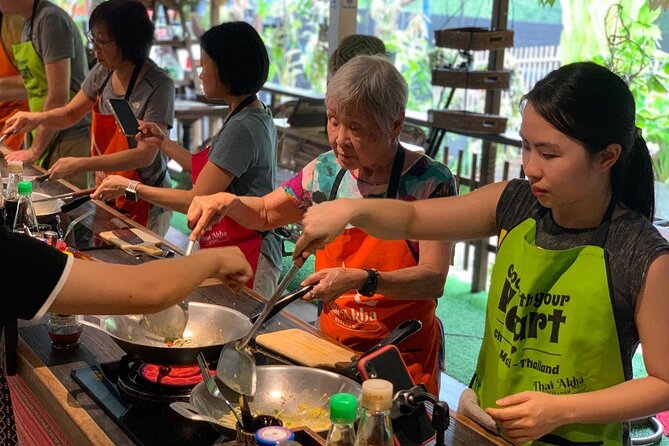
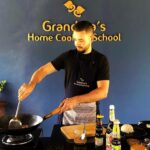
One of the strongest signals in the reviews is about the teacher. On is described as amazing and makes the class fun. That matters because cooking classes can go two ways: either everyone follows steps quietly and hopes for the best, or the teacher keeps energy up and breaks down the tricky parts.
This class leans into the second style. The recipes are said to be easy, and you get a recipe book at the end. That’s a practical combination: fun during the class, plus something you can use later when you want to cook again.
When you see easy recipes paired with a real volume of dishes, that’s usually a sign the instructor has good pacing and clear guidance. In a class where you’re making 10 dishes, instruction quality is the difference between a smooth meal and a chaotic one.
Value Check: Is $48.83 a Good Deal?
At $48.83 per person for about 6 hours, this is priced in the “serious experience” category, not the budget snack class category. But the value stacks up fast:
- You cook and eat 10 dishes, including multiple curries, soups, stir-fries, appetizers, and desserts.
- You get guided shopping at a local market, which many cooking classes skip or simplify.
- You receive a recipe book, which adds real usefulness after your trip.
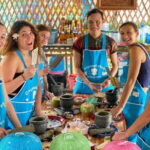
- Group size is capped at 15, which helps you get attention and keeps it interactive.
When you compare it to the cost of one good Thai meal plus a separate market experience plus a cooking lesson, it starts to look like a bundled deal that actually saves time. Even more importantly, you leave with skills and flavor patterns you can repeat.
One caution on value: because the meal is so substantial, you should plan to eat this as your main food event. If you schedule it and then also plan a big dinner right after, you’ll feel it.
Best Fit: Who Should Book This Akha Cooking Class?
I’d point you toward this class if:
- you want Thai food with an Akha angle, not only standard tourist Thai dishes
- you like learning by cooking and eating, not just watching
- you want a hands-on class that produces a full meal
- you care about dietary needs; the class supports allergies, gluten intolerance, vegetarian diets, and other requirements
I’d think twice if:
- you get stressed in outdoor settings (because the kitchen is outdoor)
- you hate being very full afterward
- you’re looking for a super private, slow-paced, highly customized class
It’s also a solid option for people who want an experience that feels local. The market approach is described as no special tourist treatment, and that matters for authenticity.
Morning vs Evening: Which Slot Makes More Sense?
Choosing between morning and evening is mostly about comfort and your day plan.
Morning class works if you want to start earlier, shop while the market energy is fresh, and get your cooking done early. It can also help you avoid stacking your day with too many later activities.
Evening class is best if you want a home-cooked dinner experience without planning where to eat. The kitchen is cooler in the evening, and the dining room has air-conditioning, so the whole experience can feel more relaxed after a day of sightseeing.
If your schedule is packed, the evening option is usually the easiest win. If you’re awake and energetic early, morning can be just as good.
Getting There and What to Expect When You Arrive
The start point is Wat Pan Whean, on Phra Pok Klao Rd Soi 4, Tambon Phra Sing, Amphoe Mueang Chiang Mai. The tour ends back at the meeting point.
Pickup is offered, which makes it easier if you’re staying outside the most walkable areas. The meeting point is near public transportation too, so you have options.
You’ll also get a mobile ticket. That’s a small thing, but it reduces friction on travel days.
Should You Book This Cooking Class?
Yes, if your goal is real Thai food skills with an Akha cultural connection, and you’re happy to treat it as a proper meal. The combination of a local market ingredient run, cooking 10 dishes, and eating what you make is the core strength. Add teacher On, easy recipes, and a recipe book, and this becomes one of those classes that doesn’t just entertain you for a few hours.
Book it especially if you want something more meaningful than a simple cooking demo. This one links food, culture, and technique, and it does it with enough structure that you’ll leave feeling capable, not just entertained.
FAQ
How long is the Akha tribe culture and cooking class in Chiang Mai?
It’s approximately 6 hours.
Is there a local market visit to get ingredients?
Yes. You’ll go to a local market to source ingredients for your cooking class.
How many dishes will I cook and eat?
You’ll create 10 dishes and eat them after the session.
Does the class support dietary restrictions?
Yes. It can accommodate special dietary requirements such as allergies, gluten intolerance, vegetarian diets, and other needs.
Is pickup available, and where does the tour start?
Pickup is offered. The tour starts at Wat Pan Whean and ends back at the meeting point.
What’s the group size?
The tour/activity has a maximum of 15 travelers.