REVIEW · CAMBODIA
Sambo cooking class
Book on GetYourGuide →Operated by Sambo khmer and thai restaurant · Bookable on GetYourGuide
Cooking Khmer food is easier than you think. At Sambo Cooking Class in Siem Reap Province, you learn Khmer dishes from Sokha and her restaurant team, then eat a full three-course lunch you cooked yourself. I especially like the specific lineup (glass noodle salad, Fish Amok, banana in coconut) and the fact it feels hands-on, not like a demo. The main thing to consider is that transportation isn’t included, so you’ll want your own way to get to Sambo Khmer and Thai Restaurant.
You’re also in a small group, max 12 people, and the class is taught in English. I like that you get practical training plus a take-home recipe fact sheet, so the flavors don’t fade the minute you leave the restaurant. If you’re vegetarian or have allergies, tell them in advance, because they say they can possibly make allowances, not guarantee every swap.
In This Review
- Key things I’d put on your radar
- Sambo Cooking Class in Siem Reap: Three-Course Khmer Lunch for $33
- Who Runs It (Sokha and the Restaurant Team) and Why It Matters
- The 2-Hour Flow: What You Cook From Starter to Dessert
- Start with the glass noodle salad
- Then tackle Fish Amok for the main course
- Finish with banana in coconut (dessert)
- What You Eat (and Why It Feels Like a Real Meal)
- Price and What You Get: Value Beyond the $33 Tag
- Dietary Needs: When You Should Ask for Adjustments
- Group Size, Timing, and Logistics That Actually Affect Your Day
- Who This Cooking Class Is Best For
- Should You Book Sambo Cooking Class?
- FAQ
- How long is the Sambo cooking class?
- What are the class start times?
- Where do I meet, and do I return there?
- How much does it cost?
- What dishes do you cook in the class?
- Is vegetarian food available?
- Do you provide ingredients and cooking tools?
- Is the class taught in English, and is it wheelchair accessible?
- Is transportation included, and what’s the cancellation policy?
Key things I’d put on your radar
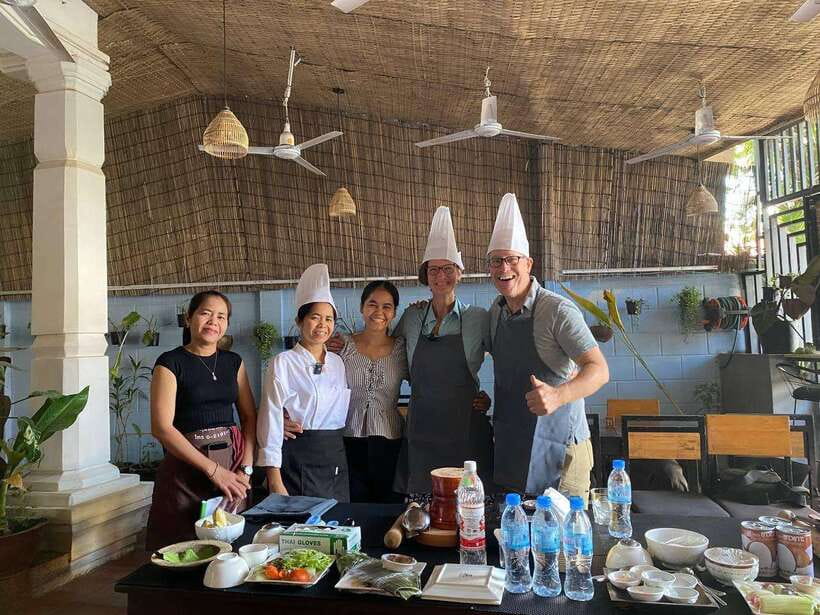
- Small-group format (max 12) keeps the class lively and your questions from getting lost
- Restaurant chef-led lessons with Chef Sokha and experienced staff
- Three specific dishes: glass noodle salad, Fish Amok, and banana in coconut
- Hands-on prep and cooking using ingredients and utensils provided
- Lemongrass tea included with water during the class meal
- Take-home support via a recipe fact sheet sent by email or WhatsApp, plus a completion certificate
Sambo Cooking Class in Siem Reap: Three-Course Khmer Lunch for $33
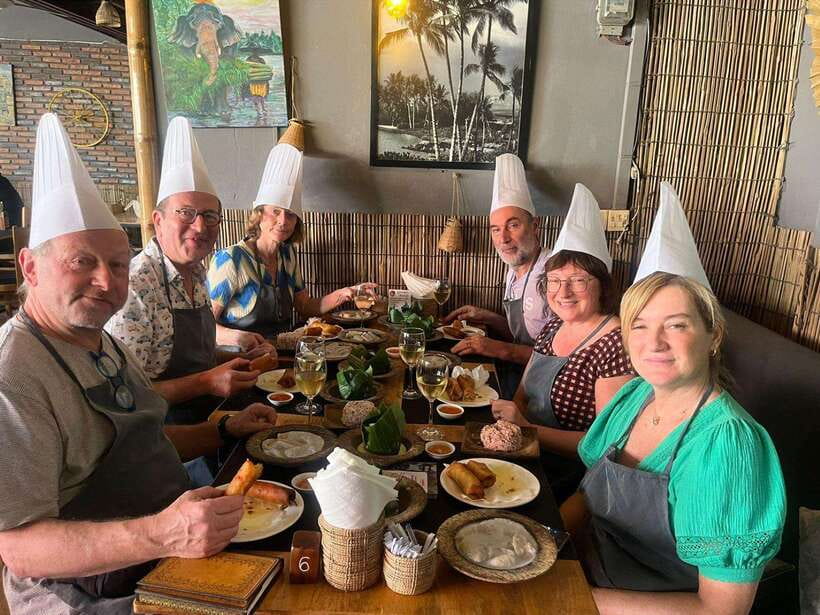
This is a straightforward kind of experience. You show up at Sambo Khmer and Thai Restaurant in Siem Reap Province, cook for about two hours, and end with the lunch you made. The price is $33 per person, which lands as good value because your ticket covers not just instruction, but the ingredients, utensils, and a full starter-to-dessert meal.
And it’s not just “eat some Khmer food.” You’re learning techniques behind dishes people order in Cambodia for a reason. That matters if you’re the type who wants to repeat a meal later, not just remember what it tasted like.
Who Runs It (Sokha and the Restaurant Team) and Why It Matters
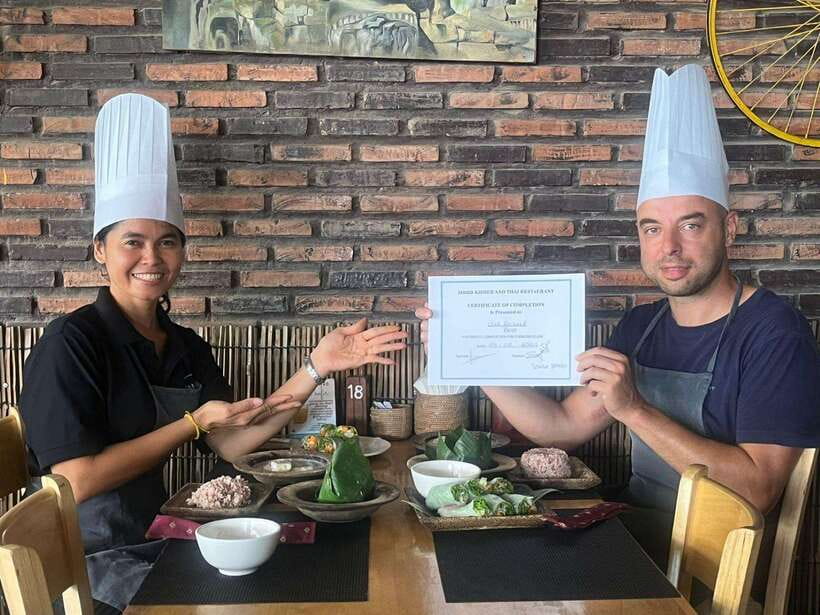
Chef Sokha runs the Sambo Cooking Class, coming directly from the Sambo Khmer and Thai Restaurant. That’s a big deal, because the class isn’t powered by hobby cooks or someone reading from a script. The approach described here is interactive and education-focused, with experienced staff helping you as you cook.
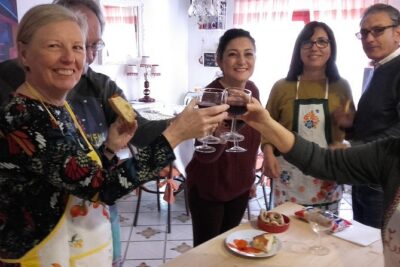
One detail I really like from the way the experience is framed: it’s built for fun as well as learning. The class is described as something you do with a laugh, not a quiet culinary lecture. That energy helps when you’re learning unfamiliar Khmer steps—your confidence stays high because you’re not trying to be perfect.
The instructor language is English, so you’re not stuck playing cooking-translation games. And you’re not alone in the kitchen; the group is capped at 12, which usually means you get attention when you need it.
The 2-Hour Flow: What You Cook From Starter to Dessert
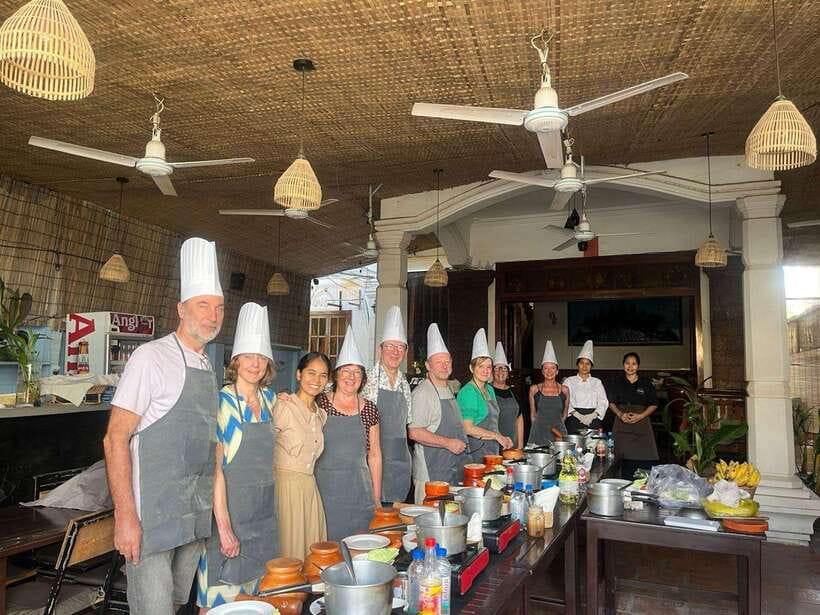
The class runs for two hours, with two daily time slots: 10am–12pm and 1pm–3pm. You’ll start and end at the same meeting point: Sambo Khmer and Thai Restaurant. That simple structure is handy on a travel schedule—you don’t need a half-day with complicated transport plans.
Here’s what your cooking journey looks like in plain terms.
Start with the glass noodle salad
Your starter is glass noodle salad. Expect you’ll be working with ingredients and assembling the salad as a real dish, not just chopping for show. Glass noodles are a common Cambodian staple, and learning how to balance them is useful for anyone who wants to recreate Cambodian flavors later.
This starter also helps you get warmed up. You get comfortable with the kitchen rhythm early, before moving on to the main dish that tends to be the showstopper.
Then tackle Fish Amok for the main course
The main course is Fish Amok. If you’ve had Cambodian cuisine before, you’ve probably heard of this dish. If you haven’t, it’s the kind of meal that gives you that unmistakable Khmer identity—aromatic, savory, and rich.
This is where hands-on guidance matters most. Fish Amok involves flavor building, getting the texture right, and handling ingredients carefully so it turns out as intended. You’ll have the ingredients and utensils provided, which makes the class feel practical. You can focus on technique instead of hunting for tools or special items.
Finish with banana in coconut (dessert)
For dessert, you’ll make banana in coconut. Dessert is often the section that surprises people—in a good way. Coconut-based sweets can be both comforting and bright, and learning how to prepare it gives you an easy win for future home cooking.
Also, by the time you hit dessert, you’re already warmed up. The last course tends to be the most relaxed part, and it’s a satisfying way to close out the class.
What You Eat (and Why It Feels Like a Real Meal)
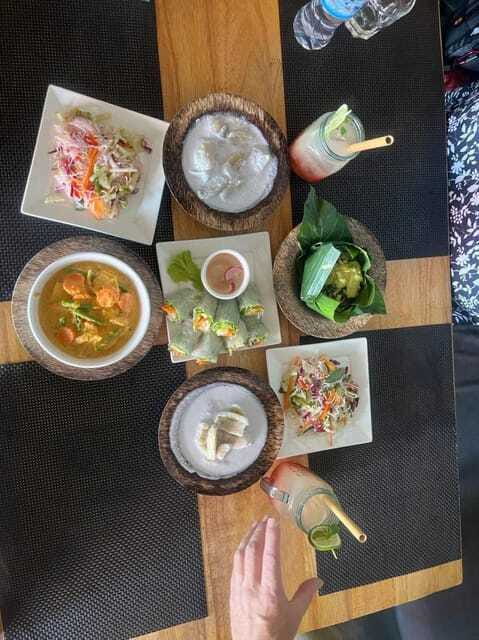
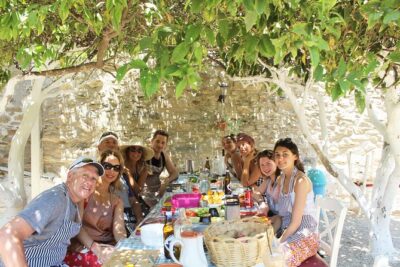
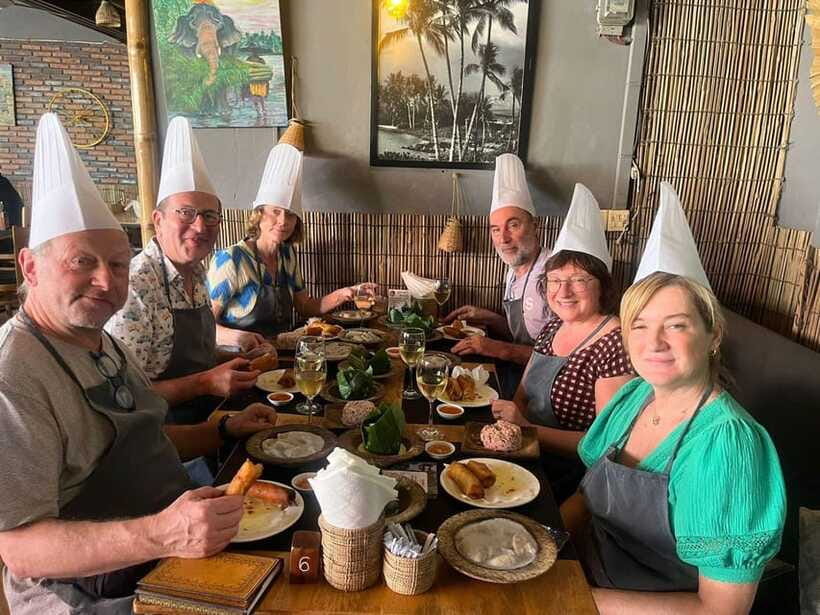
You’re not just tasting little bites while you cook. You get to enjoy the lunch you prepared, in a three-course format: starter, main, dessert. That means the experience includes both the learning and the reward.
During the class, lemongrass tea and water are provided. Lemongrass is a signature in many Southeast Asian cuisines, so it also helps tie everything together. You get a drink that matches the flavor world you’re cooking in, which makes the meal feel cohesive.
There’s another small but meaningful detail: the class includes a completion certificate. It’s not food science, but it does make the whole thing feel like an actual workshop, not a quick activity you can forget five minutes later.
Price and What You Get: Value Beyond the $33 Tag
At $33, you’re paying for more than “someone teaching you to cook.” Your class includes:
- Experienced working restaurant chef instruction (Sokha and staff)
- Ingredients for your dishes
- All cooking utensils
- Enjoyment of the three-course meal you cook
- Lemongrass tea and water
- A recipe fact sheet sent to you by email or WhatsApp
- Completion certificate
That take-home recipe fact sheet is quietly valuable. Cambodian cooking is often about balance—aromatics, texture, and how flavors sit together. If you don’t write things down, you end up with a memory that’s hard to reproduce. A sent fact sheet makes it easier to recreate the dishes after your trip, even if you don’t cook every day.
The only “price downside” angle is what isn’t included: transportation and alcohol. If you’re relying on taxis, rideshares, or tuk-tuks, factor that in so the total cost stays predictable.
Dietary Needs: When You Should Ask for Adjustments
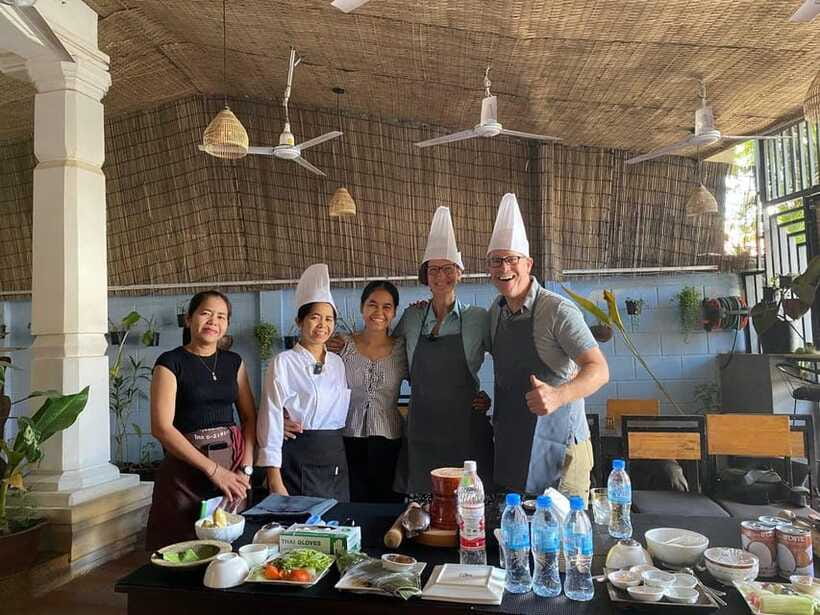
The class says vegetarian options are available. It also says if you are vegetarian or have an allergy with some kind of food, you should let them know, and they can possibly make allowances.
That wording matters. It’s not a hard guarantee for every allergy scenario, so if you have serious dietary restrictions, contact them before you book and be specific about what you can’t eat. If you want the vegetarian option, ask early so the kitchen can plan the swaps for the dishes you’ll cook.
If you’re coming with allergies, bring your expectations down to one simple reality: you’re sharing ingredients and methods in a working restaurant kitchen. You’ll get the best results if you communicate clearly and early.
Group Size, Timing, and Logistics That Actually Affect Your Day
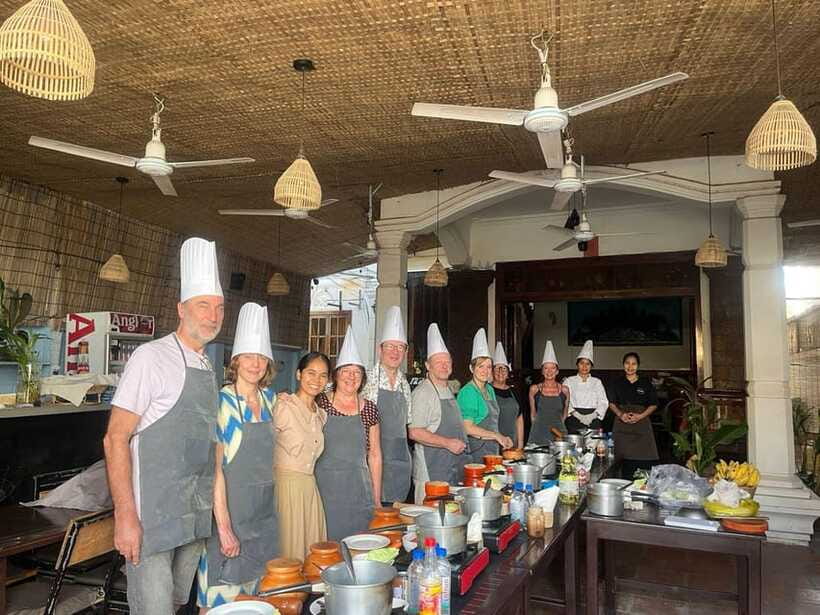
Max group size is 12, which keeps this from becoming a chaotic crowd event. Smaller groups are where you tend to get real instruction instead of just watching someone cook around you.
You can choose from 10am–12pm or 1pm–3pm. The two-hour format also means you can pair it with other Siem Reap activities without your schedule turning into a domino chain. And since the class both starts and ends at the restaurant, you don’t have to worry about complicated pickups.
Wheelchair accessibility is listed as available, and that’s worth considering. If mobility is a factor for you, it’s smart to confirm details with the operator before you go, since accessibility can vary by chair size, door width, and kitchen layout.
Who This Cooking Class Is Best For
This class fits best if you want three things at once: hands-on cooking, a set menu, and a full lunch you actually eat.
It’s a great option if:
- You love Cambodian food and want to learn the dishes behind it
- You want a fun, guided activity with a small group
- You like the idea of take-home recipes by email or WhatsApp
- You’re visiting Siem Reap and want something more meaningful than another market stop
It might be less ideal if:
- You require strict allergy accommodations and need certainty beyond what the operator says they can possibly do
- You don’t have a plan to get to the meeting point, since transportation isn’t included
Should You Book Sambo Cooking Class?
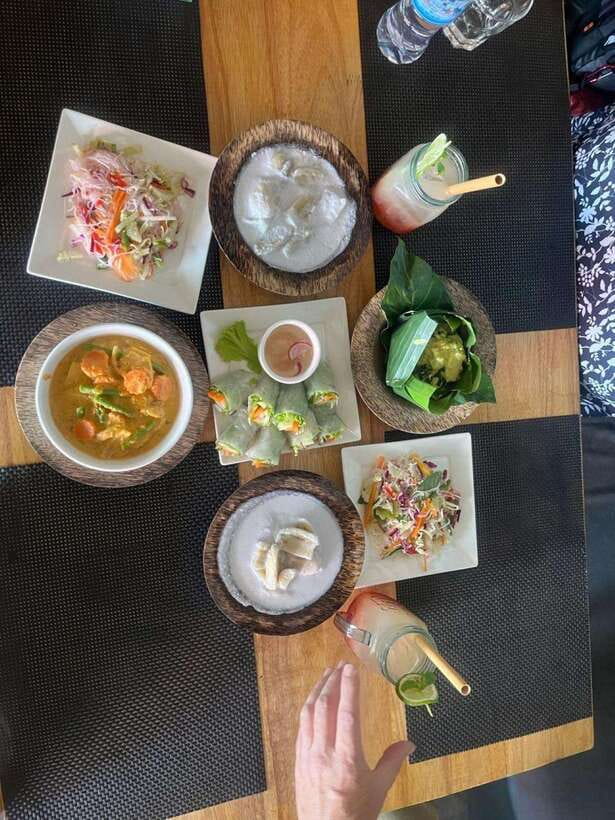
Yes, I’d book it if you’re in Siem Reap and you want a two-hour, chef-led class that ends with a real three-course meal. At $33, the value is strong because you get ingredients, utensils, instruction, drinks, and a take-home recipe sheet—not just a short tasting.
Book with confidence if you’re excited to cook Fish Amok, you’re curious about Khmer flavors, and you’ll appreciate the fun atmosphere. Skip it or ask extra questions first if you have serious allergies, or if getting to the restaurant is hard for your schedule.
If your goal is to leave Cambodia with a dish you can recreate, this class gives you a direct path to do that.
FAQ
How long is the Sambo cooking class?
The class lasts 2 hours.
What are the class start times?
There are two time slots: 10am–12pm and 1pm–3pm.
Where do I meet, and do I return there?
You start at Sambo Khmer and Thai Restaurant and the activity ends back at the same meeting point.
How much does it cost?
The price is $33 per person.
What dishes do you cook in the class?
You cook three courses: glass noodle salad (starter), Fish Amok (main), and banana in coconut (dessert).
Is vegetarian food available?
Yes, vegetarian options are available. If you’re vegetarian or have allergies, you should let them know so they can possibly make allowances.
Do you provide ingredients and cooking tools?
Yes. The class includes ingredients for your dishes and all cooking utensils.
Is the class taught in English, and is it wheelchair accessible?
The instructor is English-speaking, and the class is listed as wheelchair accessible.
Is transportation included, and what’s the cancellation policy?
Transportation and alcohol are not included. You can cancel up to 24 hours in advance for a full refund.