REVIEW · POSITANO
Positano: Small-group Cooking Class at a Local’s Home
Book on GetYourGuide →Operated by Cesarine · Bookable on GetYourGuide
A real meal starts before the first bite. This Positano cooking class feels personal because you cook in a local home with an expert home cook guiding the work.
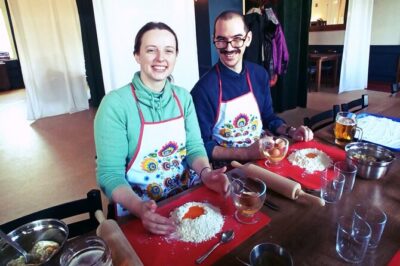
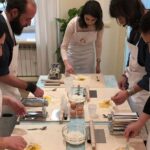
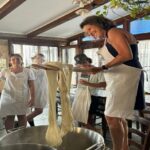
What I like most is that you’re not just watching or tasting. You’re making an appetizer, a pasta dish, and a dessert from scratch at a shared workstation with utensils and ingredients ready for you.
My second favorite part is the sit-down finish. You taste everything you prepared with a selection of local red and white wines, plus water and coffee, in a relaxed setting where the host shares local specialties from their family cookbook.
One drawback to plan for: the address is shared only after booking, and some sessions are set in the wider area (for example, Priano), so you’ll want to budget time for getting there.
In This Review
- Key takeaways before you book
- Positano’s Home-Kitchen Format: Why This Feels More Local
- Your 3-Course Lesson: Appetizer, Fresh Pasta, and Dessert
- How the Cooking Class Runs, Step by Step
- The Tasting and Wine Pairing Part You’ll Remember
- Getting the Address, Getting There, and Not Stressing
- Price and Value: What You’re Really Paying For
- Who This Cooking Class Is Best For
- What Makes the Experience Feel Authentic
- Should You Book This Positano Cooking Class?
- FAQ
- What is the duration of the cooking class?
- How big is the group?
- What will I cook during the class?
- What happens after I book regarding the meeting location?
- What beverages are included?
- What language is the instructor?
- Is this experience suitable for wheelchair users?
- Can I cancel for a full refund?
Key takeaways before you book

- Small group, max 10: more hands-on help and less standing around.
- Three-course cooking: appetizer, fresh pasta, and dessert from scratch.
- Wine included: red and white local wines pair with the meal you made.
- Family-cookbook storytelling: you learn the why behind regional choices, not just steps.
- Address after booking: plan transport once you get the full location.
Positano’s Home-Kitchen Format: Why This Feels More Local
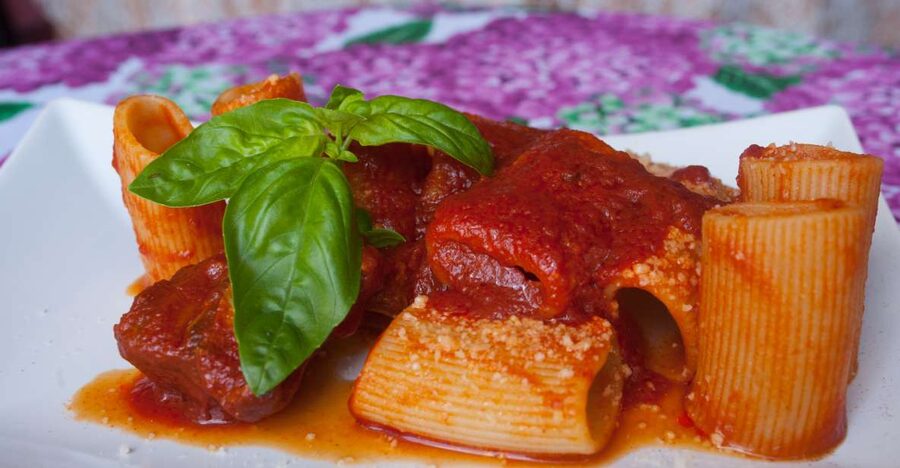
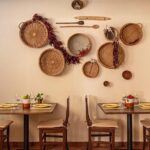
Positano can be tourist-heavy, especially in peak season. This is the antidote. Instead of a classroom kitchen or a busy restaurant line-up, you work in a real home environment, guided by a host who cooks for their own life, not for a show.
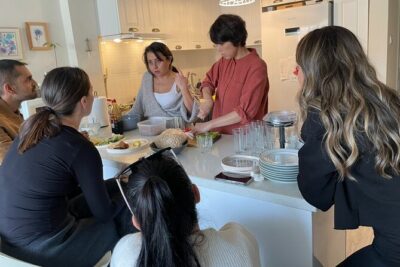
That home base matters. You get a calmer pace, more direct questions, and a sense of how Italian meals actually happen: prep first, then shared conversation, then the table. In a small group limited to 10, the instructor can check your technique without rushing you.
You’ll also get a host who teaches like a person, not like a lecturer. In the network, I’ve seen hosts such as Carla and Rocco praised for their hosting style, including a playful, dry sense of humor. Another host type that shows up in accounts of these experiences is Chef Antonio, noted for clear teaching and a meal people felt was among the best in Italy. The takeaway for you: the personality of the host is part of the value.
You can also read our reviews of more tours and experiences in Positano.



Your 3-Course Lesson: Appetizer, Fresh Pasta, and Dessert
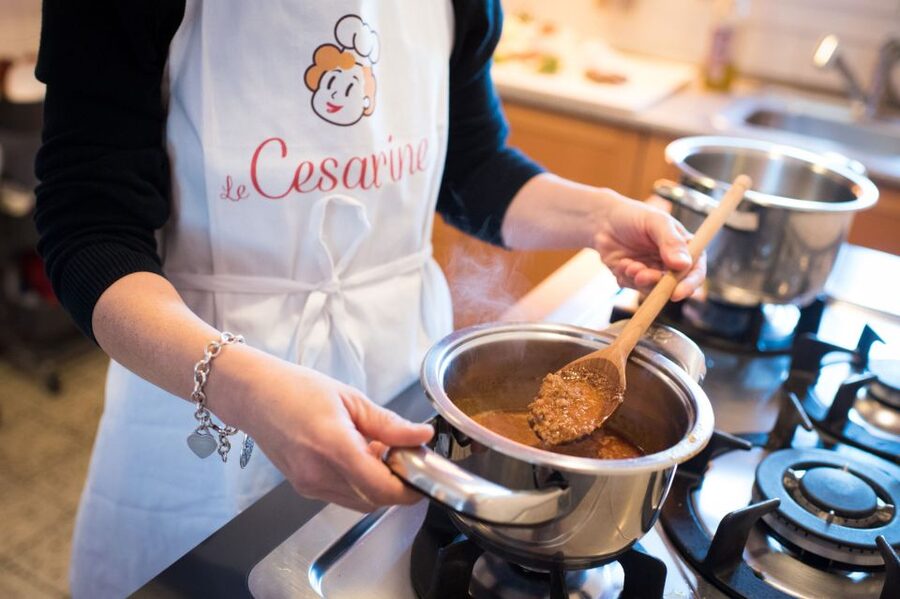
This is a true three-course class. You’ll prepare:
- An appetizer using seasonal ingredients
- A fresh pasta dish from the region
- A typical dessert to close the meal
Why that menu structure is smart: it forces you to learn different skills, not just one. Appetizers train you on seasonal flavor and timing. Fresh pasta trains technique and patience. Dessert shifts you into Italian comfort-land and helps you take the class home in a way you can remember and repeat.
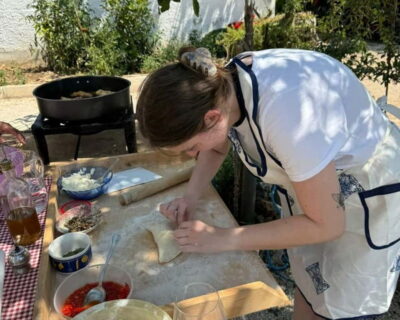
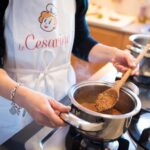
Even if you consider yourself a beginner, the setup is designed to help. Each participant has a workstation with utensils and all the ingredients you need. That means you’re cooking, not improvising.
And you’re not just making a dish to check off a list. The class is built around tasting the result. When you sit down after cooking, everything on the table is yours. That makes the lesson stick, because your brain connects method to flavor immediately.
How the Cooking Class Runs, Step by Step
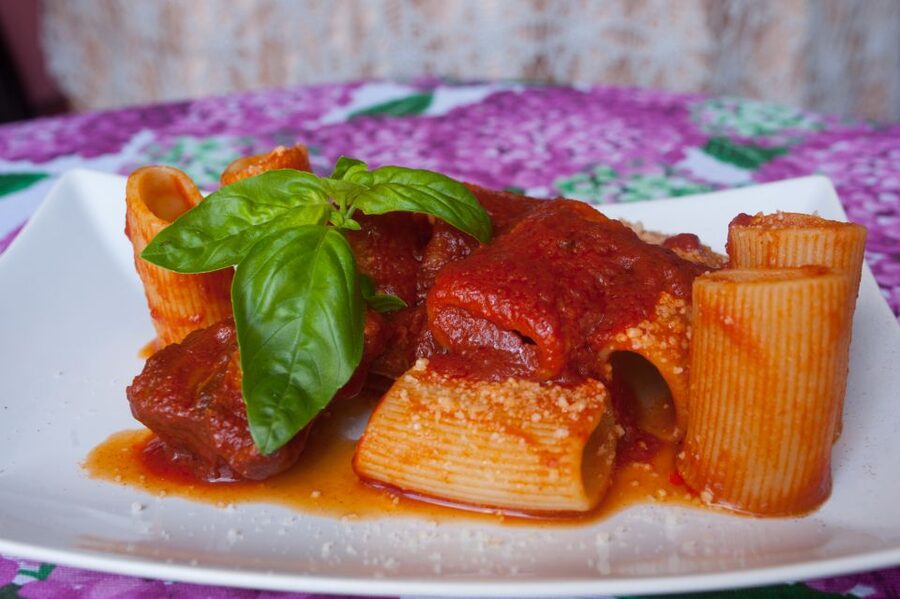
The experience is scheduled for about 3 hours, and the focus is on three authentic recipes. During the lesson, your host shares the tricks that make Italian cooking work at home.
Here’s what that typically feels like in practice, and what you should expect you’ll do:
- You’ll start with an appetizer, where the host explains the role of seasonal ingredients and how to balance flavors.
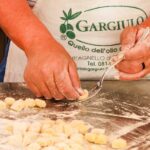
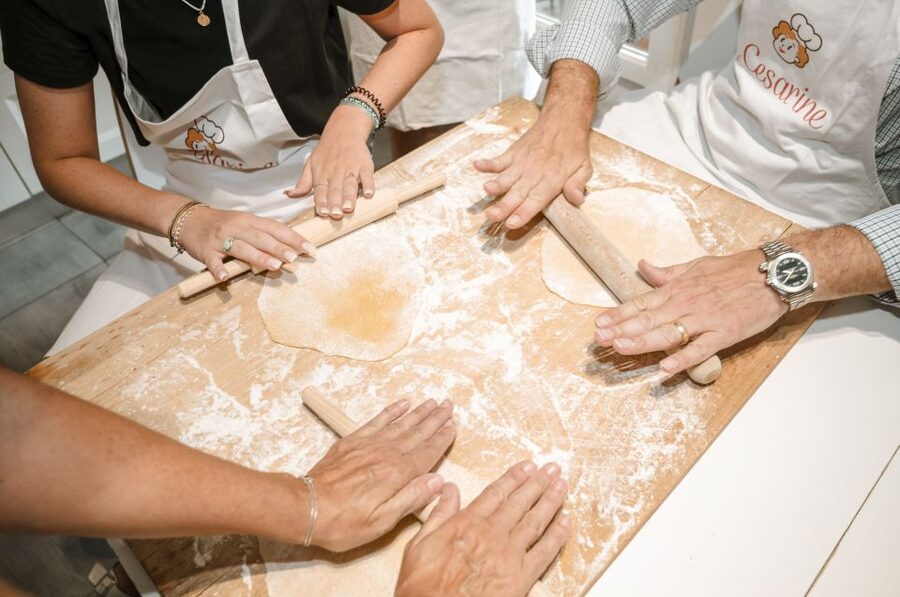
- Then you move into the pasta stage, where the highlight is fresh pasta made with regional character. You’ll learn how dough and shaping come together, and how to keep the texture right.
- Finally, you’ll finish with a dessert. Dessert is where Italian home cooks often show their personality, because it’s a mix of technique and tradition.
The class is taught in Italian and English, so you’re covered either way. I like this pairing because it gives you options: follow in English if you need clarity, then pick up Italian terms that help you talk through what you made.
Your host also serves local specialties and shares the story behind their traditional regional cuisine using family cookbooks. That’s not just storytelling filler. It helps you understand why a recipe exists, and what kinds of ingredients the cook prioritizes.
The Tasting and Wine Pairing Part You’ll Remember
Cooking is only half the experience. The other half is the meal itself.
After you prepare your starter, pasta, and dessert, you taste everything you’ve made, accompanied by beverages:
- Local wines (a selection of red and white)
- Water
- Coffee
Wine pairing here is straightforward and social. It’s not a formal tasting lab. It’s more like: here’s what goes well with this course, and here’s how Italians actually drink when they’re eating together.
This is where the class turns into a conversation. People tend to ask practical questions like what to buy next time, what to substitute, and how to keep sauces or textures consistent. If you’re the type who likes to learn by doing and then asking follow-ups, you’ll get a lot out of this part.
The host’s family cookbook stories add extra texture. When the host explains how a dish fits their region or family tradition, it helps the food feel connected to place, not just copied from a cookbook.
Getting the Address, Getting There, and Not Stressing
One detail that really affects your day: for privacy, you only receive the full address after you book. That means you can’t plan exactly where you’ll be until later.
Also, be aware of geography in the Amalfi Coast area. In accounts of these classes, some sessions have been described as being in Priano even when listings mention Positano. In other words: expect a short commute within the region, not a single fixed point in the center of Positano.
So I’d do this:
- Wait for the full address before finalizing your timing
- Plan to arrive with buffer time, especially if you’re using taxis or local transport
- If you’re staying near Positano’s busier spots, give yourself extra margin for traffic and parking limitations
The experience ends back where you started, so you’re not stuck figuring out a complicated finish. Still, the start is location-dependent, so treat the first leg like a mini logistics task.
If you’re traveling with food allergies or intolerances, you’ll need to share that during booking. That’s not a nice-to-have. It affects what you’ll be served and what you’ll cook.

Price and Value: What You’re Really Paying For
At $243.56 per person, this isn’t a cheap activity. But it isn’t random expensive either.
Here’s where the value comes from:
- You’re paying for a hosted home kitchen with an expert teaching you directly.
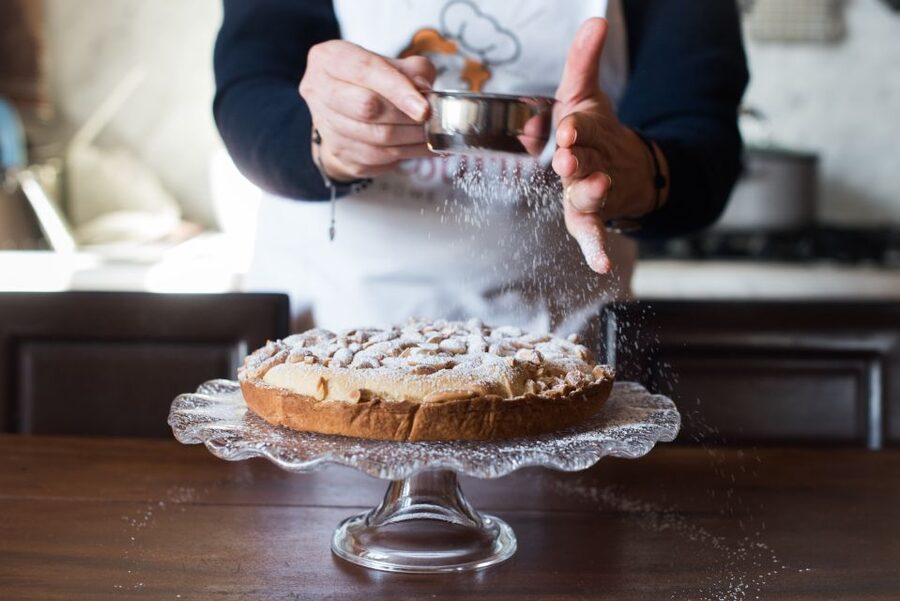
- You get three courses made from scratch, not a sampling session.
- You receive ingredients, utensils, and a structured lesson to help you actually succeed.
- Your meal is included, plus local wines and coffee.
In other words, you’re buying instruction, food, and hospitality, all wrapped into one 3-hour block. If you’ve ever paid for a cooking class where you leave with only a technique or only a small bite, this format tends to deliver more.
For the best value, go when you’re hungry for hands-on learning and you want to taste the result in the same sitting. If you’re the type who wants to watch only and then move on to sightseeing, you might feel the price more than the payoff.
Who This Cooking Class Is Best For
This experience fits best if you want a real Italian meal with a practical cooking payoff.
It’s a good match for you if:
- You like small groups and prefer working with the instructor in real time
- You want to learn by making three dishes, not just one
- You enjoy food culture and appreciate hosts who explain regional thinking through their family cookbooks
- You’re open to social dining, wine included, and conversation around the table
It may be less ideal if:
- You hate the idea of not knowing the exact address until after booking
- You’re looking for a fully formal, restaurant-style teaching format
- You use a wheelchair, since the experience is not suitable for wheelchair users
If you’re traveling solo, this can still work well because the group stays small and the meal is shared. If you’re traveling as a couple, you can still get personalized help, and you’ll have plenty to talk about while you cook.
What Makes the Experience Feel Authentic
The authenticity here doesn’t come from vague romance. It comes from the mechanics:
- You cook at a local home
- The host shares family cookbooks and regional stories
- The menu is structured around authentic starter, fresh pasta, and typical dessert
- You finish with the exact meal you made, paired with local wines
In well-run sessions, the host adds personality and humor to keep the room relaxed. That’s something people highlight when hosts like Carla and Rocco are praised for their hosting style. It’s also what makes the class more than just a list of recipes.
One more practical authenticity point: you’ll likely come away with a shopping mindset. Even without a formal recipe handout described here, you’ll learn what ingredients matter in the dishes you made and how the process is organized.
Should You Book This Positano Cooking Class?
Yes, book it if you want the kind of food experience that gives you both a memory and a skill. The combination of three-course cooking, included tasting, and local wine pairing makes this feel like more than a class.
You should think twice if logistics stress you out. The full address comes only after booking, and the location may be in the wider area such as Priano rather than strictly within Positano town. If you’re okay planning around that, you’ll likely find the price worth it because you’re paying for a full meal and hands-on teaching in a home setting.
If you want a single deciding question, make it this: do you want to cook and then eat what you cooked with a welcoming host? If the answer is yes, this is a strong choice.
FAQ
What is the duration of the cooking class?
The class lasts about 3 hours.
How big is the group?
The group is small, limited to 10 participants.
What will I cook during the class?
You’ll cook a menu made up of three parts: an appetizer, a fresh pasta dish from the region, and a dessert. You’ll make each from scratch.
What happens after I book regarding the meeting location?
Because it’s hosted in a local home for privacy, you only receive the full address after you have booked.
What beverages are included?
You’ll have water, local wines, and coffee as part of the included tasting.
What language is the instructor?
The instructor teaches in Italian and English.
Is this experience suitable for wheelchair users?
No, it is not suitable for wheelchair users.
Can I cancel for a full refund?
Yes. You can cancel up to 24 hours in advance for a full refund.