REVIEW · KRAKOW
Pierogi Cooking Class: Mastering the Art of Polish Dumplings
Book on Viator →Operated by Delicious Poland · Bookable on Viator
Pierogi taste better when you make them. This hands-on Krakow class teaches pierogi from scratch with small-group, step-by-step help. You’ll form dough, fill savory and sweet dumplings, boil them, then sit down with a local beer or wine while learning Polish food stories.
I also like that the class feels family friendly and truly beginner-proof. One thing to consider: if you’re expecting recipes by email later, don’t assume they’ll definitely arrive on time—you may want to ask in the room.
In This Review
- Key highlights at a glance
- Pierogi in Krakow: a hands-on class built around real Polish comfort food
- Where you meet and how the 2-hour flow usually feels
- Dough from scratch: the technique that makes your pierogi feel Polish
- Filling time: savory ruskie-style pierogi with potatoes and twaróg
- Sweet pierogi with seasonal fruit: dessert that isn’t an afterthought
- Boiling, shaping, and eating with beer or wine
- Instructors and vibe: Olga, Magda, Maria, Ania, and the family-kitchen style
- Price and value in Krakow: what $82.72 buys you (and why it’s not just a snack)
- Who should book this pierogi class, and who should skip it
- Should you book this pierogi class in Krakow?
- FAQ
- How long is the pierogi cooking class in Krakow?
- What will I cook during the class?
- Is the class family friendly and beginner friendly?
- Is the class offered in English?
- What’s included with the ticket price?
- Can I cancel for a full refund?
Key highlights at a glance
- Dough from scratch: you make the dough entirely yourself before you shape dumplings
- Two fillings: savory pierogi with potatoes plus twaróg, plus sweet fruit-filled pierogi
- Beer or wine included: a large drink to go with what you cook
- Central meeting point: start at WavelovePodchorążych 3 and return there
- English-led with local instructors: guidance in English and teaching by local pros like Olga and Magda
- Top-rated experience: 4.9 average rating with 98% of customers recommending it
Pierogi in Krakow: a hands-on class built around real Polish comfort food
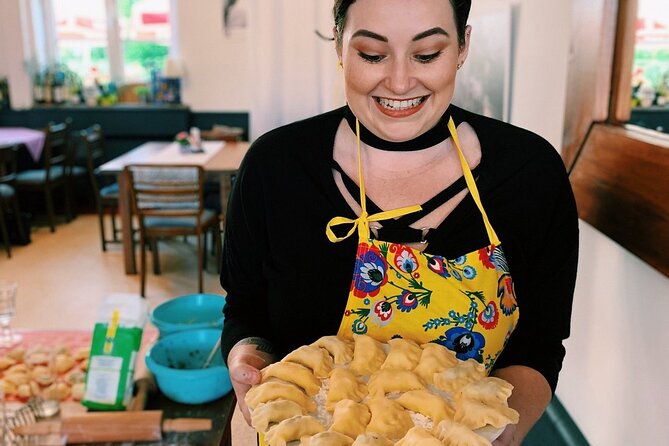
If you like food that’s both practical and emotional, pierogi are a great place to start in Poland. This class is designed for you to learn by doing, not just watching a cook in the corner. In about two hours, you go from blank work surface to a plate of dumplings you actually made.
The best part is the full chain of skills. You don’t just assemble dumplings—you make the dough, prepare fillings, shape, boil, and then eat. That matters because pierogi are one of those recipes where the technique is the difference between good and wow.
You’ll also get the cultural context in a way that doesn’t feel like a school lesson. The instructors share stories tied to Polish culinary habits and dumpling traditions, so the food feels connected to place and people, not just a dish on a menu.
One more bonus: the class is set up near the city center and feels relaxed. People consistently praise that it doesn’t run like a rushed factory line, even with different cooking levels in the room.
You can also read our reviews of more tours and experiences in Krakow.

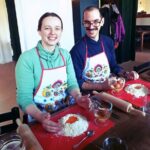
Where you meet and how the 2-hour flow usually feels
You start at WavelovePodchorążych 3, 30-084 Kraków, and the activity ends back at the same meeting point. There’s also a strong emphasis on being easy to reach, with the location noted as near public transportation.
This is not a long “get on a bus” day. It’s a tight, focused session that’s easy to fit into a Krakow itinerary—especially if you’re already planning to spend time in the Old Town area.
The group size is described as small, with a maximum of up to 50 travelers for the activity overall. In practice, small-group attention is a core promise, and many people specifically call out that the instruction is personal. Still, you should know that larger-than-expected groups can affect how much food you produce or how quickly ingredients move at each station.
If you’re the type who likes to show up and then stop thinking about logistics, this format works well. You bring yourself, get assigned a station, and follow the instructor’s pacing.
Dough from scratch: the technique that makes your pierogi feel Polish
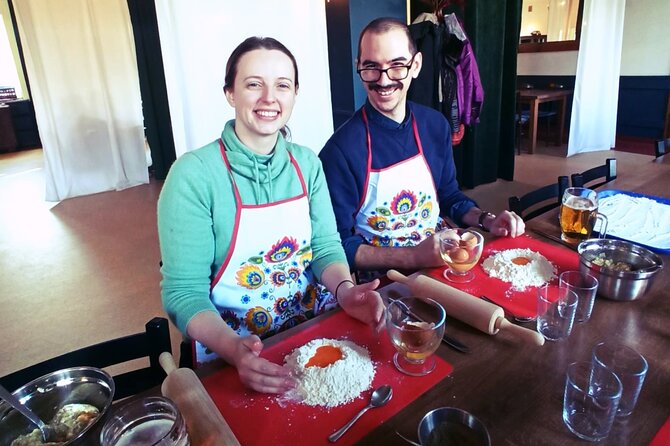
Most “cooking classes” end up being assembly lessons. Here, you start with dough and build it completely from scratch. That’s a big deal because pierogi dough has its own personality—stretchy, forgiving, but also temperamental if you rush.
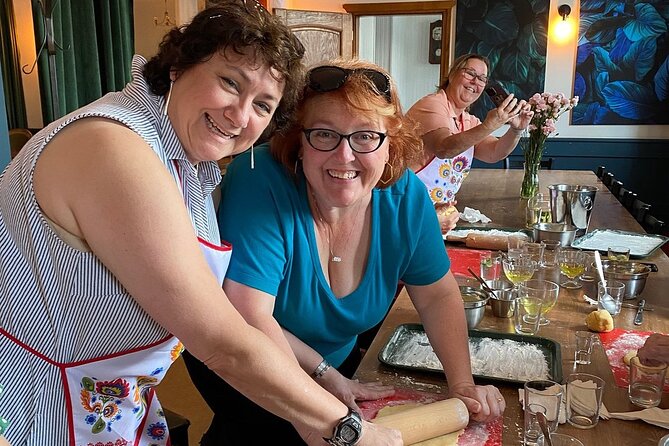
In class, you’ll work through the full process of dough making first. You learn how to bring it together, how it should feel, and how to manage the dough as you move toward shaping. Even if you’ve never rolled pastry dough before, this kind of guided practice is exactly what you want.
The practical payoff shows up later when you try to cook again at home. When you’ve made the dough yourself once, you start to understand what thickness looks like and how much filling is enough. That’s where a good pierogi becomes repeatable.
Also, you get guided support throughout. Multiple people mention instructors walking step-by-step and being patient, even with learners who find dough work intimidating. If you’re traveling solo and worried you’ll fall behind, this is the kind of class where the teacher pacing is the safety net.
Filling time: savory ruskie-style pierogi with potatoes and twaróg
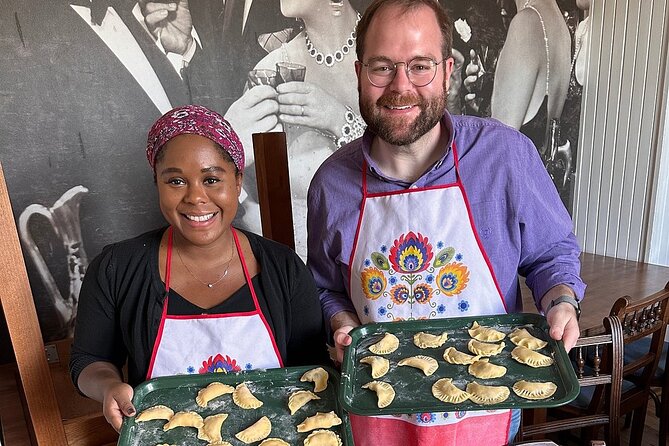
You’ll prepare two different fillings: one savory and one sweet. For the savory part, the class includes Pierogi Ruskie, a major pierogi style in Poland.
In this version, the filling is built from boiled potatoes combined with creamy and tangy white cheese (twaróg). That combination is a classic because it balances comfort with flavor. It’s also a filling that tastes great even if your shaping is imperfect. You can focus on technique without feeling like the flavor will fail you.
You’ll work the filling and then handle assembly—placing filling into dough and sealing the dumplings. That step is where your hands start learning. It’s also where you’ll see how much filling matters, how sealing should look, and how to keep pierogi from opening during boiling.
One practical note: if the class runs a bit bigger, people have mentioned sharing bowls or fillings at the station. That doesn’t change the core lesson, but it can reduce how freely you experiment with amounts and shaping. If you want maximum hands-on time, try to book on dates when the class size is clearly smaller.
Sweet pierogi with seasonal fruit: dessert that isn’t an afterthought
For sweet, you’ll make fruit-filled pierogi using fruit that’s currently available. This is one of those “smart travel foods” because it gives you a Polish dessert you can actually recreate, not just a sugary bite.
Sweet pierogi are often treated as a main course in parts of Poland during certain seasons—so in class, you’ll get a meal that follows Polish logic, not just tourist logic. You’ll likely notice that fruit pierogi can feel lighter than you expect, especially when paired with the warm boiled dough.
The hands-on part stays the same. You still shape and seal. That means your second batch isn’t just tasting—it’s another chance to practice technique, with a different flavor reward.
If you like having both savory and sweet in one sitting, this class delivers. That dual-pairing is a major reason many people rank this experience as one of their favorite things to do in Krakow.
Boiling, shaping, and eating with beer or wine
After you fill and seal, you’ll boil the pierogi to perfection. Boiling is where timing matters. The dough, the filling temperature, and dumpling size all affect the final bite. The class format gives you that learning moment under guidance, which is how you avoid the common first-time mistake of undercooked or overcooked dumplings.
Then comes the part that turns skills into satisfaction: you eat what you made. You’ll enjoy the pierogi you crafted alongside a local beer or a glass of wine, with the drink described as large.
That pairing is a smart value piece. This isn’t “watch you cook then leave hungry.” It’s a meal with alcohol included, meaning you’re getting both a cooking lesson and a proper sit-down eating experience.
And since pierogi are portable and forgiving—compared with say, complicated pastries—many people say they feel confident making variations later. The class structure pushes you toward that confidence by teaching you fundamentals rather than just following a script.
Instructors and vibe: Olga, Magda, Maria, Ania, and the family-kitchen style
A cooking class lives or dies by the teacher. In this one, multiple instructors get called out by name: Olga, Magda, Maria, and Ania.
The common thread is teaching style. People describe instructors as friendly, funny, and patient, with clear explanations and hands-on help when you’re unsure. That’s especially important for pierogi because sealing and dough feel are hard to learn from a single instruction.
If you’re traveling with kids, you’ll probably appreciate the family-friendly tone mentioned in the highlights. Some people note that the class is comfortable and not rushed, which makes it easier to stay calm while you’re learning something new.
You should also know that instruction can shift depending on group dynamics. One experience described a larger group where the instructor didn’t feel fully prepared for the number of attendees and ingredient quantities. That’s not the norm indicated by the class design, but it’s a real consideration if you prefer a very controlled, one-on-one pace.
Price and value in Krakow: what $82.72 buys you (and why it’s not just a snack)
At $82.72 per person for about two hours, the price might look like a “tour extra” at first glance. But here’s where the math starts to make sense: you’re paying for instruction, ingredients, tasting, and alcohol.
The class includes:
- Food tasting
- Local guide
- Alcoholic beverages
You’re also making pierogi from start to finish, which means the ingredients aren’t just a sample. In other words, you’re not just learning technique; you’re producing an actual meal and then eating it.
It’s also easy to compare against other Krakow food experiences where you might pay a similar amount for guided eating only. Here, you walk away with skills you can use again—especially the dough and filling ratios behind pierogi ruskie-style and sweet fruit versions.
Booking timing matters too. The class is often booked about 43 days in advance, which tells you it’s not a “wait and see” option if you’re traveling at busy times. If pierogi are on your must-do list, plan ahead.
Who should book this pierogi class, and who should skip it
This class is a strong fit if you want:
- Hands-on cooking rather than just tasting
- A true “learn the technique” experience, even if you’re a beginner
- A meal with a local drink included
- A Krakow activity that works well with friends or family
It’s also a great choice if you’re trying to understand Poland through everyday food. Pierogi are one of those dishes you’ll keep seeing in menus, home kitchens, and festivals. Learning them in a small class near the center gives you a reference point for the rest of your trip.
You might want to consider another option if you’re very sensitive to small delays or planning surprises. Some people flagged issues like recipe delivery after the class, and a separate experience mentioned a rougher flow with a bigger group than the class setup usually expects. Those are not universal, but they’re worth keeping in mind.
If your vacation is extremely tight down to the hour, remember this is a two-hour block. It won’t fix a chaotic schedule. It will, however, reward you if you treat it like a real appointment.
Should you book this pierogi class in Krakow?
Yes, I’d book it if your goal is a hands-on Polish food skill with a built-in meal. The class structure—dough from scratch, two fillings, boiling, then eating with beer or wine—hits the sweet spot between fun and usefulness.
Before you commit, do two smart things:
1) Ask during the class about how recipes are delivered. One guest mentioned they expected a recipe email but didn’t receive it as promised, so it’s better to clarify on the spot.
2) If you’re sensitive to group-size issues, check for the date/time you’re booking and aim for a class that’s likely to stay small.
Bottom line: if you want an authentic Krakow food experience you can recreate at home, this pierogi class is one of the best ways to spend a couple of hours.
FAQ
How long is the pierogi cooking class in Krakow?
The class runs for about 2 hours (approximately), and it ends back at the same meeting point.
What will I cook during the class?
You’ll make pierogi from start to finish: dough from scratch, two fillings (savory and sweet), then you’ll fill, boil, and eat the pierogi you make.
Is the class family friendly and beginner friendly?
Yes. It’s described as family friendly, and it’s designed to welcome beginners, with instructors guiding you through each step.
Is the class offered in English?
Yes, the experience is offered in English.
What’s included with the ticket price?
Included are food tasting, a local guide, and alcoholic beverages (beer or wine).
Can I cancel for a full refund?
Yes. You can cancel up to 24 hours in advance for a full refund. If you cancel less than 24 hours before the start time, the amount paid is not refunded.