REVIEW · KRAKOW
Krakow Pierogi Cooking Class
Book on GetYourGuide →Operated by Delicious Poland · Bookable on GetYourGuide
Pierogi class feels like a family secret. This Krakow cooking session is a hands-on way to learn the craft and the Polish food culture behind it, led in English by locals. I especially like the start-to-finish format, where you do the work instead of just watching.
You’ll also leave with two practical wins: two different fillings (one savory, one sweet) and a chance to eat your own pierogi with a local drink. The only real heads-up is that the venue can be a little tricky to spot from the street, especially if there are no obvious signs.
Small-group attention (often about 6 people)
Make dough from scratch, then fill, shape, and boil
Two fillings: savory plus sweet
You eat what you make, with beer or wine
English-speaking locals who share family techniques
Recipe tips to try back home
In This Review
- Why this Krakow Pierogi Class Fits Real Travel Time
- Finding the Restaurant Near Krakow’s City Center
- Dough From Scratch: What You’ll Actually Learn
- Two Fillings in One Session: Savory and Sweet
- Shaping and Boiling: The Moment It Becomes Real Food
- Eating Your Own Pierogi With Beer or Wine
- The Local Instructor Factor: Magda, Olga, Sylwia, and Sylvie
- What You’ll Take Home: Tips You Can Use Immediately
- Price and Value: Is $89 Worth It?
- Who This Class Suits Best (and Who Might Skip It)
- Should You Book the Krakow Pierogi Cooking Class?
- FAQ
- How long is the Krakow pierogi cooking class?
- Is the class taught in English?
- Do you make pierogi dough from scratch?
- How many fillings will I make?
- What do I eat at the end of the class?
- Will the class work if I’m a beginner?
- Is it a small group?
- What’s included in the price?
- Can I get a refund if I need to cancel?
Why this Krakow Pierogi Class Fits Real Travel Time
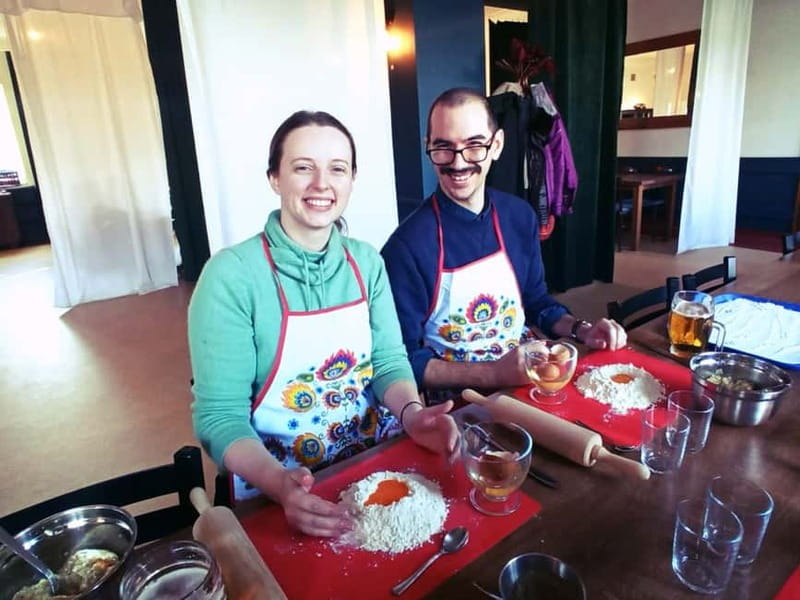
Two hours sounds tight, but that’s exactly why this class works. You’re not signing up for a half-day food festival. You’re getting a focused, repeatable cooking lesson where the pace is set for learning: dough, fillings, forming, boiling, then tasting.
At $89 per person, you’re paying for more than ingredients. You get the tools and materials, the guidance, and the time-saving structure that helps you avoid the classic beginner problems (tough dough, filling leaks, overboiled dumplings). In other words, the price buys you shortcuts that don’t feel like shortcuts—more like smart coaching.
Finding the Restaurant Near Krakow’s City Center
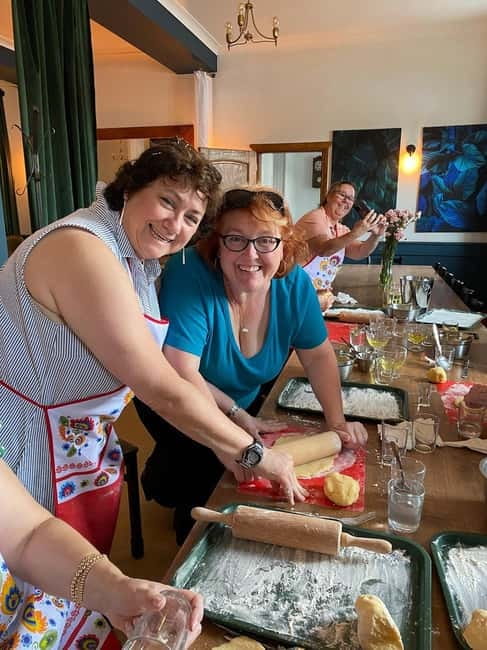
The class meets at a local restaurant near Krakow’s city center. That’s great for planning—no long transfers, and it’s easy to pair with the rest of your day.
One practical downside: a previous participant had trouble finding the venue because there were no lights or signs outside. If you arrive a few minutes early, you’ll feel calmer. Also, have the address saved on your phone map before you leave your hotel, and consider walking around the block once before assuming you’re in the wrong place.
You can also read our reviews of more tours and experiences in Krakow.

Dough From Scratch: What You’ll Actually Learn
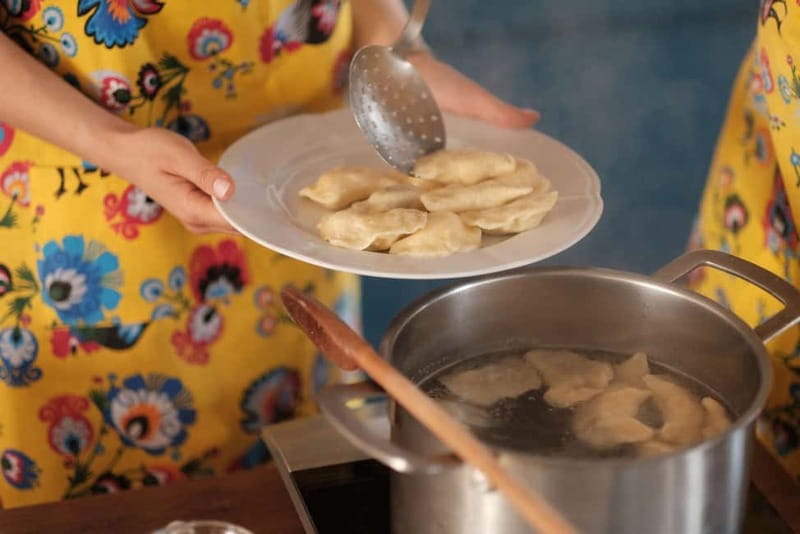
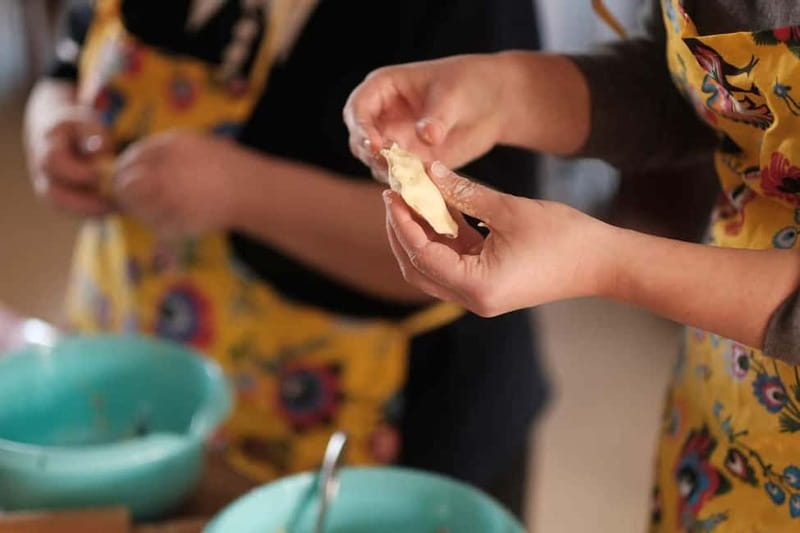
This is where the class earns its keep. You make the dough entirely from scratch, not from pre-made wrappers. You’ll work through the whole process, guided by local instructors who explain what to look for as the dough comes together.
Why that matters: pierogi dough can go wrong fast if you treat it like just another pastry. The lesson is about getting the texture right—smooth enough to roll, sturdy enough to seal, and forgiving enough for a first-time hand. Even if you don’t cook much at home, you’ll get the feel for how the dough changes as you work it.
You’ll also pick up little technique cues along the way. In classes run by hosts like Magda and Olga, the teaching style tends to be hands-on and step-by-step. Expect the instructors to stay close as you roll, shape, and adjust.
Two Fillings in One Session: Savory and Sweet
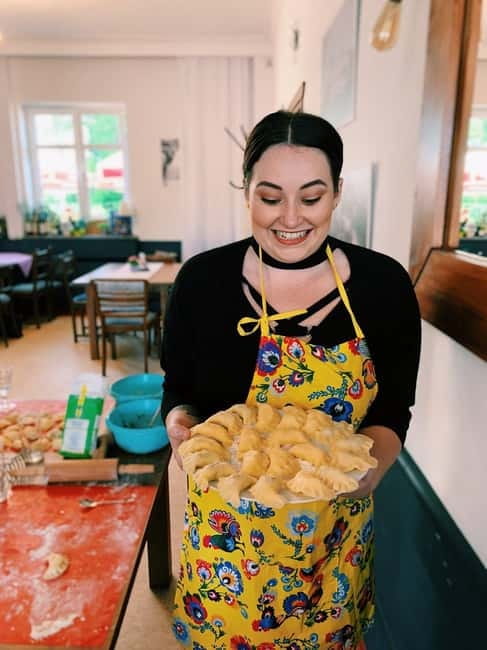
Most pierogi classes focus on one filling. Here you do two: one savory and one sweet. That’s a big deal for value and for memory. You’ll taste how different pierogi styles use the dough as a delivery system—neutral base for bold filling.
You’ll spend time preparing both fillings yourself, with guidance as you go. The savory one teaches you balance: seasoning matters, but you still want a filling that won’t make the dough soggy after boiling. The sweet one teaches a different kind of balance—often softer, often fruit-forward or dessert-like depending on the day’s approach.
If you’ve ever tried to copy a pierogi recipe at home and wondered why one batch seals and the next batch leaks, this is where you’ll understand what to fix. Because you’re making both versions, you’re also learning how the dough behaves with different consistencies.
Shaping and Boiling: The Moment It Becomes Real Food
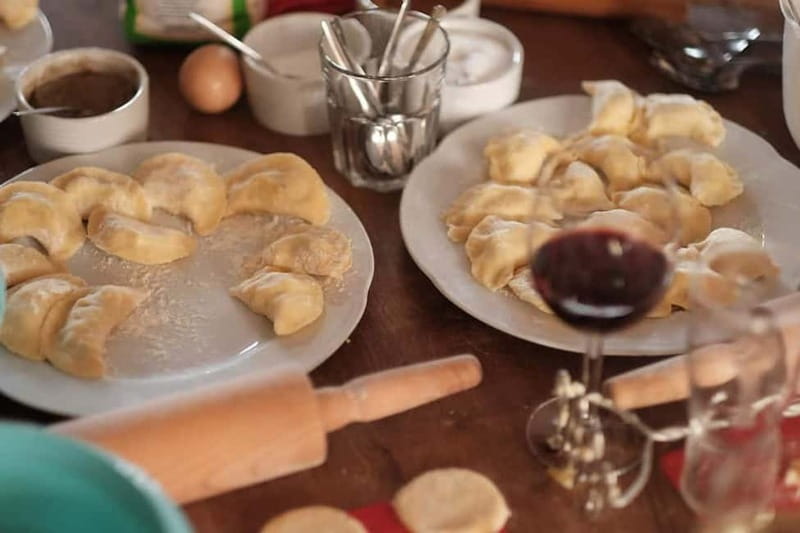
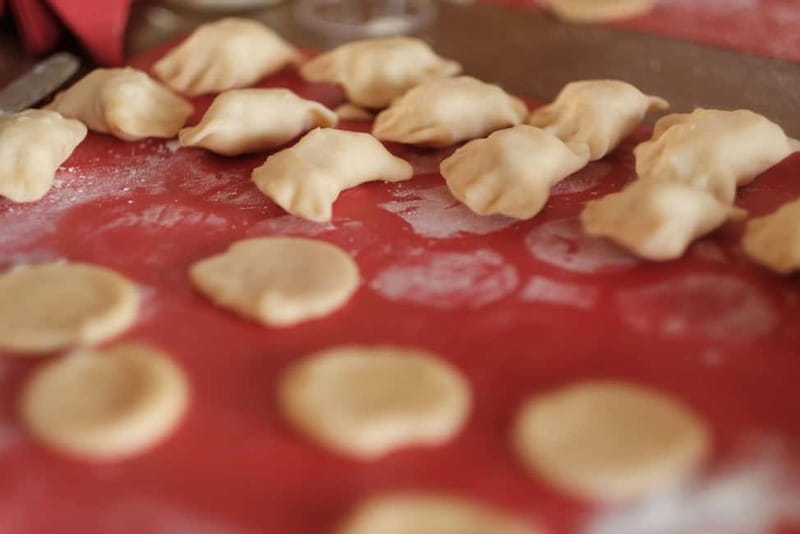
After filling, comes the step that separates a hobby from a skill: shaping and boiling. You’ll fill the pierogi, then boil them to the right doneness under instruction, so you can see what perfect looks like.
Boiling is not glamorous, but it’s critical. Under-boil and you get raw centers. Over-boil and you risk dumplings losing shape or getting too soft. The class structure keeps you from guessing. You’ll learn how to tell when they’re ready and what to do next to serve them well.
And since you’re doing everything in a single session, you’ll also understand the workflow timing. That’s the part that helps if you ever plan to cook pierogi for friends: dough and fillings are only half the game. The other half is moving at the right speed so everything is fresh when you sit down to eat.
Eating Your Own Pierogi With Beer or Wine
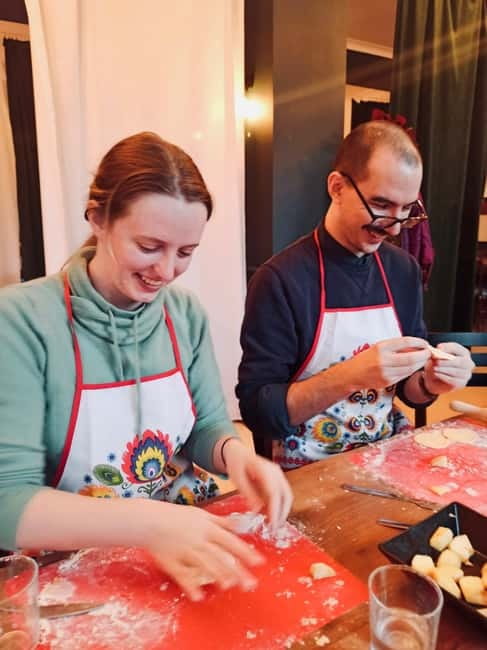
This is the part you’ll remember later, and not just because it tastes good. When you get to eat your homemade pierogi, it turns cooking technique into satisfaction.
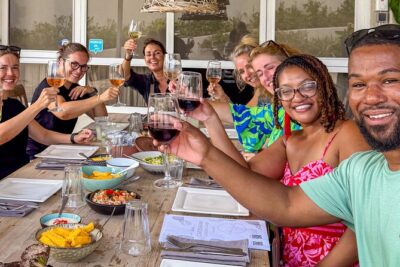
You’ll enjoy your pierogi with a local drink pairing, either beer or wine (you’ll be guided on what fits). That pairing makes the meal feel like a real Polish table moment rather than a class snack.
Just as important: you’ll hear cultural context while you cook and eat. In past sessions, instructors like Sylwia and Sylvie have shared personal stories tied to pierogi and Polish family cooking, including memories of making pierogi with their mum and grandma. Even when the class is shared with other people, you’ll get those story beats woven into the lesson—not a lecture dump.
The Local Instructor Factor: Magda, Olga, Sylwia, and Sylvie
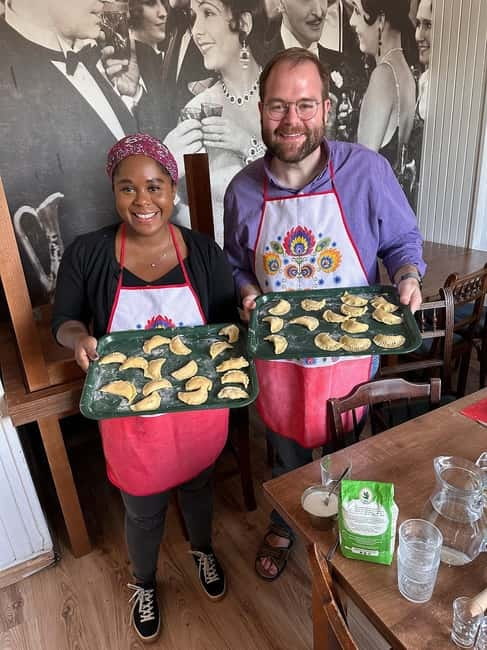
This class stands or falls on the instructor, and the pattern here is strong. You’ll have passionate local instructors who guide you through each step and are willing to answer questions as they see you work. Instructions are in English, which makes the technical bits less stressful.
Names that have led classes include Magda, Olga (and an Olga listed as Olga F), and Sylwia/Sylvie. What seems to matter most is teaching style: very hands-on, with clear explanations. In one case, a participant found themselves in a class with only a couple of people and got extra time to chat about Polish history and culture—so if your group ends up small, you may get a more conversational experience.
What You’ll Take Home: Tips You Can Use Immediately
You’re not leaving empty-handed. The class includes recipe tips and tricks to try at home, plus what are described as family recipes and cultural insights.
What does that mean in practical terms? It means you’re getting guidance for the most common “why didn’t it work” moments:
- How dough should feel before rolling
- How to manage filling consistency
- How to seal pierogi so they don’t leak during boiling
- How to tell when they’re ready
And because you made both sweet and savory pierogi, you can experiment later without feeling like you’re copying one single outcome. The goal is confidence: you now understand the method well enough to cook pierogi again, not just recreate one perfect batch.
Price and Value: Is $89 Worth It?
Let’s talk value, because $89 is a real number.
You’re paying for:
- A hands-on 2-hour cooking session (not observation)
- All materials and equipment provided
- A guided process from dough to boiled pierogi
- Two fillings you help prepare
- A local drink pairing (beer or wine)
- Small-group instruction and take-home tips/tricks
In Krakow, food experiences can range from tastings to tours. This one is closer to a practical workshop. The difference is that tastings feed your curiosity; cooking feeds your ability. If you enjoy learning by doing, this is one of those purchases that often feels more satisfying than one-time dining.
Who This Class Suits Best (and Who Might Skip It)
You’ll likely love this if:
- You want something hands-on and social, with a relaxed vibe
- You’re curious about Polish food culture beyond tasting
- You like guided instruction, especially if you’re new to cooking
- You’d rather learn a skill than collect souvenir photos
This class might be less ideal if:
- You want a long, sightseeing-heavy day (this is focused on cooking, not touring)
- You dislike kitchens or learning by doing
- You’re expecting a big multi-stop food crawl (this is one restaurant-based session)
If you’re the kind of traveler who enjoys bringing home a skill you can repeat, this checks that box hard.
Should You Book the Krakow Pierogi Cooking Class?
I’d book it if you want a straightforward, learn-by-making Krakow experience. The best reasons are practical: you make pierogi from scratch, you do two fillings, and you get coaching in English from locals who share family methods and stories.
My only caution is simple—plan to find the venue confidently. Arrive a bit early, and use navigation to avoid the frustration of an unmarked entrance.
If that sounds like your style, this class is a smart use of two hours and one meal that you’ll actually repeat later.
FAQ
How long is the Krakow pierogi cooking class?
The class lasts 2 hours.
Is the class taught in English?
Yes, the instructor speaks English.
Do you make pierogi dough from scratch?
Yes. You will make the dough from scratch during the class.
How many fillings will I make?
You’ll make two fillings: one savory and one sweet.
What do I eat at the end of the class?
After boiling your pierogi, you’ll eat what you made, paired with a local drink such as beer or wine.
Will the class work if I’m a beginner?
Yes. The experience is designed to welcome new cooks, with guidance throughout.
Is it a small group?
Yes, it’s described as a small group experience. One review mentioned a group size of about 6.
What’s included in the price?
Included are the hands-on pierogi-making experience, instructor guidance, materials and equipment, two fillings, local drink pairing, cultural insights, and recipe tips you can take home.
Can I get a refund if I need to cancel?
Yes. It includes free cancellation up to 24 hours in advance for a full refund.