REVIEW · ZANZIBAR ARCHIPELAGO
Zanzibar: Spice Farm Tour with Traditional Cooking Class
Book on GetYourGuide →Operated by Zanturtle Explore Tours and Safaris · Bookable on GetYourGuide
Smell Zanzibar before you even start cooking. This 5-hour experience at Jambo Spice Farm Dole pairs a guided spice history walk with hands-on harvesting and a traditional Swahili cooking class, and I really like how you taste and smell spices up close. My only caution is that this kind of stop-and-share day can come with repeated requests for small tips at multiple points.
If you’re lucky, you’ll cook with a friendly chef-teacher like Aïcha, who helps turn all that spice knowledge into real flavors at the stove. Expect traditional music and dance during the meal time, plus time for fruit tasting and buying spices, so you leave with both stories and souvenirs.
In This Review
- Key highlights worth putting on your radar
- From your hotel to the spice farm: the 5-hour rhythm
- Walking the spice farm: learning the names you’ll actually use
- Tasting tropical fruit like a local ingredient basket
- Harvesting vegetables and spices: the hands-on part that makes it stick
- The Swahili cooking class: traditional techniques, then lunch
- Buying spices and fruit: how to shop without overpaying your attention
- Price and value: is $61 reasonable for 5 hours?
- Practical considerations I’d plan for before you go
- Who this tour is best for (and who might prefer something else)
- Should you book the Zanzibar spice farm and cooking class?
- FAQ
- Where does pickup happen?
- How long is the tour?
- What languages is the live guide available in?
- What do you do during the spice farm visit?
- Do you eat during the experience?
- What should I bring?
Key highlights worth putting on your radar
- Smell-and-taste spice lessons: cinnamon, vanilla, nutmeg, lemongrass, cloves, ylang-ylang, cumin, ginger, pepper, tamarind, chili, and more
- Harvesting is part of the day: you pick vegetables and spice ingredients, not just watch
- Traditional Swahili cooking class: old-style techniques and equipment, then you eat what you make
- Tropical fruit tasting: mango, passion fruit, avocado, papaya, local grapefruits, bananas, pineapple, and more
- Hotel pickup and drop-off: van time included, meeting you at your hotel reception in Zanzibar
- You can shop without pressure panic: buy spices and fruits during the farm visit window
From your hotel to the spice farm: the 5-hour rhythm
The tour starts with hotel pickup, and it’s convenient because the van can collect you from your hotel in Zanzibar. You’ll meet a representative in the lobby/reception area, then drive out to the spice farm. Plan on about one hour each way of van time, so this isn’t a quick half-hour activity—it’s a full, guided day with built-in travel.
Once you reach the farm, the day feels organized in stages: walk, guided tasting, a chance to browse or shop, then lunch and cooking. That structure matters, because it keeps the spice info from turning into a lecture. You get introduced to plants, you sample aromas and flavors, then you put that knowledge to work in the cooking class.
A small practical note: this is a walking day. Wear comfortable shoes and expect uneven paths and sun exposure.
Walking the spice farm: learning the names you’ll actually use
The first big win here is the way the tour teaches spices as living plants, not just jars on a shelf. You’ll stroll with a guide as they explain where common Zanzibar spices come from and why they became so important in local foodways. The tour also includes a tasting and “smell it” approach, which is exactly how spices make sense.
Here’s what you can look forward to experiencing with your senses:
- Warm, sweet cinnamon
- Floral vanilla
- Spicy-bitter notes like nutmeg and cloves
- Bright, citrusy aromas from lemongrass
- Earthy warmth from cumin and ginger
- Heat and bite from pepper and chili
- Tangy depth from tamarind
- Fragrance notes tied to ylang-ylang and other herbs
You’ll also hear about culinary uses, and the guides talk about medicinal uses too. I like this because it gives you a fuller picture of why Zanzibaris value these plants beyond flavor alone. Even if you don’t plan to self-medicate with spices, the explanations help you understand how locals think about plants: food, smell, and everyday health all tied together.
Tasting tropical fruit like a local ingredient basket
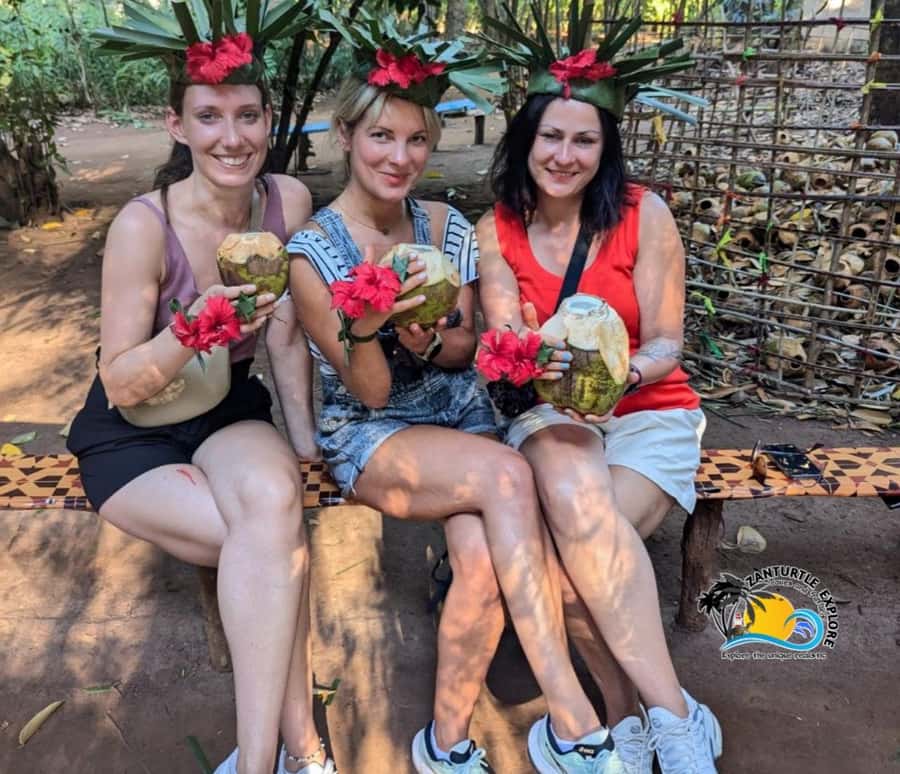
Between the spice stops, the day builds in fresh fruit sampling. You’ll get to taste multiple tropical options—typically mango, passion fruit, avocado, papaya, local grapefruits, bananas, pineapple, and more. This isn’t random fruit grazing. It usually fits the logic of the farm: spices and herbs come from the same space as fruits, and the kitchen uses both.
For me, fruit tasting is what makes the “spice farm” idea feel real. You’re not just seeing plants; you’re connecting aroma and flavor. Mango and passion fruit, for example, naturally pair with spice-heavy dishes because they balance sweetness, acidity, and heat.
Also, plan on using what you learn. If you buy spices after the tasting, fruit notes can help you remember how to use them at home.
Harvesting vegetables and spices: the hands-on part that makes it stick
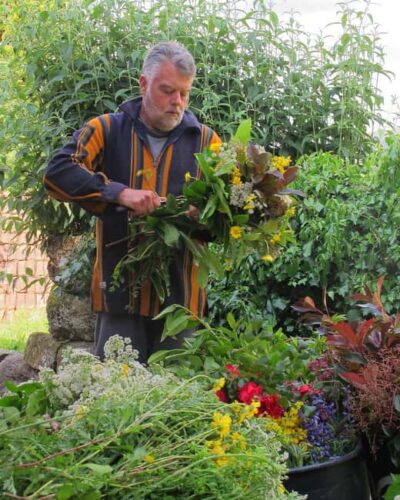
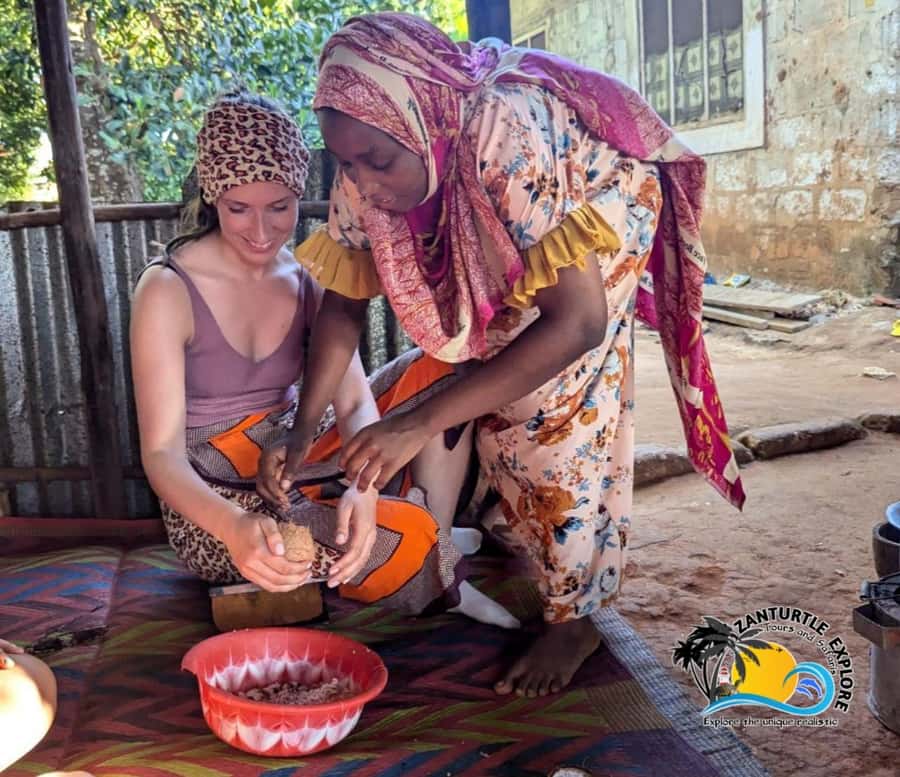
A big part of the value is that you don’t stay passive. You’re guided to harvest some ingredients—vegetables and spice materials—then you head to the cooking area with those items in your hands.
That matters more than it sounds. When you pick the ingredients yourself, you start noticing the work behind seasoning: chopping, cleaning, grinding, and balancing flavors. The cooking class stops being just entertainment and becomes a real skill-building session you can repeat later.
It also changes the pacing. Harvesting gives you something physical to do, so the afternoon doesn’t turn into “walk, listen, walk, listen.” You feel included, even if you’re not an experienced cook.
The Swahili cooking class: traditional techniques, then lunch
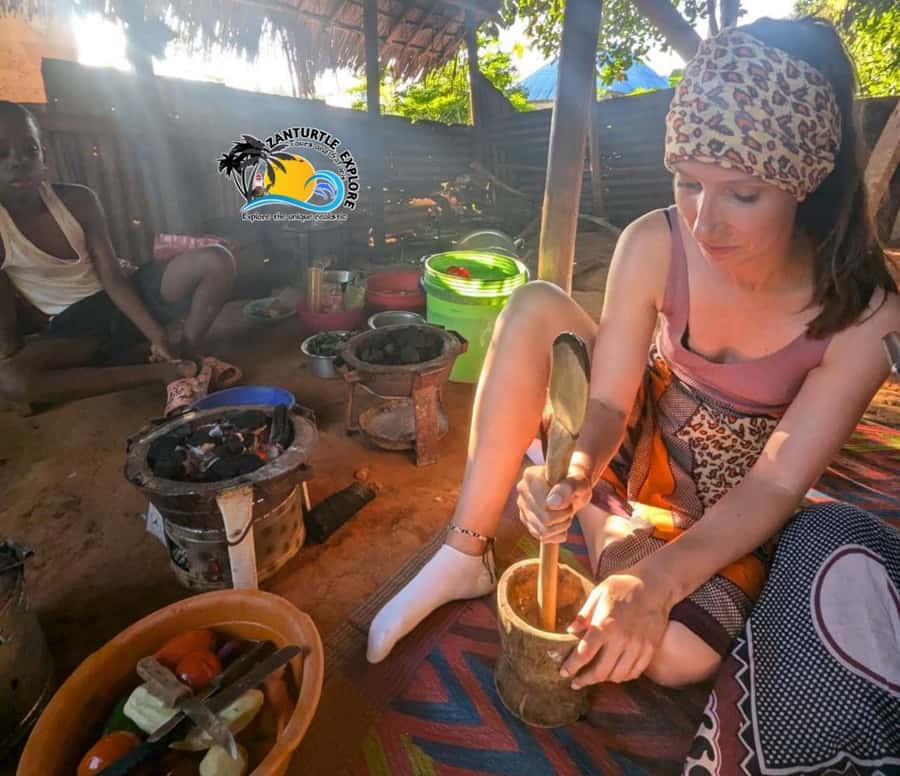
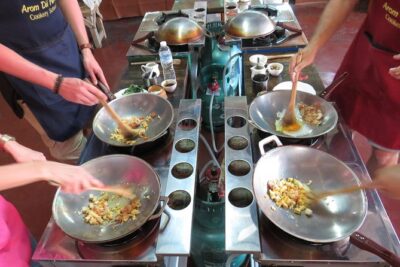
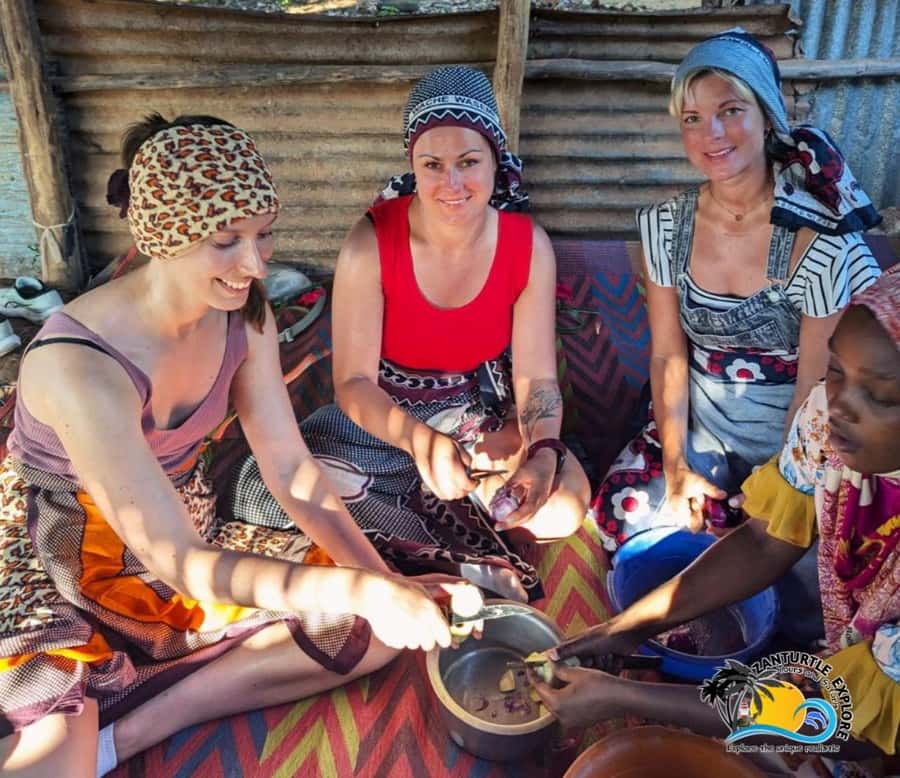
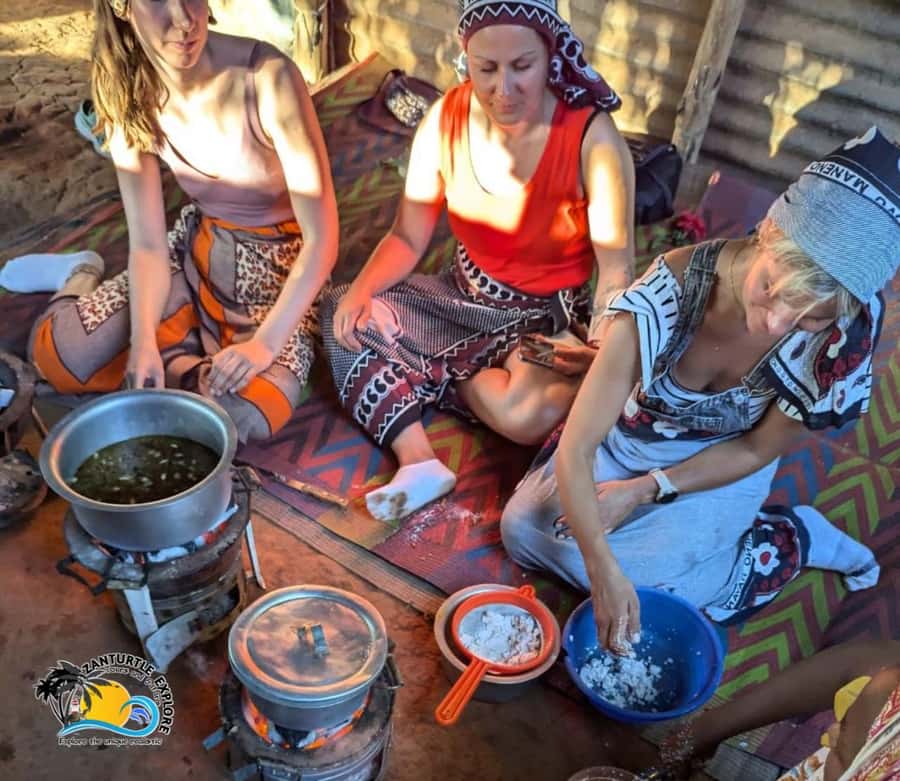
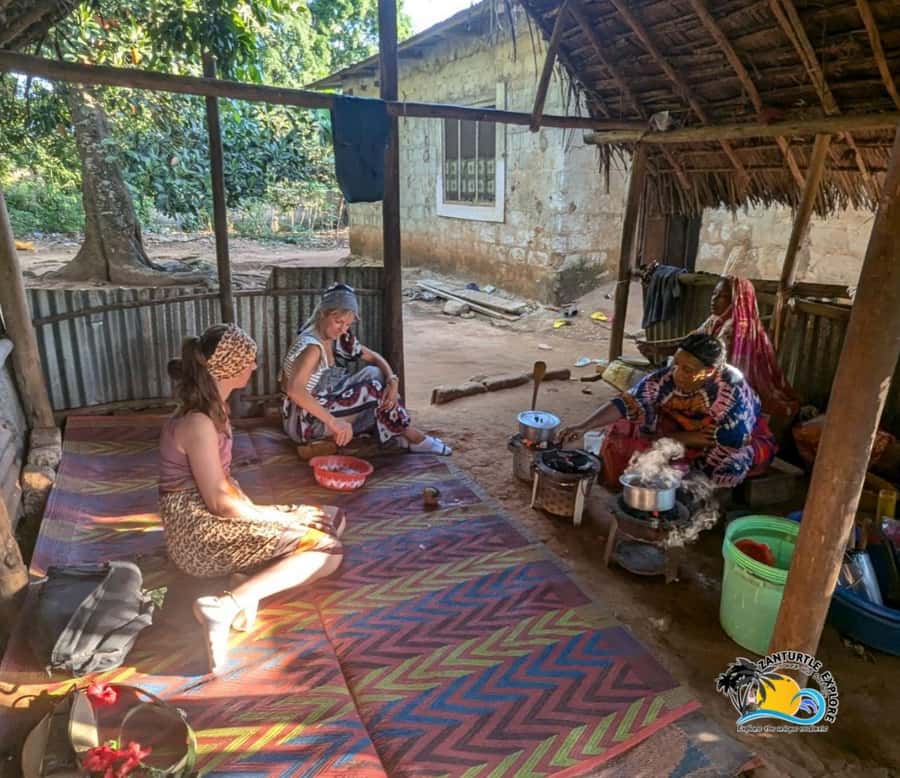
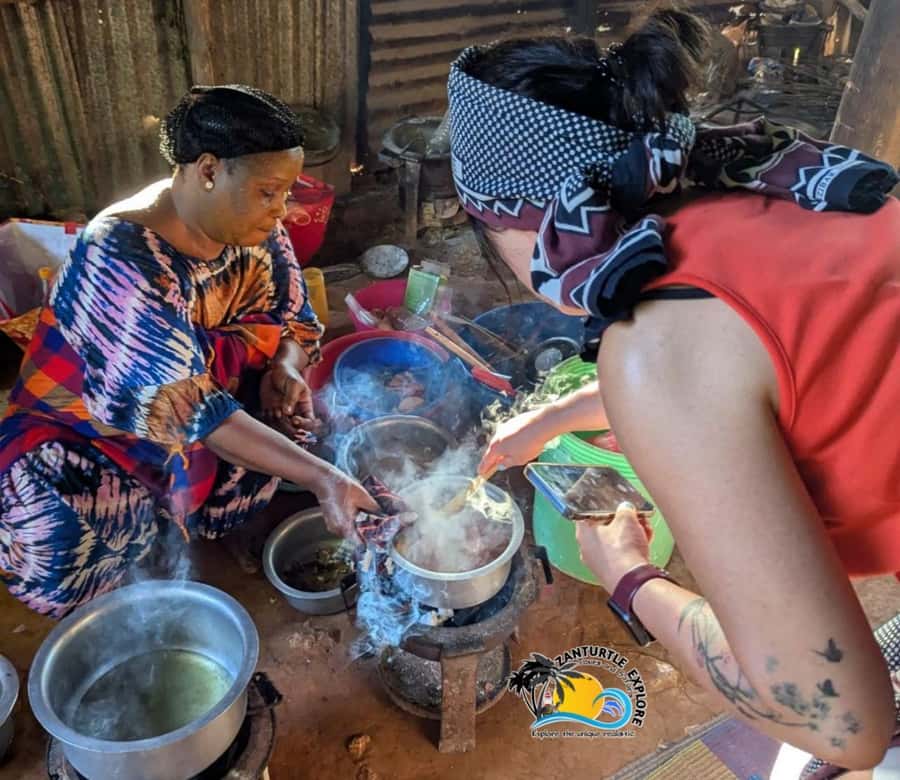
The highlight for most people is the cooking itself, and the class here is built around traditional Swahili food. You’ll cook with a local chef and use cooking equipment designed to reflect older coastal traditions—equipment and setups that recreate how people once cooked along the Zanzibar coast.
You should expect:
- Cooking together in a guided, step-by-step way
- Traditional techniques, not just quick modern shortcuts
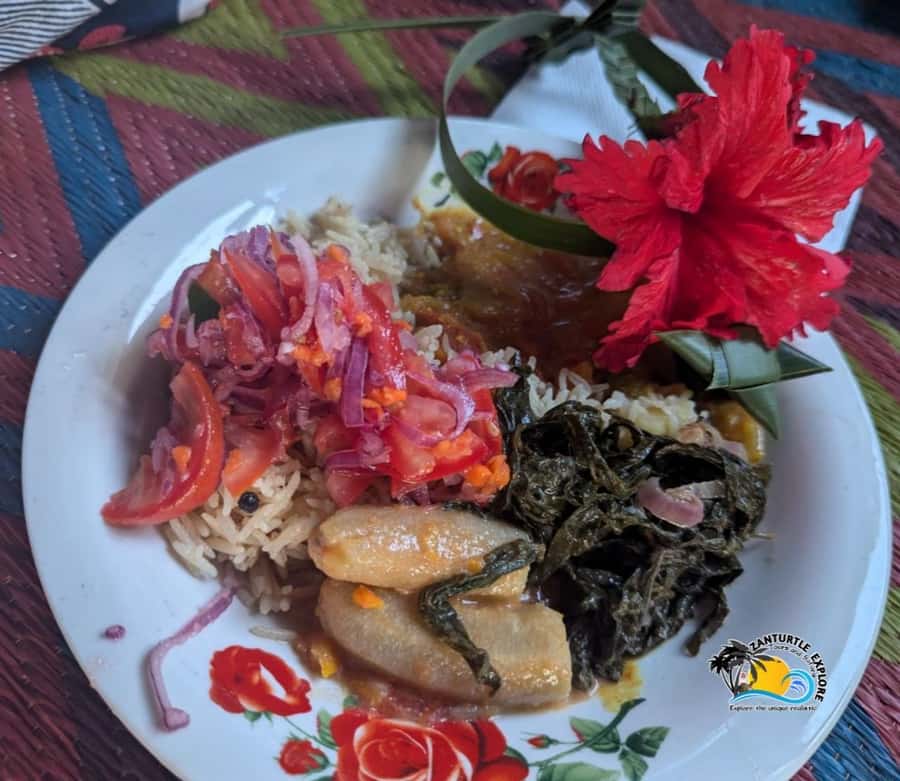
- A meal you eat right after cooking
- Lunch plus drinks, along with tropical fruits
The energy in this part of the tour is usually where the day turns from informative to memorable. You smell spices from the same plants you toured earlier, and you finally see how they behave in a real dish.
Also keep an eye on the “old cooking apparatus” angle. It’s not a museum stop for show. It connects the flavors to technique. That’s helpful if you want to recreate Zanzibar-style cooking later, because method affects taste.
And yes, traditional music and dance are part of the experience around lunch time. It’s one of those elements that won’t affect your meal directly, but it makes the whole day feel like a cultural event, not a classroom.
Buying spices and fruit: how to shop without overpaying your attention
There’s time to visit a shop area where you can buy spices and fruits. Shopping can be great here because you can taste first, learn what each spice does, and then decide what you actually want to take home.
A practical approach:
- Only buy the spices you can connect to something you tasted
- Ask how they’re typically used in Zanzibar cooking (even short answers help)
- If you’re buying for gifts, consider small amounts of multiple spices rather than one big purchase
Since you’ll likely smell spices repeatedly during the walk, you’ll get a clearer sense of what you genuinely like. That makes shopping easier and helps you avoid buying a jar just because it smelled impressive once.
Price and value: is $61 reasonable for 5 hours?
At $61 per person for about 5 hours, the value hinges on what you consider “included.” This is not just a guided walk. You get:
- Hotel pickup and drop-off by van
- A guided spice tour with tasting and smelling
- Harvesting vegetables/spices
- A cooking class with cooking equipment
- Lunch with drinks plus tropical fruit
- Traditional music and dance
- Entrance and conservation fees
When you add those together, you’re paying for transportation time, guide time, ingredients, a full meal, and the hands-on experience. If your goal is a story-only tour, this might feel pricey. If your goal is to learn something you can use, plus eat what you helped make, the price starts to make sense.
One reality check: this day can feel like a tourism setup rather than a remote working farm, depending on crowd flow. The structure is built for visitors, and that’s why you get cooking time and fruit tastings. Just go in knowing it’s visitor-friendly.
Practical considerations I’d plan for before you go
A few things I’d take seriously to keep the experience comfortable and stress-free:
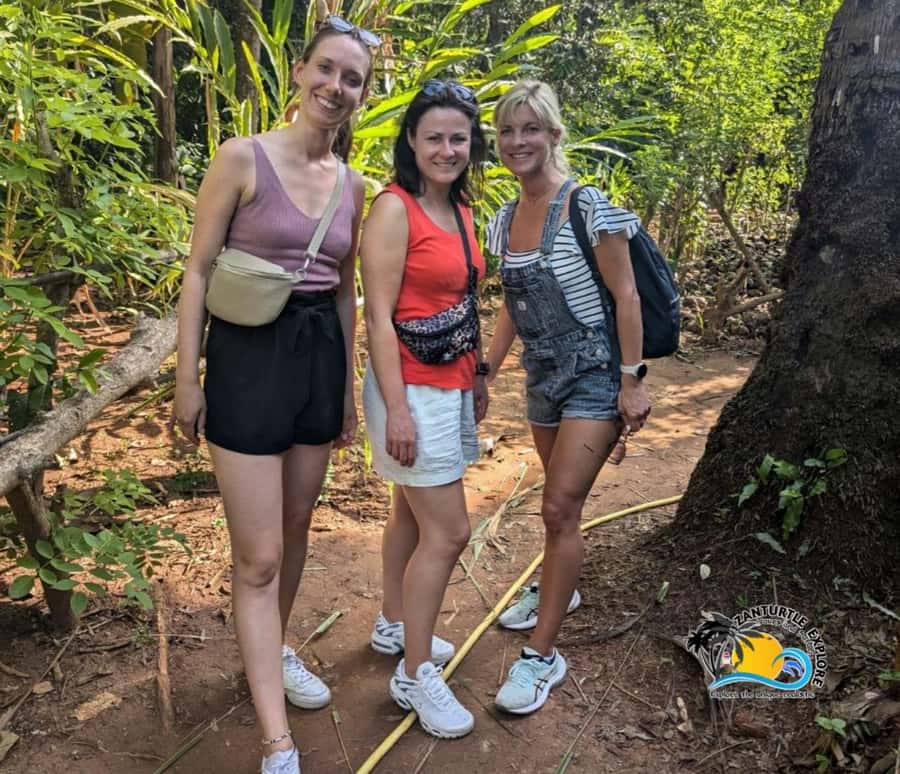
- Dress and shoes: you’ll walk and likely participate in harvesting and cooking prep. Comfortable, closed shoes matter.
- Sun and protection: bring sunscreen and a hat. The farm time isn’t described as shaded-only.
- Bug spray: the farm environment can mean mosquitoes, especially near vegetation.
- Water: even if drinks are included with lunch, carry water for the walking and tasting segments.
- Bathroom situation: some people have described facilities as basic. If you’re sensitive, go before you start the walk.
Finally, expect a friendly, active pace. This is meant to keep you moving and tasting, so if you’re looking for slow and quiet, you may want to choose a different Zanzibar activity.
Who this tour is best for (and who might prefer something else)
This is a strong fit if you:
- Love cooking experiences where you learn by doing
- Want Zanzibar flavors beyond the beach restaurant circuit
- Like interactive tours with sensory tastings
- Are traveling with kids who can handle a guided walk and simple cooking steps
It may be less ideal if you:
- Hate being asked for tips repeatedly
- Want a strictly hands-off tour where you only observe
- Prefer a working farm with minimal visitor interruptions
Should you book the Zanzibar spice farm and cooking class?
I think you should book if your vacation priorities include food, spices, and hands-on learning. The combination of spice walk (with smell and taste), ingredient harvesting, and a Swahili cooking class with lunch makes it more than a photo stop.
Book it too if you like cultural details like traditional music and dance and you want a day that’s structured around local flavors. The hotel pickup also makes it low-effort from a logistics standpoint.
Skip it if you’re mainly after pristine nature solitude or you know you’ll feel uncomfortable with multiple moments where the day invites extra generosity. In that case, you could still enjoy Zanzibar’s spices elsewhere—just choose a different format.
If you do book, come prepared with good shoes, sun protection, and water. You’ll get more out of it when you’re comfortable enough to focus on aromas, flavors, and the cooking process.
FAQ
Where does pickup happen?
Pickup is included, and the tour can pick you up from your hotel in Zanzibar. You’ll meet the representative in your hotel lobby or reception area.
How long is the tour?
The experience lasts about 5 hours.
What languages is the live guide available in?
The live tour guide is available in Arabic, English, French, German, Italian, Polish, Russian, and Spanish.
What do you do during the spice farm visit?
You take a guided walking tour of the farm, harvest some ingredients, and learn from the guide while tasting and smelling spices and herbs.
Do you eat during the experience?
Yes. Lunch is included along with drinks, and there’s fruit tasting as part of the day.
What should I bring?
Bring comfortable shoes, a hat, a camera, sunscreen, water, and insect repellent.