REVIEW · TURIN
Italian Cooking Class and Dinner at a Chef’s House in Turin
Book on Viator →Operated by eatwith · Bookable on Viator
Turin smells like garlic and comfort food. This in-home class with Chef Matteo in Turin turns a morning address on Via Nicola Fabrizi into a full cooking-and-dinner session where you learn recipes from scratch. I especially liked the hands-on pace (you actually make the food) and the fact you sit down afterward to eat your results with a glass of wine. One thing to consider: you must share any allergy or special diet up front so the recipes can be adjusted.
Matteo, originally from Sardinia, teaches with a mix of Italian customs and his own roots, with an eye toward natural, healthy products. And in the way the day is run, it feels less like a show and more like being welcomed into a working kitchen, with clear instruction on technique and tools—like using a pasta machine and knives—so you leave knowing what to repeat.
In This Review
- Key Points at a Glance
- A Home-Cook Setting in Turin: Why Matteo’s Class Feels Real
- The 3.5-Hour Flow: Bagna càuda, Fresh Pasta, and Dessert
- Starter: Bagna càuda with Piedmontese Garlic Sauce
- Main: Handmade pasta and your choice of sauce
- Dessert: Tiramisu, panna cotta, or chocolate gelato
- What You Actually Learn in Matteo’s Kitchen (Not Just the Menu)
- How to handle tools: pasta machine and knives
- How local dishes evolve
- Ingredients matter: a market-minded approach
- Dinner at the Table: Wine, Liqueur, and Real Hospitality
- Price and Value: What $144.16 Buys You in Turin
- Who This Cooking Class Is Best For
- Booking Notes That Actually Matter
- Should You Book This Italian Cooking Class in Turin?
- FAQ
- FAQ
- How long is the Italian cooking class and dinner?
- What time does it start in Turin?
- Where do I meet, and where does it end?
- What dishes will I cook?
- Is the class offered in English?
- What group size should I expect?
- Is wine included?
- Do I need to tell the host about dietary restrictions?
- Do I need to bring a ticket?
- Is service animal access allowed?
- What’s the cancellation timeframe?
Key Points at a Glance
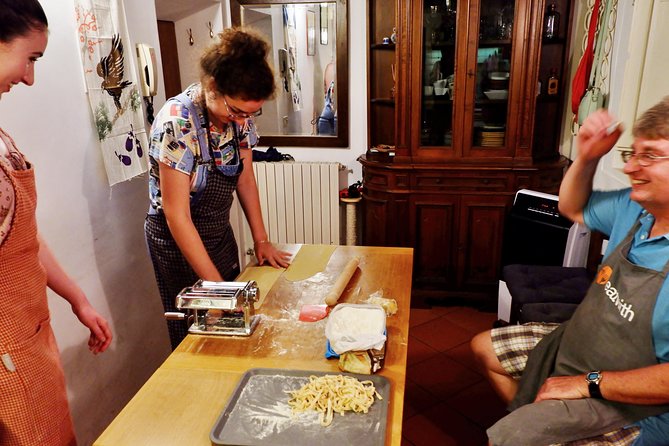
- Small group (max 7): You get personal attention instead of watching from the sidelines.
- Classic Piedmont flavors: You start with Bagna càuda and seasonal vegetables, then move into pasta and sauces.
- Hands-on from scratch: Fresh pasta, fillings, and desserts are part of the work, not just the eating.
- You eat what you make: Dinner happens right after cooking, at the host’s table, with wine.
- English instruction: The class is offered in English, which helps keep the cooking steps clear.
A Home-Cook Setting in Turin: Why Matteo’s Class Feels Real
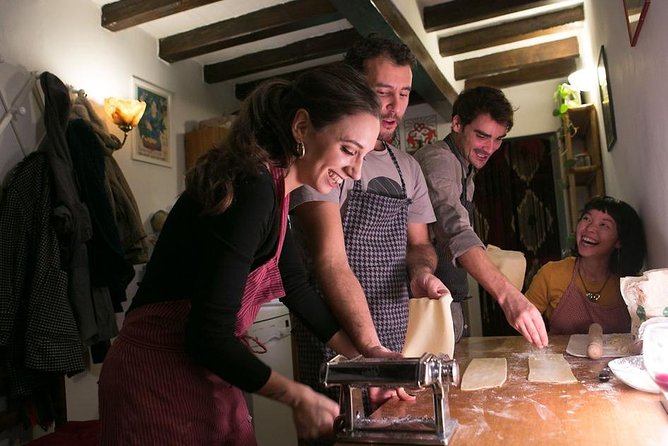
This experience is built around one simple idea: Italian food is learned by doing. You don’t just get a recipe card and a vague explanation—you work in the kitchen while Matteo guides you through each step, from prepping ingredients to finishing dishes.
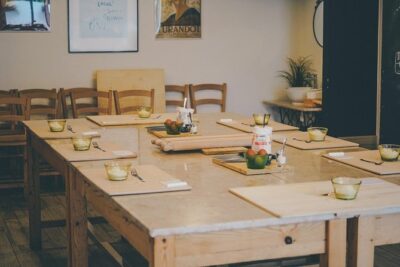
The biggest difference versus a typical cooking workshop is the home setting. You’re at Via Nicola Fabrizi in Turin (and the activity ends back at the same meeting point). That matters because it changes the vibe: it’s practical, family-style, and you’re surrounded by the rhythms of a real kitchen rather than a classroom setup.
I also like the host’s approach. Matteo is from Sardinia, and his teaching style mixes his roots with Italian gastronomic customs and the broader flavors of Italy and beyond. That means you’re not only copying tradition—you’re understanding why certain combinations work, and how regional habits shape what ends up on the plate.
You can also read our reviews of more tours and experiences in Turin.
The 3.5-Hour Flow: Bagna càuda, Fresh Pasta, and Dessert
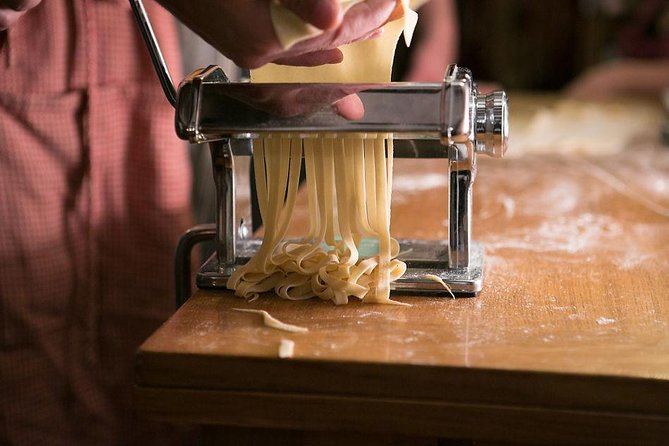
The day runs about 3 hours 30 minutes, starting at 10:30 am. It’s long enough to learn multiple techniques without feeling rushed, but short enough that you’re still doing real cooking the whole time. Here’s the heart of what you can expect, dish by dish.
Starter: Bagna càuda with Piedmontese Garlic Sauce
You begin with Bagna càuda, a Piedmontese garlic sauce served with seasonal vegetables. This is a smart first dish because it teaches you a key Italian skill: balancing strong flavor with texture and timing.
In a lot of kitchens, garlic is treated like a bully. Here it’s handled with care—part of the Piedmontese logic of turning simple ingredients into something comforting and memorable. You’ll prepare the sauce and work with seasonal vegetables, which is also a nice way to cook with what’s actually around in Turin at that moment instead of forcing a one-size-fits-all ingredient list.
Practical tip for you: if you’re sensitive to garlic or strong flavors, tell Matteo at booking. The experience requires you to communicate allergies and special diets, and it’s the best way to keep the session comfortable and safe for you.
Main: Handmade pasta and your choice of sauce
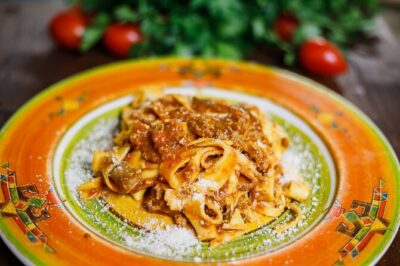
Next comes the main event: handmade fresh pasta made from scratch. Then you top it with a deep tomato sauce (ragù) or pesto—the exact choice depends on the session and your preferences.
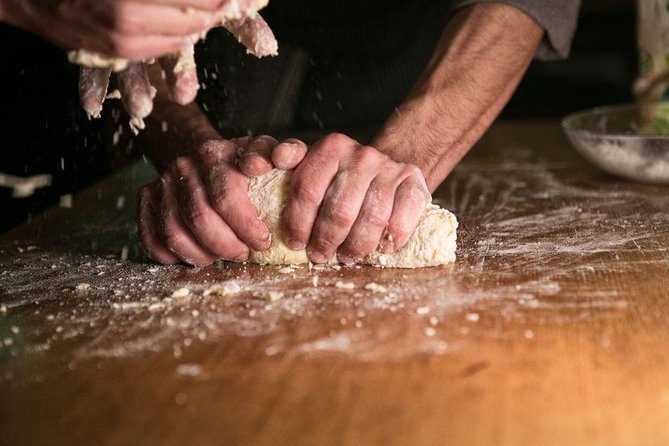
Making pasta from scratch is where the class becomes truly hands-on. You learn not only how to shape dough, but also how to manage thickness, timing, and the feel of the dough as you work. The reviews linked to this experience also highlight learning the pasta machine and how to use it, which is huge if you want to reproduce what you learned back home.
For sauce, you’ll work with classic Italian flavors:
- Tomato ragù: slow, hearty, and built for depth.
- Pesto: herbal, savory, and flexible depending on what’s seasonal and available.
One review notes Matteo made pesto using kale and walnuts, which is a great reminder that pesto isn’t always basil and pine nuts. The technique stays Italian, but the ingredients can shift with what’s fresh and local.
Dessert: Tiramisu, panna cotta, or chocolate gelato
You end with dessert—tiramisu is listed as a core option, along with panna cotta or chocolate gelato. Dessert is not an afterthought here. It’s scheduled so you can finish with something sweet and satisfying after the work of pasta and sauce.
If you’re the type who likes the whole meal arc (starter → main → dessert), this is a good match. You’ll leave with at least one dessert method you can actually repeat, not just a vague idea of how tiramisù should taste.
What You Actually Learn in Matteo’s Kitchen (Not Just the Menu)
This experience is easy to describe as an Italian cooking class and dinner. But the real value sits in the techniques Matteo teaches while you’re cooking.
How to handle tools: pasta machine and knives
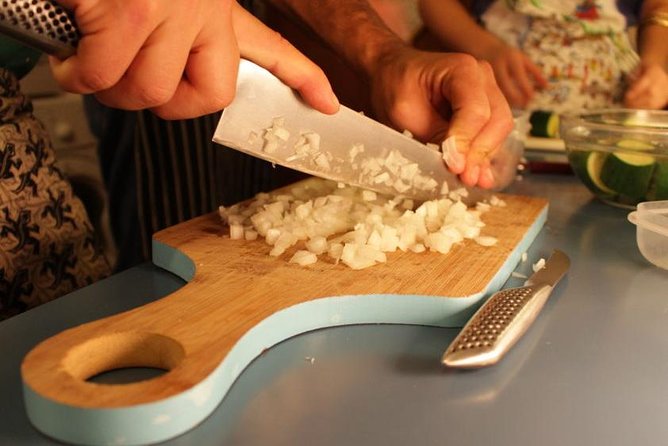
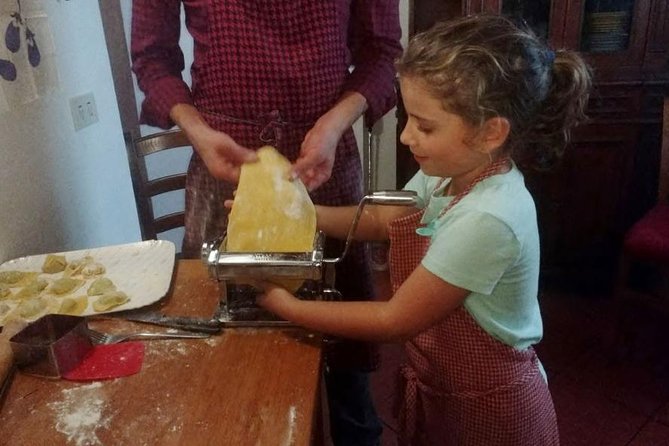
One of the most practical takeaways is tool comfort. You’ll be introduced to using a pasta machine and to knives and how to use them. That matters because pasta-making gets easier once you stop fighting the equipment.
If you’ve ever tried to make pasta at home and felt like the dough was either too sticky or too stubborn, the issue is often technique and tool handling. In this setting, you get instruction while your hands are doing the work—so you can correct mistakes in real time.
How local dishes evolve
Matteo’s teaching includes local context—how methods and recipes shift over time. That’s helpful because it turns cooking from imitation into understanding. You’re more likely to remember steps when you know why they exist.
It also makes regional Italian food feel less like a museum display. Bagna càuda is Piedmontese; pesto can change ingredients; sauces adapt. That’s the Italian lesson: tradition isn’t rigid, it’s a living pattern.
Ingredients matter: a market-minded approach
Another detail that stands out is Matteo’s habit of using fresh ingredients. One review describes him going to a local market that morning, and that aligns with the class’s focus on seasonal vegetables and naturally sourced products.
For you, this means you’re more likely to learn flavor principles that hold up in your kitchen, too. If the class relies on fresh produce, your results at home will improve because you’ll know what to look for when buying ingredients.
Dinner at the Table: Wine, Liqueur, and Real Hospitality
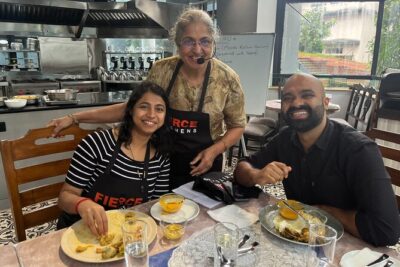
After cooking, you sit down to eat what you made. This is the part I love most because it removes the “cooking class only” feeling.
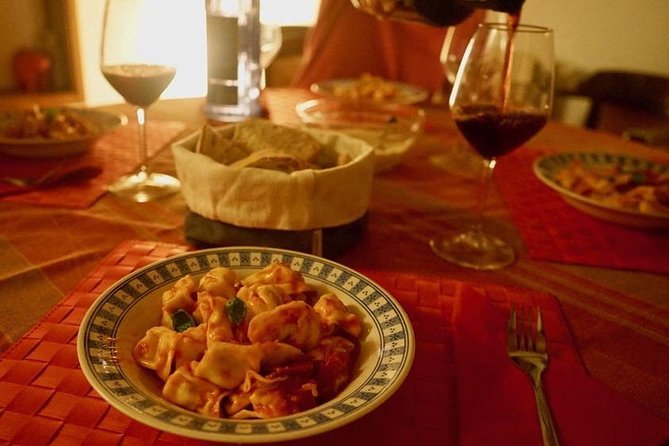
You eat in Matteo’s dining room table with his wife, alongside a glass of wine, and at least one review mentions an after-dinner liqueur. That turns the session into a full meal experience, not just a half-day activity.
The social side is also important. Even with a small group (up to 7), you’ll be sharing the same dishes you helped create. That makes it easier to ask questions, and it helps you understand what a finished sauce or pasta should taste like before you try to replicate it at home.
If you’re traveling solo, this is a strong option because you’re not stuck in a large tour group where your questions get lost. The format supports conversation without forcing constant group interaction.
Price and Value: What $144.16 Buys You in Turin
At $144.16 per person, this isn’t a cheap add-on—and it shouldn’t be. You’re paying for several things that usually cost more separately:
- Private-home instruction with a small group (max 7)
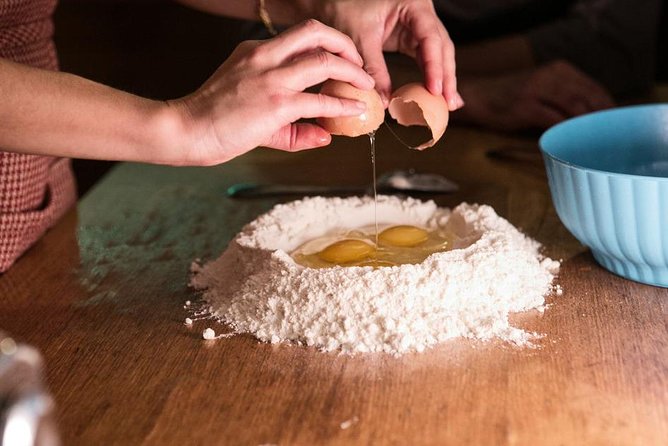
- Hands-on cooking (not just watching)
- A multi-course meal built around local classics and handmade pasta
- Wine with your meal, plus dessert
- Personal teaching from Matteo, including technique tips like pasta machine and knife use
If you compare this kind of experience to a generic cooking demonstration, the price starts to make more sense. A workshop where you don’t cook much or where you skip dinner doesn’t deliver the same value. Here, you’re doing the work and then eating it.
Also, the “scheduled at a real time, with a real host” setup matters. You’re not buying a random cooking recipe; you’re booking a specific session that runs about 3.5 hours with the structure needed to learn.
Who This Cooking Class Is Best For
This class fits best if you want more than a checklist of sights. You’ll probably enjoy it most if you:
- like cooking and want to learn technique, not just recipes
- want a small-group experience where the host can explain and correct
- enjoy Italian food, especially Piedmontese flavors like Bagna càuda
- travel with a partner or a small group and like a shared activity
- want an English-friendly class while still doing authentic, local-style cooking
It may be less ideal if you want something purely fast and light, because you’re committing to a full 3.5-hour cooking-and-dining session starting at 10:30 am.
Booking Notes That Actually Matter
A few practical details can make your day smoother.
- Meeting point: Via Nicola Fabrizi, 10143 Torino TO, Italy
- Start time: 10:30 am
- Language: English
- Group size: maximum 7 travelers
- Dietary needs: you’ll need to communicate allergies and special diets so Matteo can adjust the recipes
- Mobile ticket: you’ll receive a mobile ticket
- Service animals allowed: if relevant for you, this is permitted
One more thing: since this is in a private home, arrive on time and be ready to cook. Your shoes and clothing should be comfortable—this is hands-on work.
Should You Book This Italian Cooking Class in Turin?
If you want a Turin experience that feels local and practical, I’d book it. You get Bagna càuda, handmade fresh pasta, and a dessert finish, and you learn techniques you can repeat. The small group size and the sit-down dinner with wine make the day feel worth the price, not like a one-off activity you forget next week.
I’d especially recommend booking if you like hands-on learning and you care about the details—using the pasta machine, understanding sauces, and cooking with seasonal ingredients. Just make sure you communicate dietary restrictions early so Matteo can tailor the recipes for you.
If you’re ready for a morning that ends at a dinner table in a real home, this is one of the more satisfying ways to experience Italian food culture in Turin.
FAQ
FAQ
How long is the Italian cooking class and dinner?
It lasts about 3 hours 30 minutes.
What time does it start in Turin?
The start time is 10:30 am.
Where do I meet, and where does it end?
You meet at Via Nicola Fabrizi, 10143 Torino TO, Italy, and the activity ends back at the same meeting point.
What dishes will I cook?
The class includes Bagna càuda with seasonal vegetables, handmade fresh pasta with deep tomato sauce (ragù) or pesto, and dessert such as tiramisù, panna cotta, or chocolate gelato.
Is the class offered in English?
Yes, the experience is offered in English.
What group size should I expect?
The maximum group size is 7 travelers.
Is wine included?
Yes, you’ll enjoy a glass of wine with your culinary creations.
Do I need to tell the host about dietary restrictions?
Yes. You need to communicate any food restriction (allergy, special diet, etc.) so recipes can be adapted.
Do I need to bring a ticket?
You’ll have a mobile ticket.
Is service animal access allowed?
Yes, service animals are allowed.
What’s the cancellation timeframe?
You can cancel up to 24 hours in advance for a full refund. Changes within 24 hours of the start time aren’t accepted.