REVIEW · TURIN
Home Cooking Class & Meal with a Local in Turin
Book on Viator →Operated by Cesarine: Cooking Class · Bookable on Viator
Three Piedmont dishes, cooked like family. This private home cooking class in Turin puts you at a real kitchen station to learn three regional recipes, then you taste your work with a choice of local red or white wine.
I love that you’re not a spectator here. You get aprons and a hands-on setup, learn directly from a local expert cook, and then sit down to eat your creations with coffee. The one thing to consider is price: at $225 for about 3 hours, it’s a splurge worth it only if you really want cooking instruction, not just a nice meal.
In This Review
- Key things that make this Turin cooking class special
- Why Turin cooking at home beats another food tour
- Your 3-hour flow: from apron on to your own dinner
- The cooking part: three Piedmont recipes you’ll actually make
- What you’re likely learning as you cook
- Why this matters for your actual vacation
- Wine and coffee: a local-table finish, not a gimmick
- Private class perks you can feel immediately
- Where it happens in Turin: easy access, real neighborhood feel
- Price and value: what you’re really paying for
- Who this class is best for (and who should think twice)
- Practical tips to get the most from your Turin cooking night
- Should you book this home cooking class in Turin?
- FAQ
- How long is the home cooking class in Turin?
- Is this a private class or a group class?
- What will I be cooking?
- Is wine included with the meal?
- Where does the experience start and end?
- Will I receive confirmation after booking?
- What is the cancellation policy?
Key things that make this Turin cooking class special
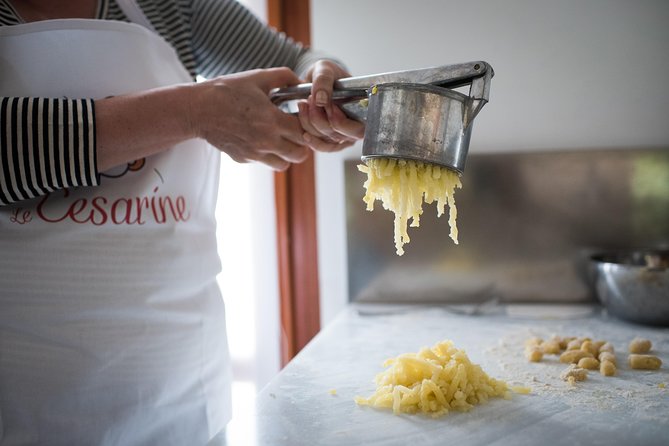
- Private class in a local home: only your group, with an at-home feel from the start.
- You cook three regional dishes: not a demo, not a lecture—actual prep and cooking time.
- Wine and coffee included: you pick local red or white, and you’re offered coffee with your meal.
- Menus can be adjusted: hosts have changed the menu to match skill levels and dietary needs.
- It often turns into more than dinner: some hosts even help you get oriented afterward, like finding a taxi.
Why Turin cooking at home beats another food tour
Turin is the kind of city where food tells you how people live. This class taps that exact vibe. Instead of moving from stop to stop, you slow down in one kitchen and learn how Piedmontese food is put together—ingredient by ingredient, step by step.
What makes it feel different is the structure. You’re equipped with aprons and work stations, so you can move comfortably through the recipe rhythm. And because it’s private, the pace can match your group. That matters when you want to ask questions and actually understand what you’re doing, not just copy motions.
Also, the ending is practical. You don’t just taste a dish and move on. You sample the three recipes you made. That turns the whole experience into something you can repeat at home—because you learned the process, not just the outcome.
Your 3-hour flow: from apron on to your own dinner
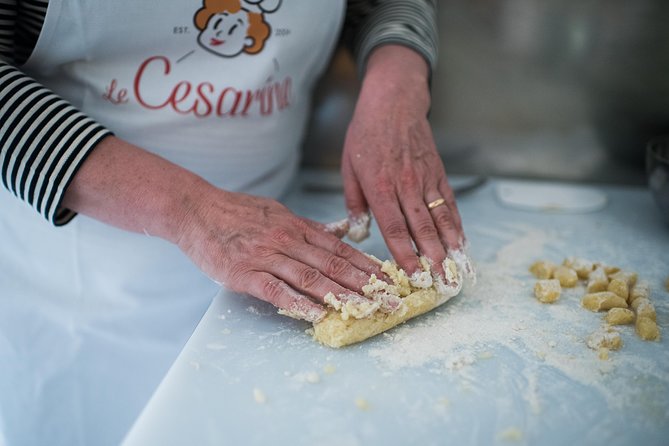
This is an easy plan to follow. You start in Turin, cook together for about 3 hours, and then the experience ends back at the meeting point.
Here’s what the timing generally feels like:
- Arrive and get set up
You meet your host, get an apron, and move into your cooking station. Expect a friendly welcome and clear guidance on what you’ll make.
- Cook three regional recipes
The core of the class is hands-on work. You’ll learn the secrets behind famous Turin dishes and make the recipes yourself, not just observe. The kitchen is your classroom—knife skills, ingredient choices, and timing all matter here.
- Sit down and eat
Once you finish cooking, you sample what you created. Wine and coffee are part of this meal, so you get to enjoy the results while it’s still fresh.
- Wrap up and go
Since it ends back at the meeting point, you’re not stuck figuring out a new location after dinner.
The drawback with a shorter, 3-hour format is obvious: you get three recipes, not an endless parade of courses. If you want a long, restaurant-style feast with many extra dishes, this may feel like you ate just enough. If you want to learn real skills and go home able to cook, that time limit works.
The cooking part: three Piedmont recipes you’ll actually make
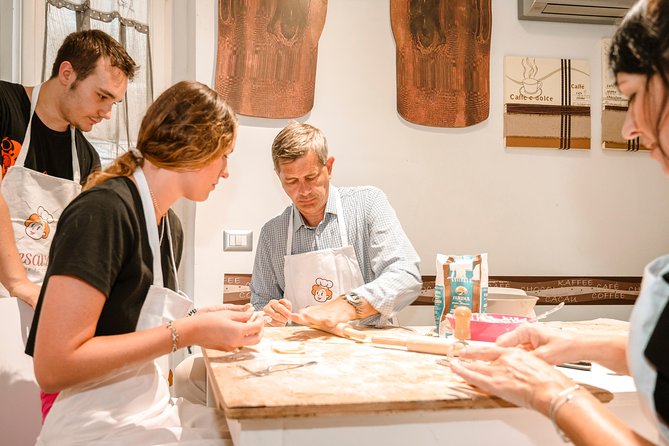
The class centers on three regional recipes. The exact menu can vary, but you’ll see the same Piedmont flavors show up again and again: rich sauces, comforting pasta, and desserts that are more than just a sweet finish.
From actual past class menus, a three-dish set has included:
- A salad with chicken, celery, walnuts, and Parmesan
- Pumpkin ravioli with sage butter
- Bonet
That combo tells you something important about Turin: it’s not only about pasta. It’s about balance—crunch and herbs up front, cozy pasta in the middle, and a classic Piedmont dessert to close.
What you’re likely learning as you cook
Even if the dishes shift, you’re learning transferable skills:
- How Piedmontese cooks build flavor (not just seasoning at the end)
- How to manage timing so several components don’t fall behind
- How to plate and serve in a way that feels natural for an Italian home
And if you have dietary needs, there’s a strong chance the host can adjust the menu to fit your preferences. In past sessions, menus have been changed on short notice to suit skill level and what diners needed.
Why this matters for your actual vacation
Cooking skills are the fastest way to turn a trip into a memory you can use. You’ll leave with more than photos—you’ll have a sense of how to shop for the ingredients and how the dish should feel when it comes together. That’s the kind of souvenir that doesn’t take up suitcase space.
Wine and coffee: a local-table finish, not a gimmick
After the cooking, you get a meal with wine and coffee. You can choose local red or local white, which is a nice touch because Turin and Piedmont wines don’t feel like a random add-on. This is meant to pair with what you just made and help you slow down.
Wine is included, but you’re still in a home setting. That changes the mood. Instead of feeling like you’re getting processed for a group experience, it feels more like being hosted for dinner—just with a little chef training happening in the middle.
Coffee also shows up at the end. In Italy, that often signals the meal is truly over, and you’re allowed to relax. It’s the calm landing after the flurry of chopping and cooking.
Private class perks you can feel immediately
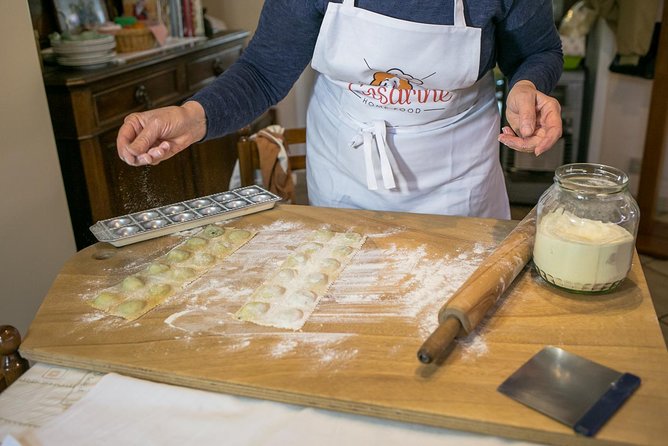
Private means you’re not sharing a kitchen with another party. In practice, that changes everything:
- More questions, less timing pressure
- A pace that can match your group
- More direct feedback on what you’re doing
In some sessions, the instruction team has included both a cook and a translator/partner role, which can be a big help if you want to understand the why behind the steps, not only the how. And hosts have tailored menus based on dietary preferences, so you’re less likely to end up with a token substitute.
If you’re the kind of person who likes to understand what you’re eating, this format is ideal. If you just want a quick, low-effort taste, you might find yourself thinking about how much work you signed up for.
Where it happens in Turin: easy access, real neighborhood feel
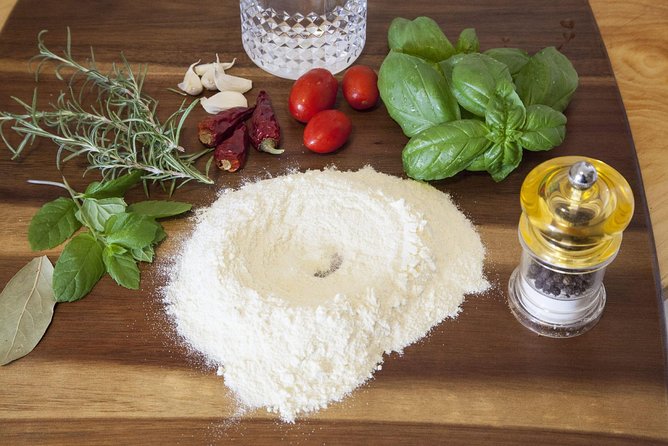
The meeting point is in Turin, and the tour ends back at the same starting point. The class happens in a local home, and the listing notes that it’s near public transportation.
What to do with that info:
- Plan on a short walk from the nearest stop. Turin’s neighborhoods are close together, but homes are rarely right on the curb at a station.
- Use your mobile ticket. You won’t need to hunt for a paper document.
- Show up on time. Home classes run on schedule, and the kitchen can’t pause forever.
Because it’s a private home, you’re also stepping into a space that’s more lived-in than a commercial cooking studio. That’s part of the appeal. It’s also why you’ll want to bring a calm, friendly energy and follow whatever the host asks before you start cooking.
Price and value: what you’re really paying for
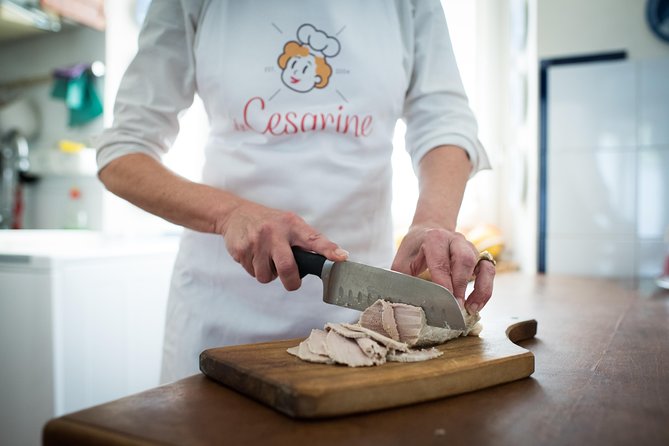
$225 for about 3 hours sounds steep until you break down what’s included. Here’s what you’re getting that a typical meal doesn’t include:
- Expert instruction while you cook, not just taste
- Aprons and work stations, meaning the host is setting up the experience for you
- Three regional recipes made by your group
- Ingredients used during the class
- Wine and coffee with the meal
- A private format, so your group isn’t squeezed into a shared schedule
The best value comes when you treat it like a skill class. If you cook even a little at home, you’ll get more out of it because you’ll recognize techniques and you’ll know what to try again later.
The price is also easier to justify for couples and small groups. One person doing this solo can feel pricey, but two people splitting the cost can make it feel much closer to a special dinner plus lessons—except you’re learning while you eat.
Who this class is best for (and who should think twice)
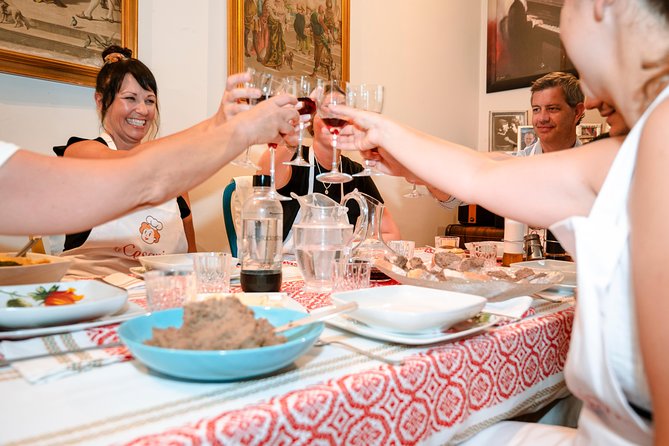
This Turin home cooking class fits best if you:
- Want hands-on cooking instruction rather than a restaurant meal
- Enjoy Piedmontese flavors and want to learn how they’re built
- Like a private, low-stress experience with time for questions
- Have dietary preferences and want a host who may adjust the menu
It may not be the right match if you:
- Don’t want to cook at all and only want to taste
- Prefer a very long, multi-course dining event
- Need something fully hands-off and low movement
Also, if you’re traveling with service animals, this experience allows them, which is a real advantage when you’re trying to find activities that welcome you without hassle.
Practical tips to get the most from your Turin cooking night
A few small moves will make your class feel smoother:
- Wear comfortable clothes you can get a little warm in. Kitchens are hot, and you’ll be active.
- Come with an appetite. You’ll work up hunger during the cooking and then sit down to eat.
- Ask about the dish logic. If you learn one or two key techniques per recipe, the whole class sticks with you longer.
- Think of this as dinner plus a workshop. You’ll get the best value if you’re mentally ready to cook, taste, and learn.
And because the experience ends back at the meeting point, it’s also a good evening plan—no complicated logistics after you finish.
Should you book this home cooking class in Turin?
I think you should book it if your vacation style includes learning something you can use later. This is not only about eating well. It’s about understanding how Piedmontese dishes come together, cooking them in a real home kitchen, and then enjoying the fruits of your work with local wine and coffee.
Skip it only if you’re hoping for a quick tasting with minimal participation. At $225, you want to show up ready to cook. If you do, you’ll leave with a richer sense of Turin food than you could ever get from another storefront meal.
FAQ
How long is the home cooking class in Turin?
The class lasts about 3 hours.
Is this a private class or a group class?
It’s a private tour/activity, so only your group participates.
What will I be cooking?
You’ll learn to make three regional recipes yourself with expert guidance.
Is wine included with the meal?
Yes. You’ll be served your creations along with your choice of local red or white wine, plus coffee.
Where does the experience start and end?
It starts in Turin and ends back at the meeting point.
Will I receive confirmation after booking?
Yes. Confirmation is received at the time of booking.
What is the cancellation policy?
You can cancel for free up to 24 hours in advance for a full refund. If you cancel less than 24 hours before the experience starts, the amount paid is not refunded.